Center for Pulmonary and Vascular Biology, Department of Pediatrics, University of Texas Southwestern Medical Center, Dallas, TX, USA.
Children's Research Institute, University of Texas Southwestern Medical Center, Dallas, TX, USA.
Nature. 2019 May;569(7757):565-569. doi: 10.1038/s41586-019-1140-4. Epub 2019 Apr 24.
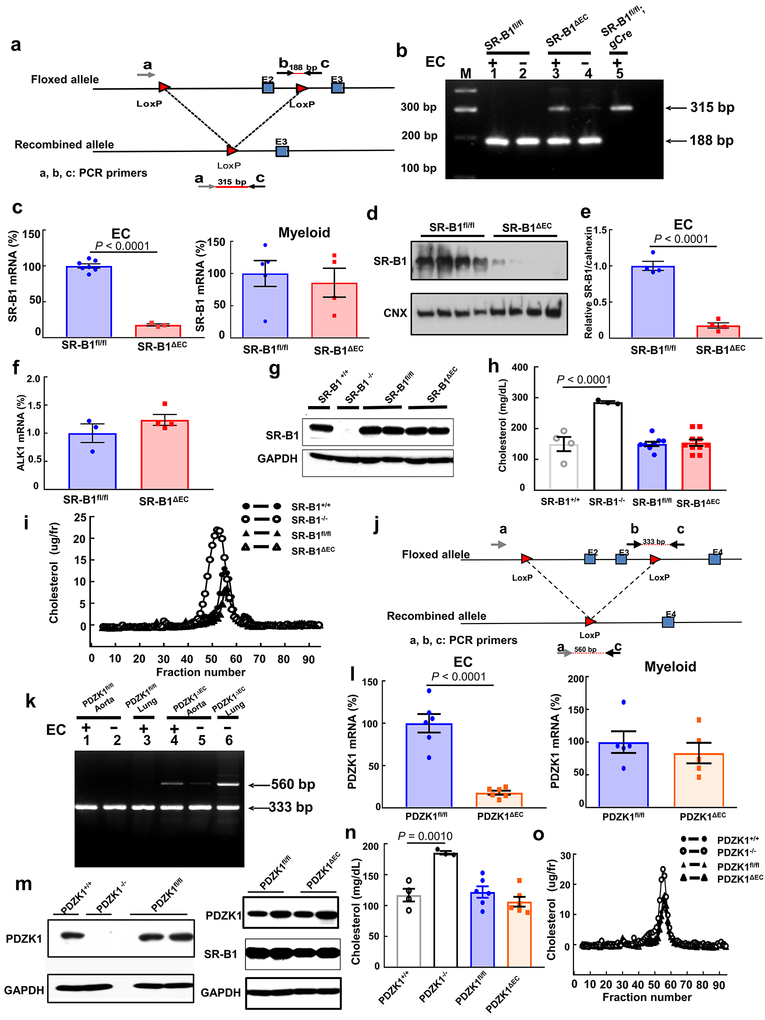
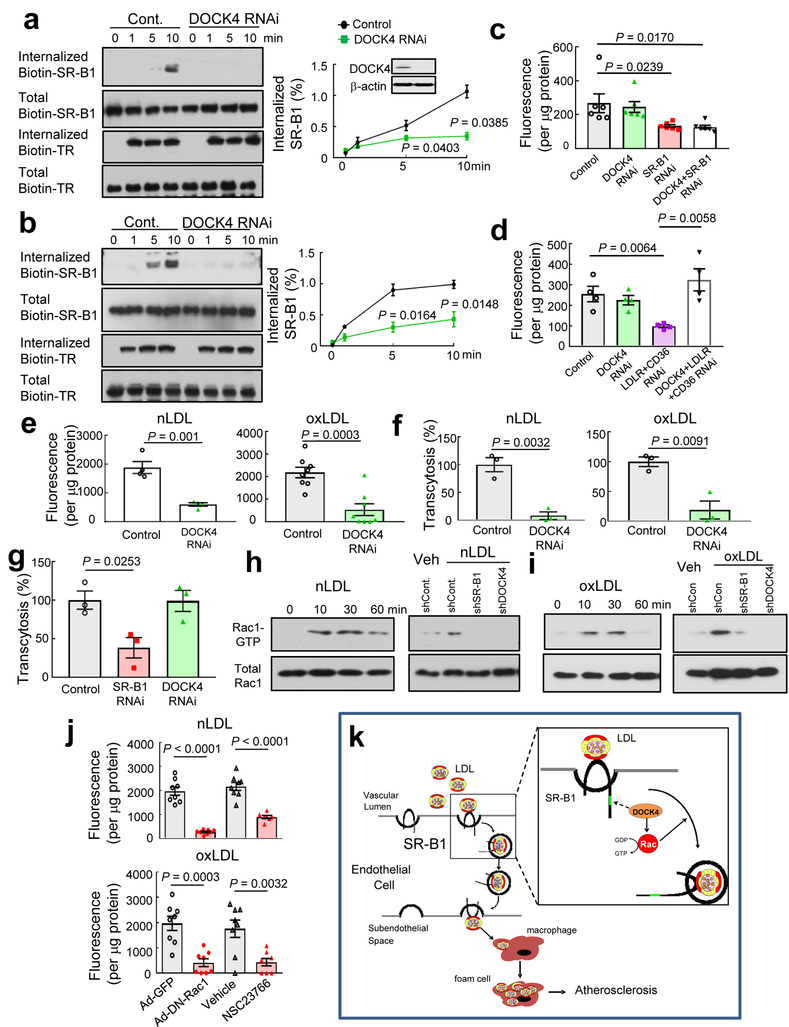
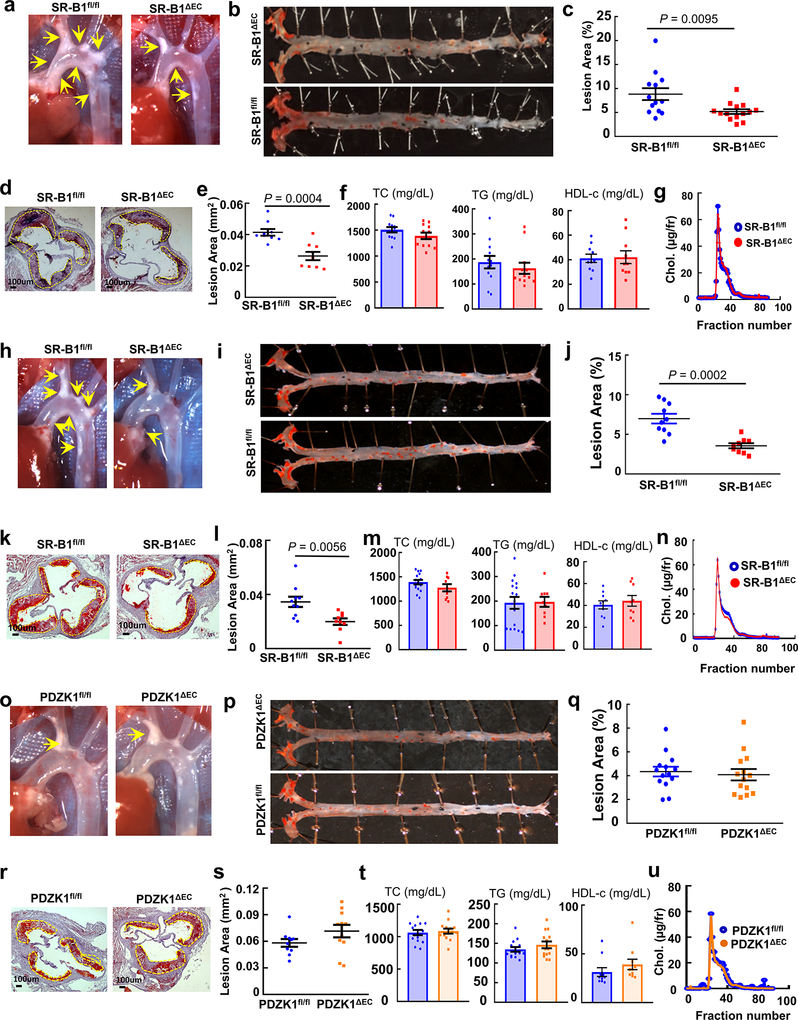
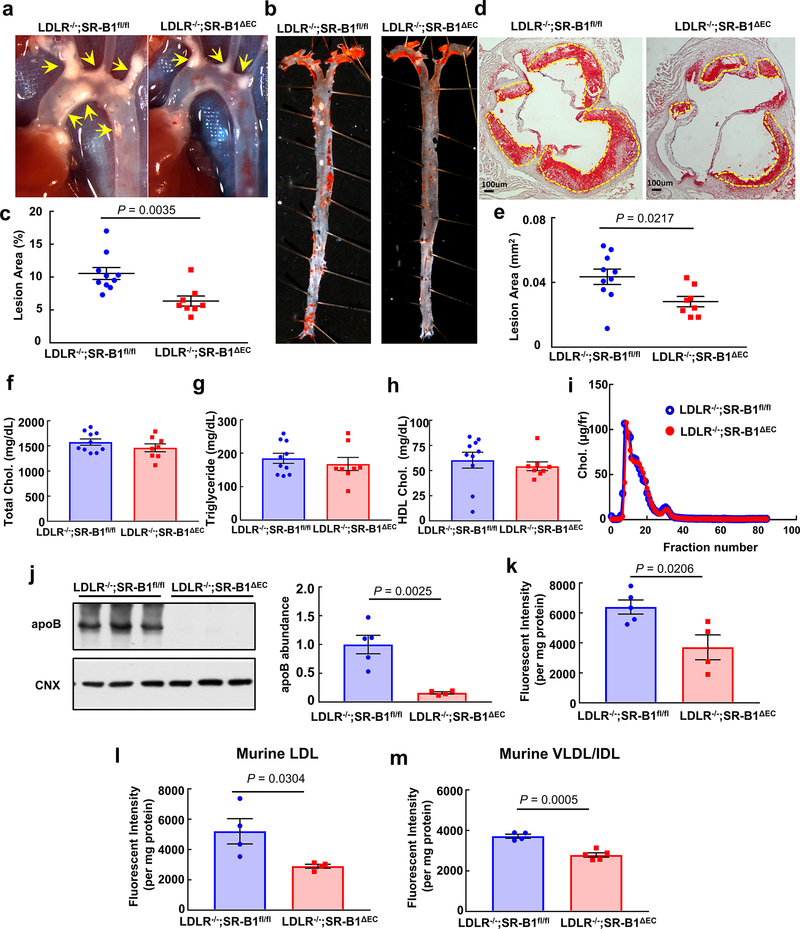
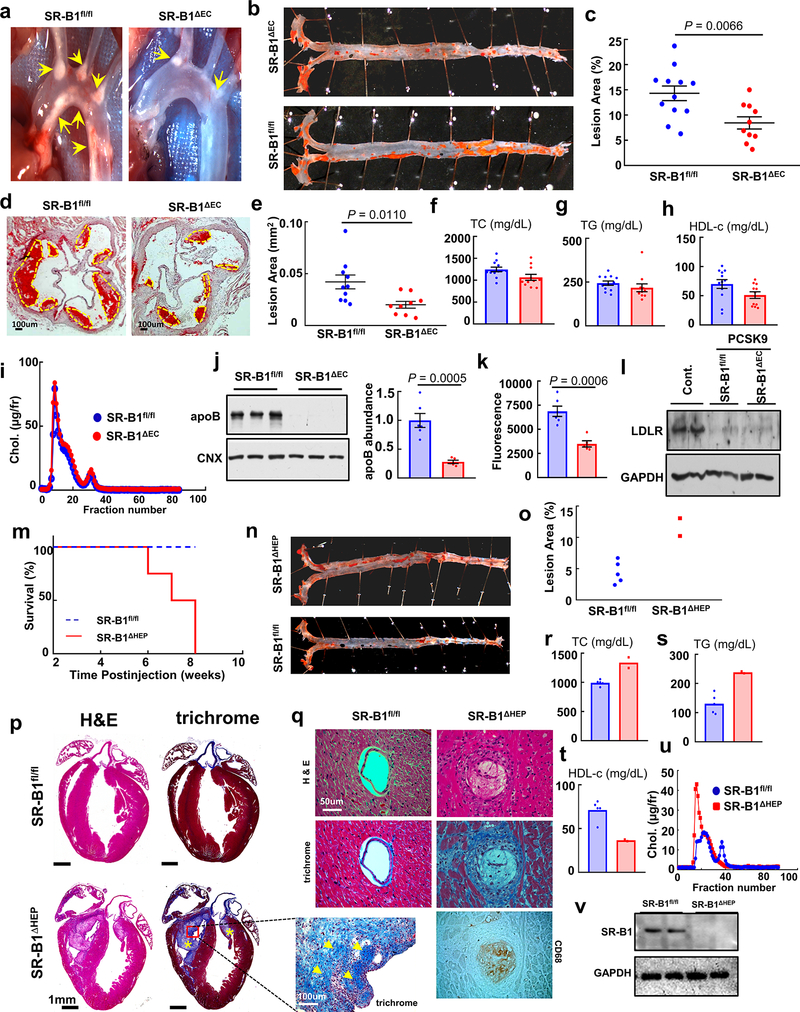
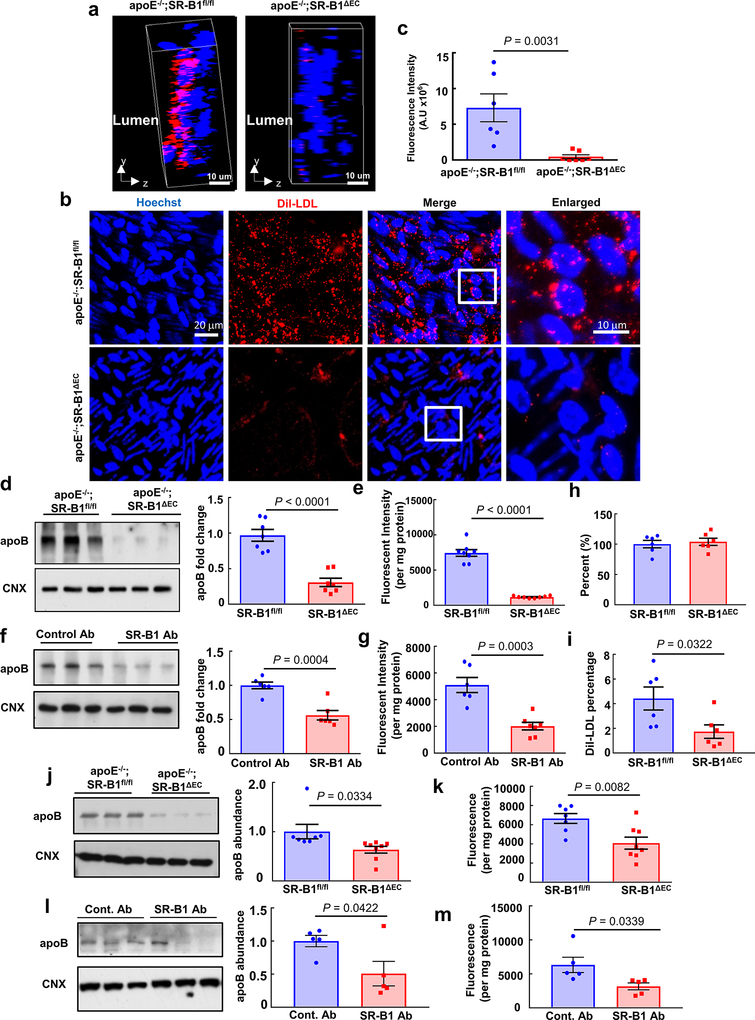
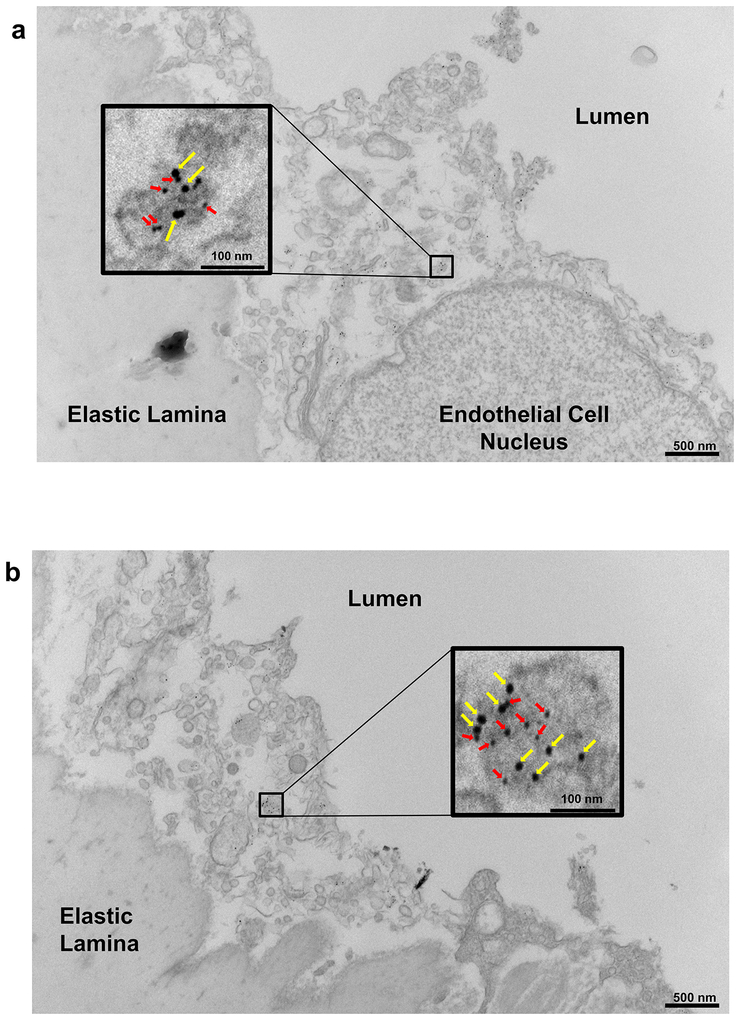
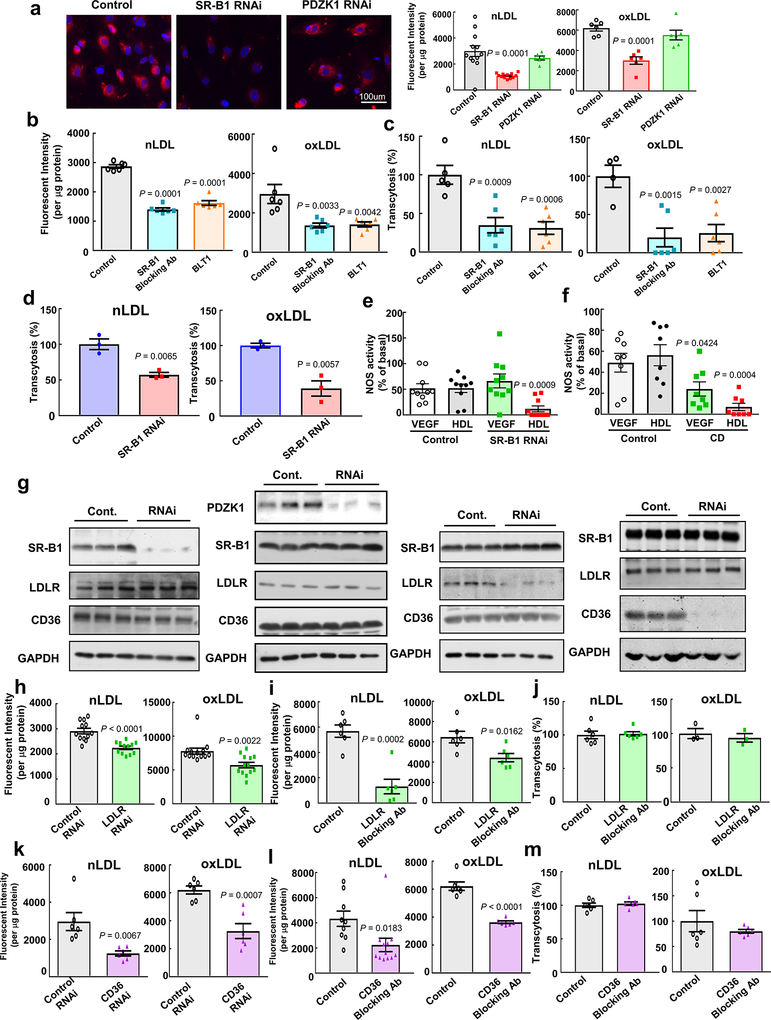
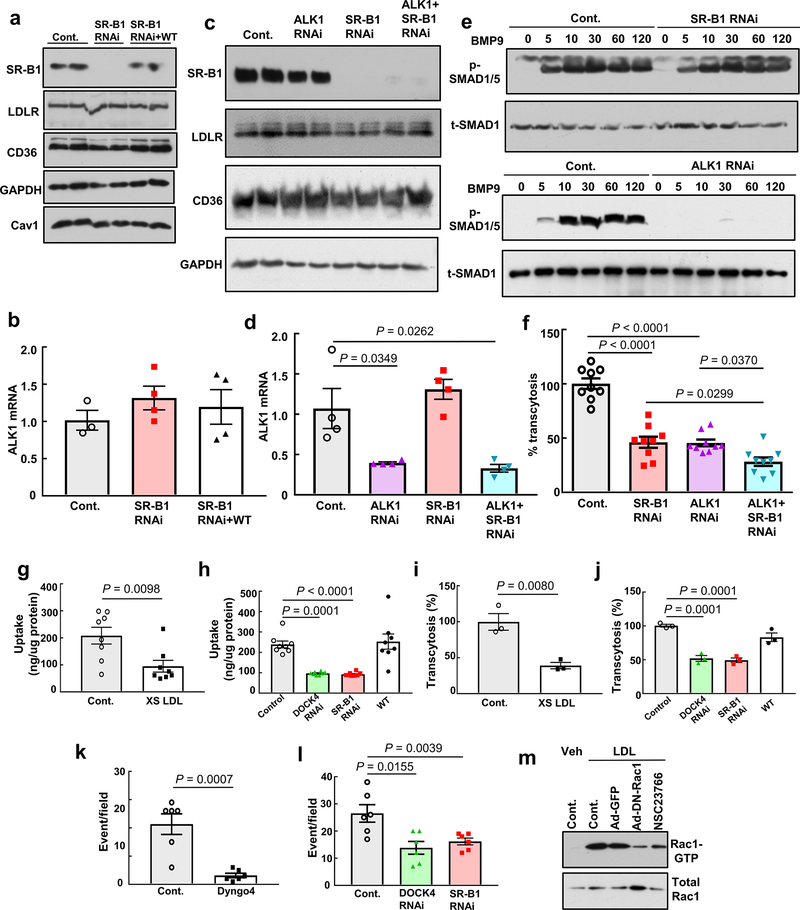
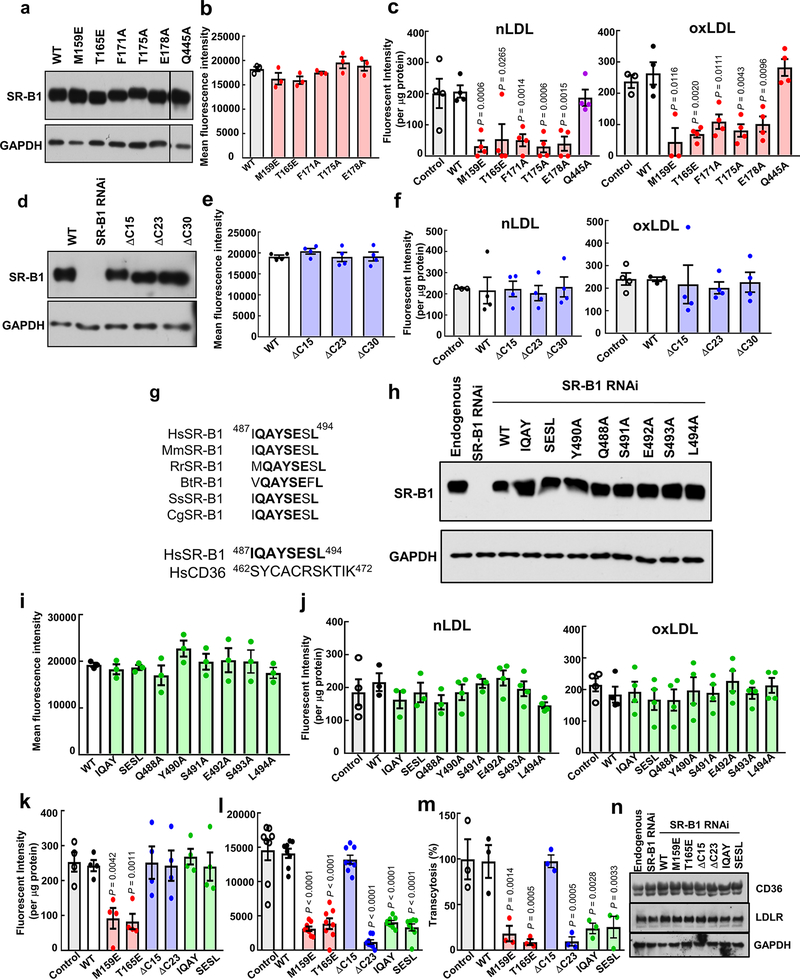
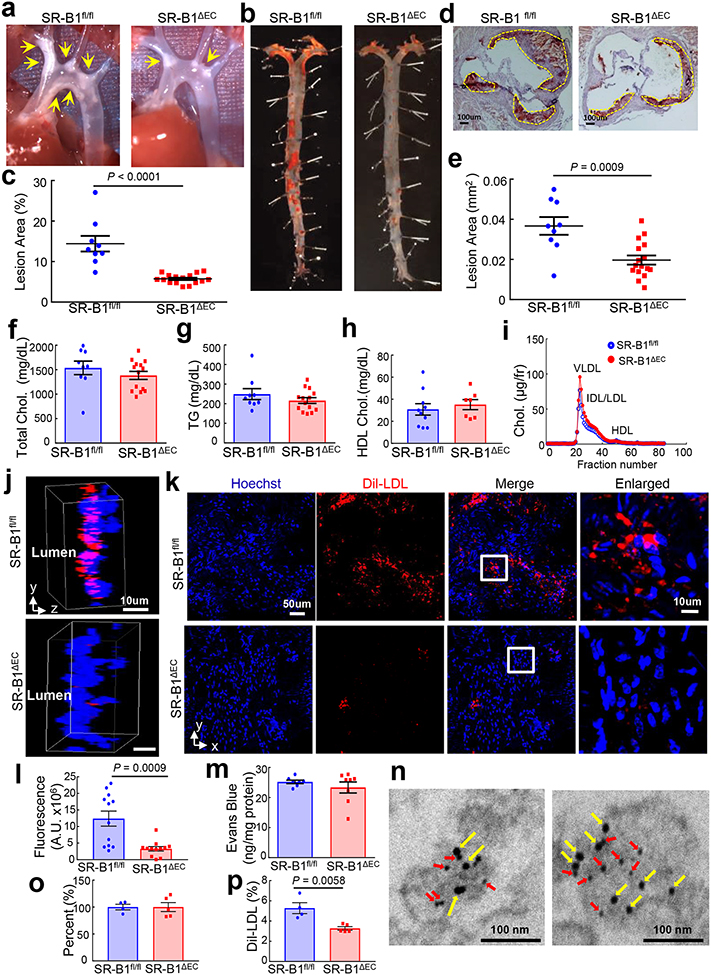
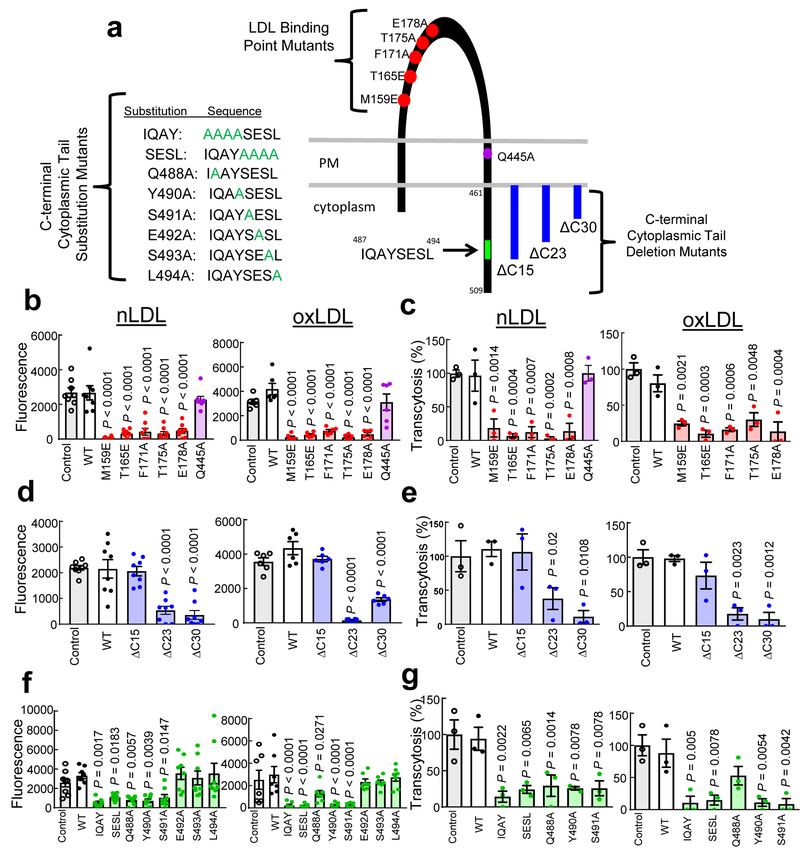
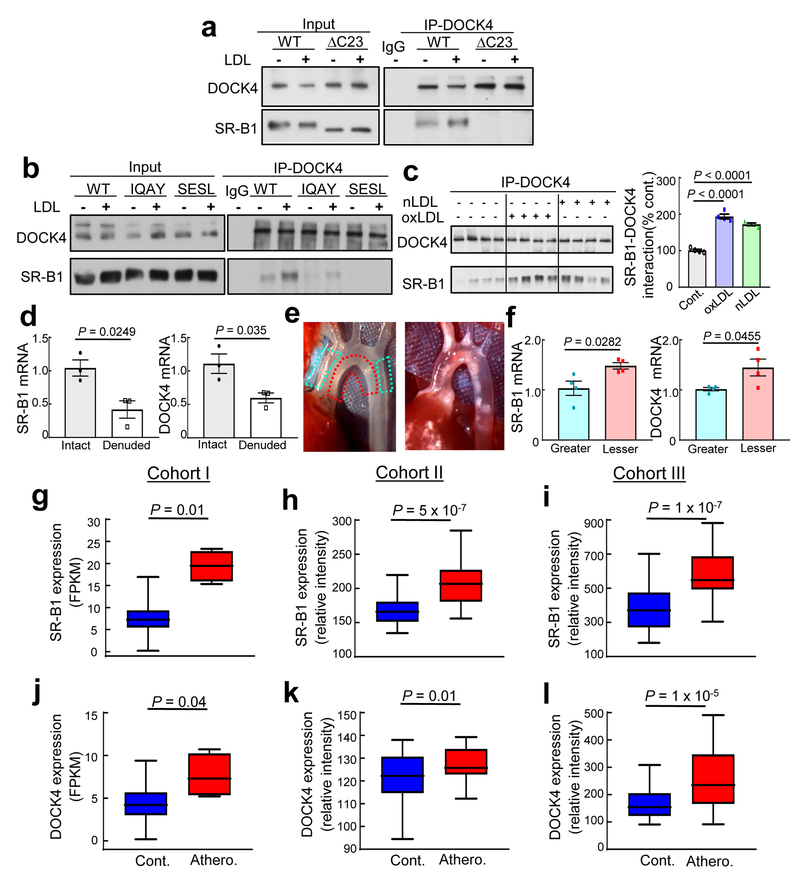
Atherosclerosis, which underlies life-threatening cardiovascular disorders such as myocardial infarction and stroke, is initiated by passage of low-density lipoprotein (LDL) cholesterol into the artery wall and its engulfment by macrophages, which leads to foam cell formation and lesion development. It is unclear how circulating LDL enters the artery wall to instigate atherosclerosis. Here we show in mice that scavenger receptor class B type 1 (SR-B1) in endothelial cells mediates the delivery of LDL into arteries and its accumulation by artery wall macrophages, thereby promoting atherosclerosis. LDL particles are colocalized with SR-B1 in endothelial cell intracellular vesicles in vivo, and transcytosis of LDL across endothelial monolayers requires its direct binding to SR-B1 and an eight-amino-acid cytoplasmic domain of the receptor that recruits the guanine nucleotide exchange factor dedicator of cytokinesis 4 (DOCK4). DOCK4 promotes internalization of SR-B1 and transport of LDL by coupling the binding of LDL to SR-B1 with activation of RAC1. The expression of SR-B1 and DOCK4 is increased in atherosclerosis-prone regions of the mouse aorta before lesion formation, and in human atherosclerotic arteries when compared with normal arteries. These findings challenge the long-held concept that atherogenesis involves passive movement of LDL across a compromised endothelial barrier. Interventions that inhibit the endothelial delivery of LDL into artery walls may represent a new therapeutic category in the battle against cardiovascular disease.
动脉粥样硬化是一种危及生命的心血管疾病,如心肌梗死和中风,其由低密度脂蛋白(LDL)胆固醇进入动脉壁并被巨噬细胞吞噬引起,导致泡沫细胞形成和病变发展。目前尚不清楚循环中的 LDL 如何进入动脉壁引发动脉粥样硬化。在这里,我们在小鼠中表明,内皮细胞中的清道夫受体 B 型 1(SR-B1)介导 LDL 进入动脉并被动脉壁巨噬细胞积累,从而促进动脉粥样硬化。LDL 颗粒在体内与内皮细胞内小泡中的 SR-B1 共定位,并且 LDL 通过内皮单层的转胞吞作用需要其直接与 SR-B1 结合以及受体的八氨基酸细胞质结构域,该结构域募集细胞分裂蛋白 4(DOCK4)的细胞因子 dedication 因子。DOCK4 通过将 LDL 与 SR-B1 的结合与 RAC1 的激活偶联,促进 SR-B1 的内化和 LDL 的转运。在动脉粥样硬化形成之前,在小鼠主动脉易患部位和与人动脉粥样硬化动脉相比,SR-B1 和 DOCK4 的表达增加。这些发现挑战了动脉粥样硬化涉及 LDL 通过受损的内皮屏障被动运动的长期概念。抑制 LDL 向动脉壁内皮传递的干预措施可能代表对抗心血管疾病的新治疗类别。