Lüker Jakob, Sultan Arian, Sreeram Narayanswami, Brockmeier Konrad, Steven Daniel
Department of Electrophysiology, University Hospital Cologne, Heart Center, Kerpener Str. 62, Cologne, Germany.
Department of Pediatric Cardiology, University Hospital Cologne, Heart Center, Kerpener Str. 62, Cologne, Germany.
Eur Heart J Case Rep. 2018 Sep 12;2(3):yty099. doi: 10.1093/ehjcr/yty099. eCollection 2018 Sep.
Implantable cardioverter defibrillator (ICD) therapy is indicated in patients with structural heart disease who have had an aborted cardiac arrest (ACA). After atrial repair of d-transposition of the great arteries (d-TGA, Mustard repair) patients seem to be at a higher risk of failing intraoperative subcutaneous ICD (S-ICD) shock testing.
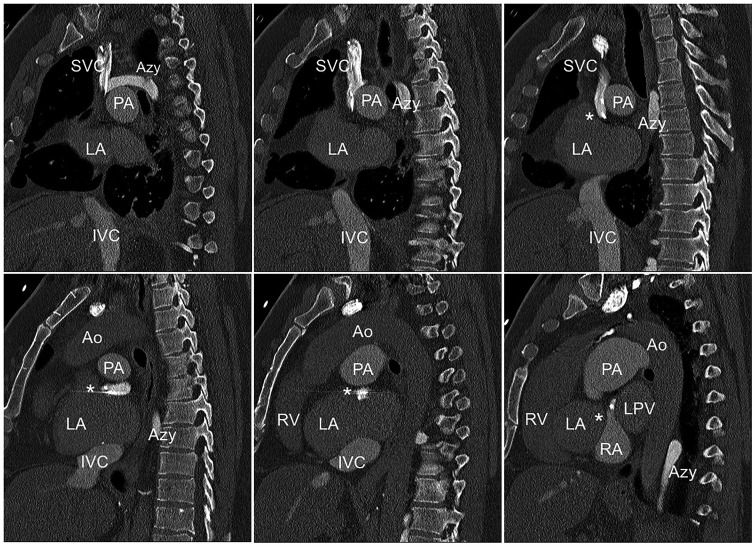
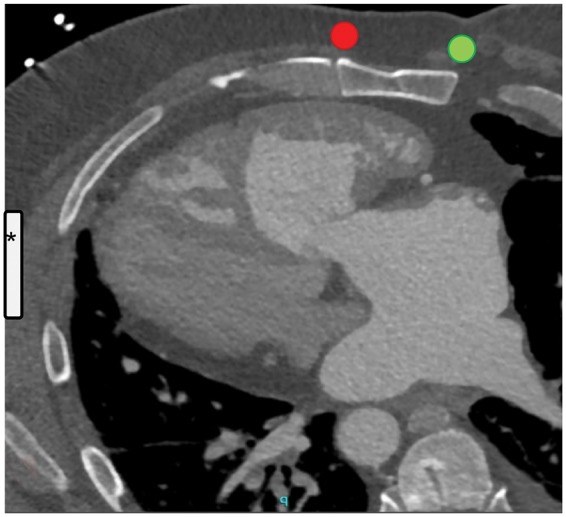
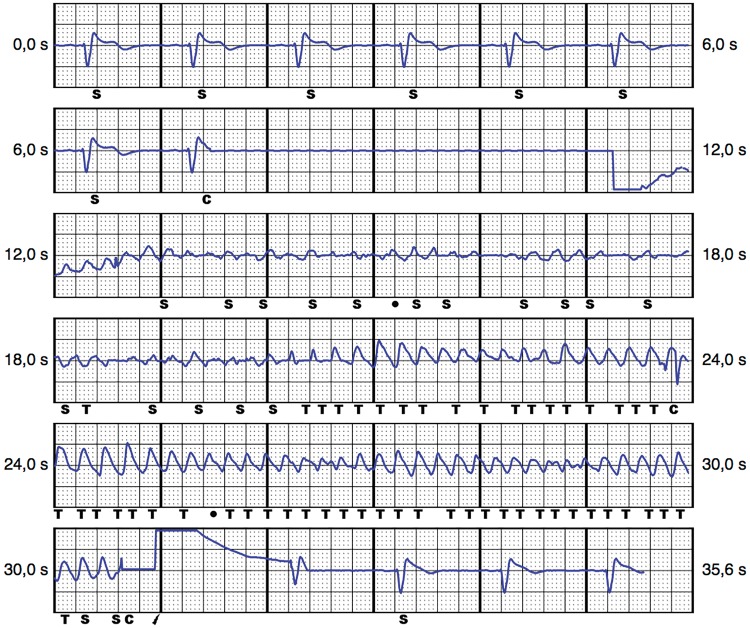
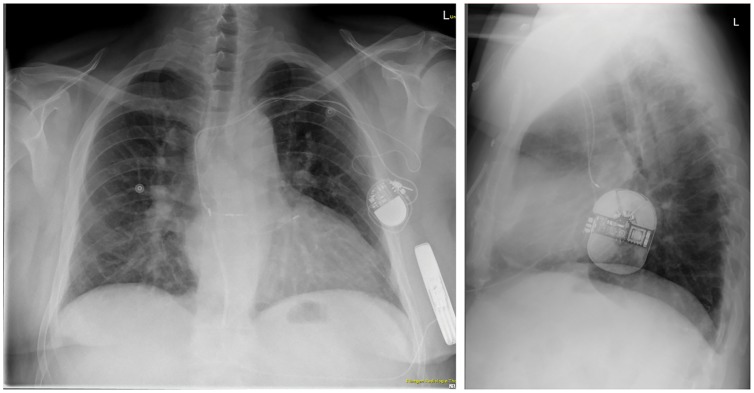
We report the case of a 45-year-old patient with congenital heart disease (CHD) who suffered a cardiac arrest from ventricular fibrillation and was subsequently implanted with a S-ICD. We describe the challenges of ICD therapy in patients after Mustard procedure for d-TGA, with the additional challenge of concomitant AAI pacemaker therapy. In this patient, we opted for the implantation of an S-ICD, and detail the necessary considerations and operative technique employed in this patient. A right parasternal electrode position was chosen and intraoperative shock testing was successful.
Patients after atrial switch surgery for d-TGA and ACA require careful consideration of the appropriate type of ICD therapy. Subcutaneous ICD implantation with right parasternal electrode position may be a viable option in these patients.
对于发生过心脏骤停(ACA)的结构性心脏病患者,可采用植入式心脏复律除颤器(ICD)治疗。在大动脉转位(d-TGA,Mustard修补术)心房修复术后的患者中,术中皮下ICD(S-ICD)电击测试失败的风险似乎更高。
我们报告了一例45岁先天性心脏病(CHD)患者,该患者因室颤发生心脏骤停,随后植入了S-ICD。我们描述了d-TGA患者Mustard手术后ICD治疗的挑战,以及同时进行AAI起搏器治疗带来的额外挑战。在该患者中,我们选择植入S-ICD,并详细介绍了该患者所需的考虑因素和手术技术。选择了右胸骨旁电极位置,术中电击测试成功。
d-TGA和ACA患者心房转位手术后,需要仔细考虑合适的ICD治疗类型。对于这些患者,采用右胸骨旁电极位置植入皮下ICD可能是一种可行的选择。