Wang Linda, Javadekar Neeraj, Rajagopalan Ananya, Rogovoy Nichole M, Haq Kazi T, Broberg Craig S, Tereshchenko Larisa G
Oregon Health & Science University, Knight Cardiovascular Institute, Portland, Oregon.
Oregon Health & Science University, Knight Cardiovascular Institute, Portland, Oregon.
Heart Rhythm. 2020 May;17(5 Pt B):860-869. doi: 10.1016/j.hrthm.2020.01.016.
Adult congenital heart disease (ACHD) patients can benefit from a subcutaneous implantable cardioverter-defibrillator (S-ICD).
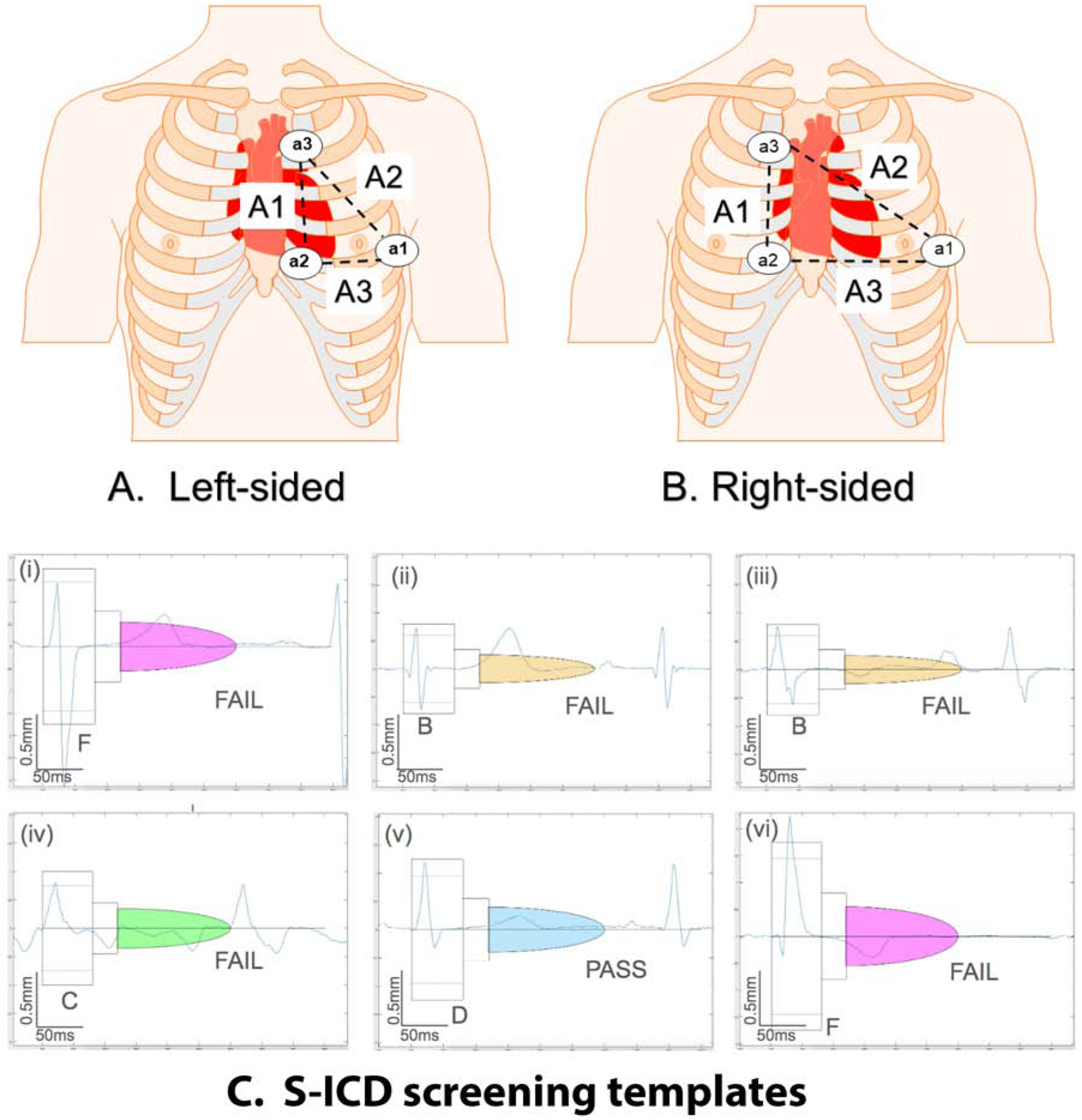
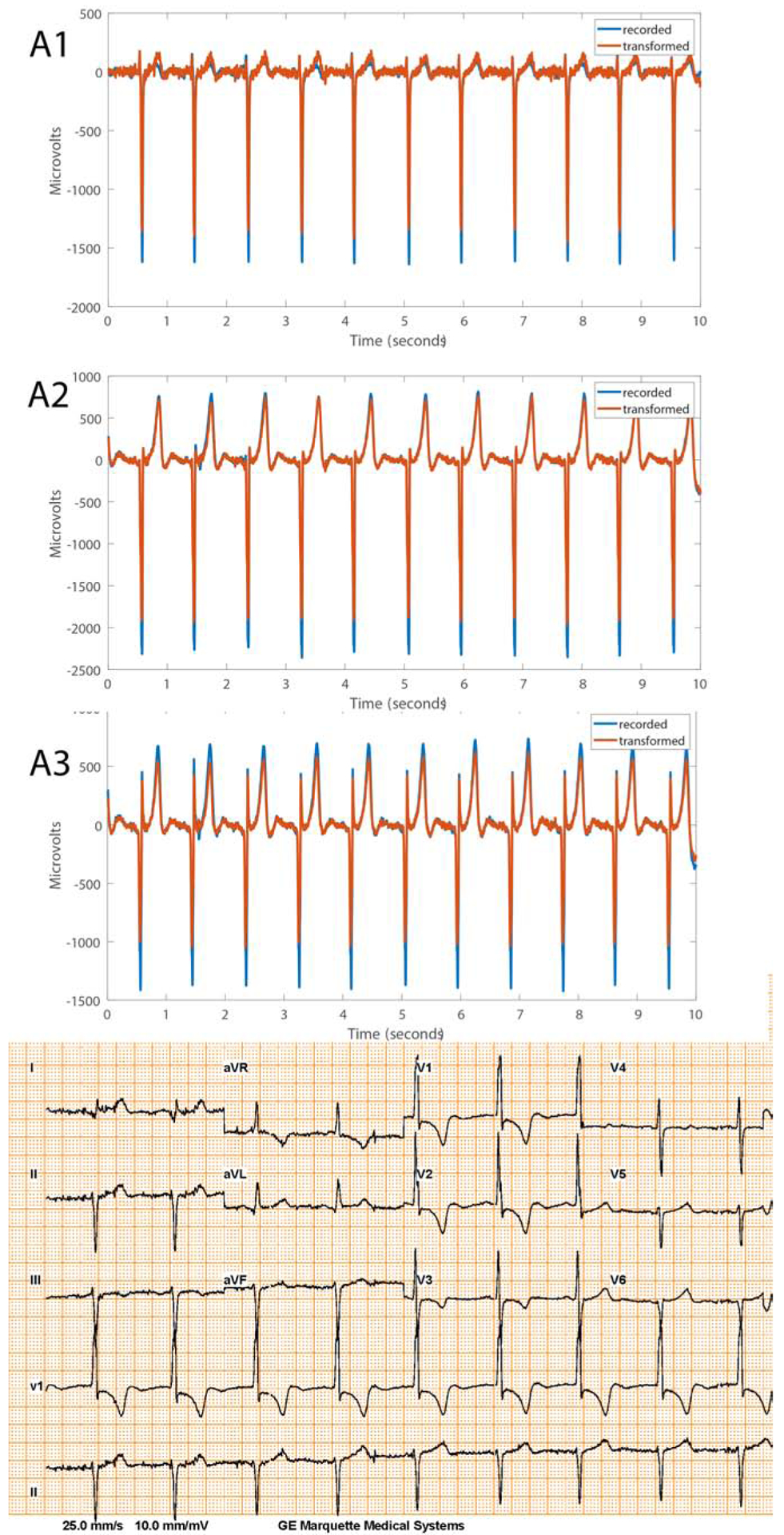
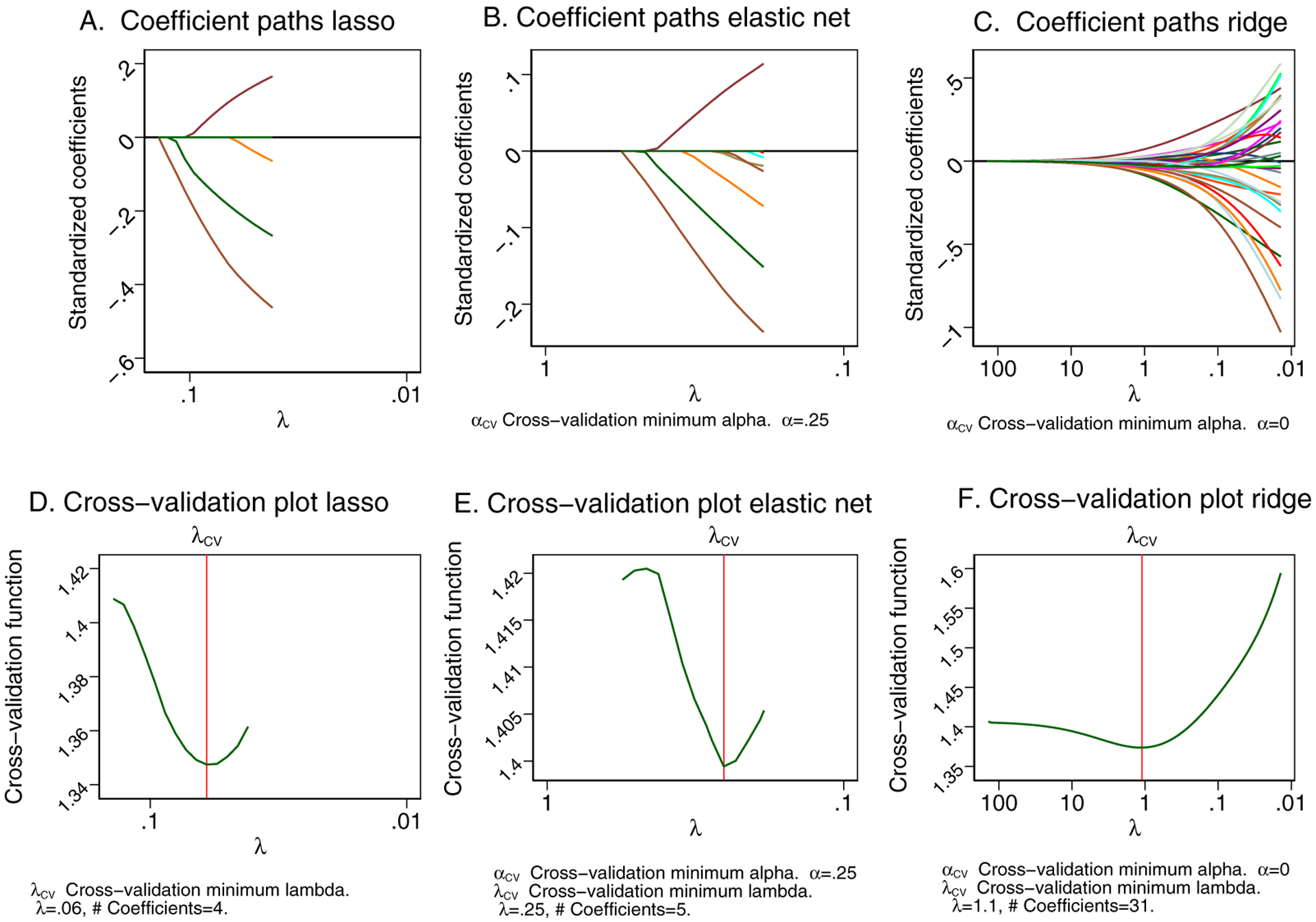
The purpose of this study was to assess left- and right-sided S-ICD eligibility in ACHD patients, use machine learning to predict S-ICD eligibility in ACHD patients, and transform 12-lead electrocardiogram (ECG) to S-ICD 3-lead ECG, and vice versa.
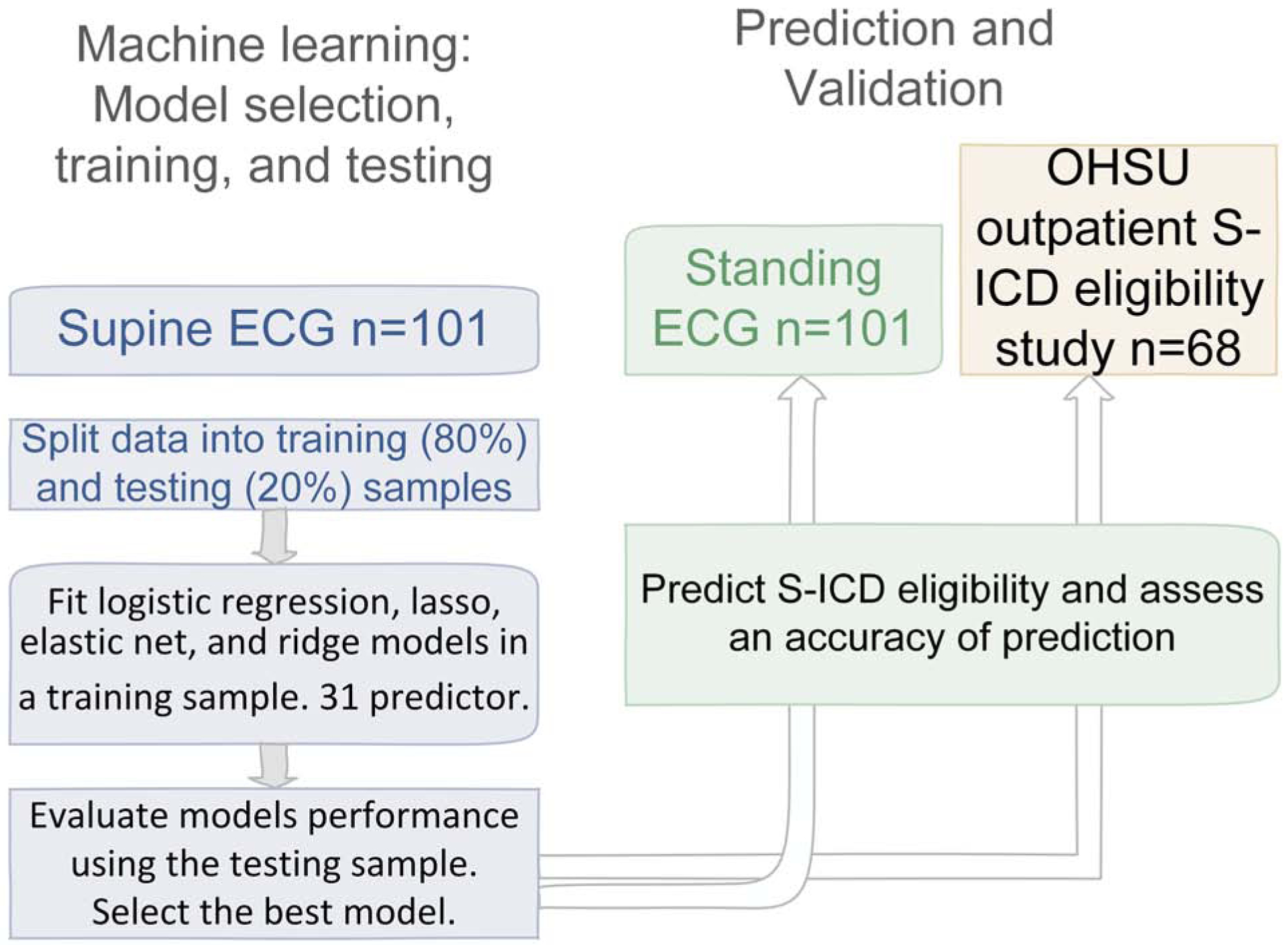
ACHD outpatients (n = 101; age 42 ± 14 years; 52% female; 85% white; left ventricular ejection fraction [LVEF] 56% ± 9%) were enrolled in a prospective study. Supine and standing 12-lead ECG were recorded simultaneously with a right- and left-sided S-ICD 3-lead ECG. Peak-to-peak QRS and T amplitudes; RR, PR, QT, QTc, and QRS intervals; Tmax, and R/Tmax (31 predictor variables) were tested. Model selection, training, and testing were performed using supine ECG datasets. Validation was performed using standing ECG datasets and an out-of-sample non-ACHD population (n = 68; age 54 ± 16 years; 54% female; 94% white; LVEF 61% ± 8%).
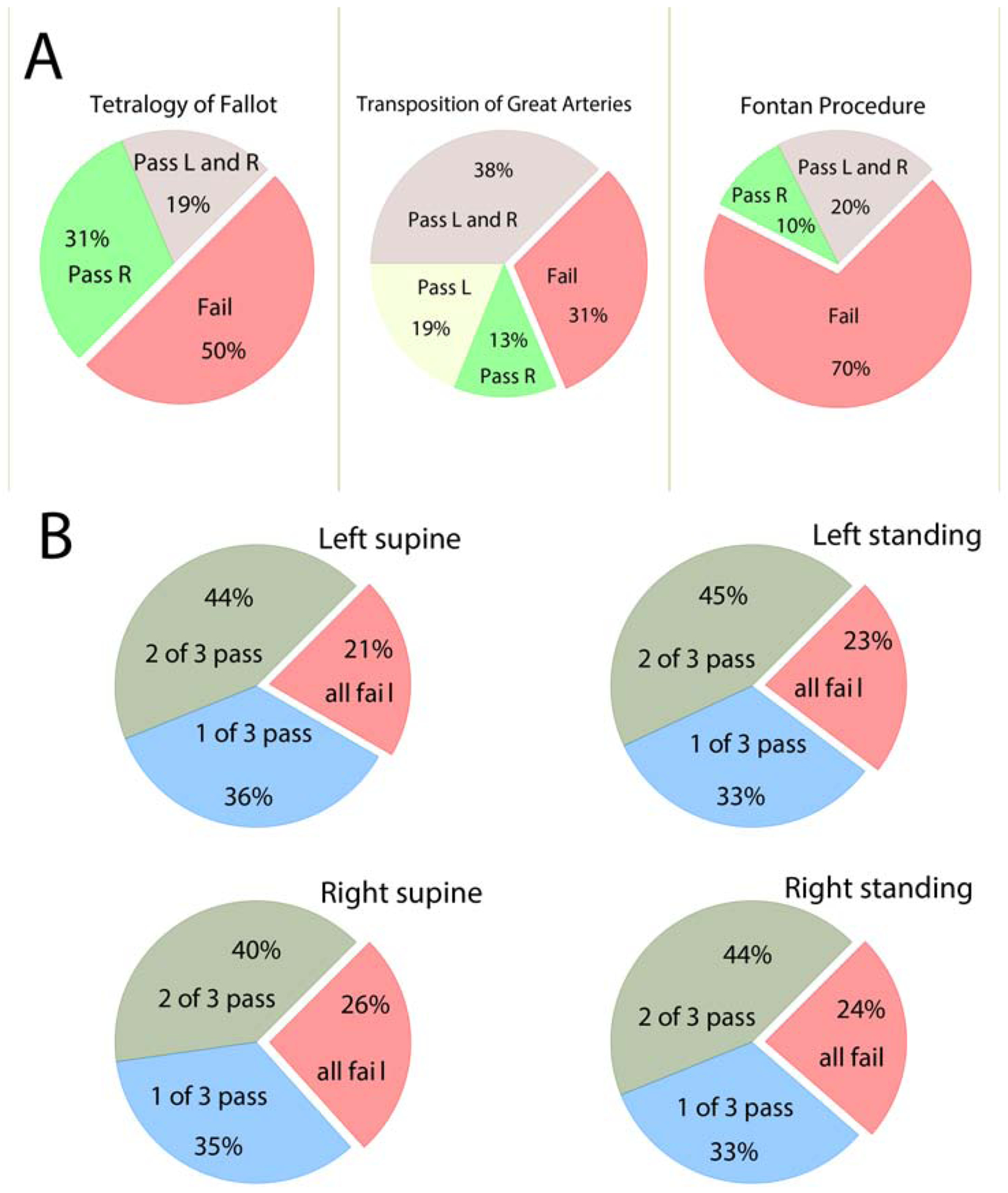
Forty percent of participants were ineligible for S-ICD. Tetralogy of Fallot patients passed right-sided screening (57%) more often than left-sided screening (21%; McNemar χP = .025). Female participants had greater odds of eligibility (adjusted odds ratio [OR] 5.9; 95% confidence interval [CI] 1.6-21.7; P = .008). Validation of the ridge models was satisfactory for standing left-sided (receiver operating characteristic area under the curve [ROC AUC] 0.687; 95% CI 0.582-0.791) and right-sided (ROC AUC 0.655; 95% CI 0.549-0.762) S-ICD eligibility prediction. Validation of transformation matrices showed satisfactory agreement (<0.1 mV difference).
Nearly half of the contemporary ACHD population is ineligible for S-ICD. The odds of S-ICD eligibility are greater for female than for male ACHD patients. Machine learning prediction of S-ICD eligibility can be used for screening of S-ICD candidates.
成人先天性心脏病(ACHD)患者可受益于皮下植入式心律转复除颤器(S-ICD)。
本研究旨在评估ACHD患者植入左侧和右侧S-ICD的适用性,利用机器学习预测ACHD患者植入S-ICD的适用性,并将12导联心电图(ECG)转换为S-ICD 3导联心电图,反之亦然。
对ACHD门诊患者(n = 101;年龄42±14岁;52%为女性;85%为白人;左心室射血分数[LVEF]56%±9%)进行一项前瞻性研究。同时记录仰卧位和站立位12导联心电图以及右侧和左侧S-ICD 3导联心电图。测试了峰峰值QRS和T波振幅;RR、PR、QT、QTc和QRS间期;Tmax以及R/Tmax(31个预测变量)。使用仰卧位ECG数据集进行模型选择、训练和测试。使用站立位ECG数据集和样本外非ACHD人群(n = 68;年龄54±16岁;54%为女性;94%为白人;LVEF 61%±8%)进行验证。
40%的参与者不符合植入S-ICD的条件。法洛四联症患者通过右侧筛查(57%)的比例高于左侧筛查(21%;McNemar χP = 0.025)。女性参与者符合条件的几率更高(调整后的优势比[OR]为5.9;95%置信区间[CI]为1.6 - 21.7;P = 0.008)。对于站立位左侧(曲线下面积[ROC AUC]为0.687;95% CI为0.582 - 0.791)和右侧(ROC AUC为0.655;95% CI为0.549 - 0.762)S-ICD适用性预测,岭模型的验证结果令人满意。转换矩阵的验证显示出令人满意的一致性(差异<0.1 mV)。
当代ACHD人群中近一半不符合植入S-ICD的条件。女性ACHD患者植入S-ICD符合条件的几率高于男性。机器学习对S-ICD适用性的预测可用于筛选S-ICD候选者。