Care and Public Health Research Institute, Maastricht University, Maastricht, The Netherlands.
Department of Graduate Education and Research, Canadian Memorial Chiropractic College, Toronto, Ontario, Canada.
PM R. 2019 Nov;11(11):1228-1239. doi: 10.1002/pmrj.12173. Epub 2019 Jun 12.
To summarize the literature that has examined the association between a motor vehicle collision (MVC) related neck injury and future neck pain (NP) in comparison with the population that has not been exposed to neck injury from an MVC.
Neck injury resulting from an MVC is associated with a high rate of chronicity. Prognosis studies indicate 50% of injured people continue to experience NP a year after the collision. This is difficult to interpret due to the high prevalence of NP in the general population.
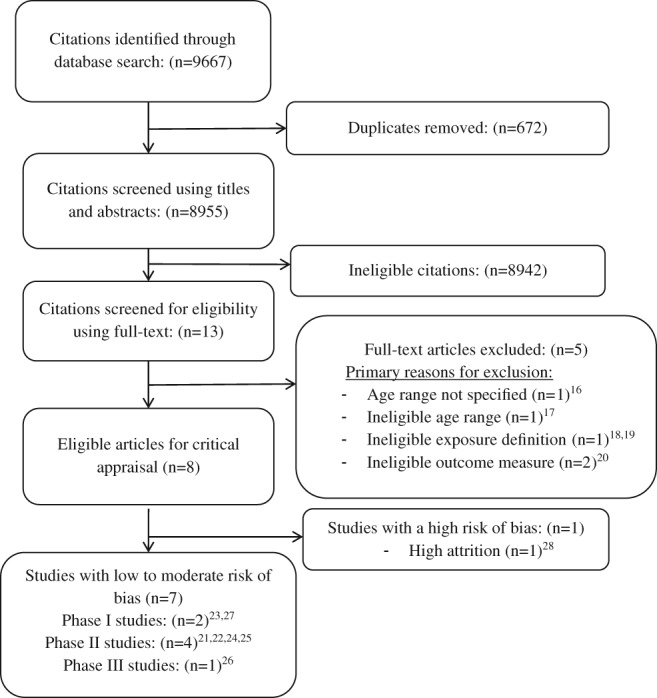
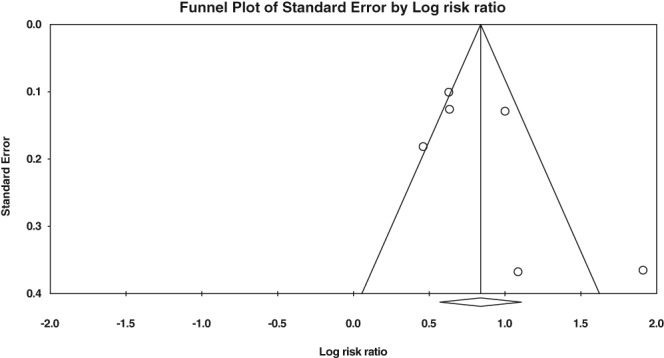
We performed a systematic review of the literature using five electronic databases, searching for risk studies on exposure to an MVC and future NP published from 1998 to 2018. The outcome of interest was future NP. Eligible risk studies were critically appraised using the modified Quality in Prognosis Studies (QUIPS) instrument. The results were summarized using best-evidence synthesis principles, a random effects meta-analysis, metaregression, and testing for publication bias was performed with the pooled data.
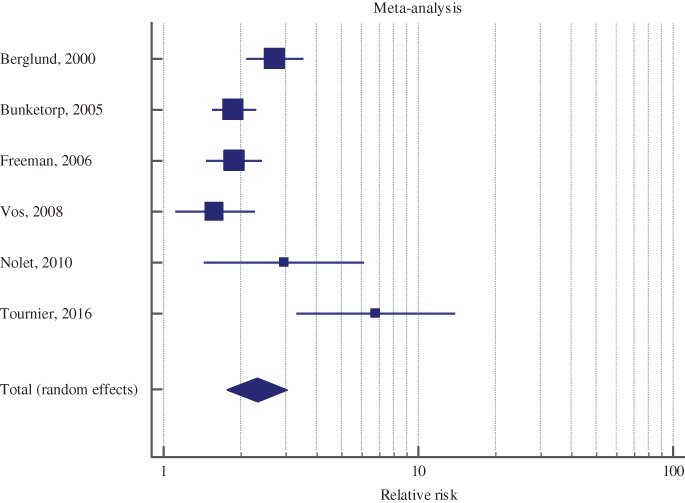
Eight articles were identified of which seven were of lower risk of bias. Six studies reported a positive association between a neck injury in an MVC and future NP compared to those without a neck injury in an MVC. Pooled analysis of the six studies indicated an unadjusted relative risk of future NP in the MVC exposed population with neck injury of 2.3 (95% CI [1.8, 3.1]), which equates to a 57% attributable risk under the exposed. In two studies where exposed participants were either not injured or injury status was unknown, there was no increased risk of future NP.
There was a consistent positive association among studies that have examined the association between MVC-related neck injury and future NP. These findings are of potential interest to clinicians, insurers, patients, governmental agencies, and the courts.
I.
总结文献中有关机动车碰撞(MVC)相关颈部损伤与未来颈部疼痛(NP)之间的关联,与未暴露于 MVC 颈部损伤的人群进行比较。
MVC 引起的颈部损伤与慢性率高有关。预后研究表明,50%的受伤者在碰撞后一年仍会经历 NP。由于 NP 在普通人群中的高患病率,这很难解释。
我们使用五个电子数据库对文献进行了系统综述,检索了 1998 年至 2018 年发表的关于暴露于 MVC 和未来 NP 的风险研究。感兴趣的结果是未来的 NP。使用改良的预后研究质量(QUIPS)工具对合格的风险研究进行了批判性评估。结果采用最佳证据综合原则、随机效应荟萃分析、荟萃回归进行总结,并对汇总数据进行了发表偏倚检验。
确定了 8 篇文章,其中 7 篇为低偏倚风险。六项研究报告称,与 MVC 中无颈部损伤的人相比,MVC 中的颈部损伤与未来 NP 之间存在正相关。六项研究的汇总分析表明,MVC 暴露人群中颈部损伤的未来 NP 的未调整相对风险为 2.3(95%CI[1.8,3.1]),这相当于暴露人群中 57%的归因风险。在两项研究中,暴露组要么没有受伤,要么受伤情况未知,未来 NP 的风险没有增加。
检查 MVC 相关颈部损伤与未来 NP 之间关联的研究之间存在一致的正相关。这些发现可能引起临床医生、保险公司、患者、政府机构和法院的兴趣。
I。