Department of Basic Medical Sciences, University of Arizona, College of Medicine, Phoenix, AZ.
Mel & Enid Zuckerman College of Public Health, University of Arizona, Tucson, AZ.
Neoplasia. 2019 Jun;21(6):516-532. doi: 10.1016/j.neo.2019.02.004. Epub 2019 Apr 25.
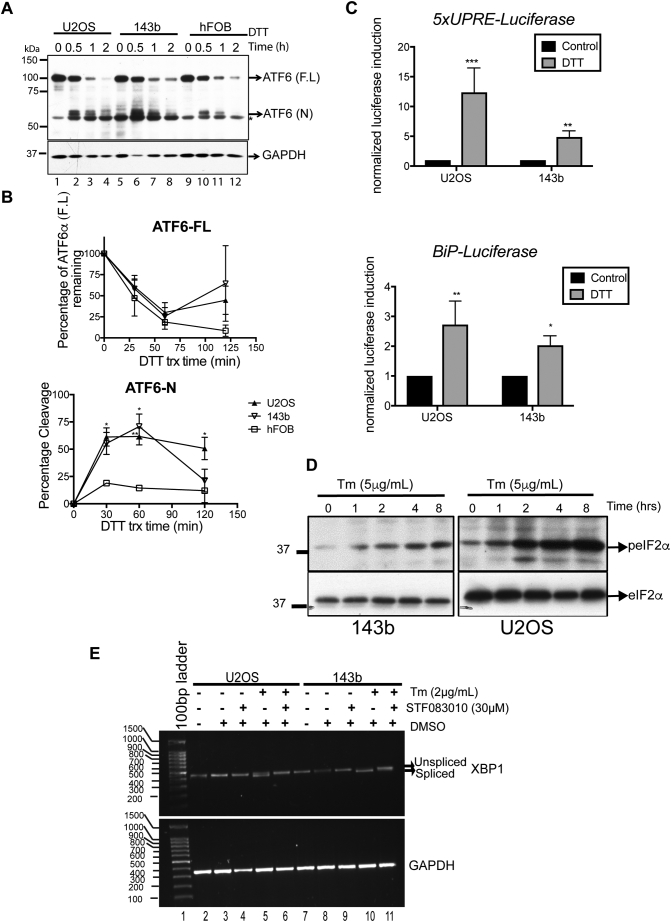
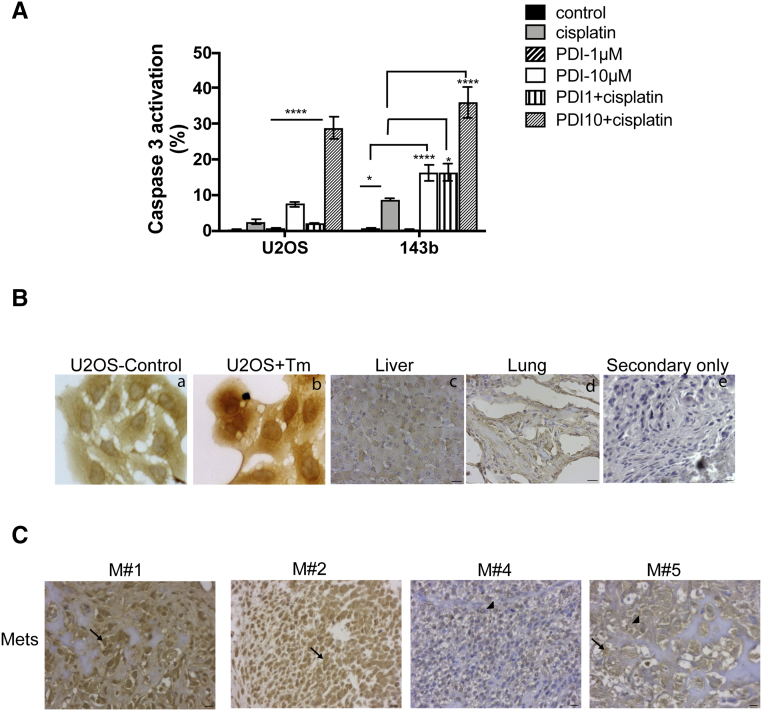
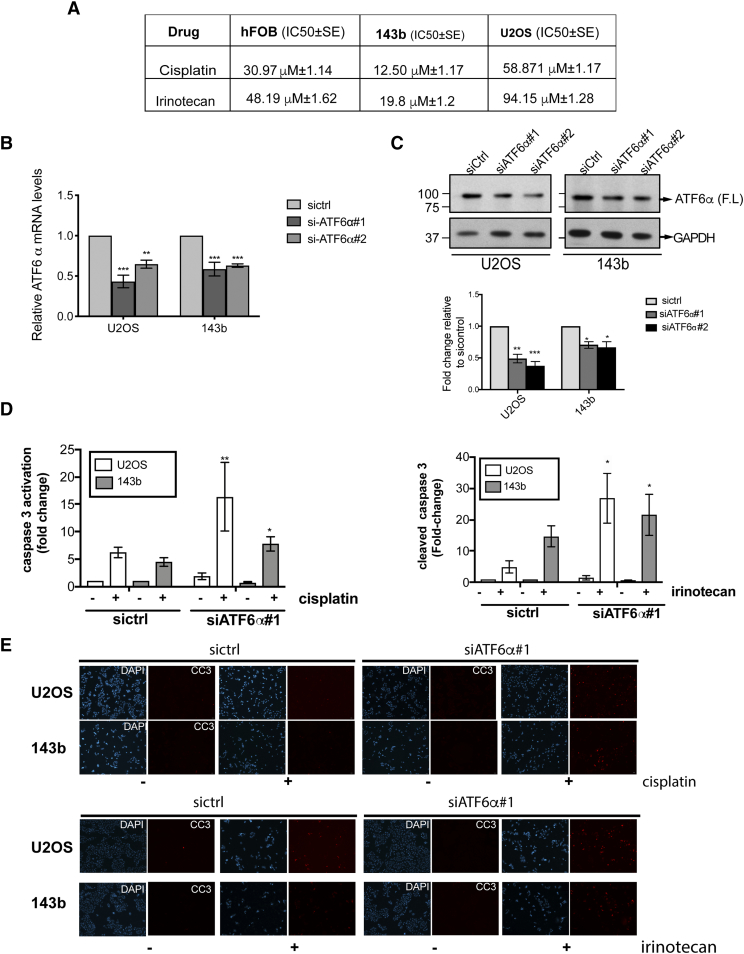
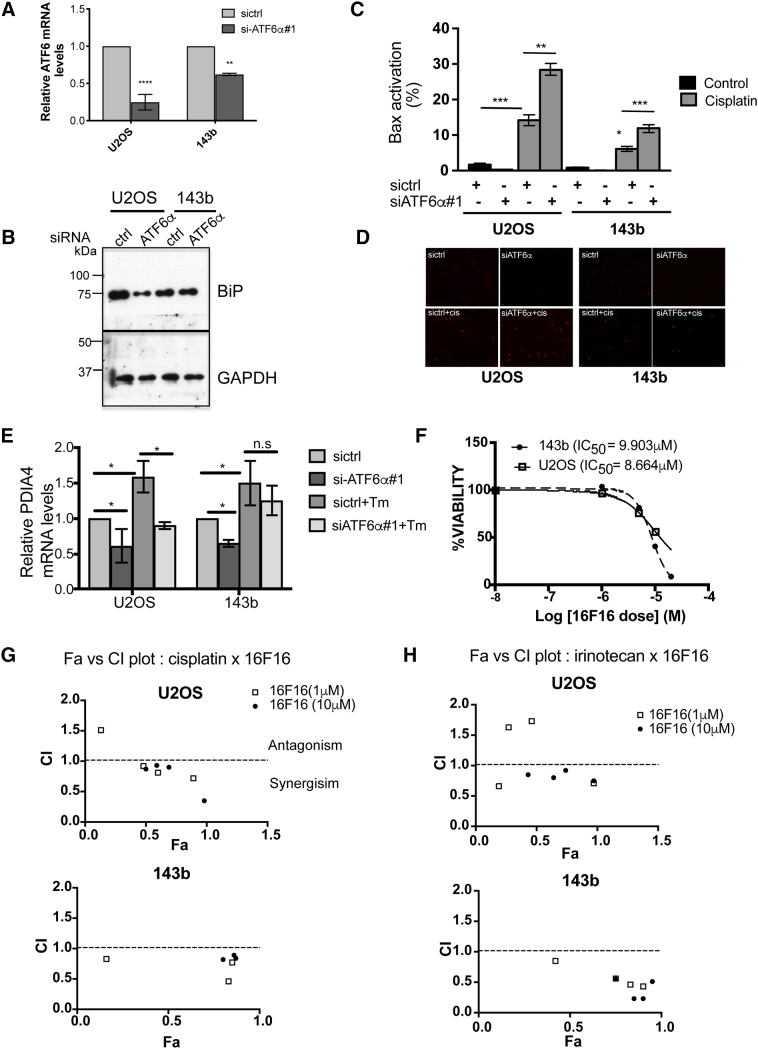
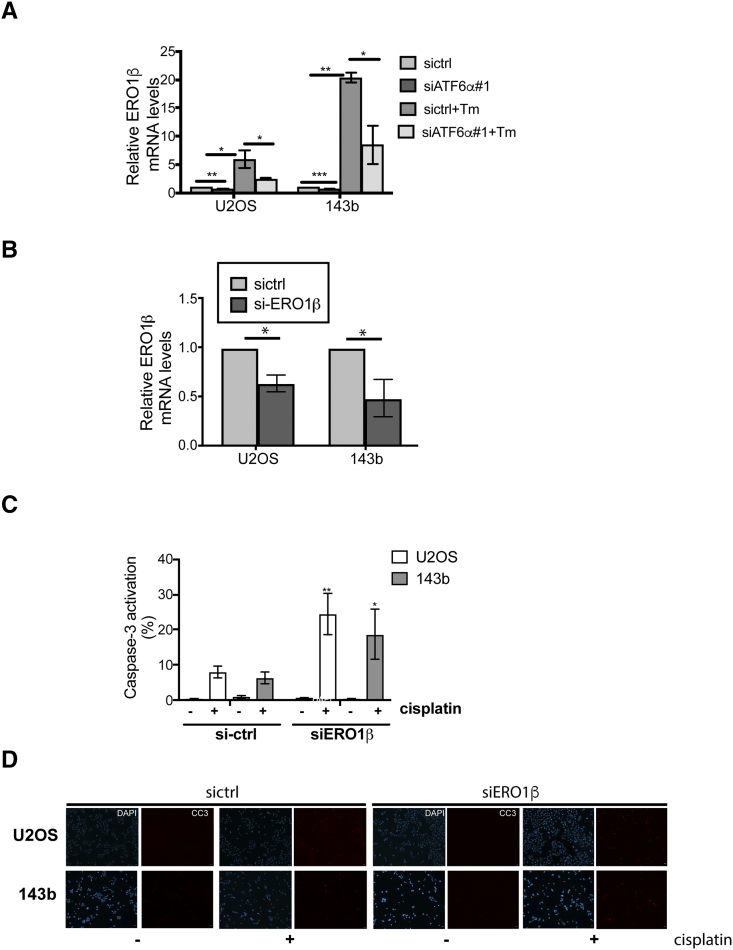
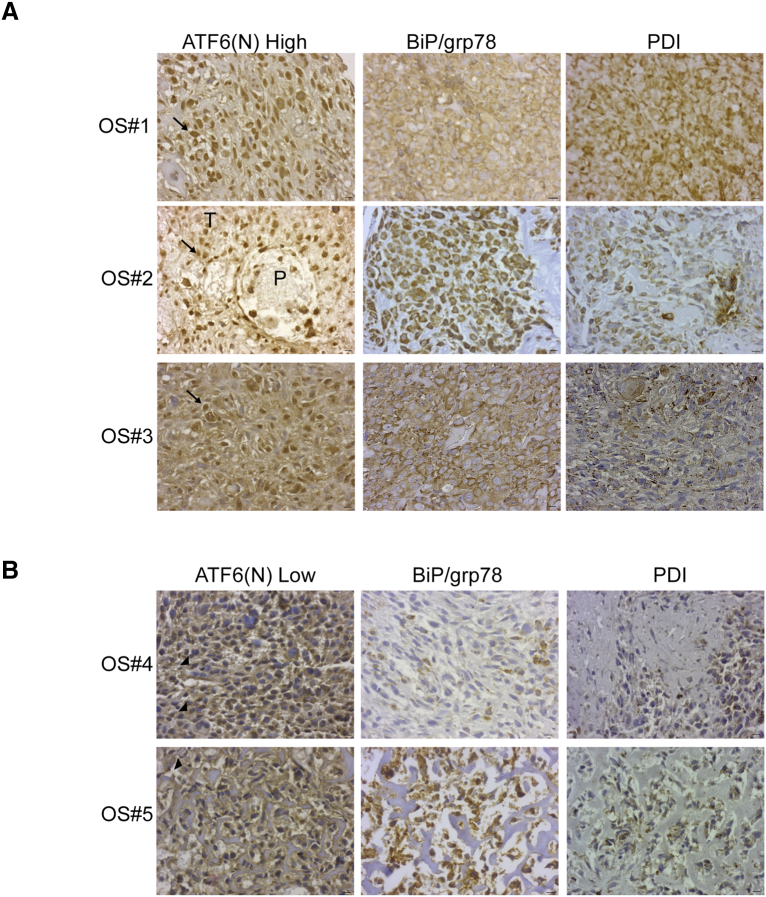
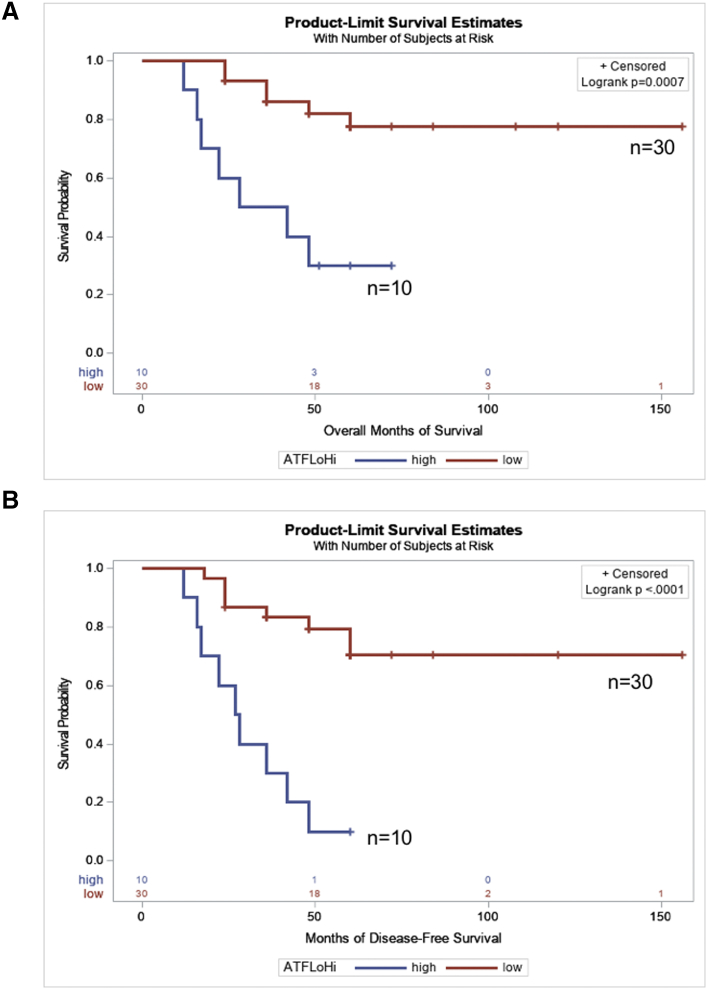
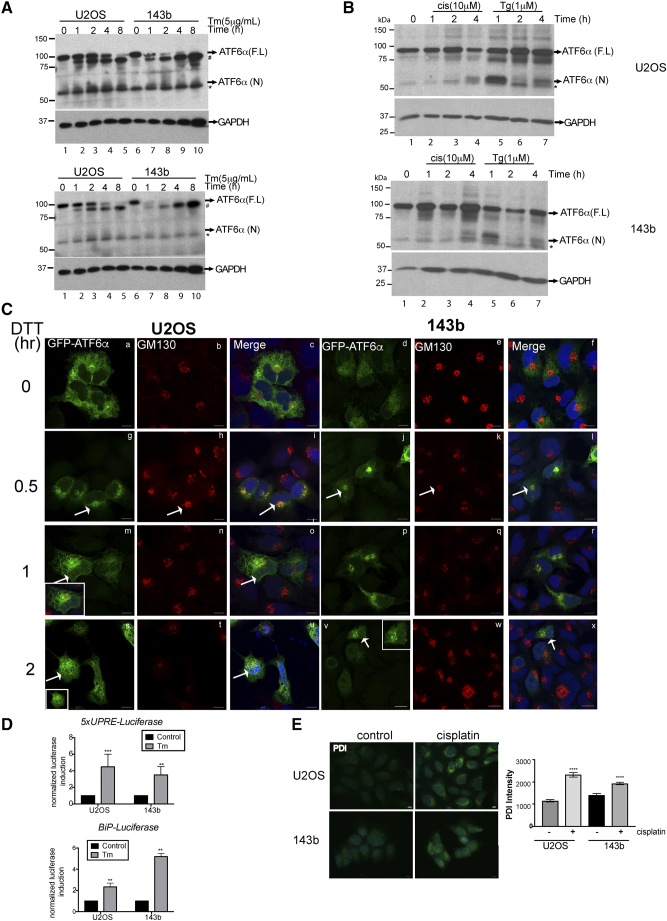
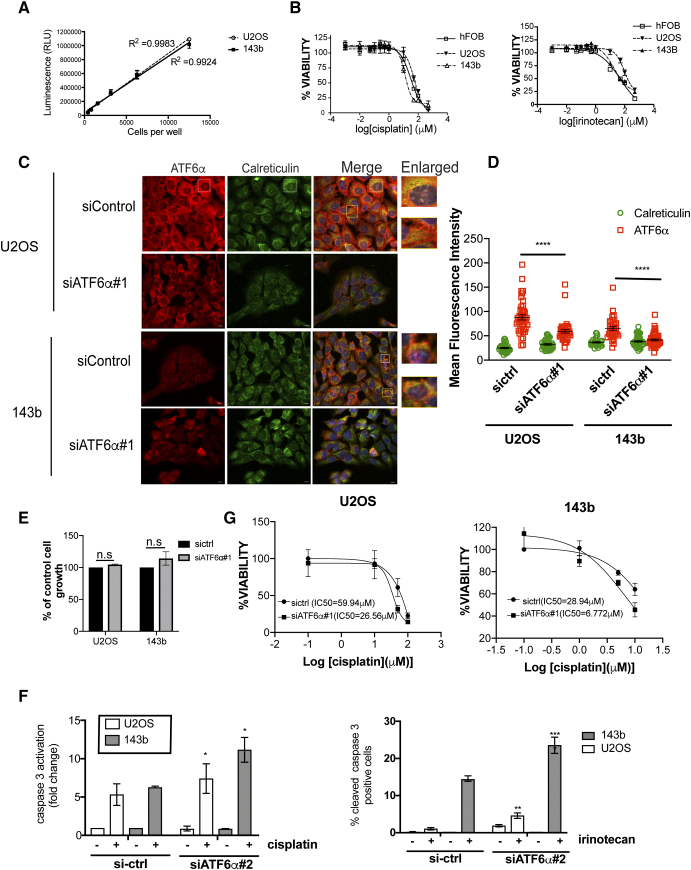
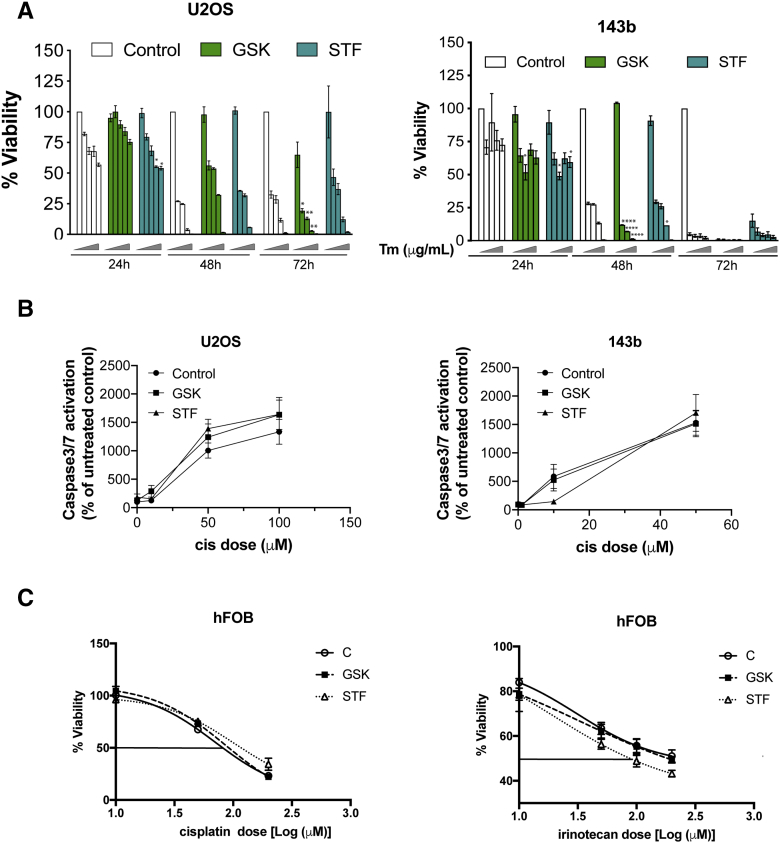
Patients with metastatic or relapsed/refractory osteosarcoma (OS) have a 5-year survival rate of <30%. This has remained unchanged over several decades. One of the factors contributing to lack of improvement in survival is the development of chemoresistance. Hence, elucidating and targeting the mechanisms that promote survival against chemotherapy and lead to chemoresistance is pivotal to improving outcomes for these patients. We identified that endoplasmic reticulum (ER) stress-activated transcription factor, ATF6α, is essential for the survival of OS cells against chemotherapy induced cell death. ATF6α cleavage and activity were enhanced in OS cells compared to normal osteoblasts and knockdown of ATF6α expression enhanced sensitivity of OS cells against chemotherapy induced cell death. This was in part due to increased Bax activation. Pharmacologic inhibition or knock-down of downstream targets of ATF6α, protein disulfide isomerases (PDI) and ERO1β, a thiol oxidase that is involved in the re-oxidation of PDIs also independently induced pronounced killing of OS cells following chemotherapy. Analysis of primary tumors from OS patients reveals that patients with high levels of nuclear ATF6α: (1) also had increased expression of its downstream targets the chaperone BiP and enzyme PDI, (2) had a significant likelihood of developing metastasis at diagnosis, (3) had significantly poorer overall and progression free survival, and (4) had poorer response to chemotherapy. These findings suggest that targeting survival signaling by the ATF6α pathway in OS cells may favor eradication of refractory OS tumor cells and ATF6α could be a useful predictor for chemo-responsiveness and prognosis.
患有转移性或复发性/难治性骨肉瘤 (OS) 的患者 5 年生存率<30%。几十年来,这一数据一直没有改变。导致生存率没有提高的原因之一是化疗耐药的发展。因此,阐明和靶向促进化疗生存并导致化疗耐药的机制对于改善这些患者的预后至关重要。我们发现,内质网 (ER) 应激激活的转录因子 ATF6α 对于 OS 细胞对抗化疗诱导的细胞死亡的存活至关重要。与正常成骨细胞相比,OS 细胞中的 ATF6α 切割和活性增强,并且 ATF6α 表达的敲低增强了 OS 细胞对化疗诱导的细胞死亡的敏感性。部分原因是 Bax 激活增加。ATF6α 的下游靶标,蛋白二硫键异构酶 (PDI) 和 ERO1β 的药理学抑制或敲低,后者是一种参与 PDIs 重新氧化的硫醇氧化酶,也可独立诱导化疗后 OS 细胞的显著杀伤。对骨肉瘤患者的原发性肿瘤进行分析表明,细胞核 ATF6α 水平高的患者:(1) 其下游靶标伴侣蛋白 BiP 和酶 PDI 的表达也增加,(2) 在诊断时发生转移的可能性显著增加,(3) 总体生存率和无进展生存率显著降低,以及 (4) 对化疗的反应较差。这些发现表明,靶向 OS 细胞中的 ATF6α 通路的生存信号可能有利于消除耐药性 OS 肿瘤细胞,并且 ATF6α 可能是化疗反应性和预后的有用预测因子。