Department of Psychiatry and Biobehavioral Sciences, Semel Institute for Neuroscience and Human Behavior, David Geffen School of Medicine at the University of California, Los Angeles, California.
Department of Genetics, Stanford University School of Medicine, Stanford, California.
Glia. 2019 Aug;67(8):1571-1597. doi: 10.1002/glia.23630. Epub 2019 Apr 29.
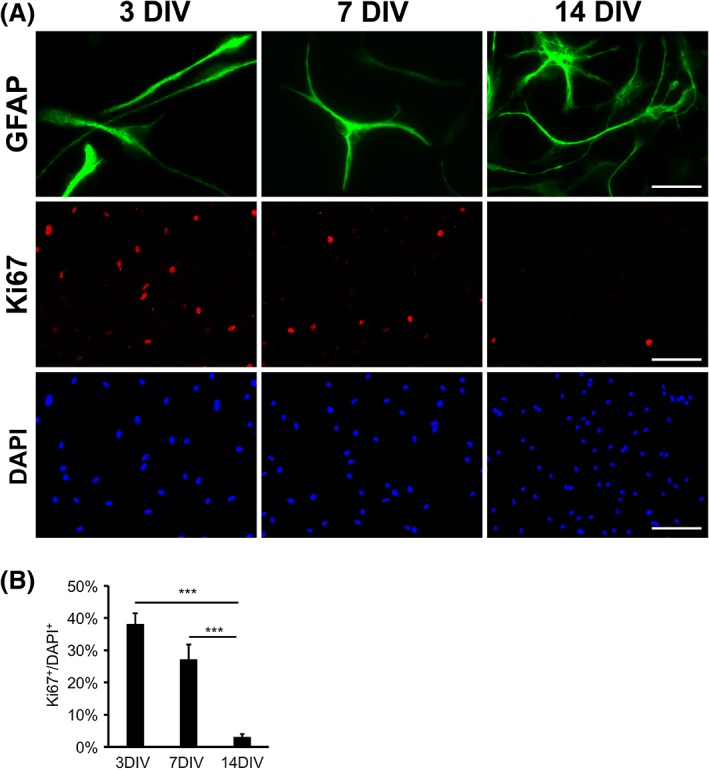
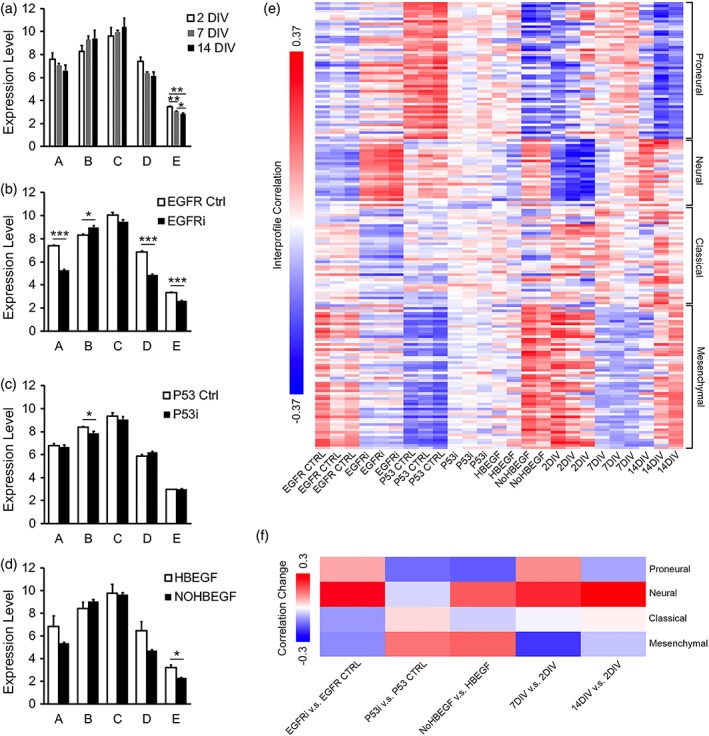
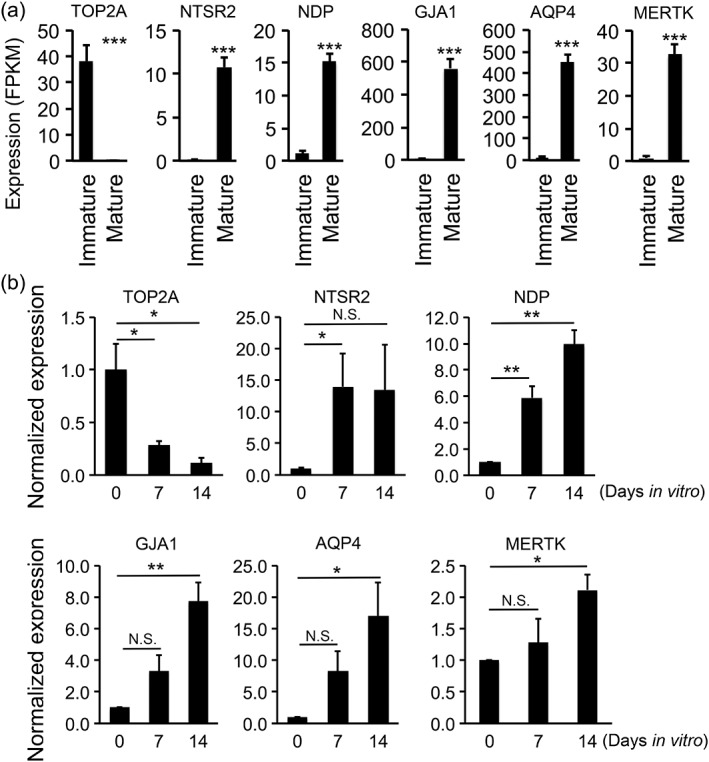
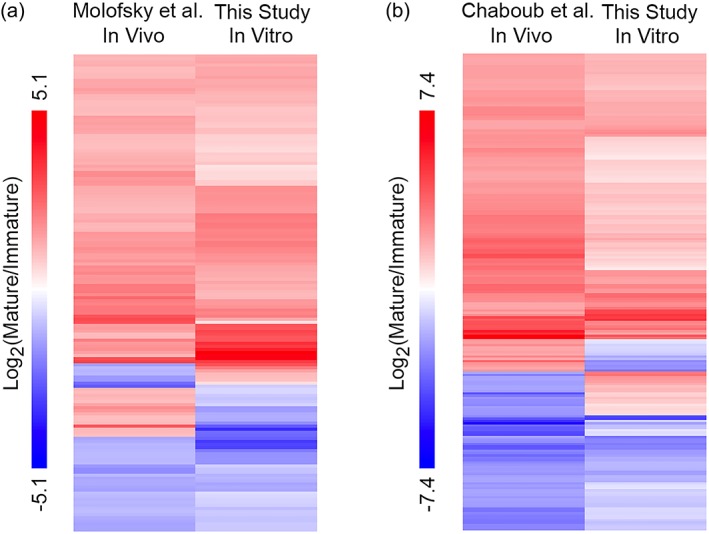
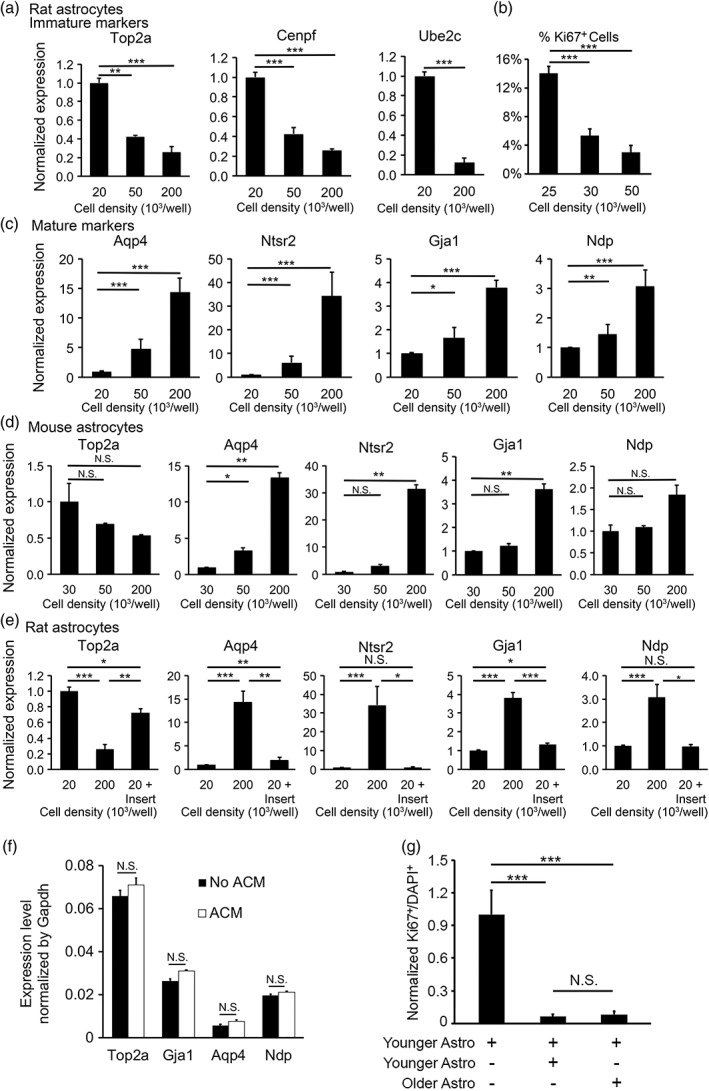
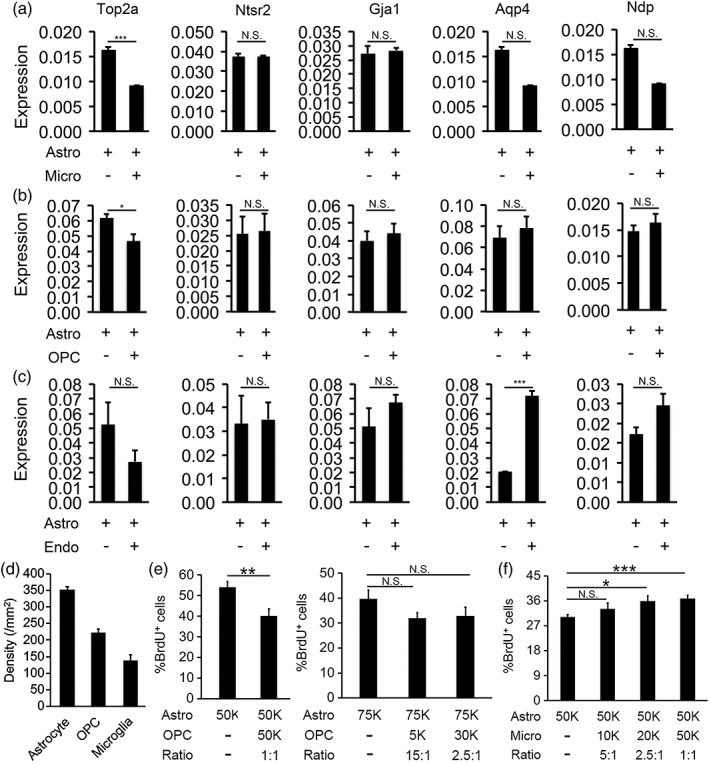
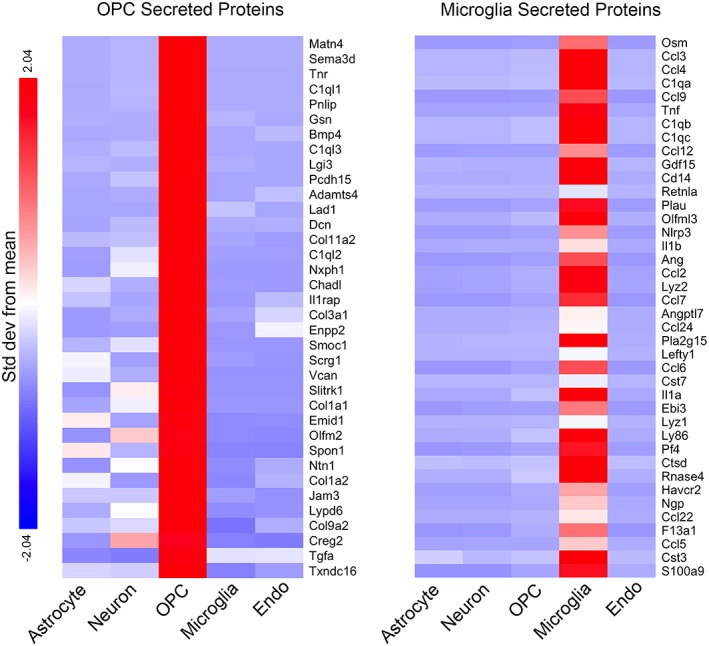
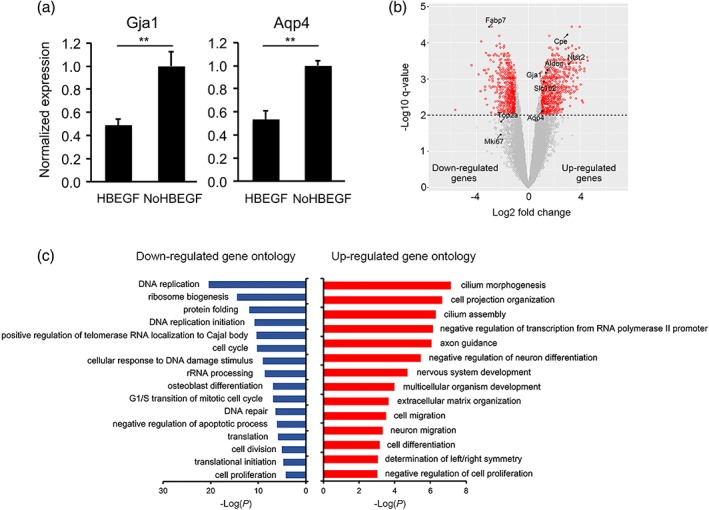
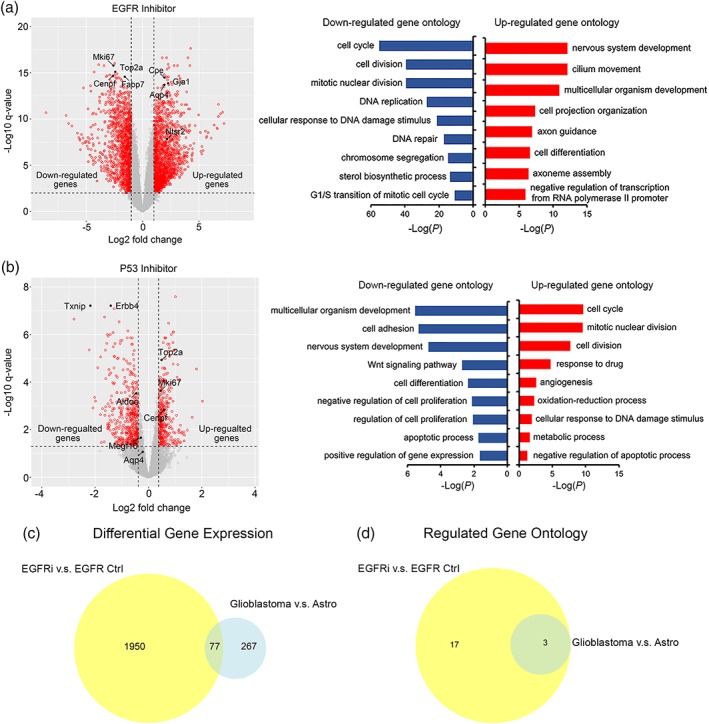
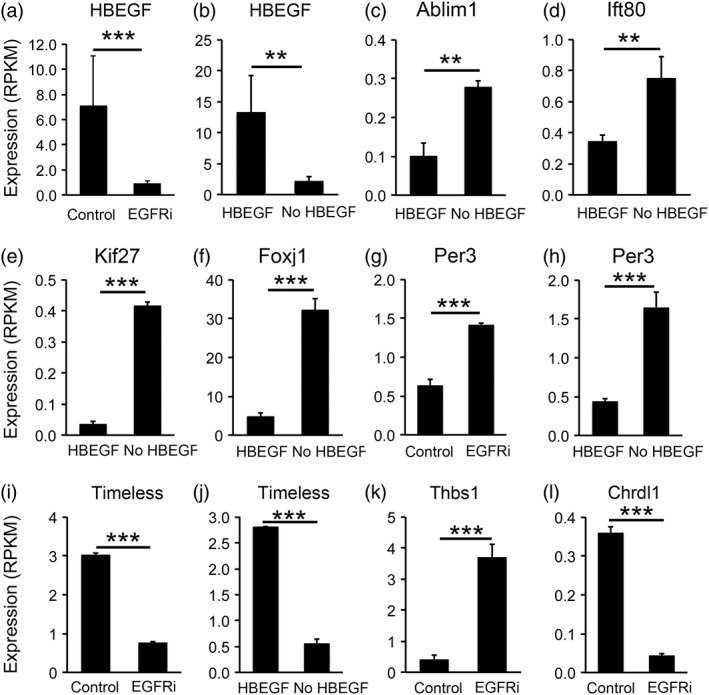
Astrocytes are critical for the development and function of the central nervous system. In developing brains, immature astrocytes undergo morphological, molecular, cellular, and functional changes as they mature. Although the mechanisms that regulate the maturation of other major cell types in the central nervous system such as neurons and oligodendrocytes have been extensively studied, little is known about the cellular and molecular mechanisms that control astrocyte maturation. Here, we identified molecular markers of astrocyte maturation and established an in vitro assay for studying the mechanisms of astrocyte maturation. Maturing astrocytes in vitro exhibit similar molecular changes and represent multiple molecular subtypes of astrocytes found in vivo. Using this system, we found that astrocyte-to-astrocyte contact strongly promotes astrocyte maturation. In addition, secreted signals from microglia, oligodendrocyte precursor cells, or endothelial cells affect a small subset of astrocyte genes but do not consistently change astrocyte maturation. To identify molecular mechanisms underlying astrocyte maturation, we treated maturing astrocytes with molecules that affect the function of tumor-associated genes. We found that a positive feedback loop of heparin-binding epidermal growth factor-like growth factor (HBEGF) and epidermal growth factor receptor (EGFR) signaling regulates astrocytes maturation. Furthermore, HBEGF, EGFR, and tumor protein 53 (TP53) affect the expression of genes important for cilium development, the circadian clock, and synapse function. These results revealed cellular and molecular mechanisms underlying astrocytes maturation with implications for the understanding of glioblastoma.
星形胶质细胞对于中枢神经系统的发育和功能至关重要。在发育中的大脑中,未成熟的星形胶质细胞在成熟过程中经历形态、分子、细胞和功能上的变化。尽管已经广泛研究了调节中枢神经系统中其他主要细胞类型(如神经元和少突胶质细胞)成熟的机制,但对于控制星形胶质细胞成熟的细胞和分子机制知之甚少。在这里,我们确定了星形胶质细胞成熟的分子标志物,并建立了体外研究星形胶质细胞成熟机制的测定方法。体外成熟的星形胶质细胞表现出相似的分子变化,并代表了体内发现的多种星形胶质细胞分子亚型。使用该系统,我们发现星形胶质细胞之间的接触强烈促进了星形胶质细胞的成熟。此外,来自小胶质细胞、少突胶质细胞前体细胞或内皮细胞的分泌信号影响一小部分星形胶质细胞基因,但不会一致改变星形胶质细胞的成熟。为了确定星形胶质细胞成熟的分子机制,我们用影响肿瘤相关基因功能的分子处理成熟的星形胶质细胞。我们发现肝素结合表皮生长因子样生长因子 (HBEGF) 和表皮生长因子受体 (EGFR) 信号的正反馈环调节星形胶质细胞的成熟。此外,HBEGF、EGFR 和肿瘤蛋白 53 (TP53) 影响与纤毛发育、生物钟和突触功能相关的基因的表达。这些结果揭示了星形胶质细胞成熟的细胞和分子机制,对理解神经胶质瘤具有重要意义。