Center of Experimental & Molecular Medicine, University of Amsterdam, Amsterdam, The Netherlands.
Department of Clinical Epidemiology, Biostatistics, and Bioinformatics, University of Amsterdam, Amsterdam, The Netherlands.
Stem Cells Transl Med. 2019 Aug;8(8):785-796. doi: 10.1002/sctm.18-0260. Epub 2019 Apr 29.
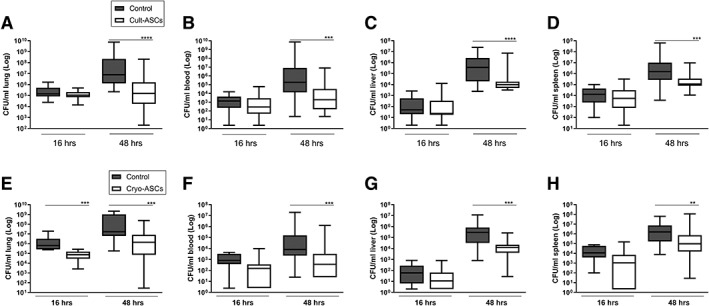
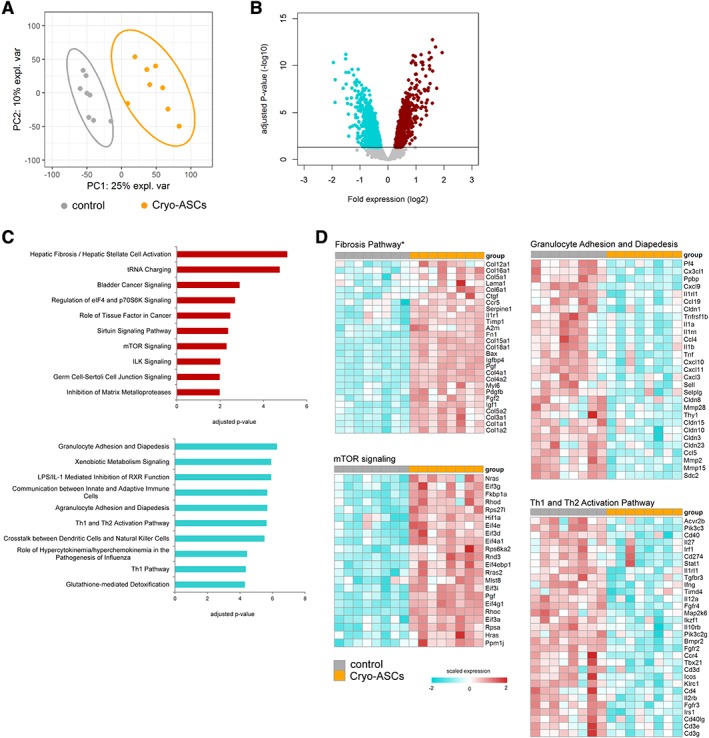
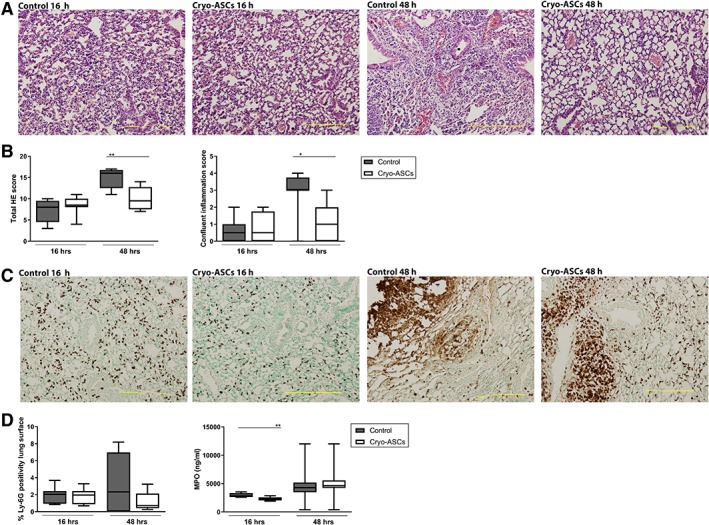
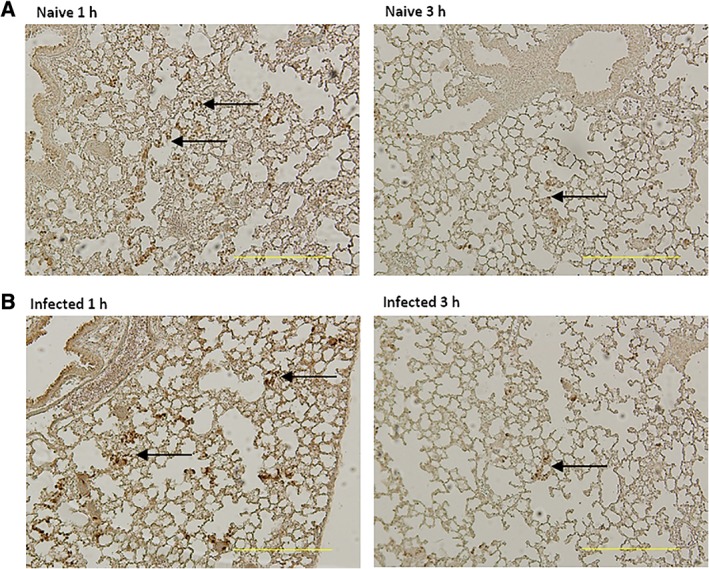
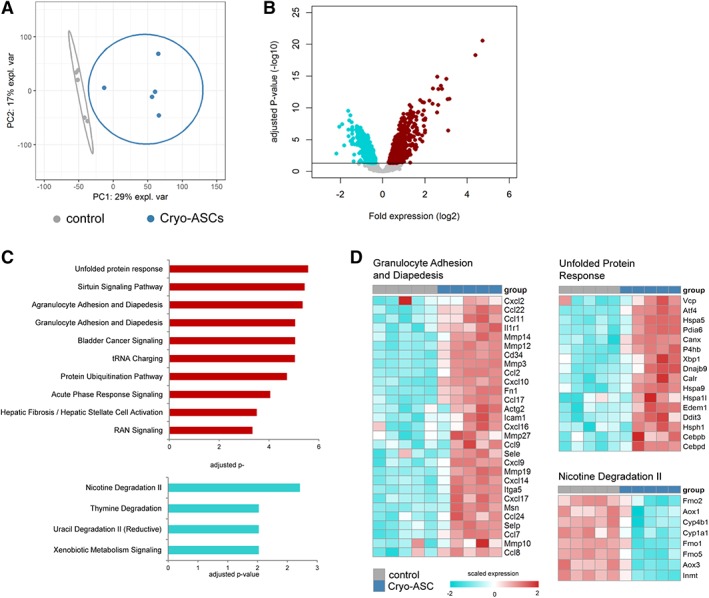
Adult mesenchymal stem cells exert immunomodulatory effects that might improve the host response during sepsis. Knowledge on the effect of adipose-derived mesenchymal stem cells (ASCs) in sepsis is limited. Klebsiella (K.) pneumoniae is a common cause of gram-negative pneumonia and sepsis. This study sought to determine the effect of human ASCs on the host response during pneumosepsis in mice. Mice were infected with K. pneumoniae via the airways to induce a gradually evolving infection in the lung culminating pneumosepsis. One or 6 hours after infection, mice were infused intravenously with ASCs or vehicle, and euthanized after 16 hours or 48 hours, respectively. The effects of freshly cultured and cryopreserved ASCs were compared, the latter formulation being more clinically relevant. Intravenously administered ASCs were visualized in lung tissue by immunostaining at 1 and 3 hours, but not at 15 hours after infusion. Although early after infection, ASCs did not or only modestly influence bacterial loads, they reduced bacterial burdens in lungs and distant organs at 48 hours. ASCs reduced the lung levels of pro-inflammatory cytokines and attenuated lung pathology, but did not influence distant organ injury. ASCs strongly modified the lung transcriptome in uninfected mice and especially mice with pneumosepsis. Cryopreserved and cultured ASCs induced largely similar effects on the lung transcriptome. These data indicate that human ASCs induce profound immune modulatory effects in the lungs, resulting in reduced bacterial burdens and lung inflammation during pneumosepsis caused by a common human pathogen, suggesting that ASCs may be an adjunctive therapeutic in this condition. Stem Cells Translational Medicine 2019;8:785&796.
成体间充质干细胞具有免疫调节作用,可能改善脓毒症宿主的反应。脂肪来源的间充质干细胞(ASCs)在脓毒症中的作用知之甚少。肺炎克雷伯菌(K. pneumoniae)是革兰氏阴性肺炎和脓毒症的常见原因。本研究旨在确定人 ASCs 对肺炎合并脓毒症小鼠宿主反应的影响。通过气道感染小鼠,使肺部逐渐发生感染,最终导致肺炎合并脓毒症。感染后 1 或 6 小时,小鼠静脉内输注 ASCs 或载体,分别于 16 小时或 48 小时处死。比较了新鲜培养和冷冻保存的 ASCs 的作用,后者的方案更符合临床实际。通过免疫染色,在感染后 1 和 3 小时可在肺组织中观察到静脉内给药的 ASCs,但在输注后 15 小时则不可见。尽管在感染早期,ASCs 并没有或仅轻微影响细菌负荷,但它们在 48 小时时降低了肺部和远处器官的细菌负荷。ASCs 降低了肺部促炎细胞因子的水平,减轻了肺部病理,但没有影响远处器官的损伤。ASCs 强烈地改变了未感染小鼠和特别是肺炎合并脓毒症小鼠的肺部转录组。冷冻保存和培养的 ASCs 对肺部转录组的影响基本相似。这些数据表明,人 ASCs 在肺部诱导强烈的免疫调节作用,导致常见人类病原体引起的肺炎合并脓毒症时细菌负荷和肺部炎症减少,提示 ASCs 可能是这种情况下的辅助治疗方法。《干细胞转化医学》2019;8:785&796.