Laboratory of Neurological, Department of Neurology, The affiliated Changzhou No.2 People's Hospital of Nanjing Medical University, Changzhou, China.
Department of Neurology, Integrated Hospital of Traditional Chinese Medicine, Southern Medical University, Guangzhou, China.
Brain Behav. 2019 Jun;9(6):e01305. doi: 10.1002/brb3.1305. Epub 2019 Apr 29.
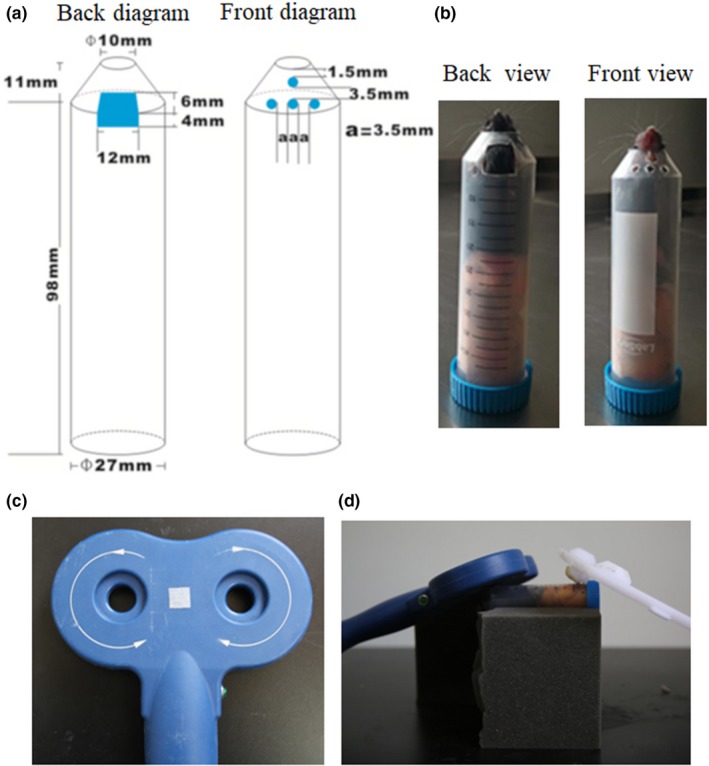
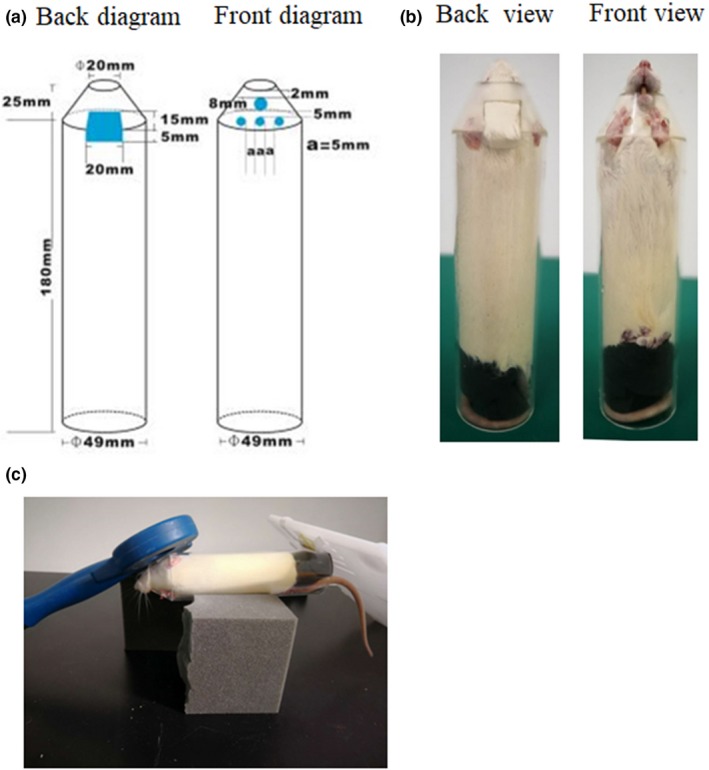
Repetitive transcranial magnetic stimulation has been widely used for the treatment of neurological and psychiatric diseases. Rodent animals including mice and rats are often used to investigate the potential cellular and molecular mechanisms for the therapeutic effects of repetitive transcranial magnetic stimulation. So far there is no report about an easy-to-use device to restrain rodent animals for repetitive transcranial magnetic stimulation.
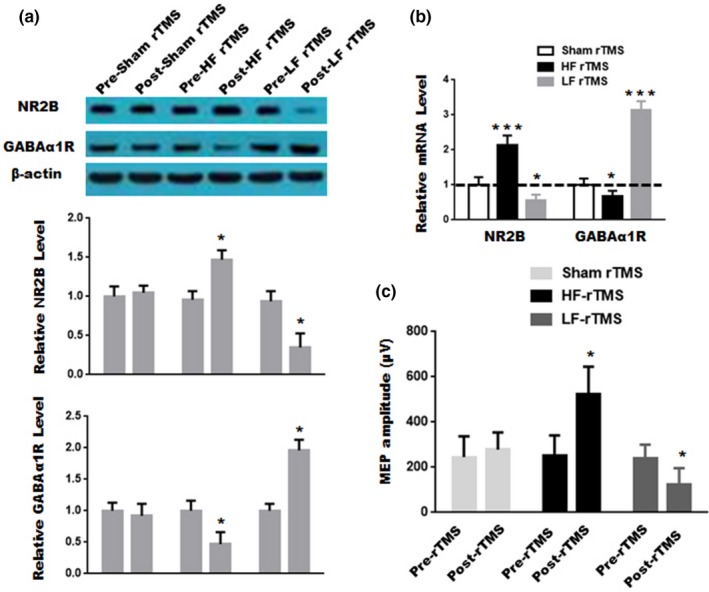
We introduced the design and use of the restraint device for mice or rats. In the mouse device, western blot and real-time PCR analysis showed that,in stimulated mouse frontal cortex, 10 Hz high frequency stimulation for 10 sessions resulted in enhanced expression of NR2B-containing N-methyl-D-aspartic acid receptors and reduced α1 subunit of inhibitory GABA receptors, whereas 0.5 Hz low frequency stimulation for 10 sessions caused decreased expression of NR2B subunit and increased α1 subunit of GABA receptors. In the rat device, measures of motor evoke potentials indicated that 10 Hz stimulation for 10 sessions increased the excitability of stimulated cortex, whereas 0.5 Hz for 10 sessions reduced it.
These results suggested the effectiveness of the devices. Thus, the two devices are practical and easy-to-use to investigate the mechanisms of repetitive transcranial magnetic stimulation.
重复经颅磁刺激已被广泛应用于治疗神经和精神疾病。啮齿类动物(如小鼠和大鼠)常用于研究重复经颅磁刺激治疗效果的潜在细胞和分子机制。到目前为止,还没有关于用于限制啮齿类动物进行重复经颅磁刺激的易于使用的设备的报道。
我们介绍了用于限制小鼠或大鼠的束缚装置的设计和使用。在小鼠设备中,Western blot 和实时 PCR 分析表明,在刺激的小鼠额叶皮层中,10 Hz 高频刺激 10 个疗程会导致 NMDA 受体中含有 NR2B 的亚基表达增强和抑制性 GABA 受体的α1 亚基表达减少,而 0.5 Hz 低频刺激 10 个疗程则会导致 NR2B 亚基表达减少和 GABA 受体的α1 亚基表达增加。在大鼠设备中,运动诱发电位的测量表明,10 Hz 刺激 10 个疗程会增加刺激皮层的兴奋性,而 0.5 Hz 刺激 10 个疗程则会降低其兴奋性。
这些结果表明这些设备是有效的。因此,这两种设备对于研究重复经颅磁刺激的机制是实用且易于使用的。