Université Paris-Saclay, UVSQ, Inserm, END-ICAP, 78000, Versailles, France.
Gladstone Institutes, San Francisco, CA, USA.
Respir Physiol Neurobiol. 2021 Oct;292:103704. doi: 10.1016/j.resp.2021.103704. Epub 2021 May 28.
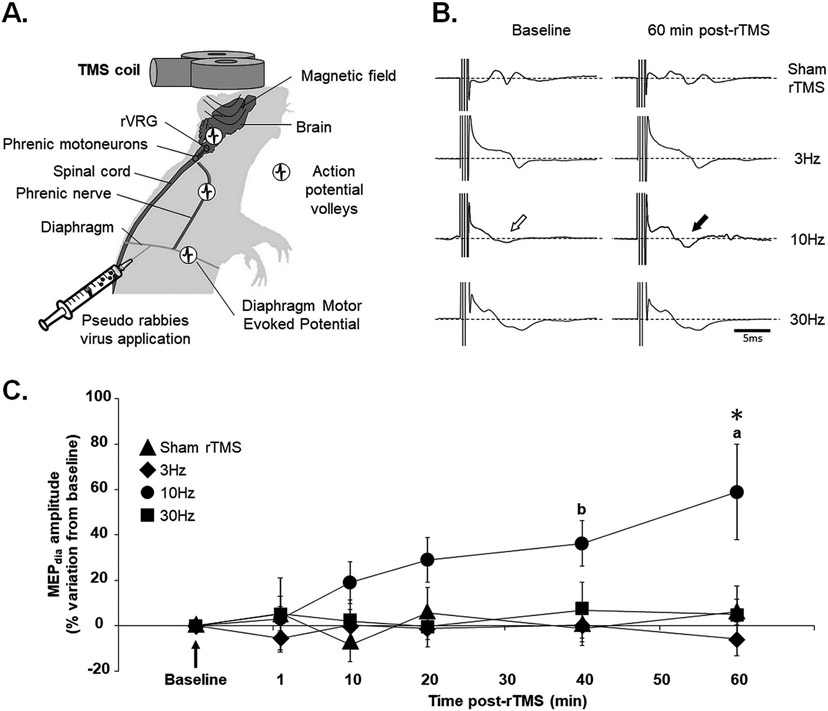
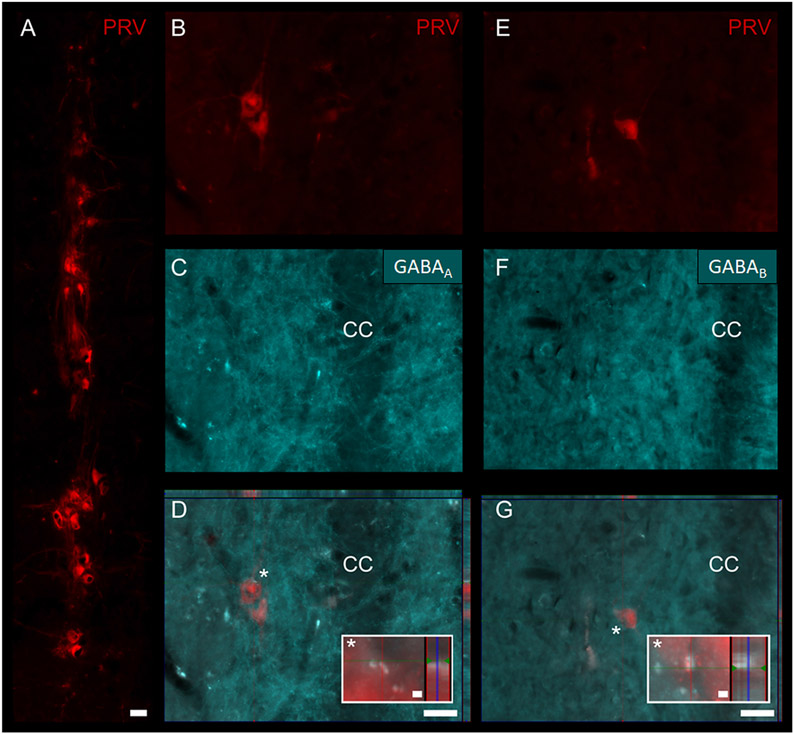
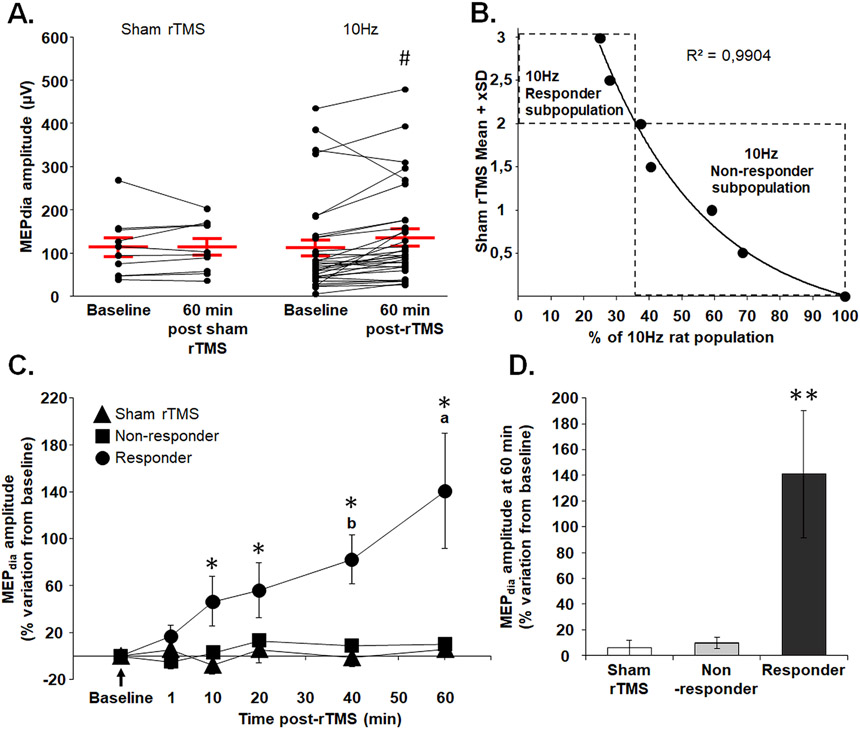
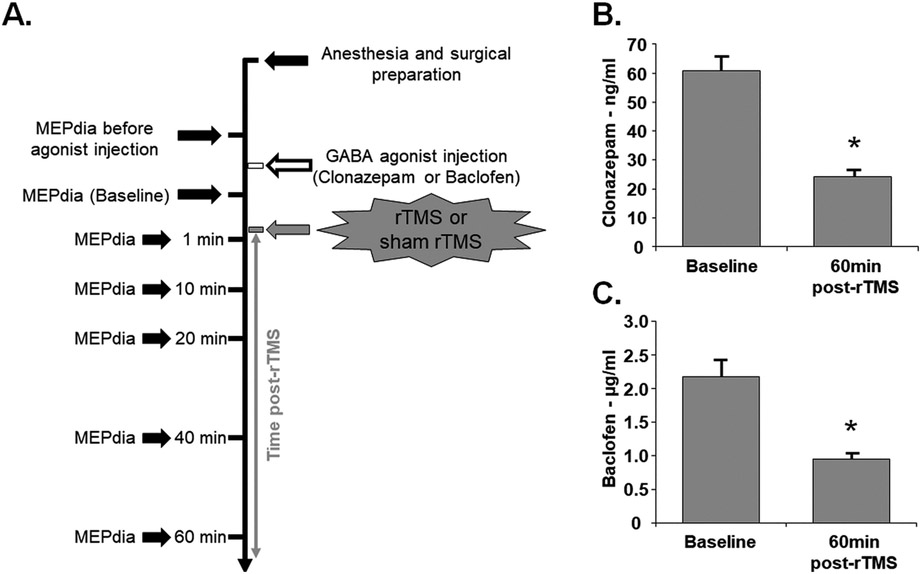
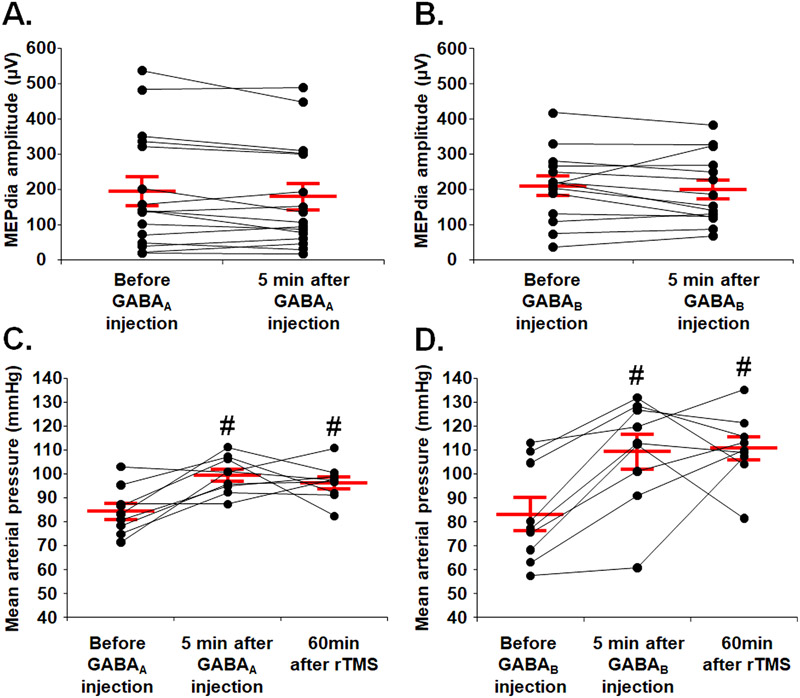
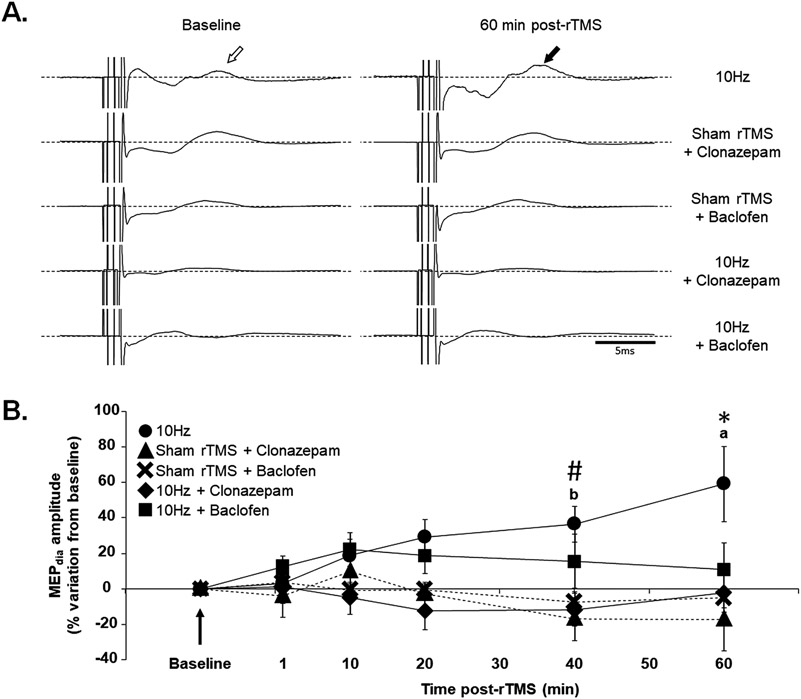
Repetitive transcranial magnetic stimulation (rTMS) is a promising, innovative, and non-invasive therapy used clinically. Efficacy of rTMS has been demonstrated to ameliorate psychiatric disorders and neuropathic pain through neuromodulation of affected neural circuits. However, little is known about the mechanisms and the specific neural circuits via which rTMS facilitates these functional effects. The aim of this study was to begin revealing the mechanisms by which rTMS may tap into existing neural circuits, by using a well characterized spinal motor circuit - the phrenic circuit. Here we hypothesized that rTMS can be used to enhance phrenic motoneuron excitability in anesthetized Sprague Dawley rats. Multiple acute rTMS protocols were used revealing 10 Hz rTMS protocol induced a robust, long-lasting increase in phrenic motoneuron excitability, functionally evaluated by diaphragm motor evoked potentials (59.1 ± 21.1 % of increase compared to baseline 60 min after 10 Hz protocol against 6.0 ± 5.8 % (p = 0.007) for Time Control, -5.8 ± 7.4 % (p < 0.001) for 3 Hz, and 5.2 ± 12.5 % (p = 0.008) for 30 Hz protocols). A deeper analyze allowed to discriminate "responder" and "non-responder" subgroups among 10 Hz rTMS treated animals. Intravenous injections of GABA and GABA receptor agonists prior to 10 Hz rTMS treatment, abolished the enhanced phrenic motoneuron excitability, suggesting GABAergic input plays a mechanistic role in rTMS-induced phrenic excitability. These data demonstrate that a single high frequency rTMS protocol at 10 Hz increases phrenic motoneuron excitability, mediated by a local GABAergic "disinhibition". By understanding how rTMS can be used to affect neural circuits non-invasively we can begin to harness the therapeutic potential of this neuromodulatory strategy to promote recovery after disease or injury to the central nervous system.
重复经颅磁刺激(rTMS)是一种有前途的、创新的、非侵入性的临床治疗方法。rTMS 的疗效已被证明通过调节受影响的神经回路来改善精神障碍和神经病理性疼痛。然而,对于 rTMS 如何促进这些功能效果的机制和特定神经回路知之甚少。本研究的目的是通过使用一个特征明确的脊髓运动回路-膈神经回路,开始揭示 rTMS 可能利用现有神经回路的机制。在这里,我们假设 rTMS 可用于增强麻醉 Sprague Dawley 大鼠的膈神经运动神经元兴奋性。使用了多种急性 rTMS 方案,结果显示 10 Hz rTMS 方案诱导膈神经运动神经元兴奋性产生强大、持久的增加,通过膈神经运动诱发电位(与基线相比,在 10 Hz 方案后 60 分钟时增加 59.1±21.1%,而时间对照为 6.0±5.8%(p=0.007),3 Hz 方案为-5.8±7.4%(p<0.001),30 Hz 方案为 5.2±12.5%(p=0.008))进行功能评估。进一步分析允许在接受 10 Hz rTMS 治疗的动物中区分“应答者”和“非应答者”亚组。在 10 Hz rTMS 治疗前静脉注射 GABA 和 GABA 受体激动剂,可消除增强的膈神经运动神经元兴奋性,表明 GABA 能输入在 rTMS 诱导的膈神经兴奋性中起机制作用。这些数据表明,10 Hz 的单次高频 rTMS 方案可增加膈神经运动神经元兴奋性,由局部 GABA 能“去抑制”介导。通过了解 rTMS 如何非侵入性地影响神经回路,我们可以开始利用这种神经调节策略的治疗潜力,促进中枢神经系统疾病或损伤后的恢复。