Sapienza Maria Rosaria, Pileri Alessandro, Derenzini Enrico, Melle Federica, Motta Giovanna, Fiori Stefano, Calleri Angelica, Pimpinelli Nicola, Tabanelli Valentina, Pileri Stefano
Division of Diagnostic Haematopathology, European Institute of Oncology, IRCCS, Via Ripamonti 435, 20141 Milano, Italy.
Unit of Dermatology, Department of Experimental, Diagnostic and Specialty Medicine, University of Bologna, School of Medicine, Via Massarenti 1, 40138 Bologna, Italy.
Cancers (Basel). 2019 Apr 28;11(5):595. doi: 10.3390/cancers11050595.
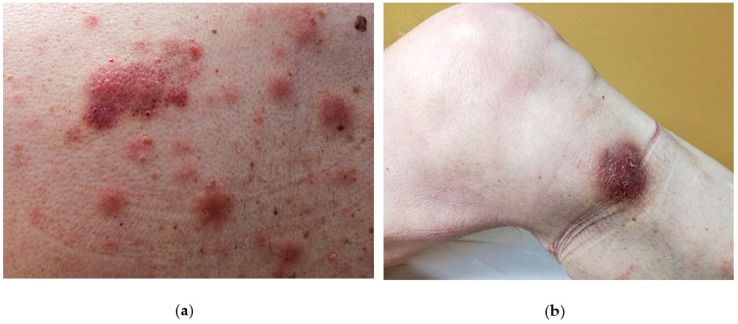
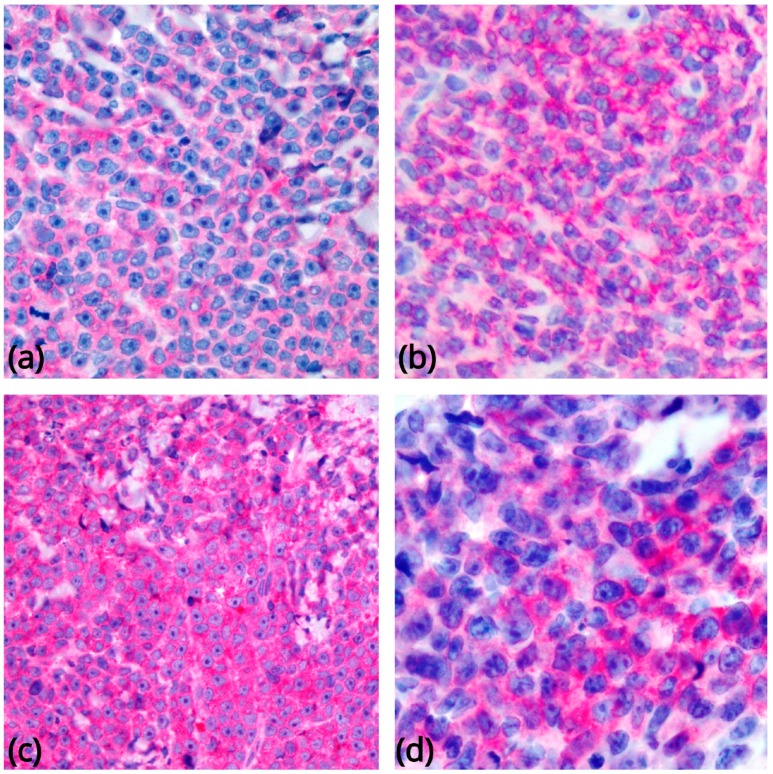
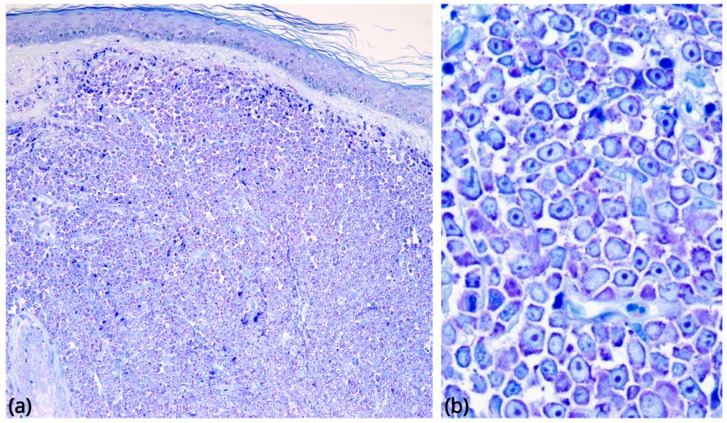
Blastic plasmacytoid dendritic cell neoplasm (BPDCN) is an extremely rare tumour, which usually affects elderly males and presents in the skin with frequent involvement of the bone-marrow, peripheral blood and lymph nodes. It has a dismal prognosis, with most patients dying within one year when treated by conventional chemotherapies. The diagnosis is challenging, since neoplastic cells can resemble lymphoblasts or small immunoblasts, and require the use of a large panel of antibodies, including those against CD4, CD56, CD123, CD303, TCL1, and TCF4. The morphologic and in part phenotypic ambiguity explains the uncertainties as to the histogenesis of the neoplasm that led to the use of various denominations. Recently, a series of molecular studies based on karyotyping, gene expression profiling, and next generation sequencing, have largely unveiled the pathobiology of the tumour and proposed the potentially beneficial use of new drugs. The latter include SL-401, anti-CD123 immunotherapies, venetoclax, BET-inhibitors, and demethylating agents. The epidemiologic, clinical, diagnostic, molecular, and therapeutic features of BPDCN are thoroughly revised in order to contribute to an up-to-date approach to this tumour that has remained an orphan disease for too long.
母细胞性浆细胞样树突状细胞肿瘤(BPDCN)是一种极其罕见的肿瘤,通常影响老年男性,表现为皮肤病变,常累及骨髓、外周血和淋巴结。其预后很差,大多数患者接受传统化疗后一年内死亡。诊断具有挑战性,因为肿瘤细胞可类似于淋巴母细胞或小免疫母细胞,需要使用大量抗体,包括抗CD4、CD56、CD123、CD303、TCL1和TCF4的抗体。形态学和部分表型的不明确解释了该肿瘤组织发生的不确定性,这导致了使用各种名称。最近,一系列基于核型分析、基因表达谱分析和下一代测序的分子研究,在很大程度上揭示了该肿瘤的病理生物学,并提出了新药的潜在有益用途。后者包括SL-401、抗CD123免疫疗法、维奈托克、BET抑制剂和去甲基化剂。对BPDCN的流行病学、临床、诊断、分子和治疗特征进行了全面修订,以便为这种长期以来一直是罕见病的肿瘤提供最新的治疗方法。