Khedr Sherif, Palygin Oleg, Pavlov Tengis S, Blass Gregory, Levchenko Vladislav, Alsheikh Ammar, Brands Michael W, El-Meanawy Ashraf, Staruschenko Alexander
Department of Physiology, Medical College of Wisconsin, 8701 Watertown Plank Road, Milwaukee, WI, 53226, USA.
Present address: Division of Hypertension and Vascular Research, Henry Ford Hospital, Detroit, MI, 48202, USA.
BMC Nephrol. 2019 Apr 29;20(1):145. doi: 10.1186/s12882-019-1329-7.
The invention of an effective kidney preservation solution capable of prolonging harvested kidney viability is the core of kidney transplantation procedure. Researchers have been working on upgrading the preservation solution quality aiming at prolonging storage time while maintaining utmost organ viability and functionality. For many years, the University of Wisconsin (UW) solution has been considered the gold standard solution for kidney preservation. However, the lifespan of kidney preservation in the UW solution is still limited. Its impact on the epithelial Na channel (ENaC) activity and its mediated processes is unknown and the primary goal of this study.
Kidneys harvested from 8 weeks old Sprague Dawley rats were divided into 4 groups depending upon the period of preservation in UW solution. Additional analysis was performed using dogs' kidneys. ENaC activity was measured using patch clamp technique; protein expression and mRNA transcription were tested through Western blot and RT-qPCR, respectively. A colorimetric LDH level estimation was performed at different time points during UW solution preservation.
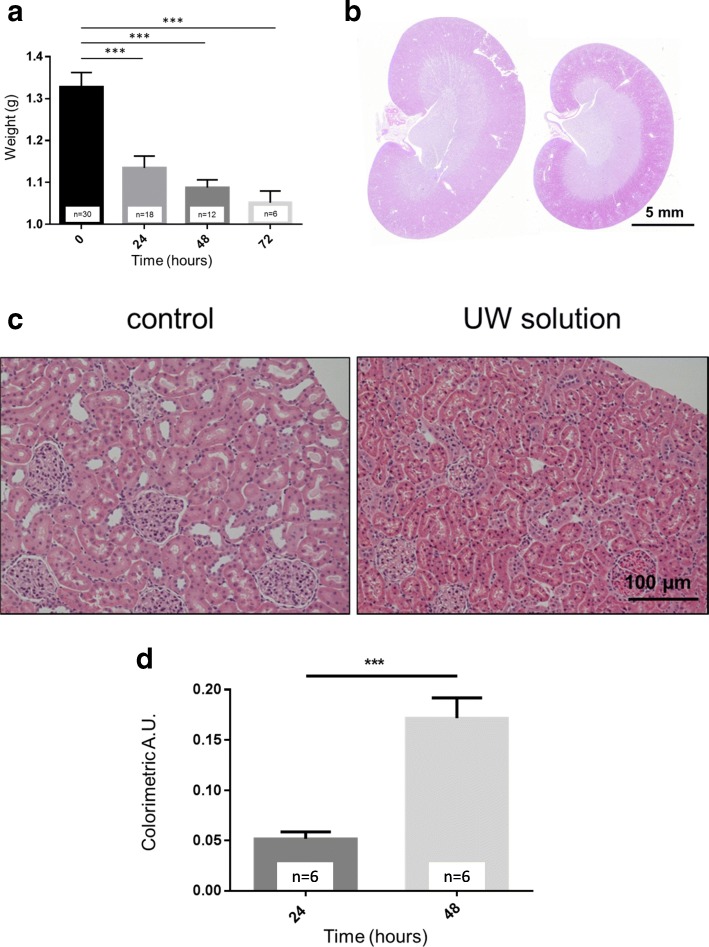
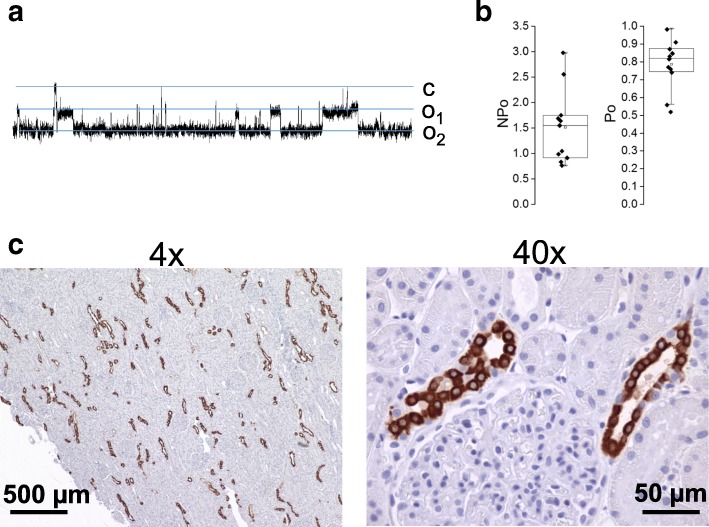
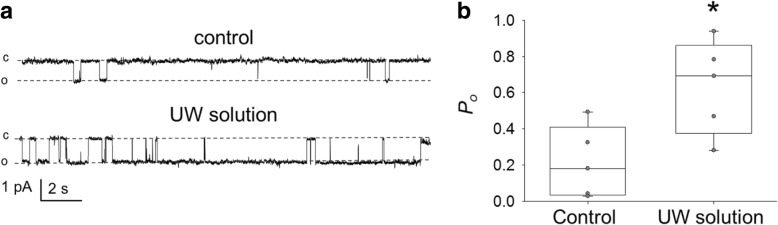
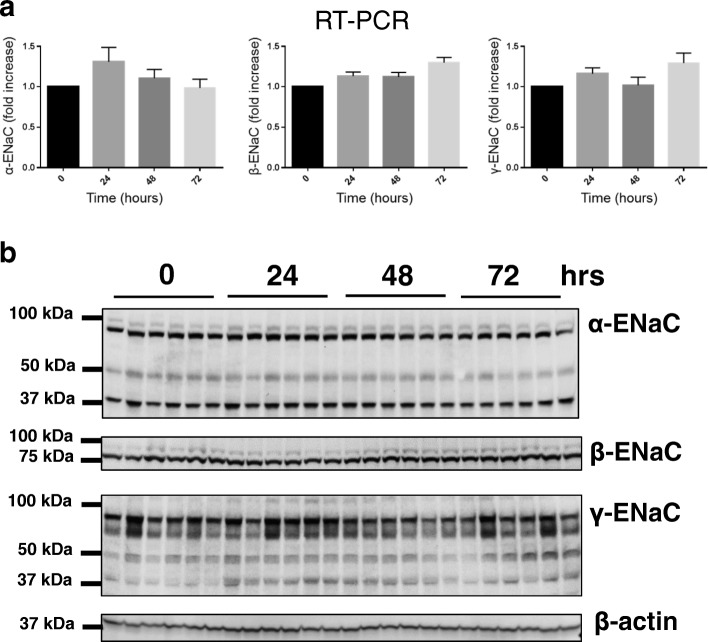
Kidney preservation in Wisconsin solution caused reduction of the kidney size and weight and elevation of LDH level. ENaC activity increased in both rat and dog kidneys preserved in the UW solution as assessed by patch clamp analysis. On the contrary, ENaC channel mRNA levels remained unchanged.
ENaC activity is significantly elevated in the kidneys during preservation in UW solution, which might affect the immediate post-implantation allograft function and trajectory post-transplant.
发明一种能够延长离体肾脏存活时间的有效肾脏保存液是肾脏移植手术的核心。研究人员一直致力于提升保存液质量,以期延长保存时间,同时维持器官的最大活力和功能。多年来,威斯康星大学(UW)溶液一直被视为肾脏保存的金标准溶液。然而,UW溶液中肾脏保存的时长仍然有限。其对上皮钠通道(ENaC)活性及其介导过程的影响尚不清楚,而这正是本研究的主要目标。
将8周龄的斯普拉格-道利大鼠的肾脏根据在UW溶液中的保存时长分为4组。另外,使用犬肾进行了分析。采用膜片钳技术测量ENaC活性;分别通过蛋白质免疫印迹法和逆转录-定量聚合酶链反应检测蛋白质表达和mRNA转录。在UW溶液保存期间的不同时间点进行比色法LDH水平评估。
在威斯康星溶液中保存肾脏导致肾脏大小和重量减小以及LDH水平升高。通过膜片钳分析评估,在UW溶液中保存的大鼠和犬肾中ENaC活性均增加。相反,ENaC通道mRNA水平保持不变。
在UW溶液保存期间,肾脏中的ENaC活性显著升高,这可能会影响移植后即刻的同种异体移植功能和移植后的发展轨迹。