Department of Anaesthesia and Intensive Care, The Chinese University of Hong Kong, Hong Kong Special Administrative Region.
School of Biomedical Sciences, The Chinese University of Hong Kong, Hong Kong Special Administrative Region.
Theranostics. 2019 Feb 28;9(6):1651-1665. doi: 10.7150/thno.29703. eCollection 2019.
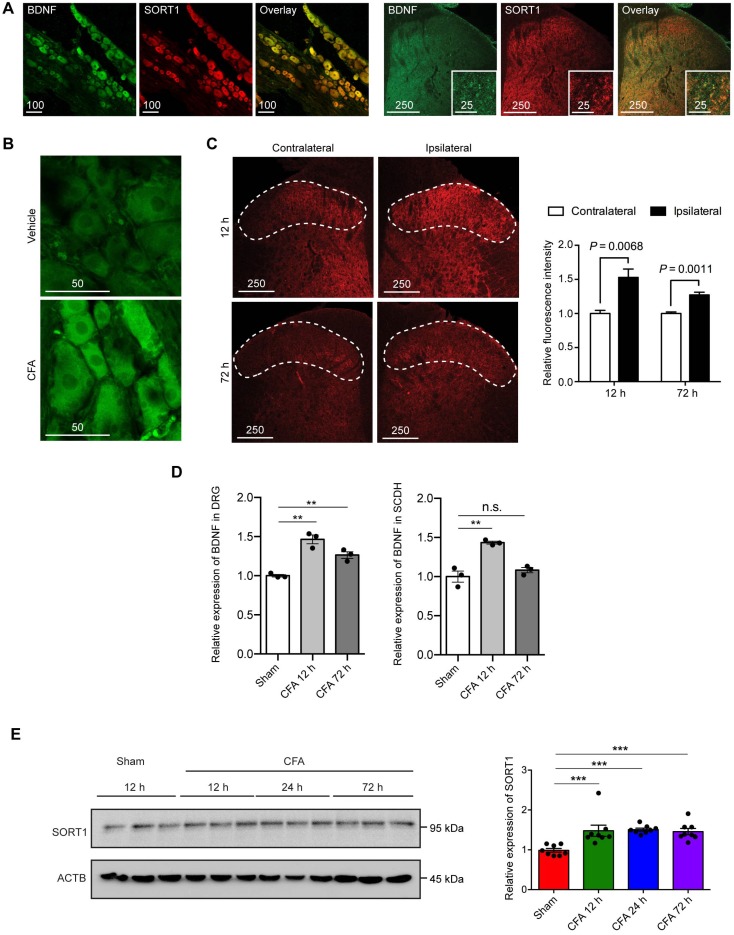
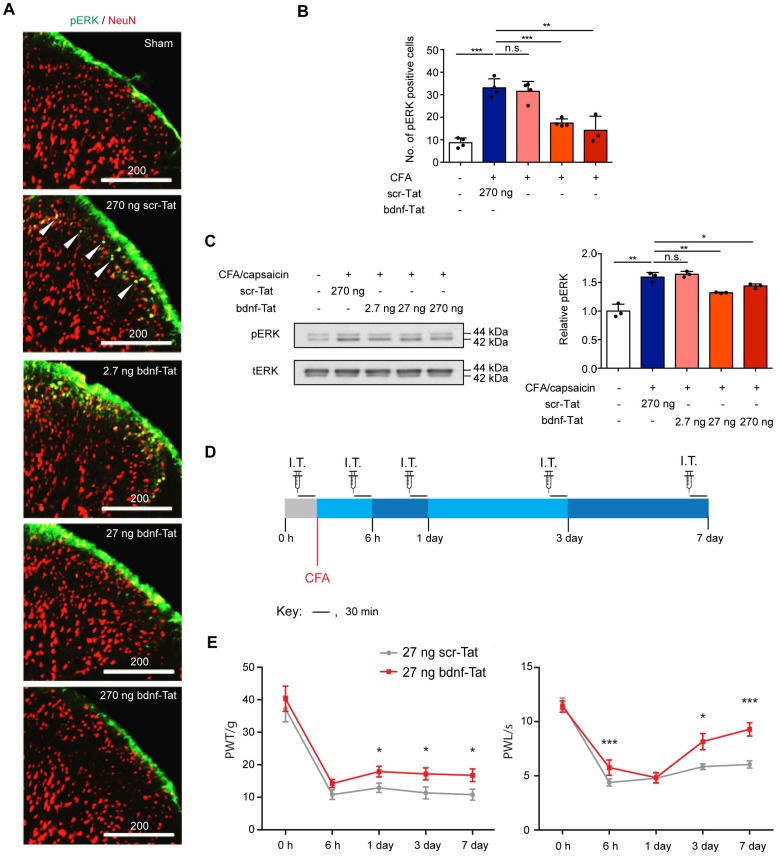
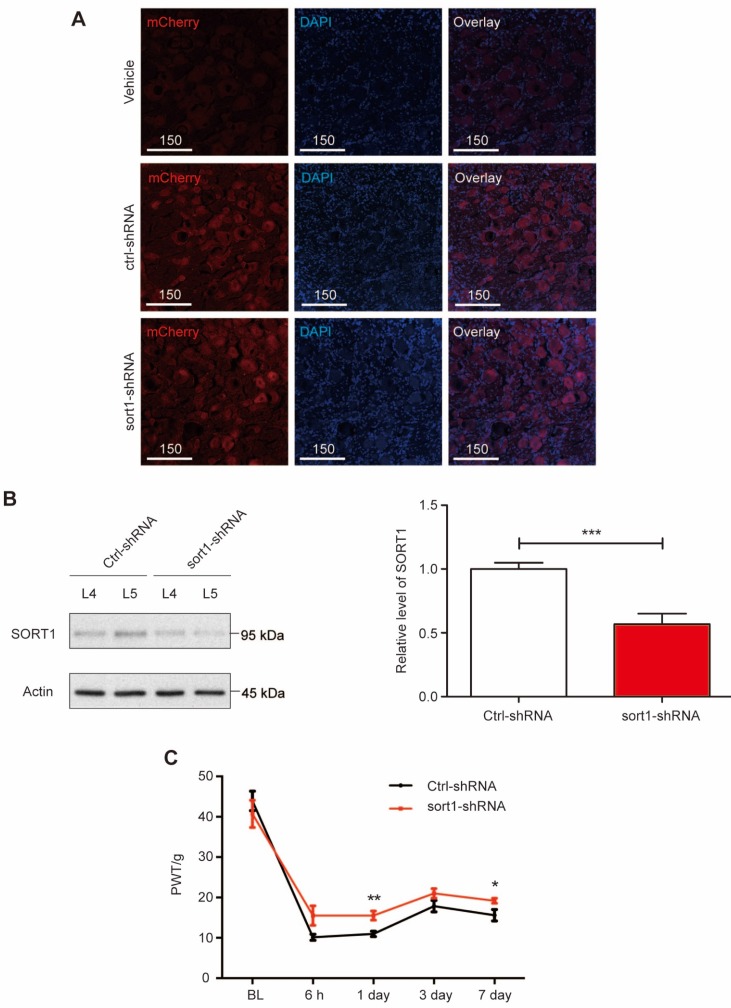
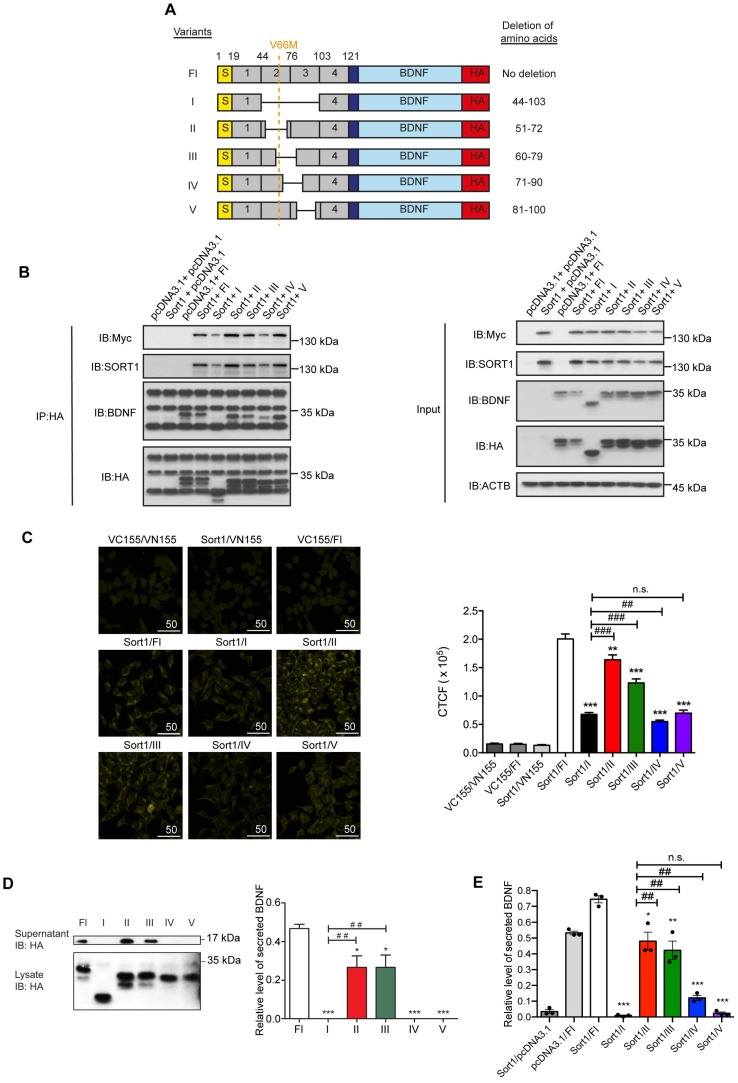
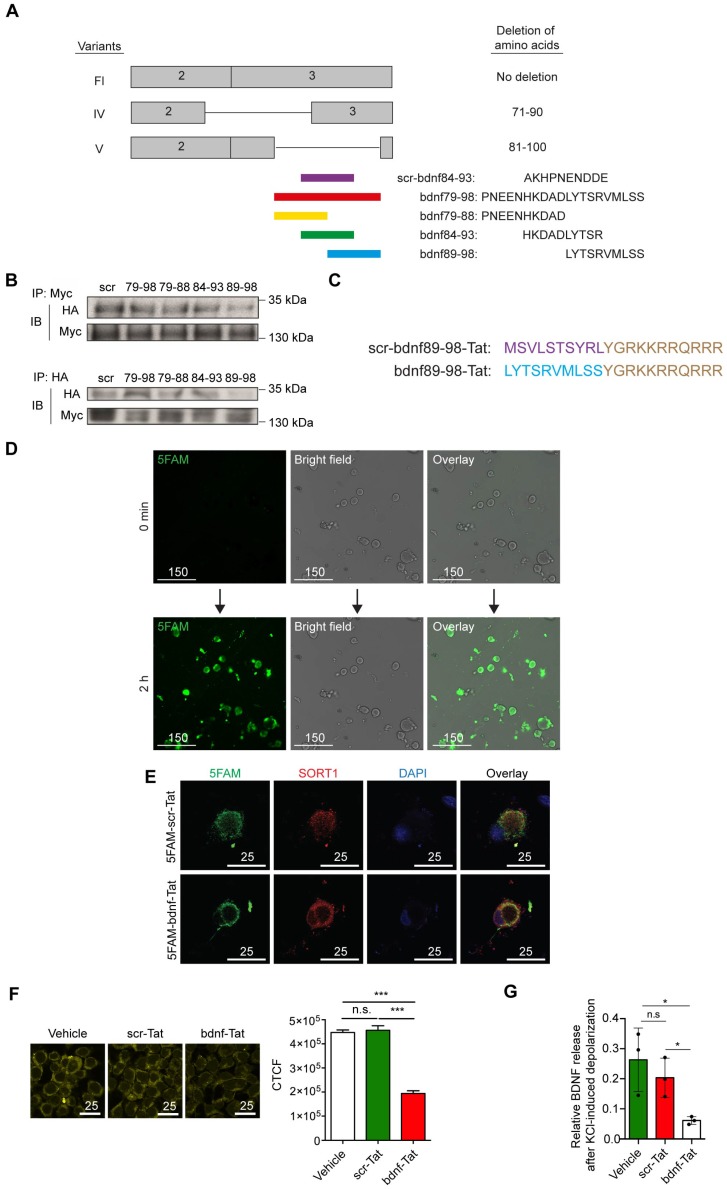
Brain-derived neurotrophic factor (BDNF) is a key mediator in the development of chronic pain. Sortilin is known to interact with proBDNF and regulate its activity-dependent secretion in cortical neurons. In a rat model of inflammatory pain with intraplantar injection of complete Freund's adjuvant (CFA), we examined the functional role of proBDNF-sortilin interaction in dorsal root ganglia (DRG). Expression and co-localization of BDNF and sortilin were determined by immunofluorescence. ProBDNF-sortilin interaction interface was mapped using co-immunoprecipitation and bimolecular fluorescence complementation assay. The analgesic effect of intrathecal injection of a synthetic peptide interfering with proBDNF-sortilin interaction was measured in the CFA model. BDNF and sortilin were co-localized and their expression was significantly increased in ipsilateral L4/5 DRG upon hind paw CFA injection. adeno-associated virus-mediated knockdown of sortilin-1 in L5 DRG alleviated pain-like responses. Mapping by serial deletions in the BDNF prodomain indicated that amino acid residues 71-100 supported the proBDNF-sortilin interaction. A synthetic peptide identical to amino acid residues 89-98 of proBDNF, as compared with scrambled peptide, was found to interfere with proBDNF-sortilin interaction, inhibit activity-dependent release of BDNF and reduce CFA-induced mechanical allodynia and heat hyperalgesia . The synthetic peptide also interfered with capsaicin-induced phosphorylation of extracellular signal-regulated kinases in ipsilateral spinal cord of CFA-injected rats. Sortilin-mediated secretion of BDNF from DRG neurons contributes to CFA-induced inflammatory pain. Interfering with proBDNF-sortilin interaction reduced activity-dependent release of BDNF and might serve as a therapeutic approach for chronic inflammatory pain.
脑源性神经营养因子(BDNF)是慢性疼痛发展的关键介质。已知分选蛋白与 proBDNF 相互作用,并调节皮质神经元中其活性依赖性分泌。在足底注射完全弗氏佐剂(CFA)的炎性疼痛大鼠模型中,我们研究了 proBDNF-分选蛋白相互作用在背根神经节(DRG)中的功能作用。通过免疫荧光法测定 BDNF 和分选蛋白的表达和共定位。通过共免疫沉淀和双分子荧光互补测定法绘制 proBDNF-分选蛋白相互作用界面。通过鞘内注射干扰 proBDNF-分选蛋白相互作用的合成肽测量 CFA 模型中的镇痛作用。BDNF 和分选蛋白在同侧 L4/5 DRG 中共同定位,其表达在足底 CFA 注射后显著增加。腺相关病毒介导的 L5 DRG 中分选蛋白-1 的敲低减轻了疼痛样反应。BDNF 前肽中的串联缺失作图表明,氨基酸残基 71-100 支持 proBDNF-分选蛋白相互作用。与 scrambled 肽相比,与 proBDNF 的氨基酸残基 89-98 相同的合成肽被发现干扰 proBDNF-分选蛋白相互作用,抑制 BDNF 的活性依赖性释放,并减少 CFA 诱导的机械性痛觉过敏和热痛觉过敏。该合成肽还干扰了 CFA 注射大鼠同侧脊髓中辣椒素诱导的细胞外信号调节激酶磷酸化。DRG 神经元中分选蛋白介导的 BDNF 分泌有助于 CFA 诱导的炎性疼痛。干扰 proBDNF-分选蛋白相互作用可减少 BDNF 的活性依赖性释放,可能成为慢性炎性疼痛的治疗方法。