National Key Laboratory of Plant Molecular Genetics, CAS Centre for Excellence in Molecular Plant Sciences, Institute of Plant Physiology and Ecology, Chinese Academy of Sciences, 300 Fenglin Rd, 200032 Shanghai, China.
Commun Biol. 2019 Apr 23;2:134. doi: 10.1038/s42003-019-0368-8. eCollection 2019.
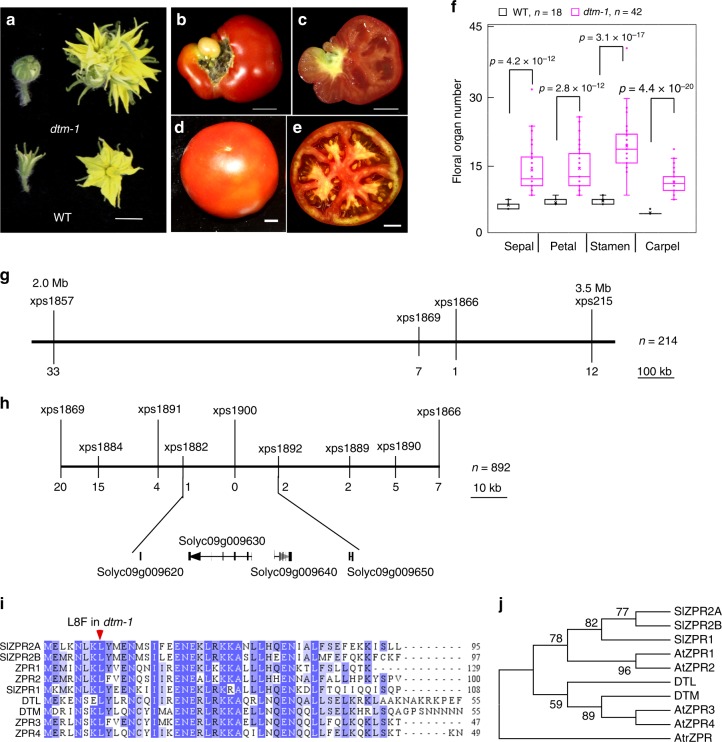
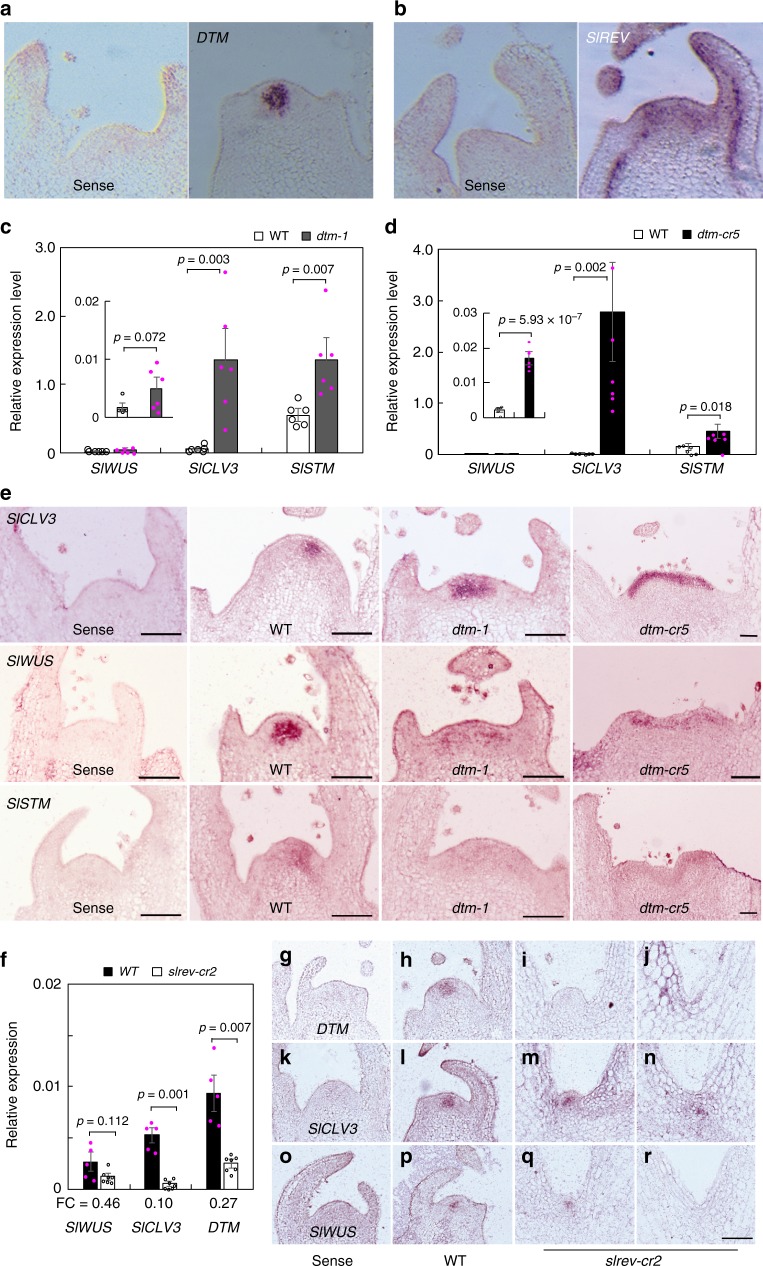
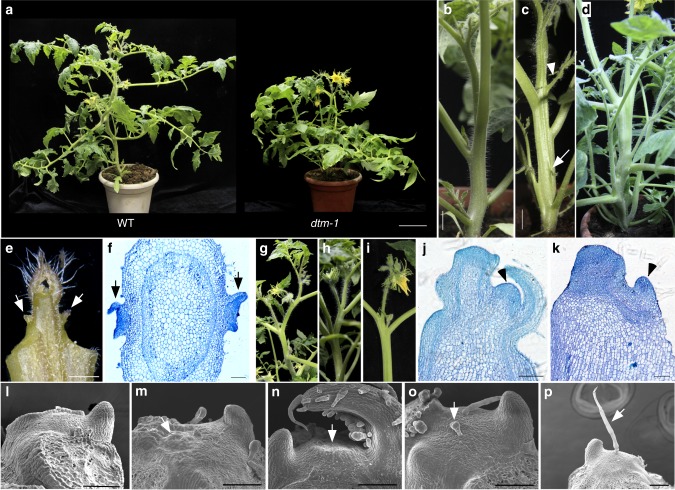
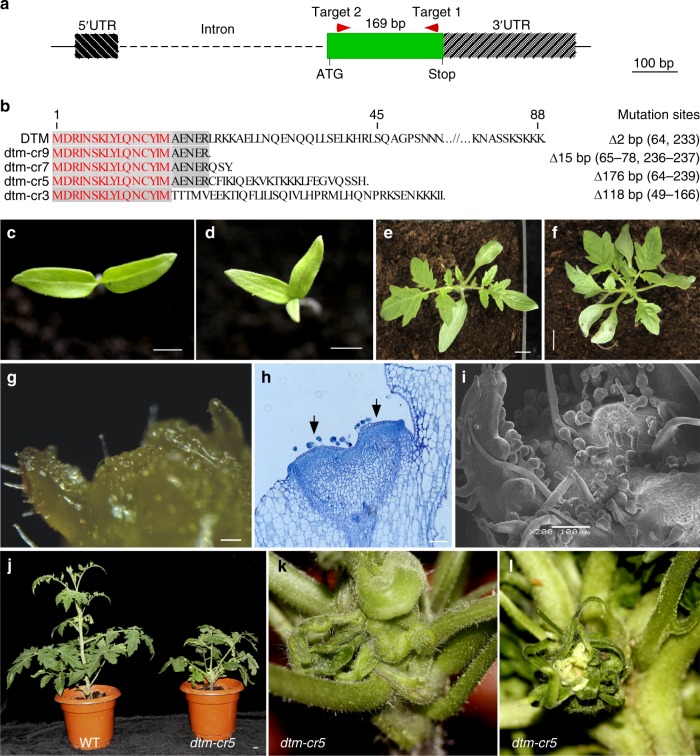
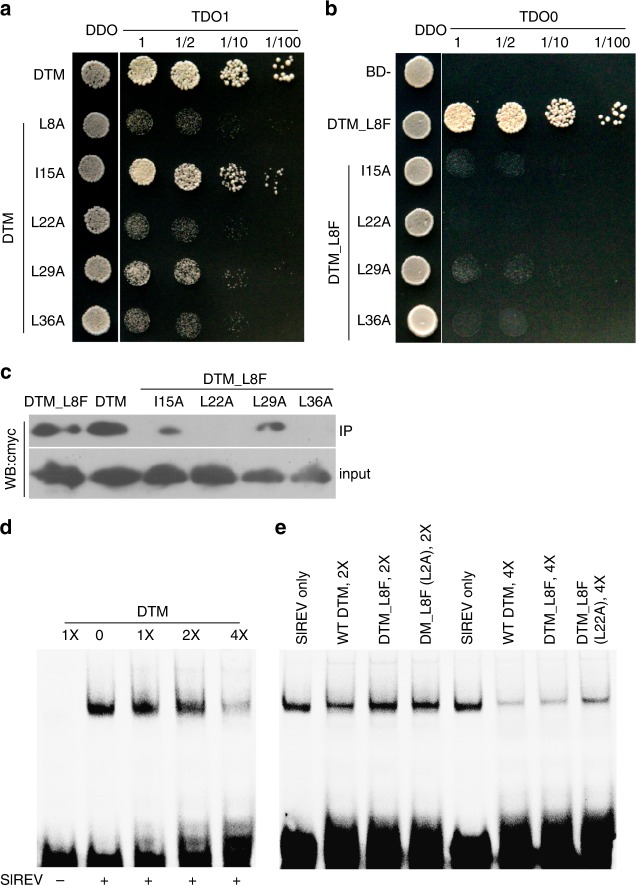
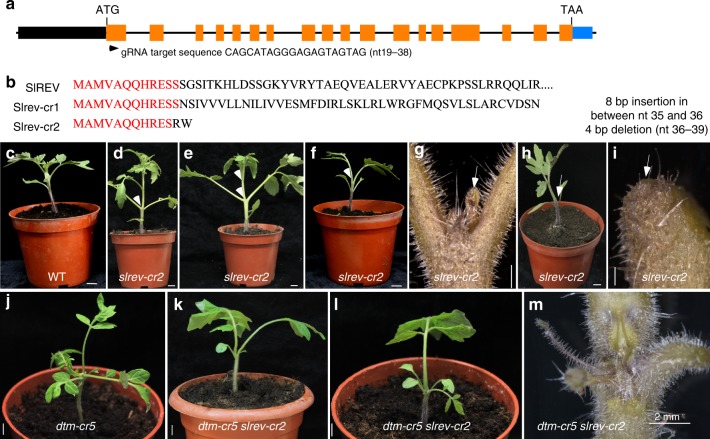
Shoot meristems, which harbor a small population of stem cells, are responsible for generating new above-ground organs in plants. The proliferation and differentiation of these stem cells is regulated by a genetic pathway involving two key meristematic genes: () and (). However, it is not well understood how and expression domains in the shoot meristems are specified and maintained during post-embryogenic development. Here, we show that a tomato mutant with fasciated stems, flowers and fruits, due to impaired stem cell activity, is defective in a LITTLE ZIPPER gene denoted as (). DTM forms a negative feedback loop with class III homeodomain-leucine zipper (HD-ZIP III) transcription factors to confine and expression to specific domains of the shoot meristems. Our findings reveal a new layer of complexity in the regulation of plant stem cell homeostasis.
分生组织是产生植物地上器官的源泉,其中包含一小群干细胞。这些干细胞的增殖和分化受到一个遗传途径的调控,其中涉及两个关键的分生组织基因:()和()。然而,分生组织中()和()表达域是如何在胚胎后发育过程中被特化和维持的,目前还不是很清楚。在这里,我们发现一个番茄突变体具有束状的茎、花和果实,这是由于干细胞活性受损所致,其缺陷在于一个被称为()的 LITTLE ZIPPER 基因。DTM 与 III 类 homeodomain-leucine zipper (HD-ZIP III) 转录因子形成负反馈回路,将()和()的表达局限在分生组织的特定区域。我们的研究结果揭示了植物干细胞动态平衡调控的一个新的复杂性层次。