IHU Liryc, L'institut de rythmologie et modélisation cardiaque, Fondation Bordeaux Université, Pessac-Bordeaux, France.
Université de Bordeaux, Bordeaux, France.
PLoS One. 2019 May 2;14(5):e0216385. doi: 10.1371/journal.pone.0216385. eCollection 2019.
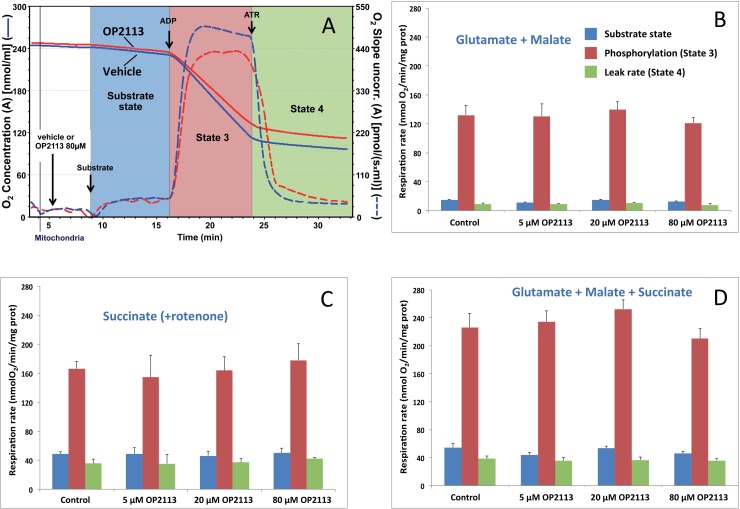
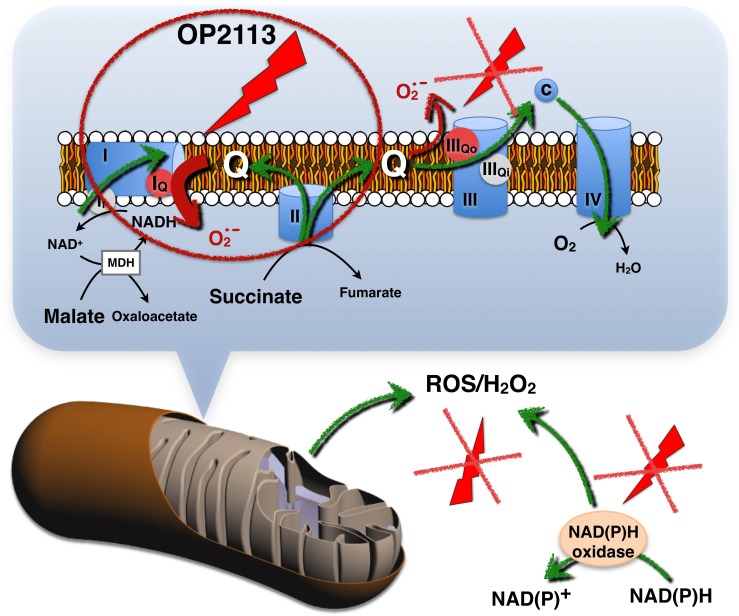
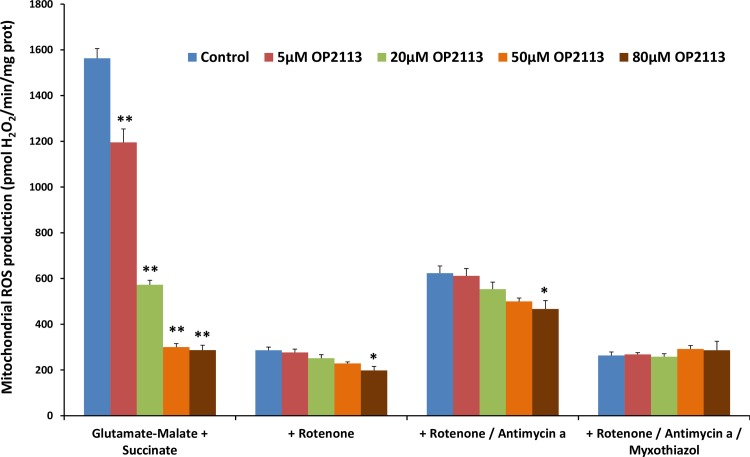
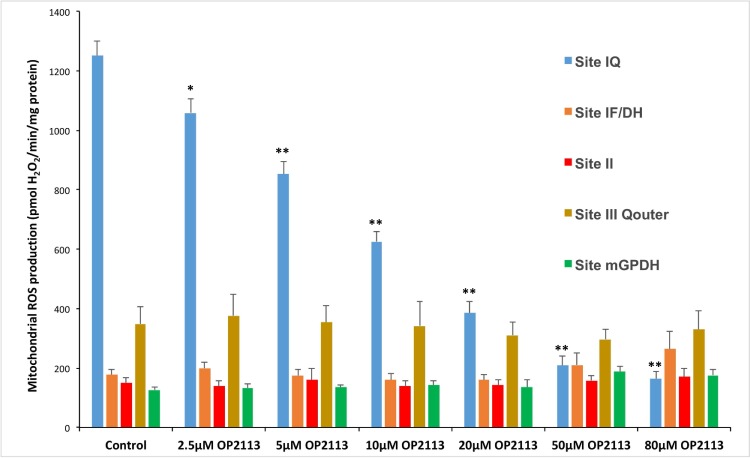
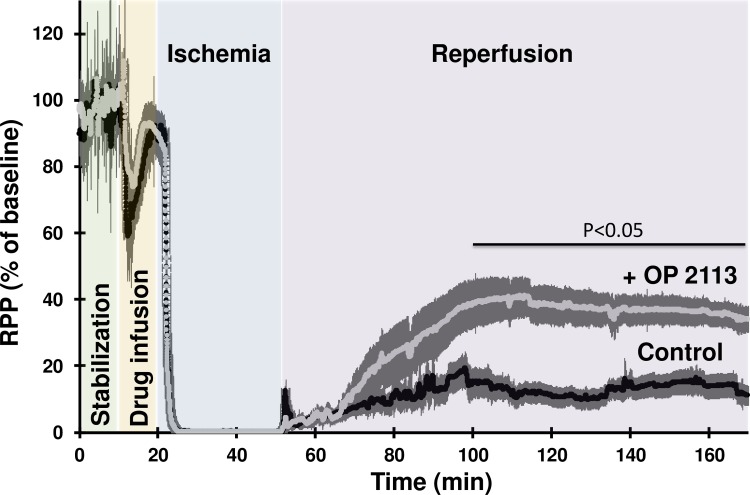
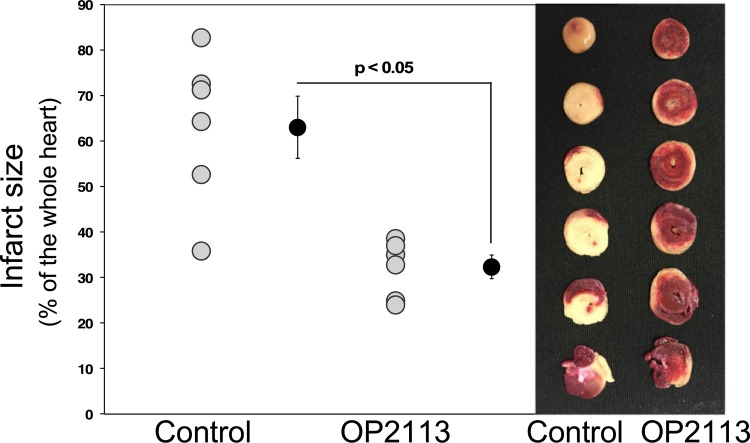
Here, we demonstrate that OP2113 (5-(4-Methoxyphenyl)-3H-1,2-dithiole-3-thione, CAS 532-11-6), synthesized and used as a drug since 1696, does not act as an unspecific antioxidant molecule (i.e., as a radical scavenger) but unexpectedly decreases mitochondrial reactive oxygen species (ROS/H2O2) production by acting as a specific inhibitor of ROS production at the IQ site of complex I of the mitochondrial respiratory chain. Studies performed on isolated rat heart mitochondria also showed that OP2113 does not affect oxidative phosphorylation driven by complex I or complex II substrates. We assessed the effect of OP2113 on an infarct model of ex vivo rat heart in which mitochondrial ROS production is highly involved and showed that OP2113 protects heart tissue as well as the recovery of heart contractile activity.
CONCLUSION / SIGNIFICANCE: This work represents the first demonstration of a drug authorized for use in humans that can prevent mitochondria from producing ROS/H2O2. OP2113 therefore appears to be a member of the new class of mitochondrial ROS blockers (S1QELs) and could protect mitochondrial function in numerous diseases in which ROS-induced mitochondrial dysfunction occurs. These applications include but are not limited to aging, Parkinson's and Alzheimer's diseases, cardiac atrial fibrillation, and ischemia-reperfusion injury.
在这里,我们证明 OP2113(5-(4-甲氧基苯基)-3H-1,2-二硫杂环戊烯-3-硫酮,CAS 532-11-6),自 1696 年以来被合成并用作药物,它并不是一种非特异性抗氧化分子(即自由基清除剂),而是通过作为线粒体呼吸链复合体 I 的 IQ 位点的 ROS 产生的特异性抑制剂,出人意料地降低了线粒体活性氧物种(ROS/H2O2)的产生。在分离的大鼠心肌线粒体上进行的研究还表明,OP2113 不影响由复合体 I 或复合体 II 底物驱动的氧化磷酸化。我们评估了 OP2113 对体外大鼠心脏梗死模型的影响,其中线粒体 ROS 产生高度参与,结果表明 OP2113 可保护心脏组织以及心脏收缩活性的恢复。
结论/意义:这项工作首次证明了一种已被授权用于人类的药物可防止线粒体产生 ROS/H2O2。因此,OP2113 似乎是一类新的线粒体 ROS 阻断剂(S1QELs),可保护 ROS 诱导的线粒体功能障碍发生的众多疾病中的线粒体功能。这些应用包括但不限于衰老、帕金森病和阿尔茨海默病、心房颤动和缺血再灌注损伤。