Dyson Alex, Dal-Pizzol Felipe, Sabbatini Giovanni, Lach Anna B, Galfo Federica, Dos Santos Cardoso Juliano, Pescador Mendonça Bruna, Hargreaves Iain, Bollen Pinto Bernardo, Bromage Daniel I, Martin John F, Moore Kevin P, Feelisch Martin, Singer Mervyn
Bloomsbury Institute for Intensive Care Medicine, Division of Medicine, University College London, London, United Kingdom.
Magnus Oxygen, London, United Kingdom.
PLoS Med. 2017 Jul 5;14(7):e1002310. doi: 10.1371/journal.pmed.1002310. eCollection 2017 Jul.
Early revascularization of ischemic organs is key to improving outcomes, yet consequent reperfusion injury may be harmful. Reperfusion injury is largely attributed to excess mitochondrial production of reactive oxygen species (ROS). Sulfide inhibits mitochondria and reduces ROS production. Ammonium tetrathiomolybdate (ATTM), a copper chelator, releases sulfide in a controlled and novel manner, and may offer potential therapeutic utility.
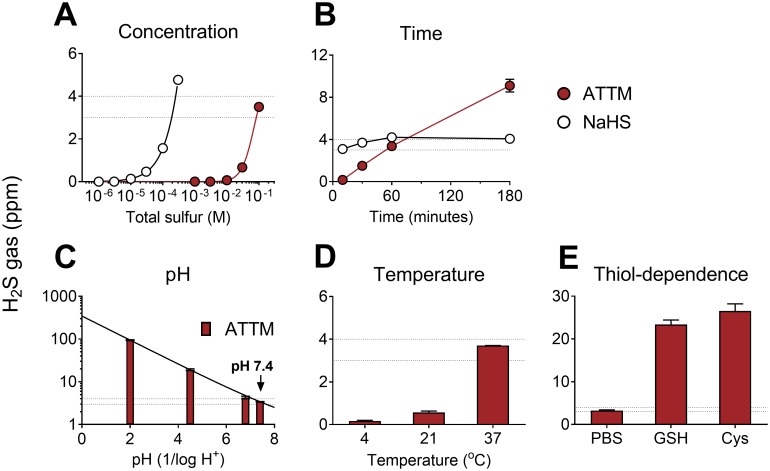
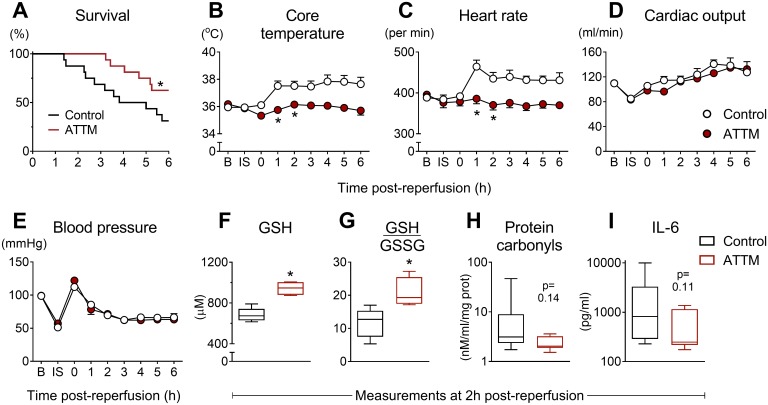
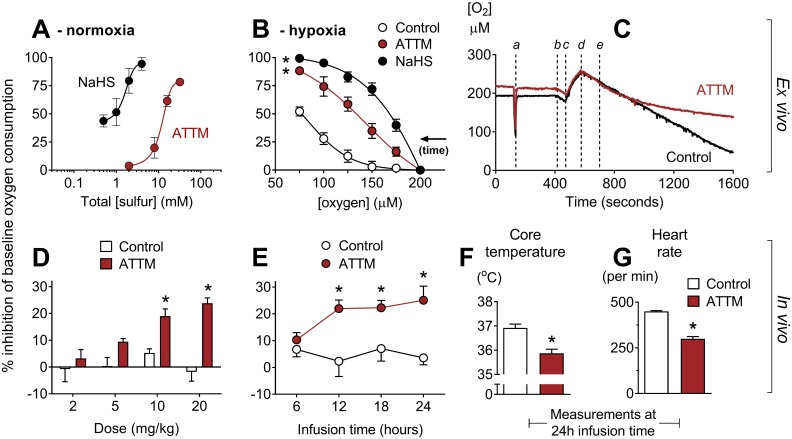
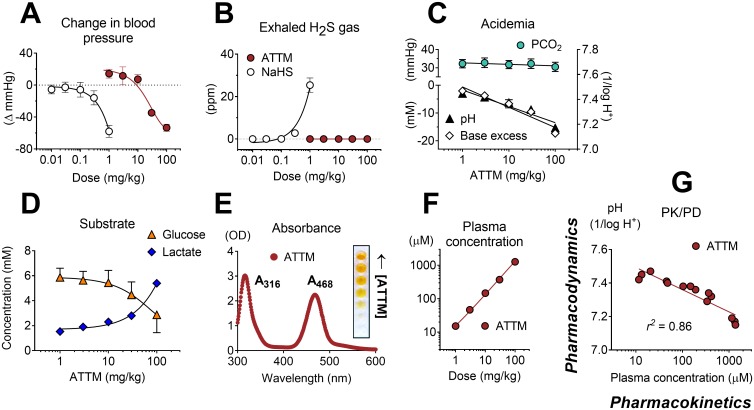
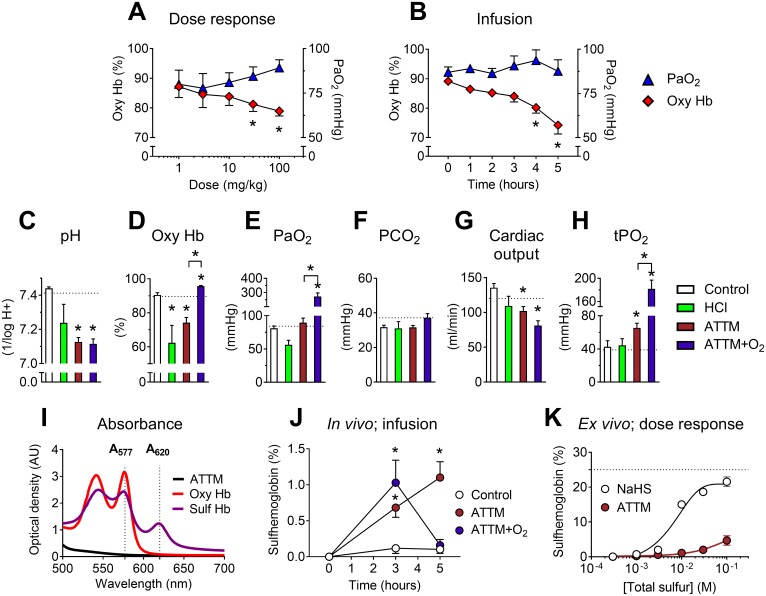
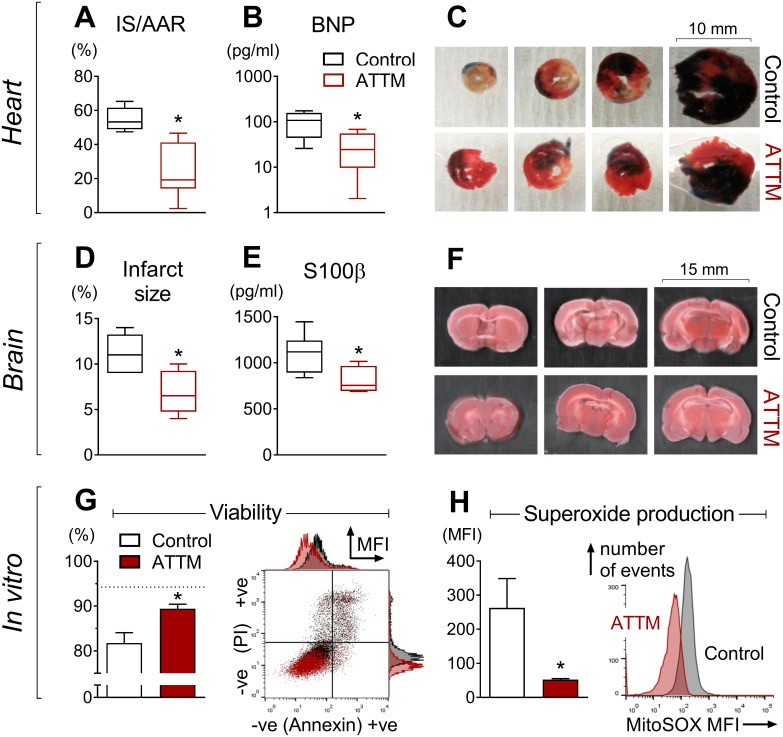
In vitro, ATTM releases sulfide in a time-, pH-, temperature-, and thiol-dependent manner. Controlled sulfide release from ATTM reduces metabolism (measured as oxygen consumption) both in vivo in awake rats and ex vivo in skeletal muscle tissue, with a superior safety profile compared to standard sulfide generators. Given intravenously at reperfusion/resuscitation to rats, ATTM significantly reduced infarct size following either myocardial or cerebral ischemia, and conferred survival benefit following severe hemorrhage. Mechanistic studies (in vitro anoxia/reoxygenation) demonstrated a mitochondrial site of action (decreased MitoSOX fluorescence), where the majority of damaging ROS is produced.
The inorganic thiometallate ATTM represents a new class of sulfide-releasing drugs. Our findings provide impetus for further investigation of this compound as a novel adjunct therapy for reperfusion injury.
缺血器官的早期血管再通是改善预后的关键,但随之而来的再灌注损伤可能有害。再灌注损伤很大程度上归因于线粒体过量产生活性氧(ROS)。硫化物可抑制线粒体并减少ROS生成。四硫代钼酸铵(ATTM)作为一种铜螯合剂,能以可控且新颖的方式释放硫化物,可能具有潜在的治疗价值。
在体外,ATTM以时间、pH、温度和硫醇依赖性方式释放硫化物。ATTM可控释放硫化物可降低清醒大鼠体内以及骨骼肌组织离体后的代谢(以耗氧量衡量),与标准硫化物生成剂相比,具有更好的安全性。在大鼠再灌注/复苏时静脉注射ATTM,可显著减小心肌或脑缺血后的梗死面积,并在严重出血后带来生存获益。机制研究(体外缺氧/复氧)表明其作用位点在线粒体(MitoSOX荧光降低),而大部分具有损伤性的ROS在此产生。
无机硫金属酸盐ATTM代表了一类新型的硫化物释放药物。我们的研究结果为进一步研究该化合物作为再灌注损伤的新型辅助治疗提供了动力。