Mota Ana Paula Zotta, Oliveira Thais Nicolini, Vinson Christina Cleo, Williams Thomas Christopher Rhys, Costa Marcos Mota do Carmo, Araujo Ana Claudia Guerra, Danchin Etienne G J, Grossi-de-Sá Maria Fatima, Guimaraes Patricia Messenberg, Brasileiro Ana Cristina Miranda
EMBRAPA Recursos Genéticos e Biotecnologia, Brasília, Brazil.
Departamento de Biologia Celular e Molecular, Universidade Federal do Rio Grande do Sul, Porto Alegre, Brazil.
Front Plant Sci. 2019 Apr 18;10:497. doi: 10.3389/fpls.2019.00497. eCollection 2019.
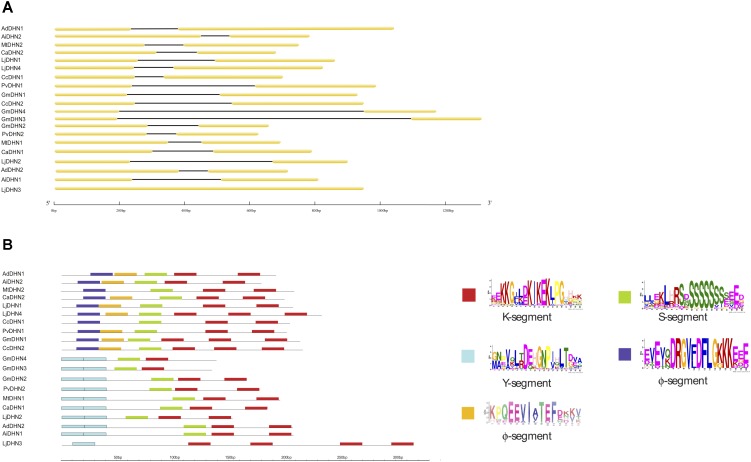
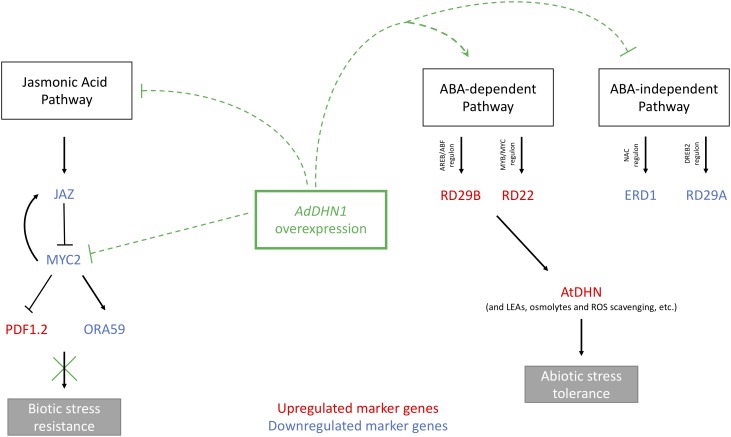
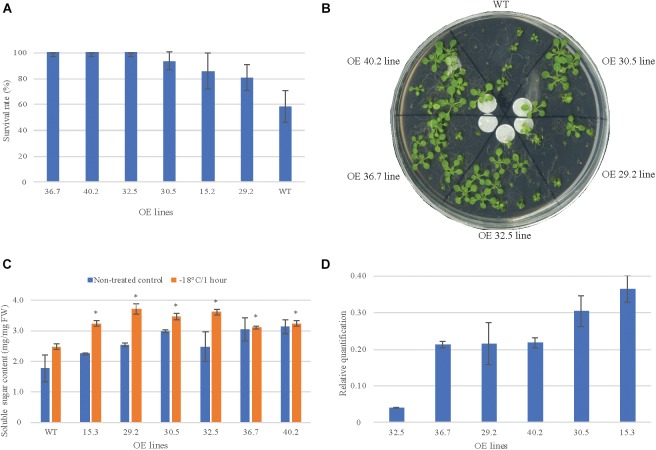
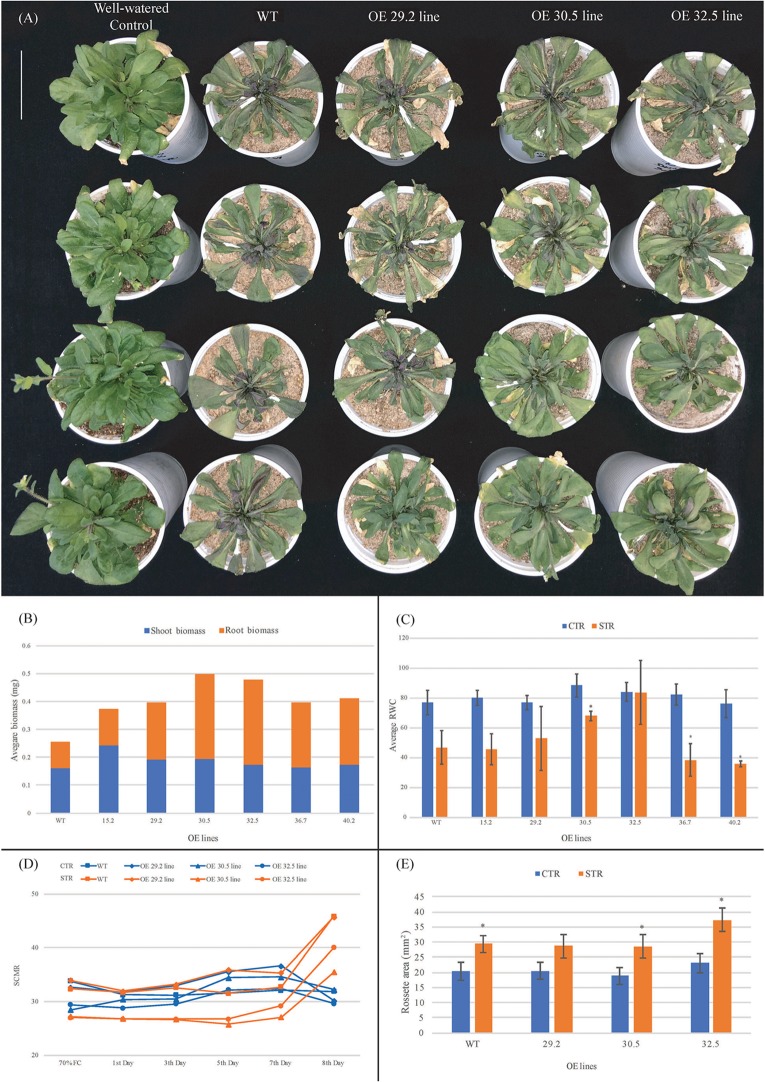
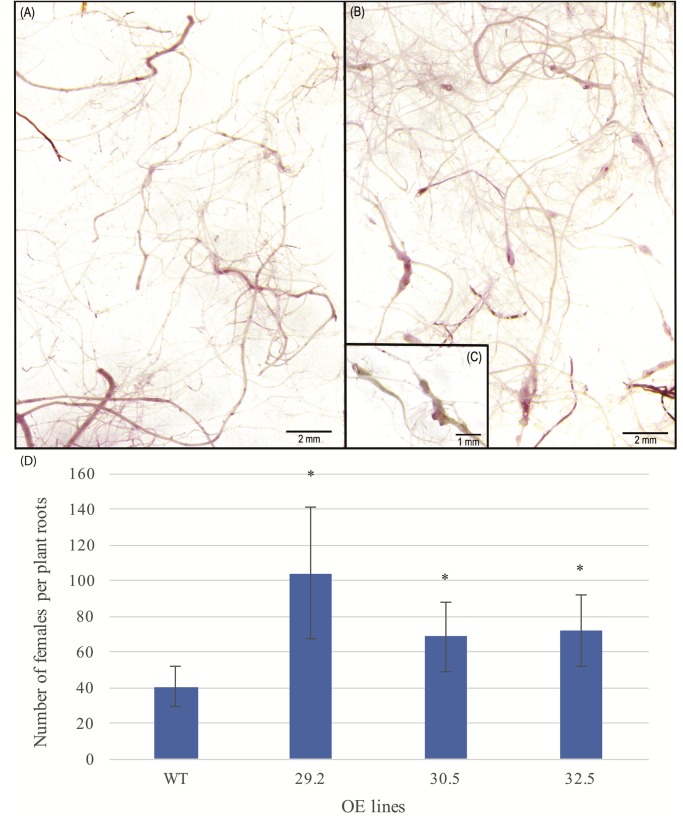
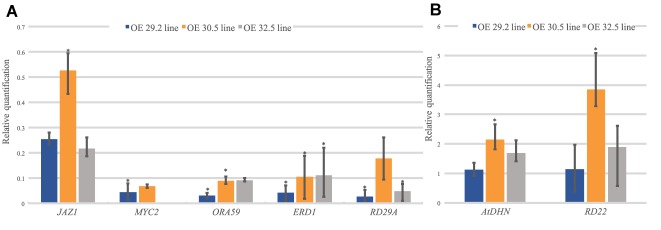
Plant dehydrins (DNHs) belong to the LEA (Late Embryogenesis Abundant) protein family and are involved in responses to multiple abiotic stresses. DHNs are classified into five subclasses according to the organization of three conserved motifs (K-; Y-; and S-segments). In the present study, the DHN protein family was characterized by molecular phylogeny, exon/intron organization, protein structure, and tissue-specificity expression in eight Fabaceae species. We identified 20 DHN genes, encompassing three (YSK, SK, and K) subclasses sharing similar gene organization and protein structure. Two additional low conserved DHN Φ-segments specific to the legume SK-type of proteins were also found. The expression patterns of DHN genes in four legume species (, and ) revealed that their tissue-specific regulation is associated with the presence or absence of the Y-segment. Indeed, DHN genes containing a Y-segment are mainly expressed in seeds, whereas those without the Y-segment are ubiquitously expressed. Further qRT-PCR analysis revealed that, amongst stress responsive dehydrins, a SK-type DHN gene from () showed opposite response to biotic and abiotic stress with a positive regulation under water deficit and negative regulation upon nematode infection. Furthermore, transgenic lines overexpressing (OE) displayed improved tolerance to multiple abiotic stresses (freezing and drought) but increased susceptibility to the biotrophic root-knot nematode (RKN) . This contradictory role of in responses to abiotic and biotic stresses was further investigated by qRT-PCR analysis of transgenic plants using a set of stress-responsive genes involved in the abscisic acid (ABA) and jasmonic acid (JA) signaling pathways and suggested an involvement of DHN overexpression in these stress-signaling pathways.
植物脱水素(DNHs)属于胚胎后期丰富蛋白(LEA)家族,参与多种非生物胁迫响应。根据三个保守基序(K-、Y-和S-片段)的组成,脱水素可分为五个亚类。在本研究中,通过分子系统发育、外显子/内含子组成、蛋白质结构以及八个豆科物种中的组织特异性表达对脱水素蛋白家族进行了表征。我们鉴定出20个脱水素基因,涵盖三个(YSK、SK和K)亚类,它们具有相似的基因组成和蛋白质结构。还发现了另外两个豆科SK型蛋白特有的低保守脱水素Φ-片段。四个豆科物种(、和)中脱水素基因的表达模式表明,它们的组织特异性调控与Y-片段的有无相关。实际上,含有Y-片段的脱水素基因主要在种子中表达,而没有Y-片段的脱水素基因则普遍表达。进一步的qRT-PCR分析表明,在胁迫响应脱水素中,来自()的一个SK型脱水素基因对生物和非生物胁迫表现出相反的响应,在水分亏缺时呈正调控,而在受到线虫感染时呈负调控。此外,过表达(OE)的转基因株系对多种非生物胁迫(冷冻和干旱)具有更高的耐受性,但对活体营养型根结线虫(RKN)的易感性增加。通过使用参与脱落酸(ABA)和茉莉酸(JA)信号通路的一组胁迫响应基因对转基因植物进行qRT-PCR分析,进一步研究了在非生物和生物胁迫响应中的这种矛盾作用,并表明脱水素的过表达参与了这些胁迫信号通路。