Third Department of Internal Medicine, School of Medicine, University of Occupational and Environmental Health, Kitakyushu 807-8555, Japan.
Int J Mol Sci. 2019 May 3;20(9):2192. doi: 10.3390/ijms20092192.
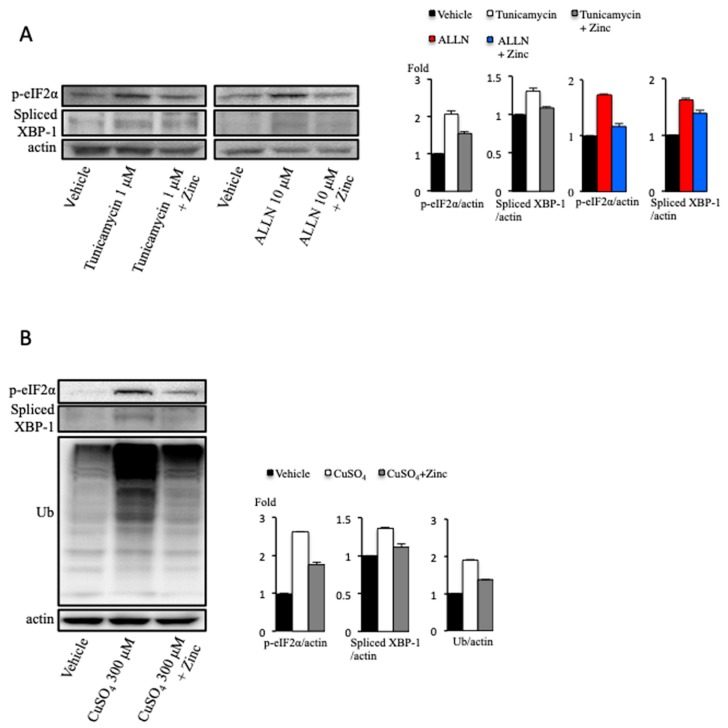
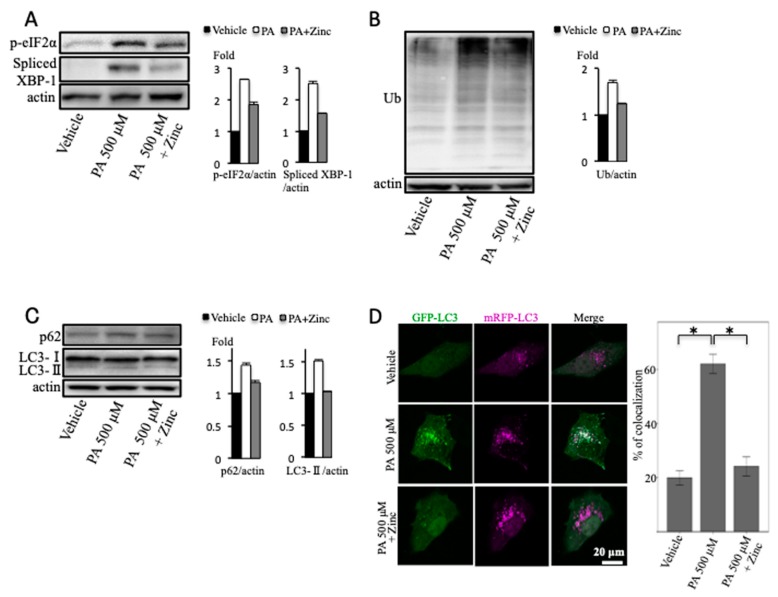
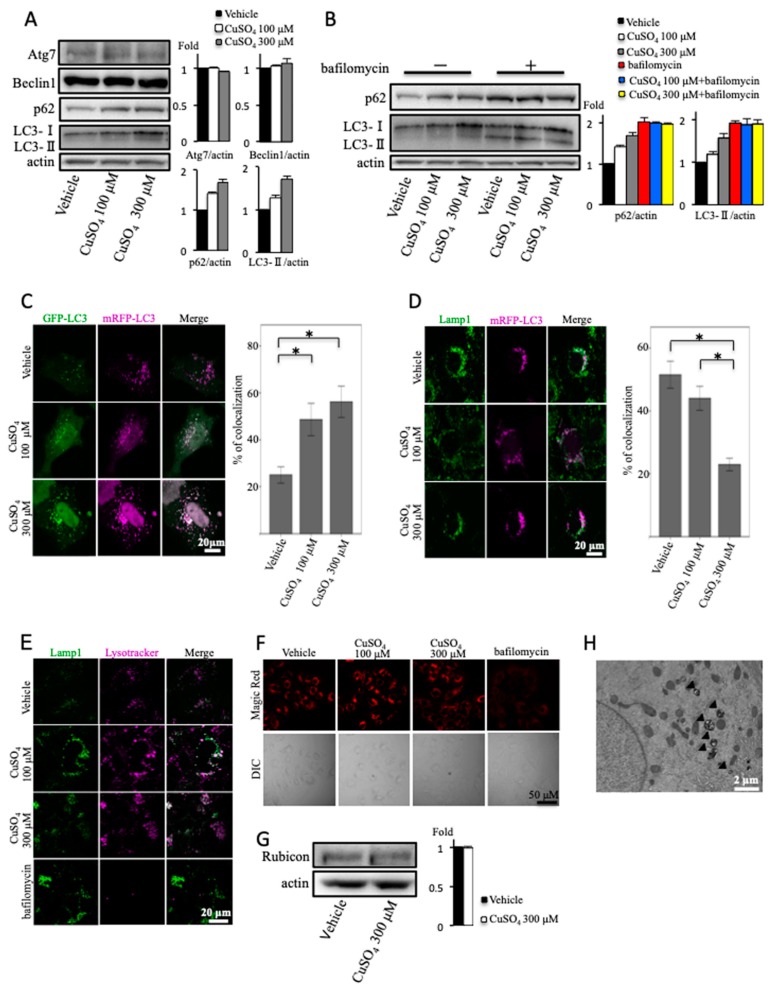
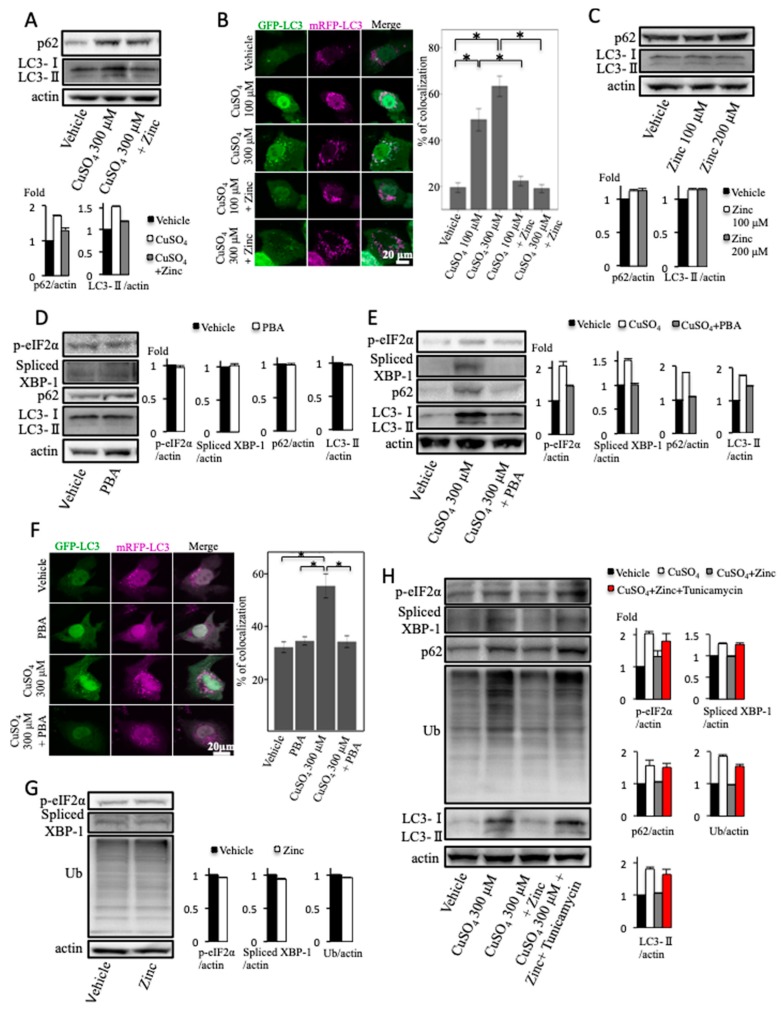
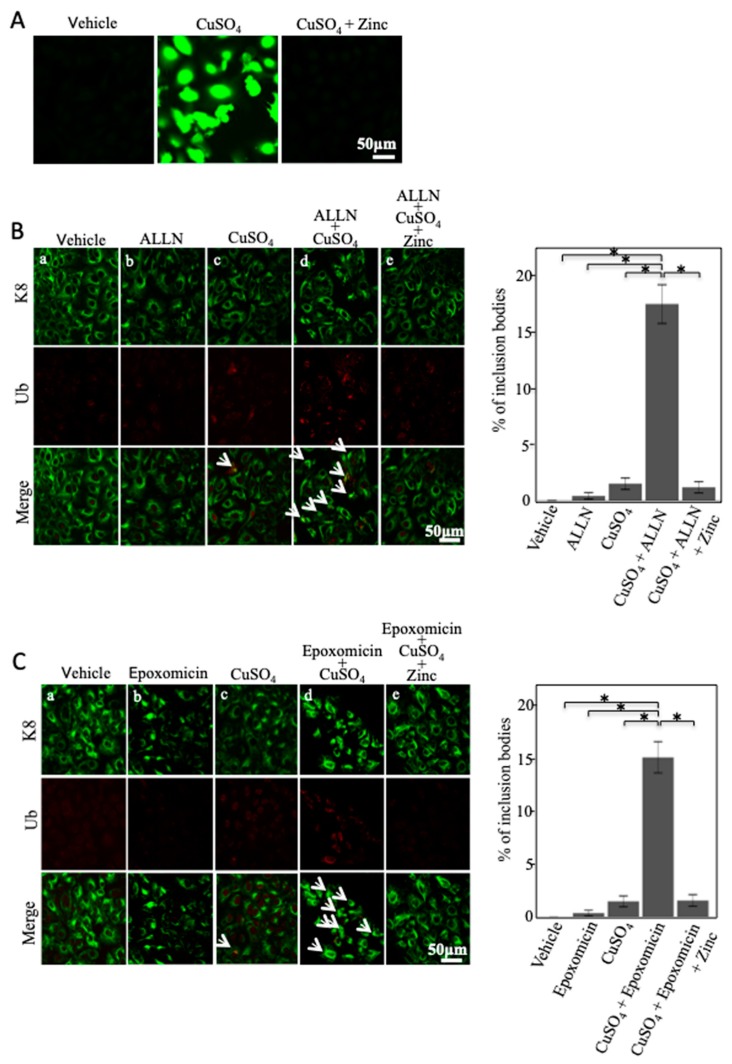
Zinc is an essential trace element and plays critical roles in cellular integrity and biological functions. Excess copper induced both oxidative stress and endoplasmic reticulum (ER) stress in liver-derived cultured cells. Excess copper also induced impairment of autophagic flux at the step of autophagosome-lysosome fusion, as well as Mallory-Denk body (MDB)-like inclusion body formation. Zinc ameliorated excess copper-induced impairment of autophagic flux and MDB-like inclusion body formation via the maintenance of ER homeostasis. Furthermore, zinc also ameliorated free fatty acid-induced impairment of autophagic flux. These results indicate that zinc may be able to protect hepatocytes from various ER stress-related conditions.
锌是一种必需的微量元素,在细胞完整性和生物功能中发挥着关键作用。过量的铜会在肝源性培养细胞中引起氧化应激和内质网(ER)应激。过量的铜还会导致自噬小体-溶酶体融合步骤中的自噬流受损,以及形成 Mallory-Denk 体(MDB)样包涵体。锌通过维持内质网的稳态来改善过量铜引起的自噬流和 MDB 样包涵体形成的损伤。此外,锌还可以改善游离脂肪酸引起的自噬流损伤。这些结果表明,锌可能能够保护肝细胞免受各种与内质网应激相关的情况的影响。