Department of Burns and Plastic Surgery, The Second Affiliated Hospital of Shantou University Medical College, 515041, Shantou, China.
Department of Hepatobiliary Oncology, Sun Yat-sen University Cancer Center, 510060, Guangzhou, China.
Cell Death Dis. 2019 May 8;10(5):369. doi: 10.1038/s41419-019-1603-4.
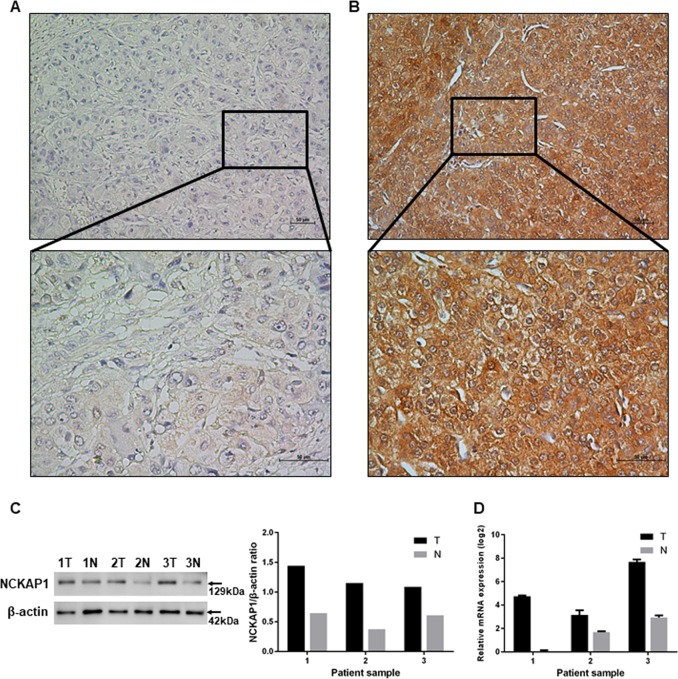
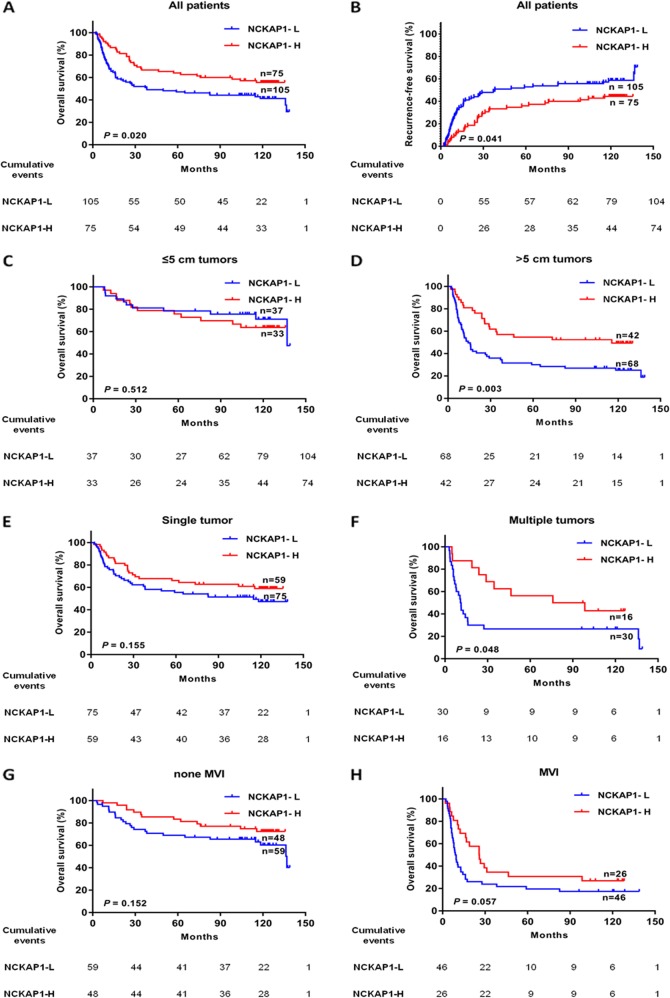
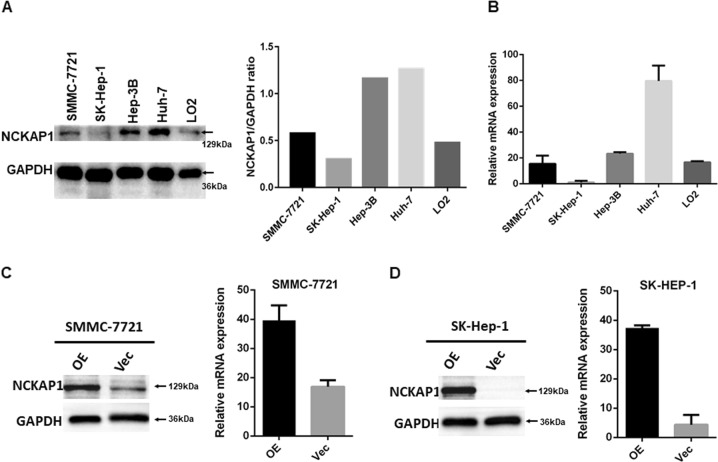
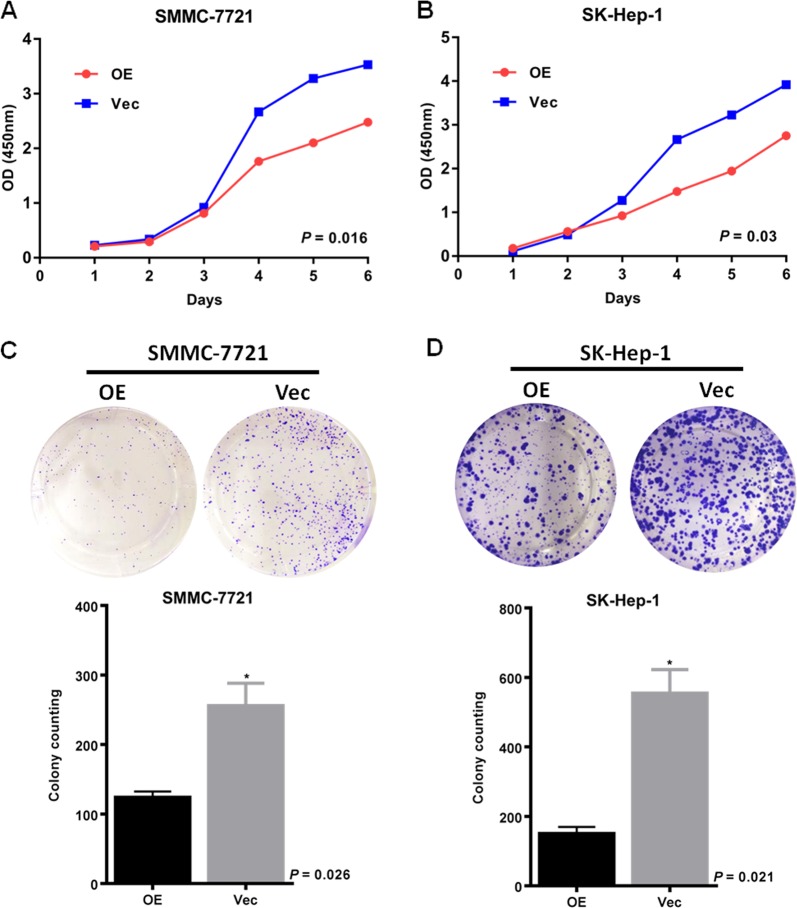
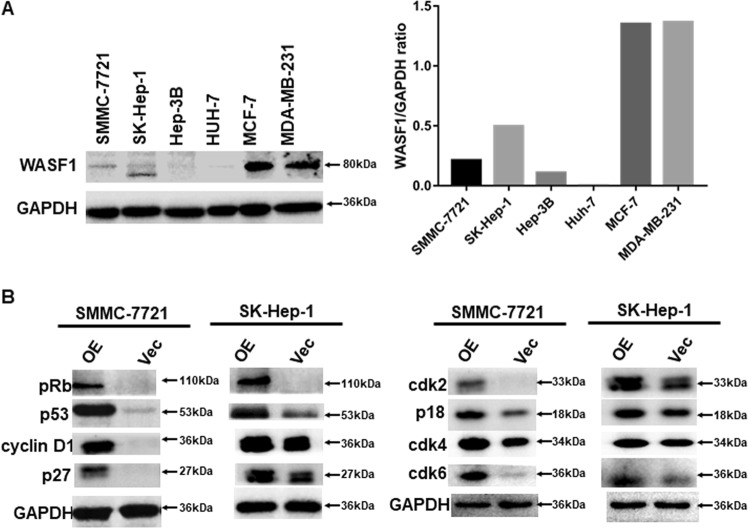
In our previous report, we identified miR-34c-3p as an independent factor contributing to the carcinogenesis of hepatocellular carcinoma (HCC) by targeting NCK Associated Protein 1 (NCKAP1). NCKAP1 has been known to promote the malignancy of cancer cells by disrupting the structural stability of WAS protein family member 1 (WASF1) and is correlated with poor prognosis of patients in several cancer types. Our results, however, show that NCKAP1 is correlated with a favorable outcome in HCC patients. The underlying mechanism of this contradictory phenomenon is unknown. The current study was designed to explore the mechanism of NCKAP1 in HCC. As a result, clinicopathological correlations and results from in vivo and in vitro models indicated that NCKAP1 was a tumor suppressor gene. Cell cycle analysis suggested that NCKAP1 inhibit cells from entering G2/M phase. Western blot analysis showed that WASF1 was barely expressed in HCC cell lines compared to that of breast cancer cell lines, which serve as positive controls. Furthermore, Rb1 and p53 expression was upregulated in cell lines overexpressing NCKAP1. Expression of several cell cycle regulating proteins also varied in the HCC cell lines. In conclusion, although previous studies have identified NCKAP1 as a cell invasion promoter by binding to WASF1, we found that NCKAP1 is a tumor suppress gene that modulates the cell cycle of HCC cell lines by targeting Rb1/p53 regulation.
在我们之前的报告中,我们发现 miR-34c-3p 通过靶向 NCK 相关蛋白 1(NCKAP1)是肝癌(HCC)发生的独立因素。已知 NCKAP1 通过破坏 WAS 蛋白家族成员 1(WASF1)的结构稳定性来促进癌细胞的恶性转化,并且与几种癌症类型的患者预后不良相关。然而,我们的结果表明 NCKAP1 与 HCC 患者的良好预后相关。这种矛盾现象的潜在机制尚不清楚。本研究旨在探讨 NCKAP1 在 HCC 中的作用机制。临床病理相关性以及体内和体外模型的结果表明,NCKAP1 是一种肿瘤抑制基因。细胞周期分析表明,NCKAP1 抑制细胞进入 G2/M 期。Western blot 分析表明,与作为阳性对照的乳腺癌细胞系相比,HCC 细胞系中 WASF1 的表达几乎检测不到。此外,在过表达 NCKAP1 的细胞系中,Rb1 和 p53 的表达上调。几种细胞周期调节蛋白的表达在 HCC 细胞系中也发生了变化。总之,尽管先前的研究已经确定 NCKAP1 通过与 WASF1 结合作为细胞侵袭促进剂,但我们发现 NCKAP1 是一种肿瘤抑制基因,通过靶向 Rb1/p53 调节来调节 HCC 细胞系的细胞周期。