Barts Liver Centre, Blizard Institute, Queen Mary University of London, London, UK.
Medical Research Council, University of Glasgow Centre for Virus Research, Glasgow, UK.
Gastroenterology. 2019 Sep;157(3):692-704.e9. doi: 10.1053/j.gastro.2019.05.007. Epub 2019 May 10.
BACKGROUND & AIMS: Sofosbuvir is a frequently used pan-genotype inhibitor of hepatitis C virus (HCV) polymerase. This drug eliminates most chronic HCV infections, and resistance-associated substitutions in the polymerase are rare. However, HCV genotype 3 responds slightly less well to sofosbuvir-based therapies than other genotypes. We collected data from England's National Health Service Early Access Program to search for virus factors associated with sofosbuvir treatment failure.
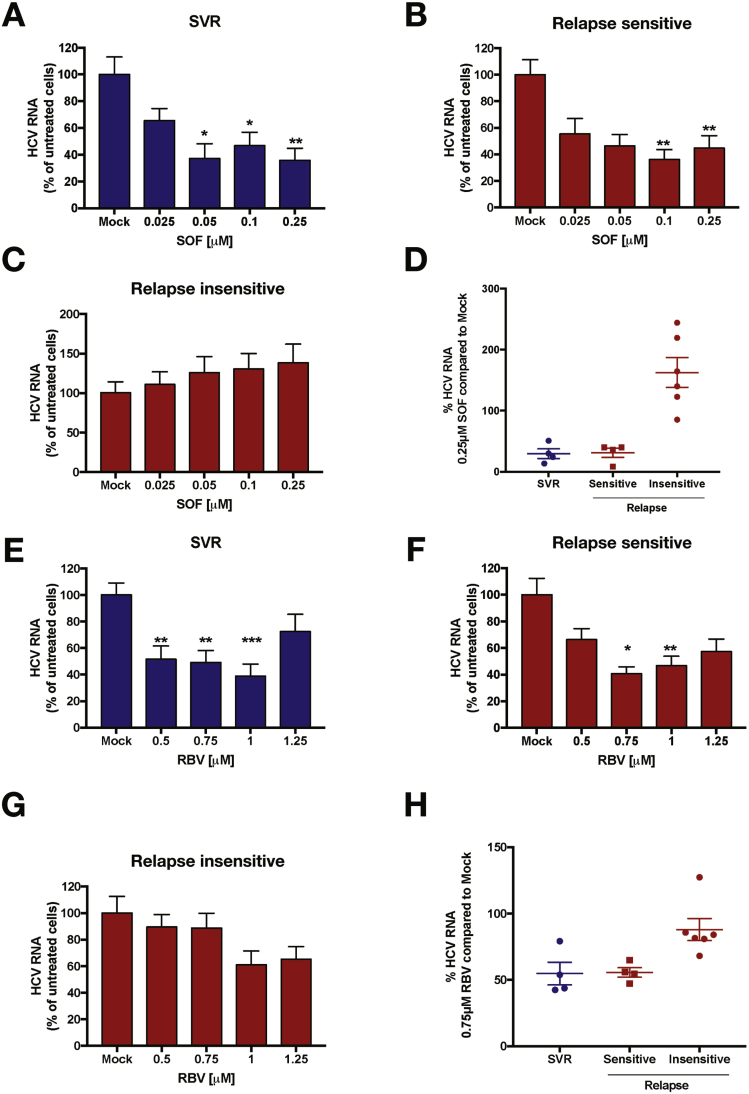
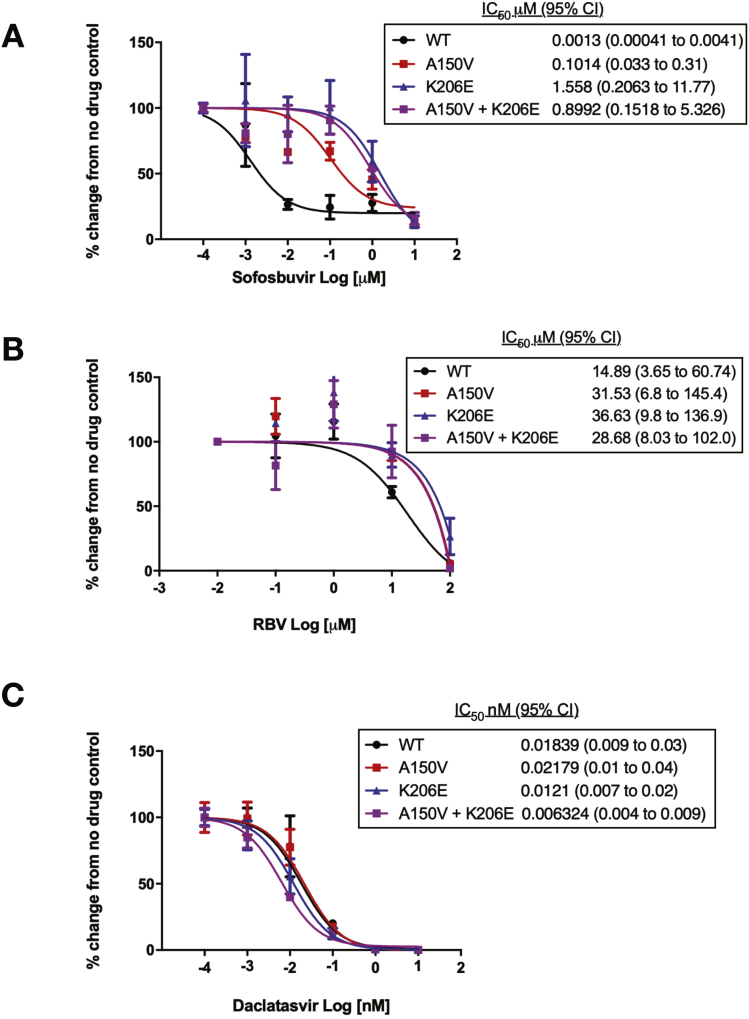
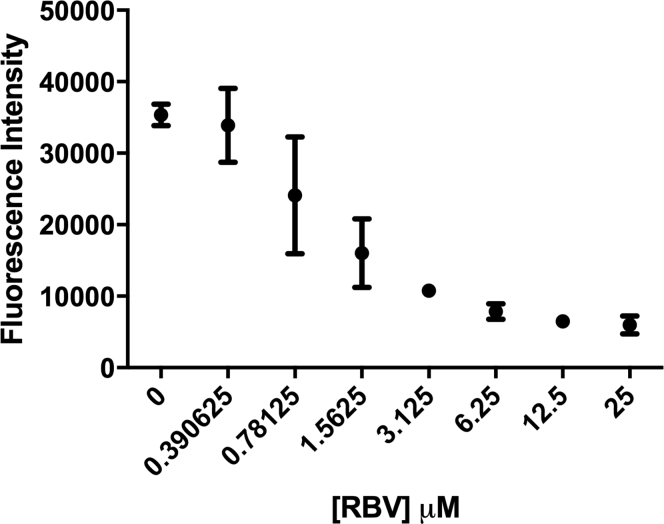
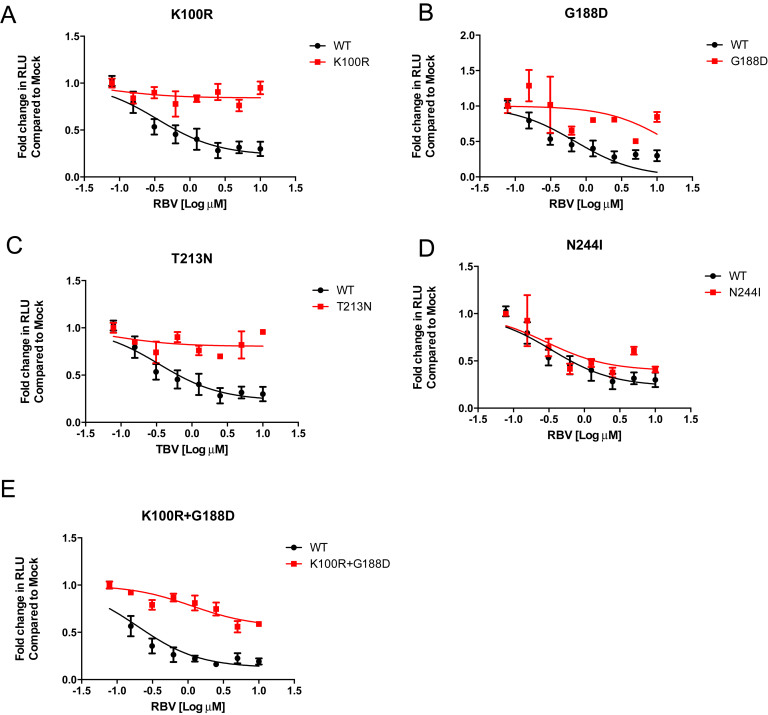
We collected patient serum samples and used the capture-fusion assay to assess viral sensitivity to sofosbuvir in 14 HCV genotype 3 samples. We identified polymorphisms associated with reduced response and created modified forms of HCV and replicons containing the substitutions of interest and tested their sensitivity to sofosbuvir and ribavirin. We examined the effects of these polymorphisms by performing logistic regression multivariate analysis on their association with sustained virologic response in a separate cohort of 411 patients with chronic HCV genotype 3 infection who had been treated with sofosbuvir and ribavirin, with or without pegylated interferon.
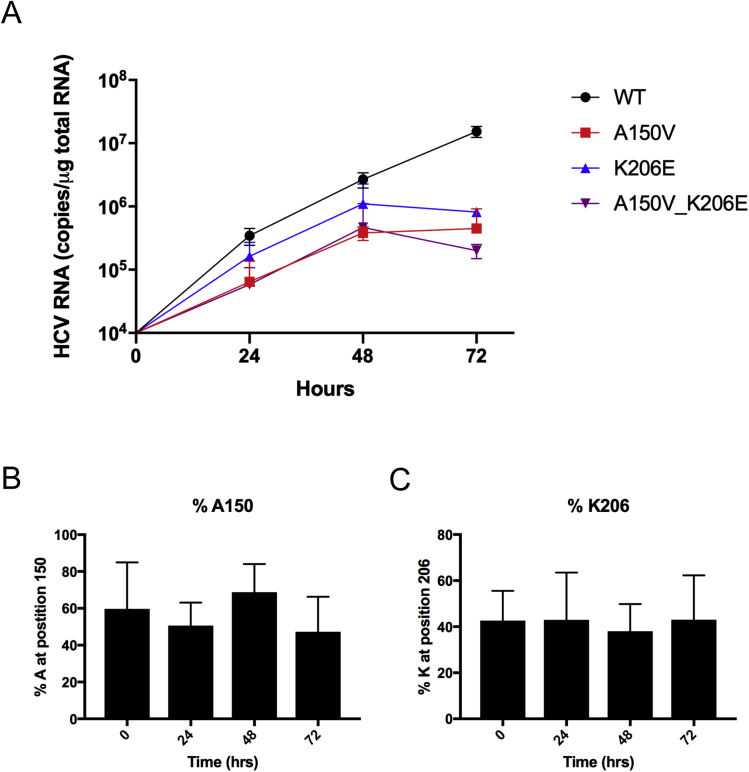
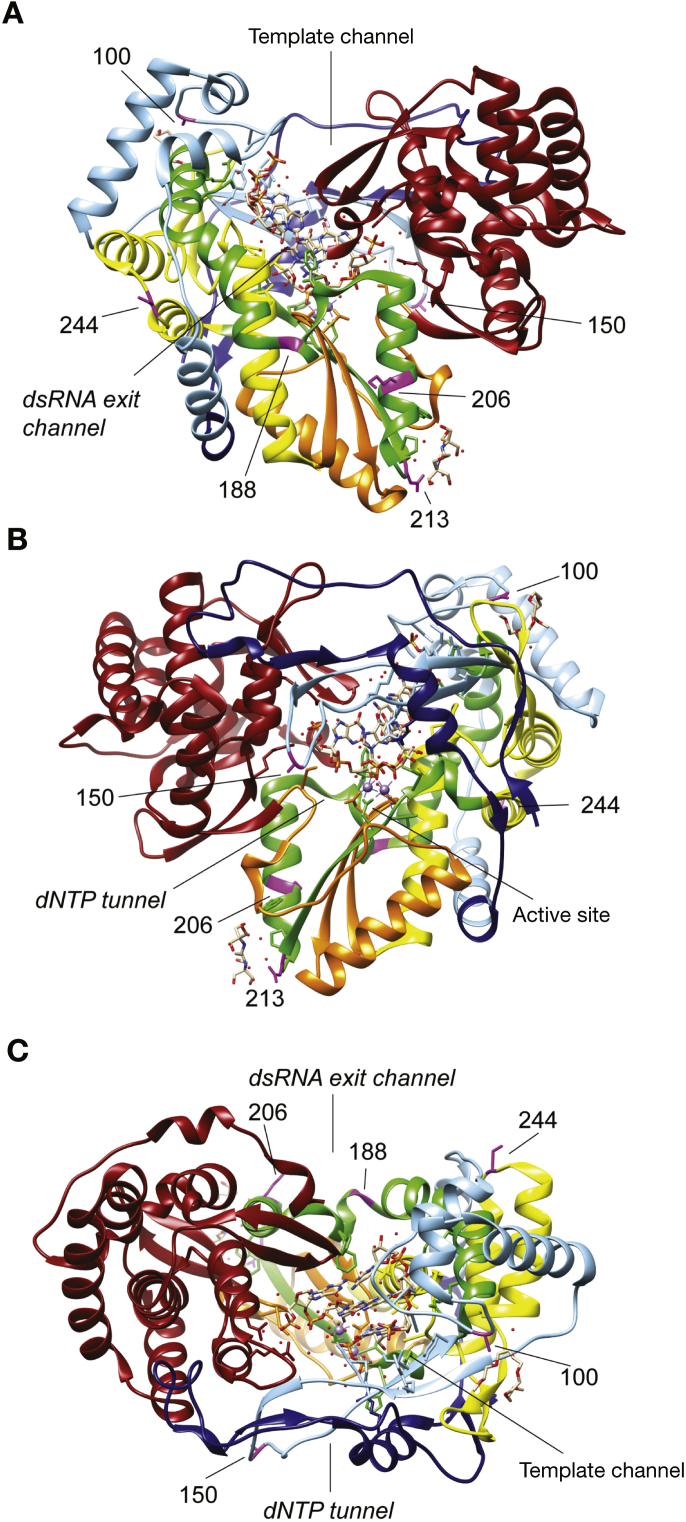
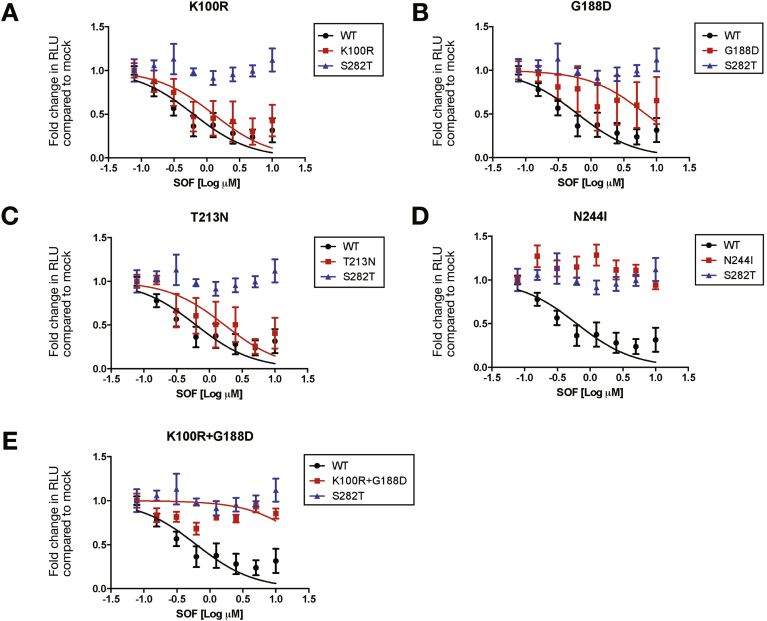
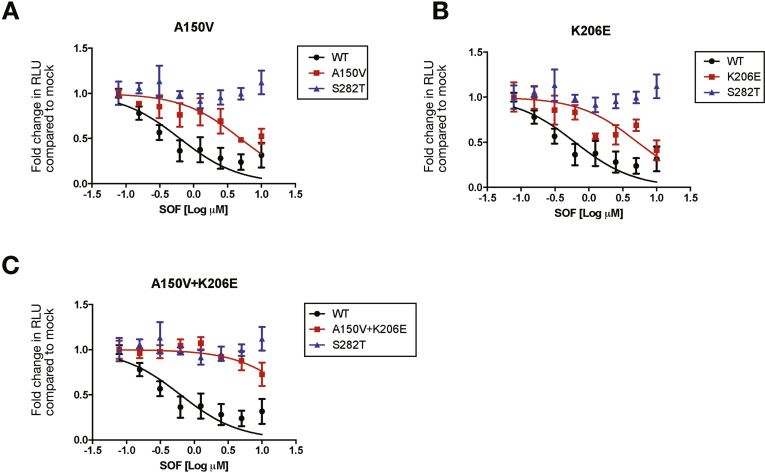
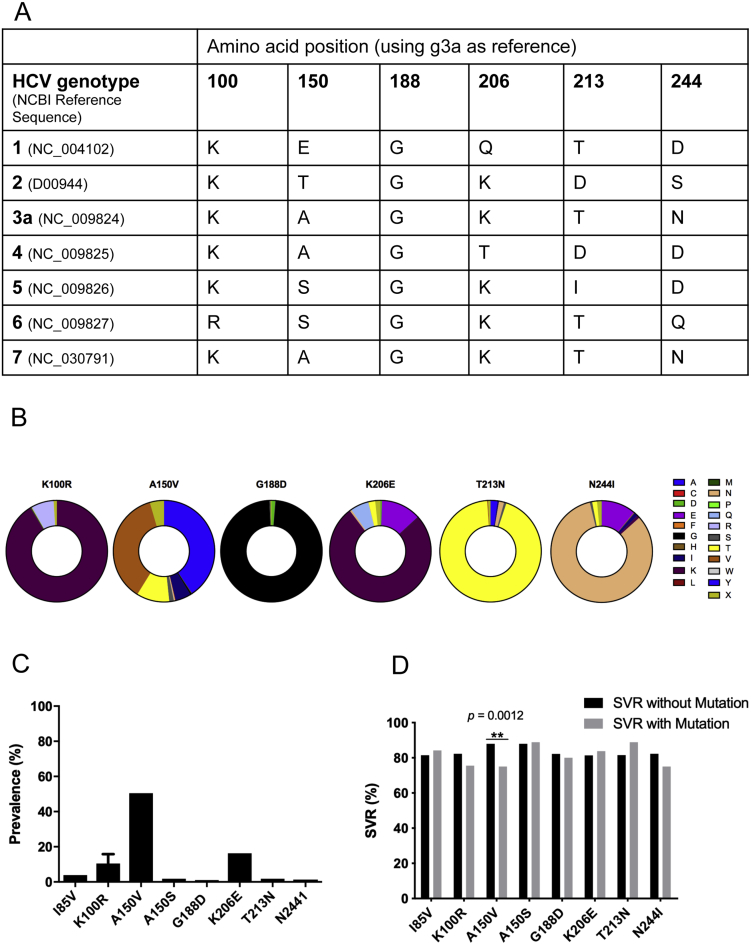
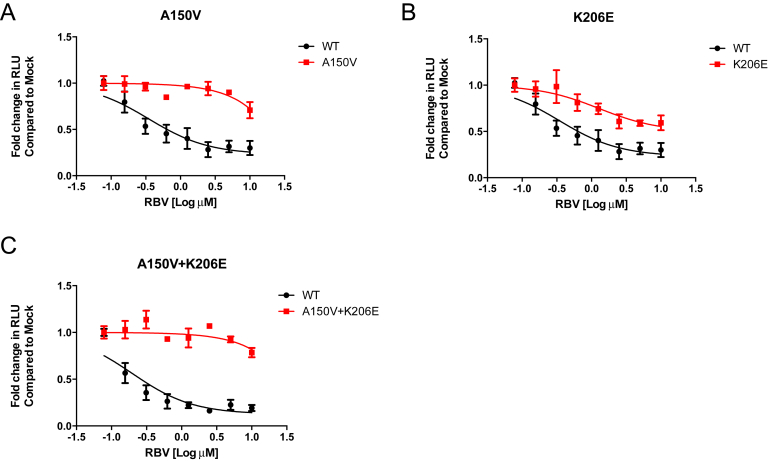
We identified a substitution in the HCV genotype 3a NS5b polymerase at amino acid 150 (alanine [A] to valine [V]), V at position 150 was observed in 42% of patients) with a reduced response to sofosbuvir in virus replication assays. In patients treated with sofosbuvir-containing regimens, the A150V variant was associated with a reduced response to treatment with sofosbuvir and ribavirin, with or without pegylated interferon. In 326 patients with V at position 150, 71% achieved an sustained virologic response compared to 88% with A at position 150. In cells, V at position 150 reduced the response to sofosbuvir 7-fold. We found that another rare substitution, glutamic acid (E) at position 206, significantly reduced the response to sofosbuvir (8.34-fold reduction); the combinations of V at position 150 and E at position 206 reduced the virus response to sofosbuvir 35.77-fold. Additionally, in a single patient, we identified 5 rare polymorphisms that reduced sensitivity to sofosbuvir our cell system.
A common polymorphism, V at position 150 in the HCV genotype 3a NS5b polymerase, combined with other variants, reduces the virus response to sofosbuvir. Clinically, infection with HCV genotype 3 containing this variant reduces odds of sustained virologic response. In addition, we identified rare combinations of variants in HCV genotype 3 that reduce response to sofosbuvir.
索非布韦是一种常用于治疗丙型肝炎病毒(HCV)聚合酶的泛基因型抑制剂。这种药物消除了大多数慢性 HCV 感染,并且聚合酶中的耐药相关取代很少见。然而,与其他基因型相比,HCV 基因型 3 对索非布韦为基础的治疗反应稍差。我们从英国国家医疗服务体系早期获取计划中收集数据,以寻找与索非布韦治疗失败相关的病毒因素。
我们收集了患者的血清样本,并使用捕获融合测定法在 14 例 HCV 基因型 3 样本中评估病毒对索非布韦的敏感性。我们确定了与反应降低相关的多态性,并创建了含有感兴趣取代的 HCV 及其复制子的改良形式,并测试了它们对索非布韦和利巴韦林的敏感性。我们通过对接受索非布韦和利巴韦林治疗的 411 例慢性 HCV 基因型 3 感染患者的单独队列进行多变量逻辑回归分析,对这些多态性的影响进行了研究,这些患者无论是否接受聚乙二醇干扰素治疗。
我们在 HCV 基因型 3a NS5b 聚合酶的氨基酸 150 处发现了一个取代(丙氨酸[A]到缬氨酸[V]),在 42%的患者中观察到了位置 150 的 V 取代,在病毒复制试验中对索非布韦的反应降低。在接受索非布韦治疗的患者中,位置 150 的 A150V 变体与索非布韦和利巴韦林联合治疗的反应降低相关,无论是否联合使用聚乙二醇干扰素。在 326 例位置 150 为 V 的患者中,71%的患者达到持续病毒学应答,而位置 150 为 A 的患者为 88%。在细胞中,位置 150 的 V 降低了对索非布韦的反应 7 倍。我们发现另一种罕见的取代,位置 206 的谷氨酸(E),显著降低了对索非布韦的反应(降低 8.34 倍);位置 150 的 V 和位置 206 的 E 的组合将病毒对索非布韦的反应降低了 35.77 倍。此外,在一名患者中,我们在我们的细胞系统中发现了 5 种降低索非布韦敏感性的罕见多态性。
HCV 基因型 3a NS5b 聚合酶中位置 150 的常见多态性 V 与其他变体结合,降低了病毒对索非布韦的反应。临床上,感染含有这种变体的 HCV 基因型 3 会降低持续病毒学应答的几率。此外,我们还发现了 HCV 基因型 3 中降低索非布韦反应的罕见变体组合。