Molecular Oncology, King Faisal Specialist Hospital and Research Centre, Riyadh, Saudi Arabia; Developmental and Stem Cell Biology, The Hospital for Sick Children, Toronto, Ontario, Canada; Park View Specialized Hospital, Chittagong, Bangladesh.
Mohammed Bin Rashid University of Medicine and Health Sciences, College of Medicine, Dubai, United Arab Emirates; The Centre for Applied Genomics, Department of Genetics and Genome Biology, The Hospital for Sick Children, Toronto, Ontario, Canada.
EBioMedicine. 2019 May;43:211-224. doi: 10.1016/j.ebiom.2019.04.061. Epub 2019 May 10.
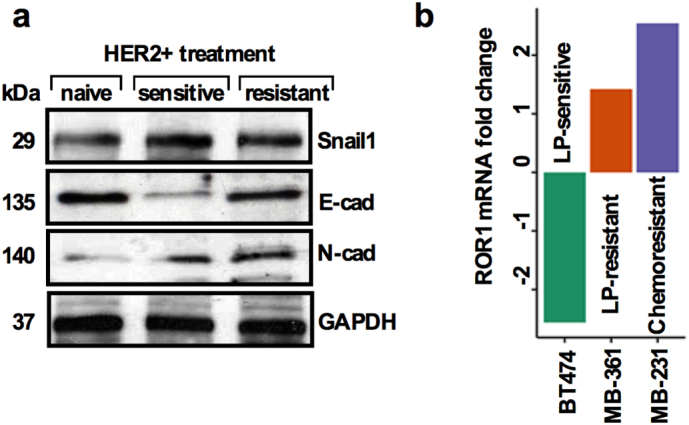
A newly developed drug trastuzumab emtansine (T-DM1) has improved the survival of breast cancer (BC) patients. Despite an impressive initial clinical response, a subgroup of patient develop resistance and present therapeutic challenges. The underlying resistance mechanisms are not fully investigated. We report that T-DM1 treatment modulates the expression of ROR1 (type 1 receptor tyrosine kinase-like orphan receptor) and induces self-renewal of cancer stem cells (CSCs) leading to therapeutic resistance.
Using BC patient tumor samples, and BC cell lines we gained insight into the T-DM1 treatment induced ROR1 overexpression and resistance. In vitro sphere forming assays and in vivo extreme dilution assays were employed to analyze the stemness and self-renewal capacity of the cells. A series of molecular expression and protein assays including qRT-PCR, FACS-sorting, ELISA, immunostaining, Western blotting were used to provide evidence.
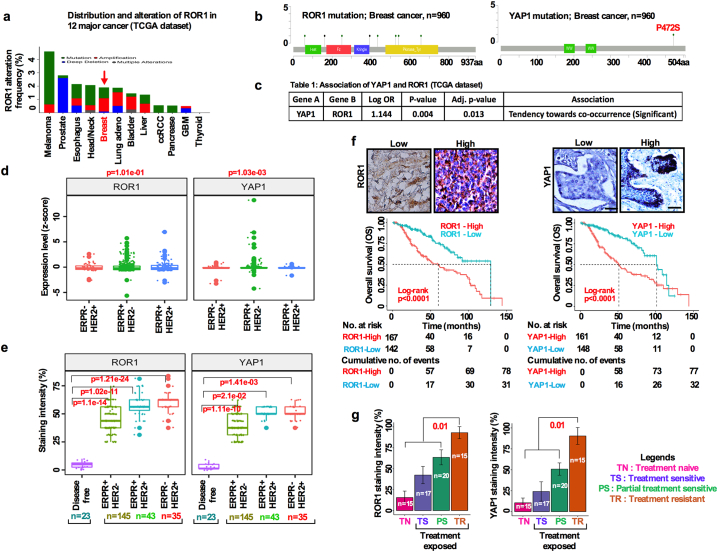
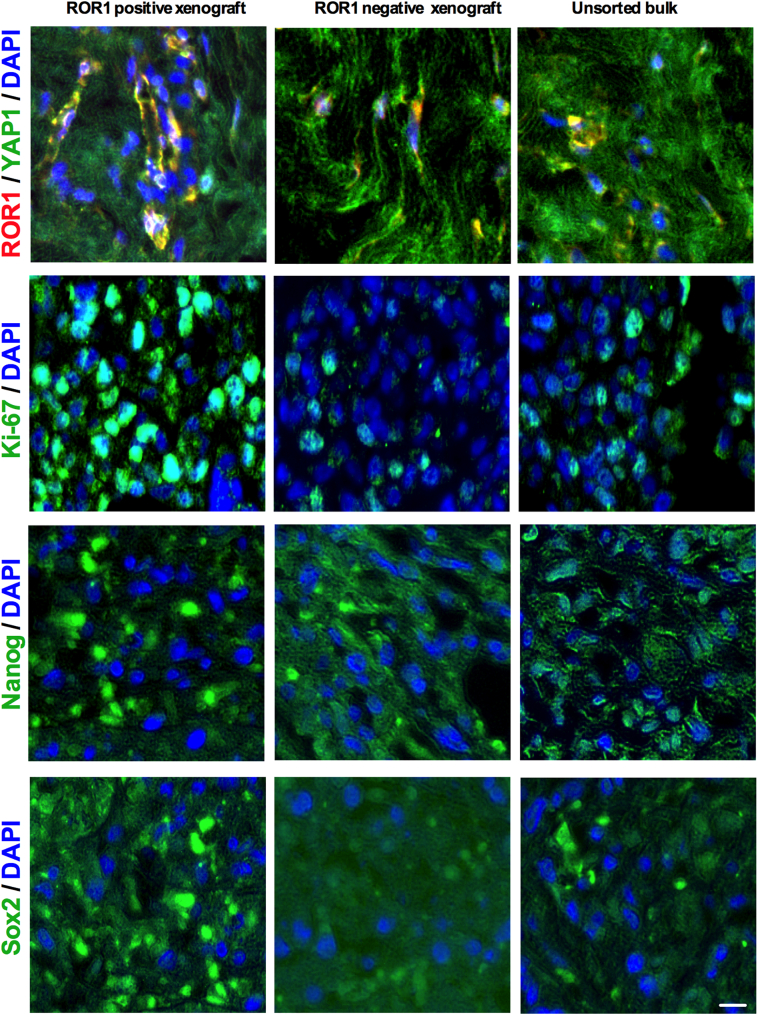
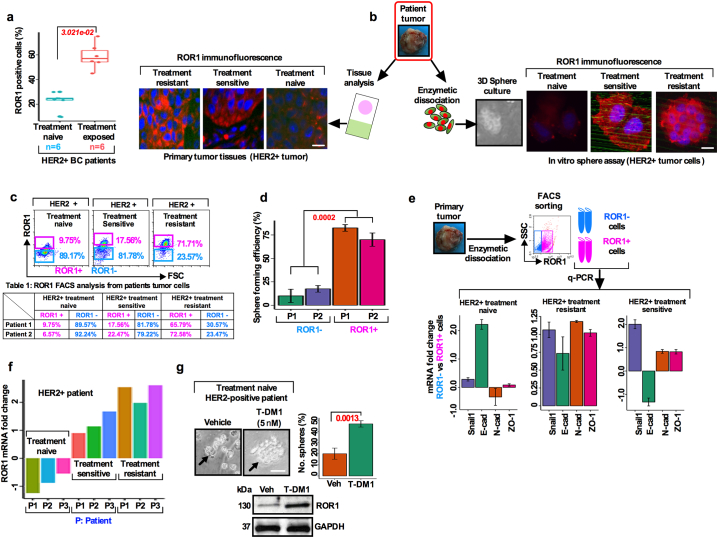
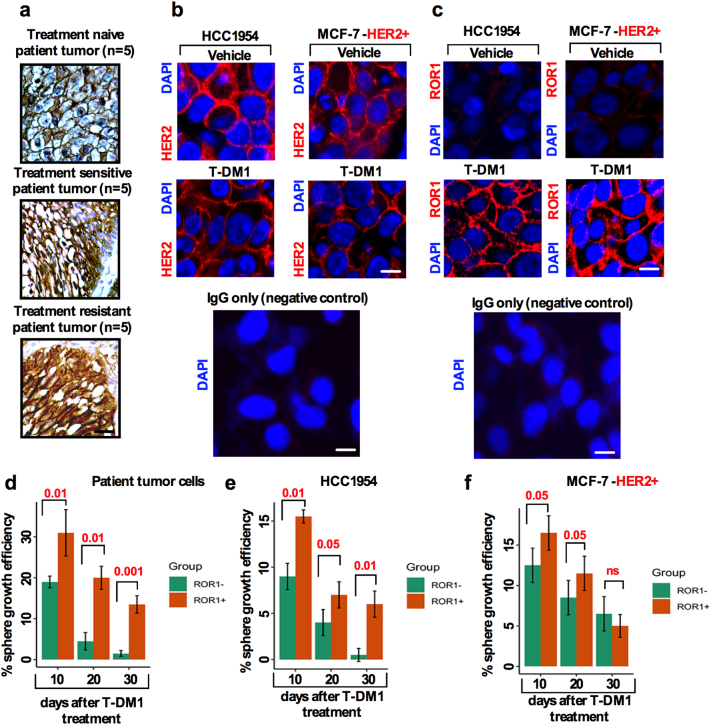
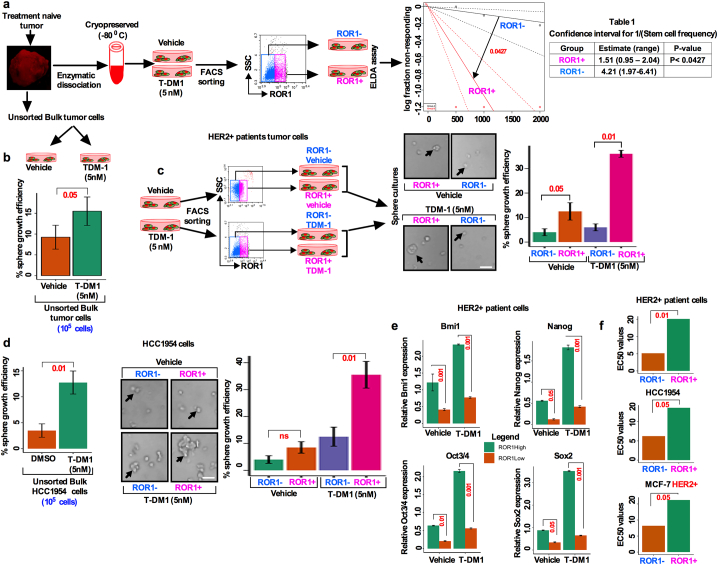
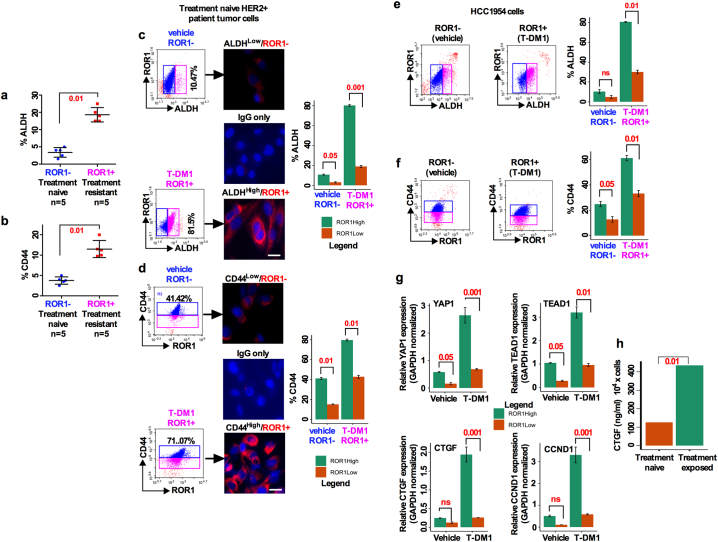
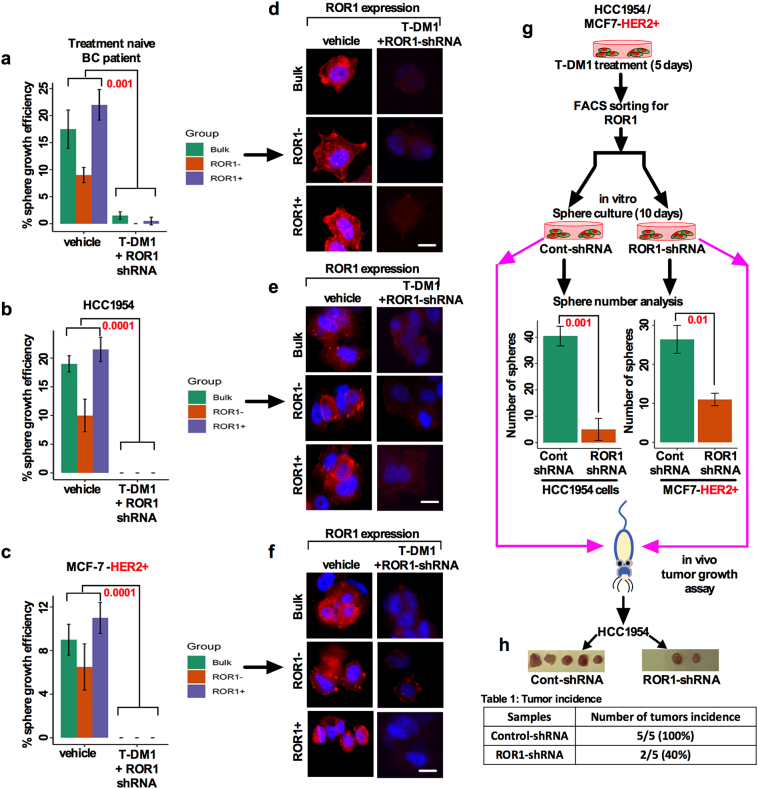
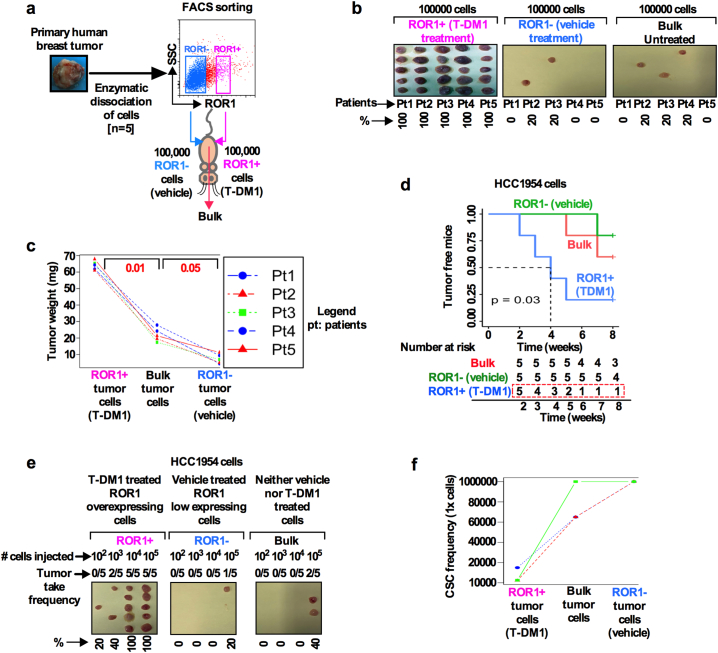
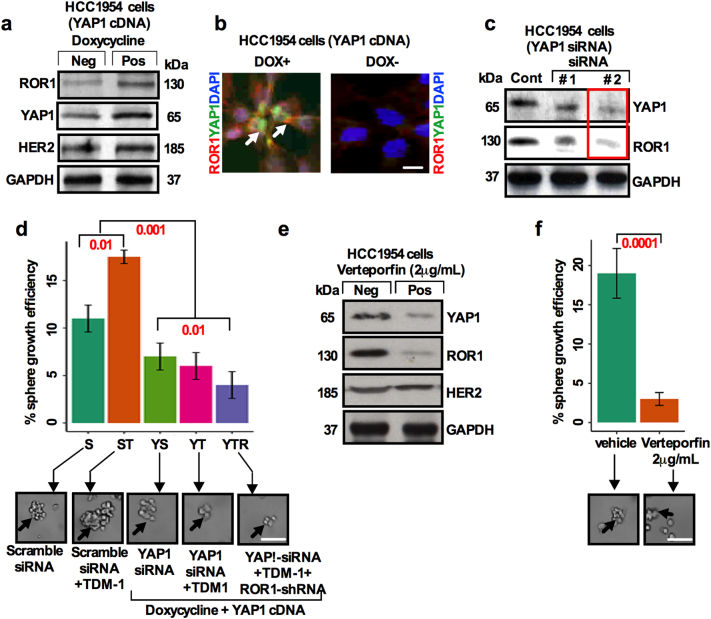
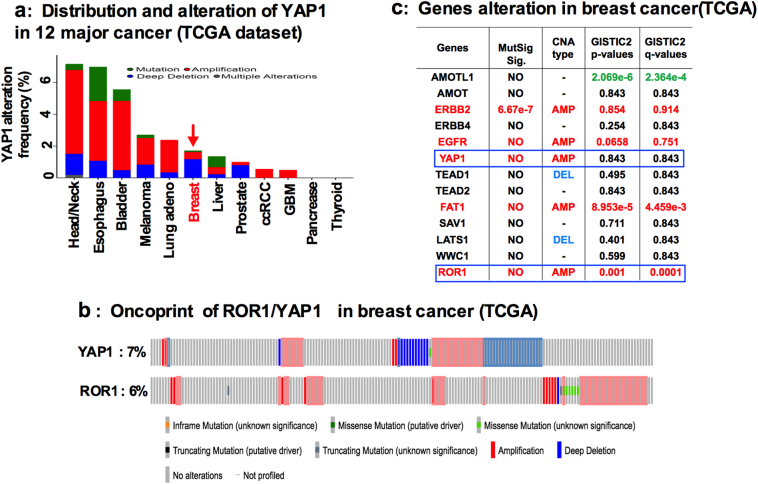
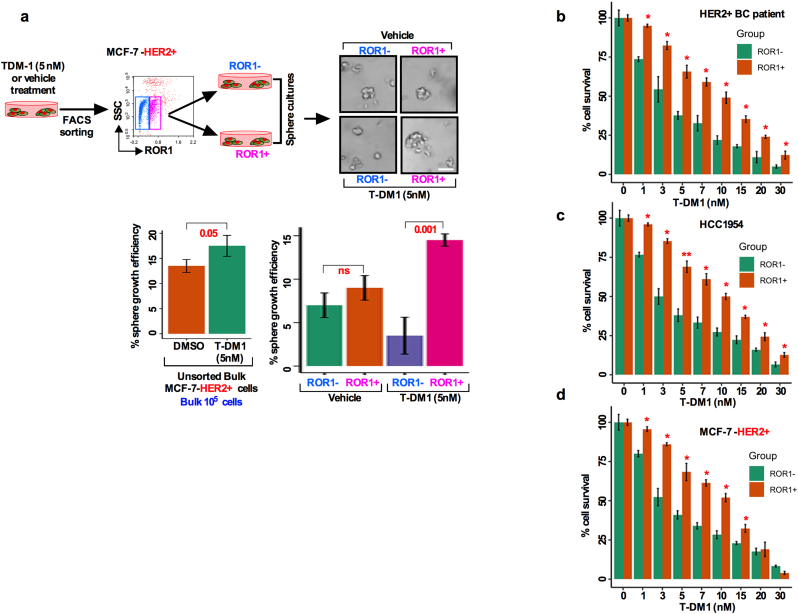
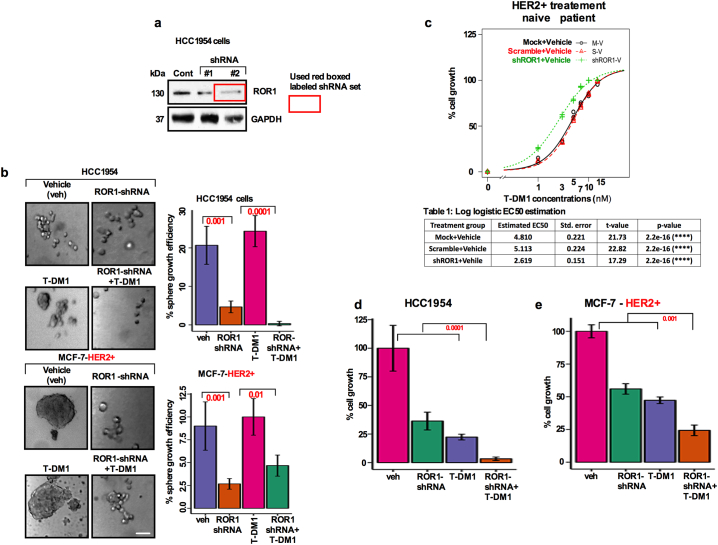
Exposure of cells to T-DM1 shifted ROR1 expression from low to high, enriched within the CSC subpopulation, coincident with increased Bmi1 and stemness factors. T-DM1 induced ROR1 cells showed high spheroid and tumor forming efficiency in vitro and in an animal model exhibiting shorter tumor-free time. Mechanistically, the overexpression of ROR1 is partly induced by the activation of YAP1 and its target genes. Silencing of ROR1 and YAP1 by pharmacologic inhibitors and/or sh/siRNA inhibited spheroid formation, the initiation of tumors and the capacity for self-renewal and ROR1 overexpression.
The results presented here indicate that simultaneous targeting of ROR1 and YAP1 may suppress CSC self-renewal efficacy and inhibit tumor progression in BC. In this manner such treatments may overcome the T-DM1 mediated therapeutic resistance and improve clinical outcome. FUND: This study was supported by Neurogen Technologies for interdisciplinary research.
一种新开发的药物曲妥珠单抗-美坦新偶联物(T-DM1)提高了乳腺癌(BC)患者的生存率。尽管初始临床反应令人印象深刻,但仍有一部分患者产生了耐药性,这带来了治疗挑战。潜在的耐药机制尚未完全研究。我们报告 T-DM1 治疗会调节 ROR1(1 型受体酪氨酸激酶样孤儿受体)的表达,并诱导癌症干细胞(CSC)自我更新,从而导致耐药性。
使用 BC 患者肿瘤样本和 BC 细胞系,我们深入了解了 T-DM1 治疗诱导的 ROR1 过表达和耐药性。我们采用体外球体形成实验和体内极端稀释实验分析了细胞的干性和自我更新能力。采用一系列分子表达和蛋白检测实验,包括 qRT-PCR、FACS 分选、ELISA、免疫染色、Western blot 等,为提供证据。
细胞暴露于 T-DM1 后,ROR1 的表达从低水平转变为高水平,并在 CSC 亚群中富集,同时伴随着 Bmi1 和干性因子的增加。T-DM1 诱导的 ROR1 细胞在体外和动物模型中具有高球体和成瘤效率,表现出较短的无瘤时间。从机制上讲,ROR1 的过表达部分是由 YAP1 的激活及其靶基因诱导的。通过药理抑制剂和/或 sh/siRNA 沉默 ROR1 和 YAP1 抑制了球体形成、肿瘤起始以及自我更新和 ROR1 过表达的能力。
这里呈现的结果表明,同时靶向 ROR1 和 YAP1 可能抑制 CSC 的自我更新效力并抑制 BC 中的肿瘤进展。通过这种方式,这种治疗方法可能克服 T-DM1 介导的治疗耐药性并改善临床结局。
本研究得到了 Neurogen 技术跨学科研究的支持。