Department of Gastrointestinal Medical Oncology, Harbin Medical University Cancer Hospital, Harbin, 150000, China.
BMC Cancer. 2019 May 16;19(1):459. doi: 10.1186/s12885-019-5683-4.
Gastric cancer ranks the fifth most common cancer, and the third leading cause of cancer-related deaths worldwide. Gastric cancer with liver metastasis (GCLM) has devastating prognosis, however, optimal treatment of GCLM, especially in elderly patients, has yet to be clarified.
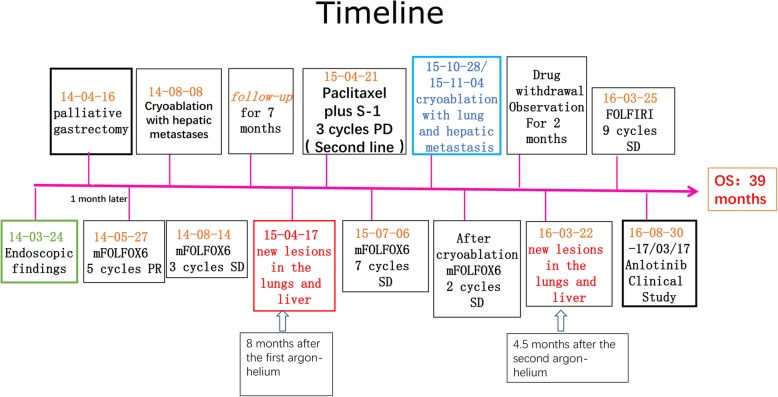
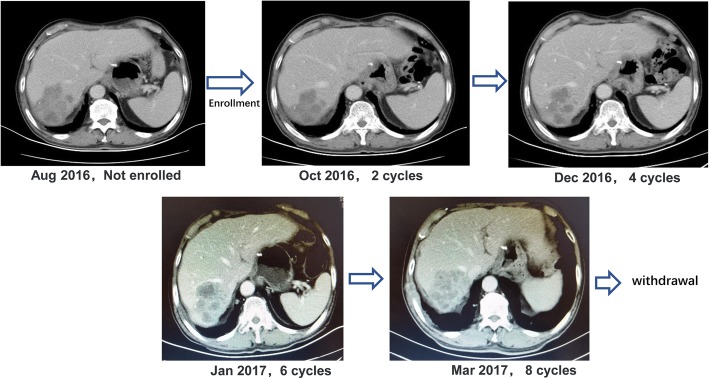
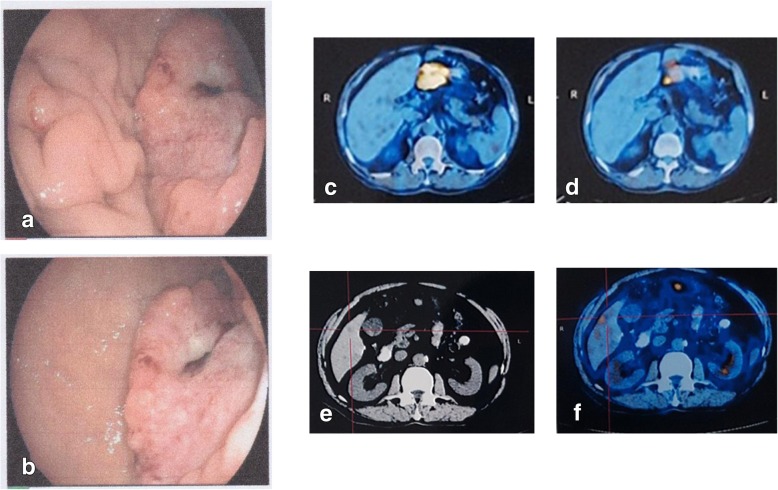
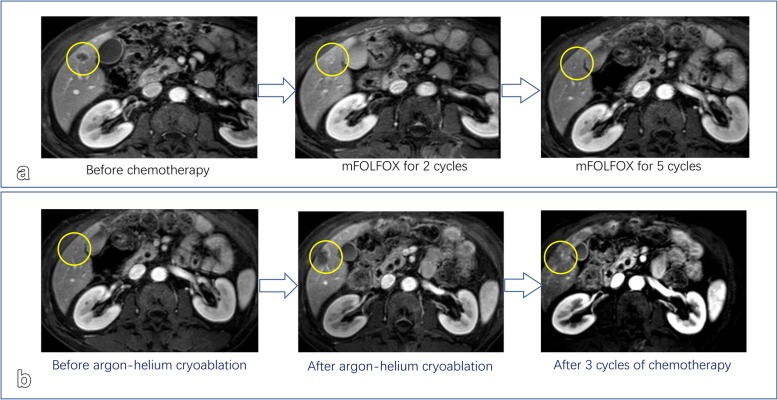
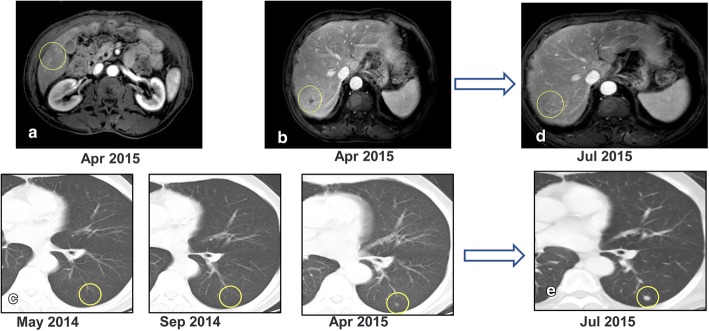
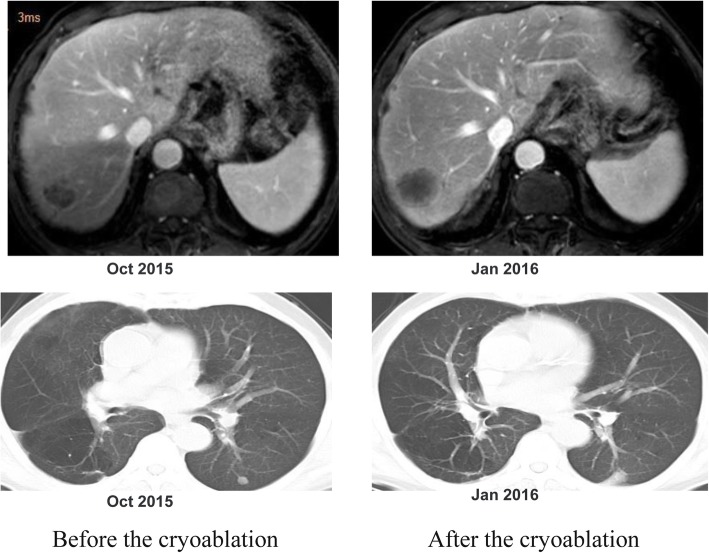
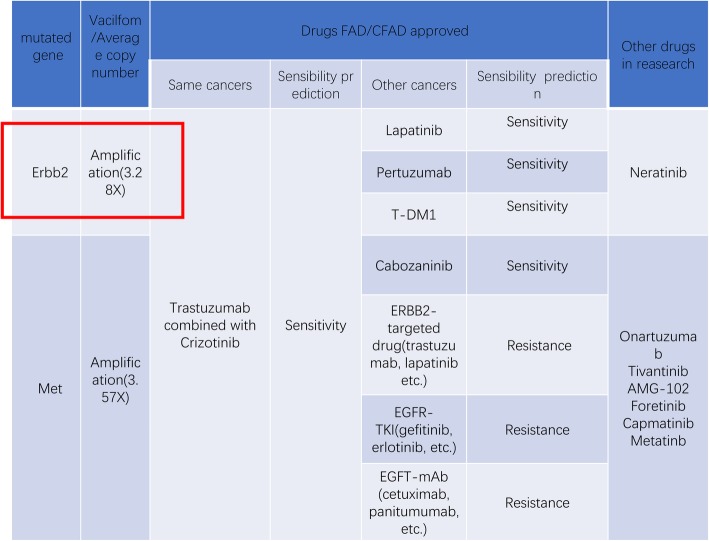
A 75-year-old man was diagnosed with advanced gastric cancer (GC), presenting with acute gastrointestinal bleeding and synchronous metastatic lesion in liver. Based on multidisciplinary team (MDT)'s decision, this patient underwent distal palliative gastrectomy with R1 margin. Histopathological diagnosis was stage IV gastric adenocarcinoma (pT3N2M1), HER2 negative. The patient was treated with chemotherapy and argon-helium cryoablation of liver and lung metastases.HER-2 gene amplification was identified in peripheral blood at later stage of therapy. The patient had been followed-up for 39 months, in sharp contrast to a median survival time of 13.8 months for majority of advanced GC.
Palliative distal gastrectomy in combination with chemotherapy and cryoablation significantly prolongs overall survival of an elderly patient with GCLM.
胃癌位居全球第五大常见癌症之列,也是癌症相关死亡的第三大主要原因。胃肝转移癌(GCLM)预后极差,然而,GCLM 的最佳治疗方法,特别是在老年患者中,尚未得到明确。
一名 75 岁男性被诊断为晚期胃癌(GC),表现为急性胃肠道出血和同步肝转移病灶。根据多学科团队(MDT)的决定,该患者接受了 R1 切缘的远端姑息性胃切除术。组织病理学诊断为 IV 期胃腺癌(pT3N2M1),HER2 阴性。患者接受了化疗和氩氦冷冻消融肝和肺转移灶的治疗。在治疗后期,在外周血中发现了 HER-2 基因扩增。患者接受了 39 个月的随访,与大多数晚期 GC 的中位生存时间 13.8 个月形成鲜明对比。
姑息性远端胃切除术联合化疗和冷冻消融显著延长了 GCLM 老年患者的总生存期。