Department of Bioinformatics and Biosciences, Capital University of Science and Technology, Islamabad, Pakistan.
College of Life Sciences and Biotechnology, The State Key Laboratory of Microbial Metabolism, Shanghai Jiao Tong University, Shanghai, China.
Sci Rep. 2019 May 16;9(1):7482. doi: 10.1038/s41598-019-44013-9.
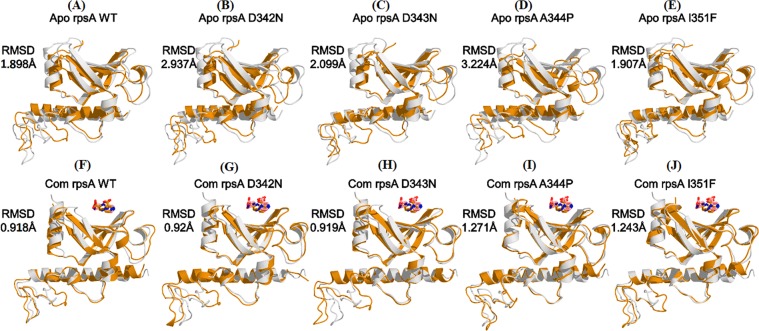
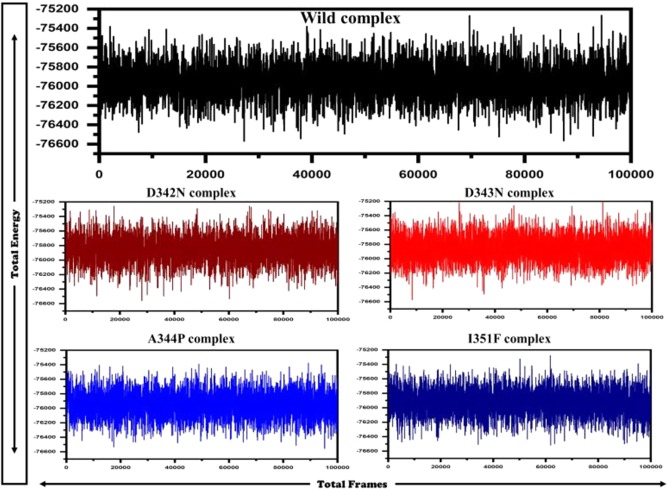
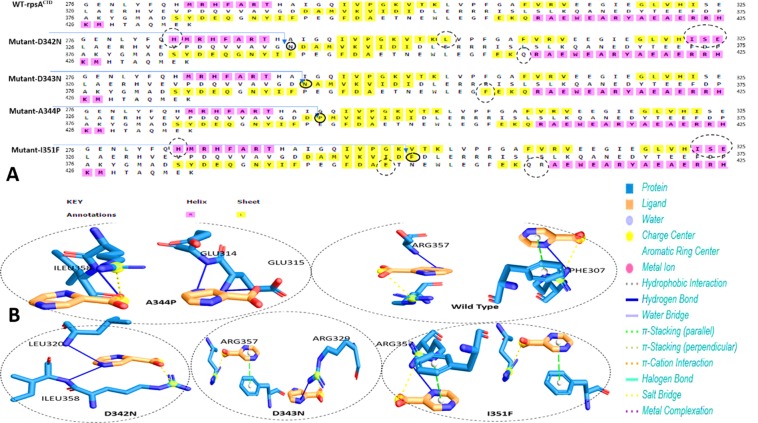
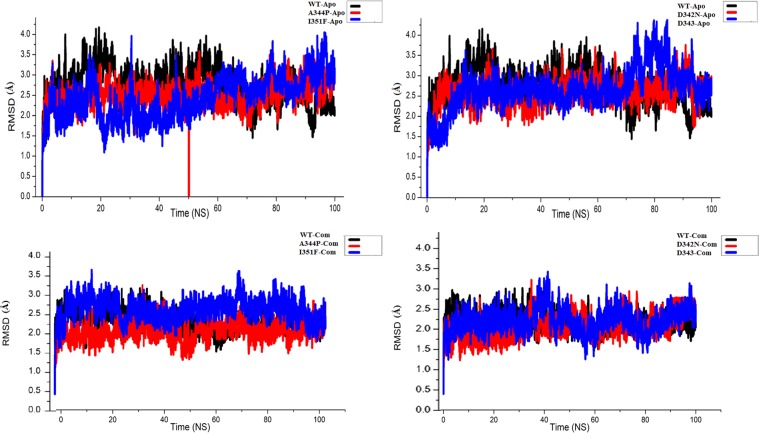
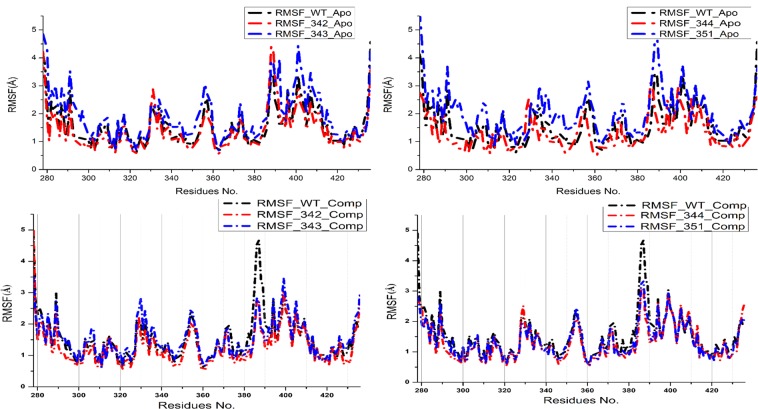
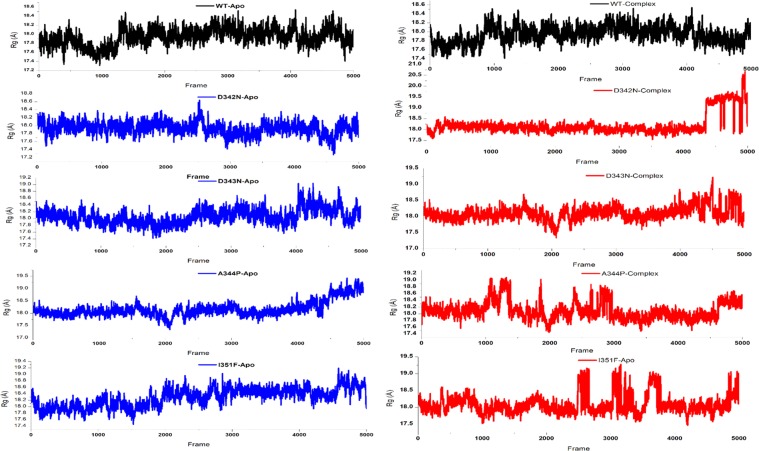
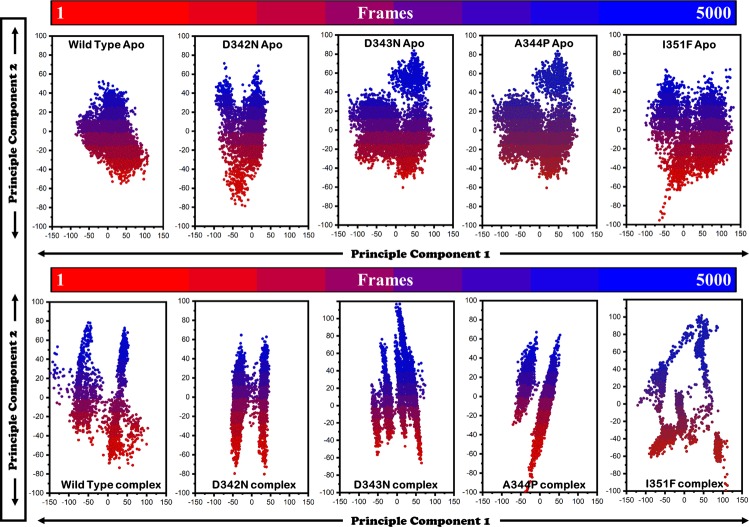
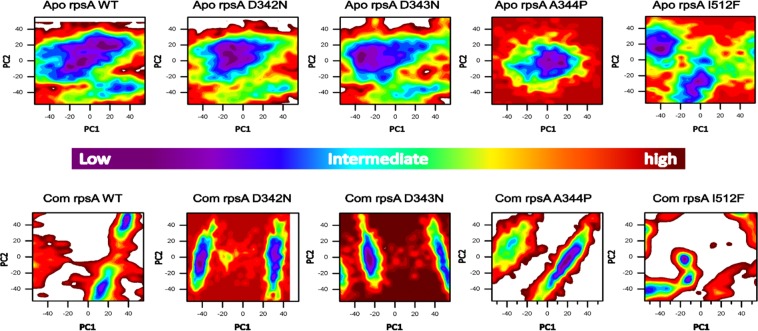
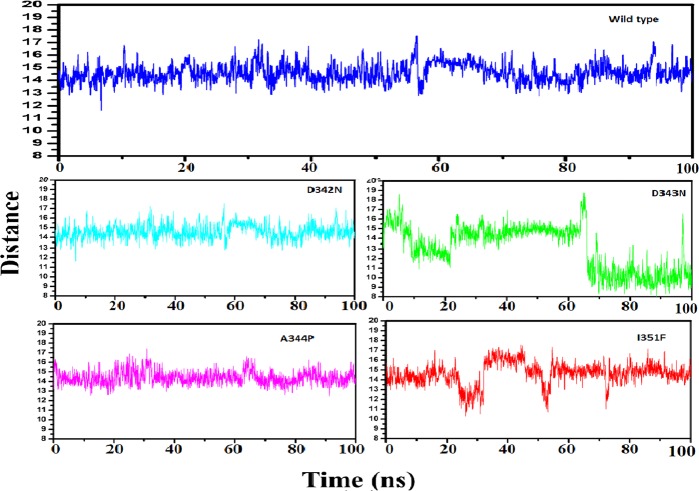
Resistance to key first-line drugs is a major hurdle to achieve the global end tuberculosis (TB) targets. A prodrug, pyrazinamide (PZA) is the only drug, effective in latent TB, recommended in drug resistance and susceptible Mycobacterium tuberculosis (MTB) isolates. The prodrug conversion into active form, pyrazinoic acid (POA), required the activity of pncA gene encoded pyrazinamidase (PZase). Although pncA mutations have been commonly associated with PZA resistance but a small number of resistance cases have been associated with mutationss in RpsA protein. Here in this study a total of 69 PZA resistance isolates have been sequenced for pncA mutations. However, samples that were found PZA resistant but pncA wild type (pncA), have been sequenced for rpsA and panD genes mutation. We repeated a drug susceptibility testing according to the WHO guidelines on 18 pncA MTB isolates. The rpsA and panD genes were sequenced. Out of total 69 PZA resistant isolates, 51 harbored 36 mutations in pncA gene (GeneBank Accession No. MH46111) while, fifteen different mutations including seven novel, were detected in the fourth S1 domain of RpsA known as C-terminal (MtRpsA) end. We did not detect any mutations in panD gene. Among the rpsA mutations, we investigated the molecular mechanism of resistance behind mutations, D342N, D343N, A344P, and I351F, present in the MtRpsA through molecular dynamic simulations (MD). WT showed a good drug binding affinity as compared to mutants (MTs), D342N, D343N, A344P, and I351F. Binding pocket volume, stability, and fluctuations have been altered whereas the total energy, protein folding, and geometric shape analysis further explored a significant variation between WT and MTs. In conclusion, mutations in MtRpsA might be involved to alter the RpsA activity, resulting in drug resistance. Such molecular mechanism behind resistance may provide a better insight into the resistance mechanism to achieve the global TB control targets.
对一线关键药物的耐药性是实现全球结核病(TB)目标的主要障碍。前药吡嗪酰胺(PZA)是唯一一种在潜伏性结核病、耐药性和敏感分枝杆菌(MTB)分离物中都有效的药物。该前药转化为活性形式吡嗪酸(POA)需要 pncA 基因编码的吡嗪酰胺酶(PZase)的活性。虽然 pncA 突变通常与 PZA 耐药性相关,但少数耐药病例与 RpsA 蛋白的突变有关。在此研究中,共对 69 株 PZA 耐药株进行了 pncA 突变测序。然而,发现对 PZA 耐药但 pncA 野生型(pncA)的样本,已对 rpsA 和 panD 基因突变进行了测序。我们根据世界卫生组织的指南,对 18 株 pncA MTB 分离株重复了药物敏感性测试。对 rpsA 和 panD 基因进行了测序。在总共 69 株 PZA 耐药株中,51 株携带 pncA 基因的 36 个突变(基因库注册号 MH46111),而在 RpsA 的第四 S1 结构域(称为 C 末端)中检测到 15 个不同的突变,包括 7 个新突变。我们没有在 panD 基因中检测到任何突变。在 rpsA 突变中,我们通过分子动力学模拟(MD)研究了突变 D342N、D343N、A344P 和 I351F 背后的耐药分子机制,这些突变存在于 MtRpsA 中。与突变体(MTs)相比,WT 显示出良好的药物结合亲和力,D342N、D343N、A344P 和 I351F。结合口袋体积、稳定性和波动发生了变化,而总能量、蛋白质折叠和几何形状分析进一步揭示了 WT 和 MTs 之间的显著差异。总之,RpsA 中的突变可能参与改变 RpsA 的活性,导致耐药性。这种耐药背后的分子机制可能为实现全球结核病控制目标提供更好的耐药机制见解。