Department of Drug Design and Pharmacology, University of Copenhagen, Copenhagen, Denmark.
Basic Clin Pharmacol Toxicol. 2020 Jun;126 Suppl 6(Suppl 6):35-46. doi: 10.1111/bcpt.13263. Epub 2019 Jun 27.
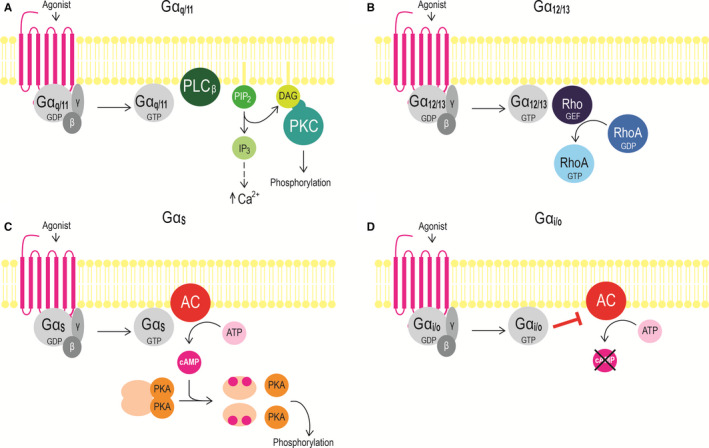
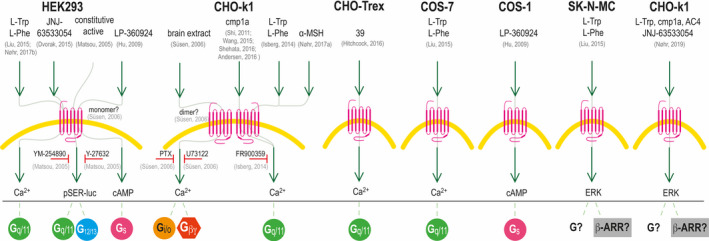
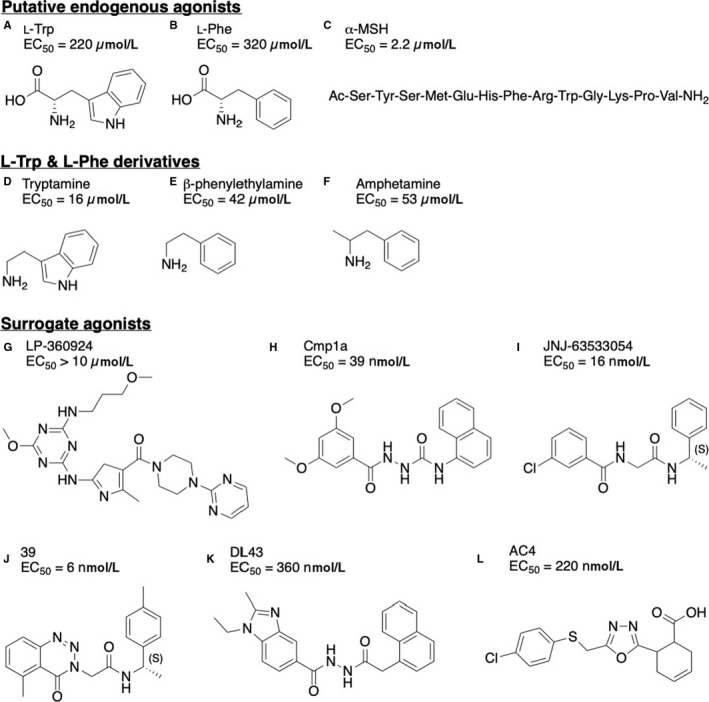
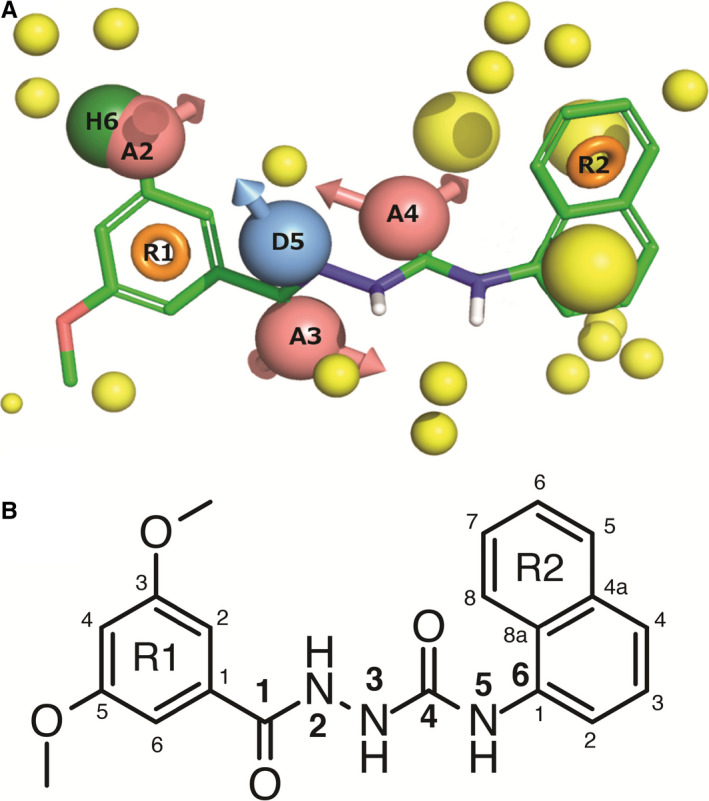
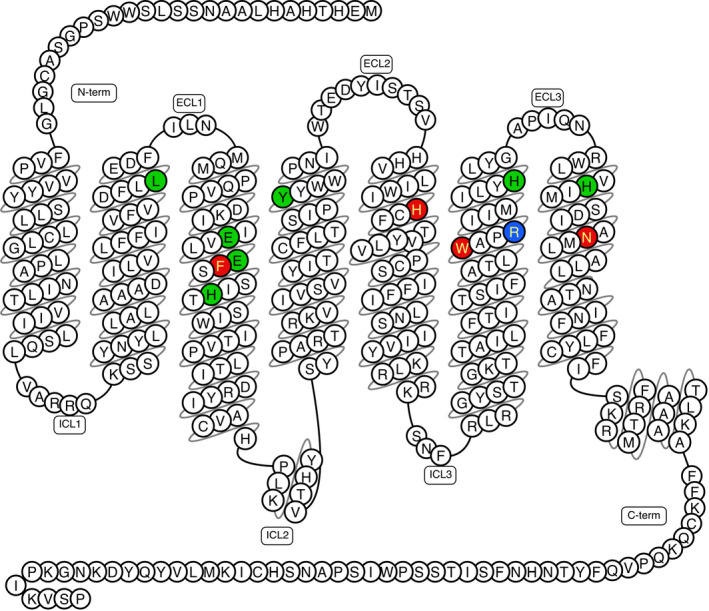
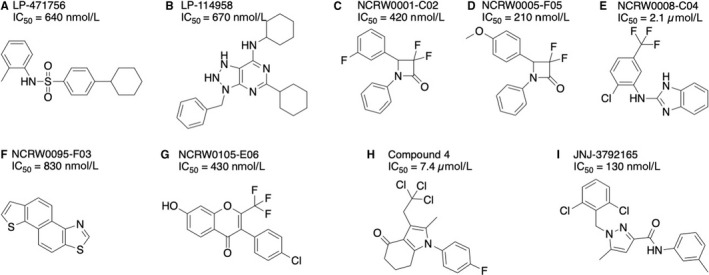
G protein-coupled receptors (GPCRs) constitute the largest family of receptors and membrane proteins in the human genome with ~800 members of which half are olfactory. GPCRs are activated by a very broad range of endogenous signalling molecules and are involved in a plethora of physiological functions. All GPCRs contain a transmembrane domain, consisting of a bundle of seven α-helices spanning the cell membrane, and forming the majority of the known ortho- or allosteric ligand binding sites. Due to their many physiological functions and the accessible and druggable transmembrane pocket, GPCRs constitute the largest family of drug targets mediating the actions of 34% of currently marketed drugs. GPCRs activate one or more of the four G protein families (G , G , G and G ) and/or ß-arrestin. About a third of the non-olfactory GPCRs are referred to as orphan receptors which means that their endogenous agonist(s) have not yet been found or firmly established. In this MiniReview, we focus on the orphan GPR139 receptor, for which the aromatic amino acids L-Trp and L-Phe as well as ACTH/α-MSH-related peptides have been proposed as endogenous agonists. GPR139 has been reported to activate several G protein pathways of which G is the primary one. The receptor shows the highest expression in the striatum, thalamus, hypothalamus, pituitary and habenula of the human, rat and mouse CNS. We review the surrogate agonists and antagonists that have been published as well as the agonist pharmacophore and binding site. Finally, the putative physiological functions and therapeutic potential are outlined.
G 蛋白偶联受体 (GPCRs) 是人类基因组中最大的受体和膜蛋白家族,其中约有 800 个成员,其中一半是嗅觉受体。GPCRs 被非常广泛的内源性信号分子激活,参与了大量的生理功能。所有 GPCRs 都包含一个跨膜结构域,由跨越细胞膜的七个α-螺旋束组成,形成了大多数已知的正构或变构配体结合位点。由于其众多的生理功能以及可及的、可成药的跨膜口袋,GPCRs 构成了最大的药物靶点家族,介导了 34%目前上市药物的作用。GPCRs 激活四个 G 蛋白家族(G、G、G 和 G)和/或β-arrestin 中的一个或多个。大约三分之一的非嗅觉 GPCR 被称为孤儿受体,这意味着它们的内源性激动剂尚未被发现或尚未被确定。在这篇 MiniReview 中,我们重点介绍了孤儿 GPR139 受体,该受体的内源性激动剂被提议为芳香族氨基酸 L-Trp 和 L-Phe 以及 ACTH/α-MSH 相关肽。已经报道 GPR139 可以激活几种 G 蛋白途径,其中 G 是主要途径。该受体在人类、大鼠和小鼠中枢神经系统的纹状体、丘脑、下丘脑、垂体和缰核中表达水平最高。我们综述了已发表的替代激动剂和拮抗剂,以及激动剂药效团和结合位点。最后,概述了假定的生理功能和治疗潜力。