Balicza Péter, Varga Noémi Ágnes, Bolgár Bence, Pentelényi Klára, Bencsik Renáta, Gál Anikó, Gézsi András, Prekop Csilla, Molnár Viktor, Molnár Mária Judit
Institute of Genomic Medicine and Rare Disorders, Semmelweis University, Budapest, Hungary.
Faculty of Electrical Engineering and Informatics, Budapest University of Technology and Economics, Budapest, Hungary.
Front Genet. 2019 May 8;10:434. doi: 10.3389/fgene.2019.00434. eCollection 2019.
Autism spectrum disorder (ASD) is genetically and phenotypically heterogeneous. Former genetic studies suggested that both common and rare genetic variants play a role in the etiology. In this study, we aimed to analyze rare variants detected by next generation sequencing (NGS) in an autism cohort from Hungary.
We investigated the yield of NGS panel sequencing of an unselected ASD cohort ( = 174 ) for the detection of ASD associated syndromes. Besides, we analyzed rare variants in a common disease-rare variant framework and performed rare variant burden analysis and gene enrichment analysis in phenotype based clusters.
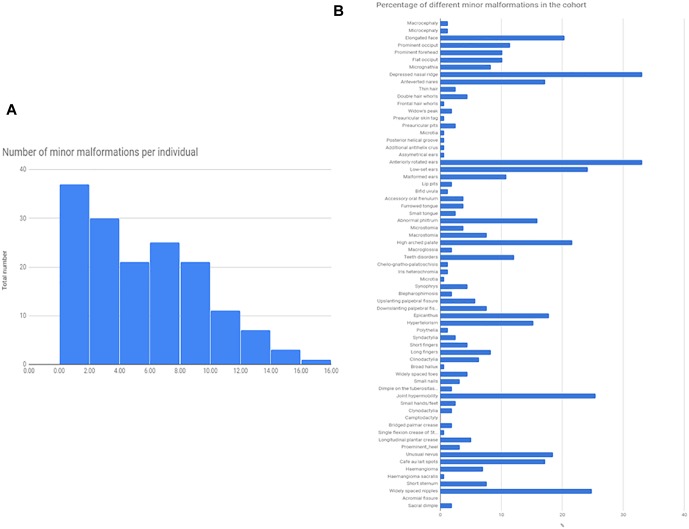
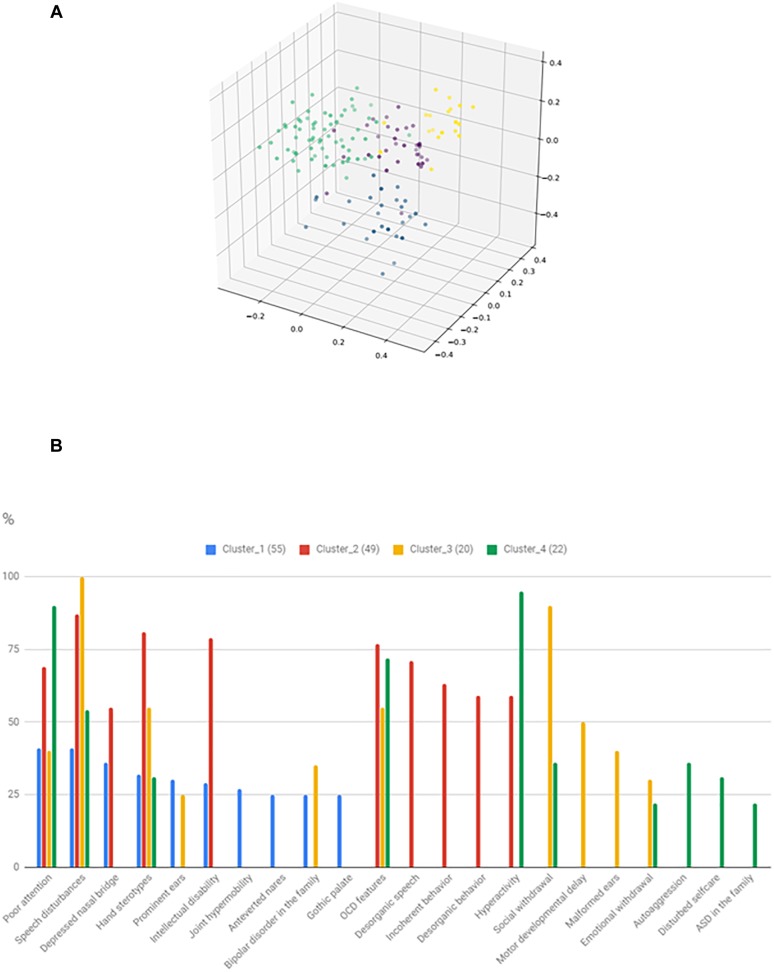
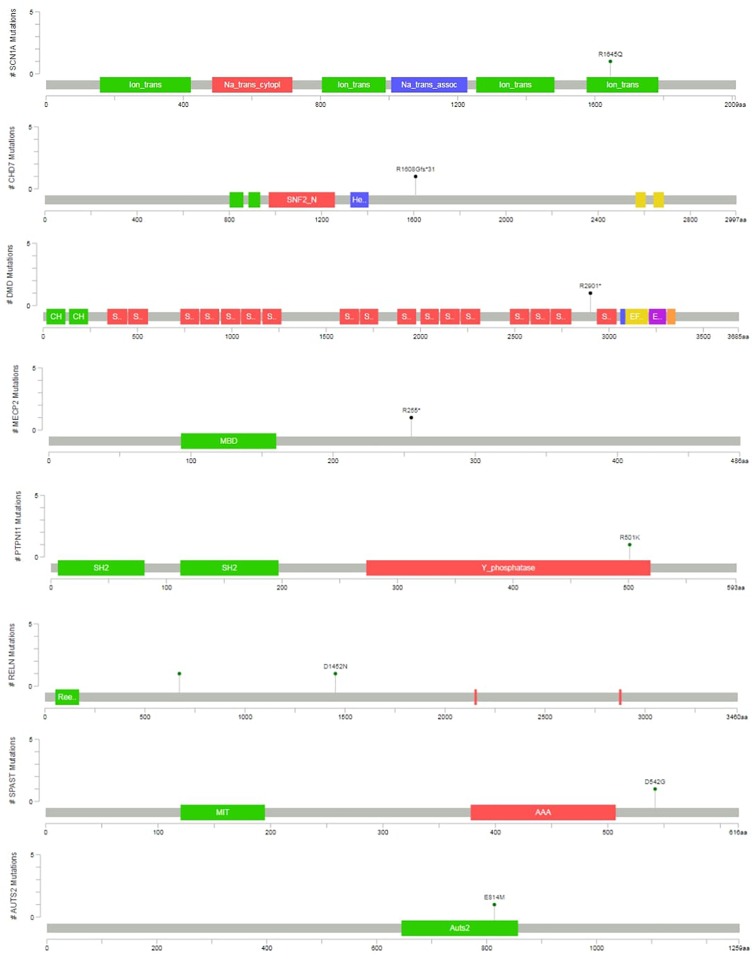
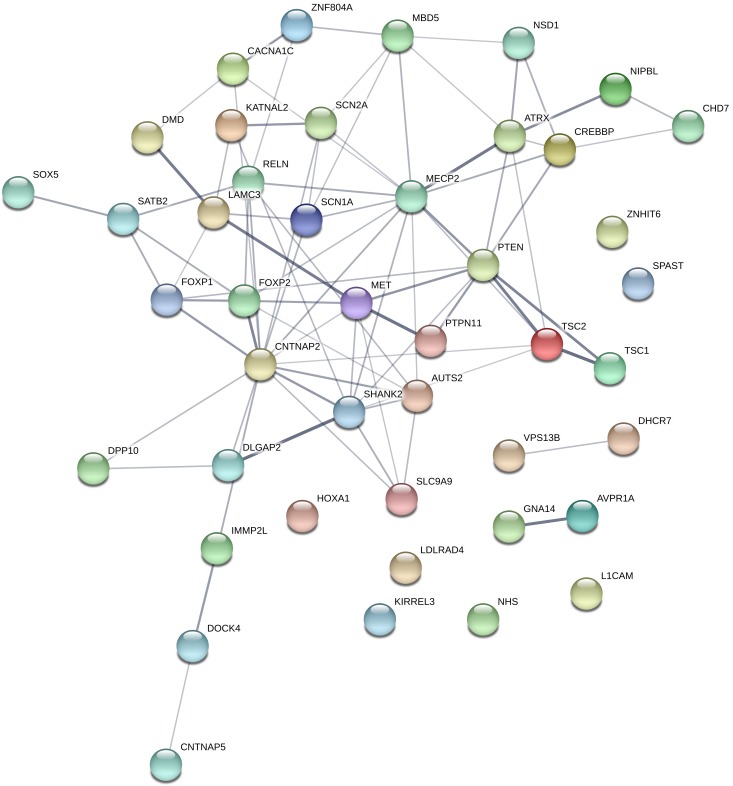
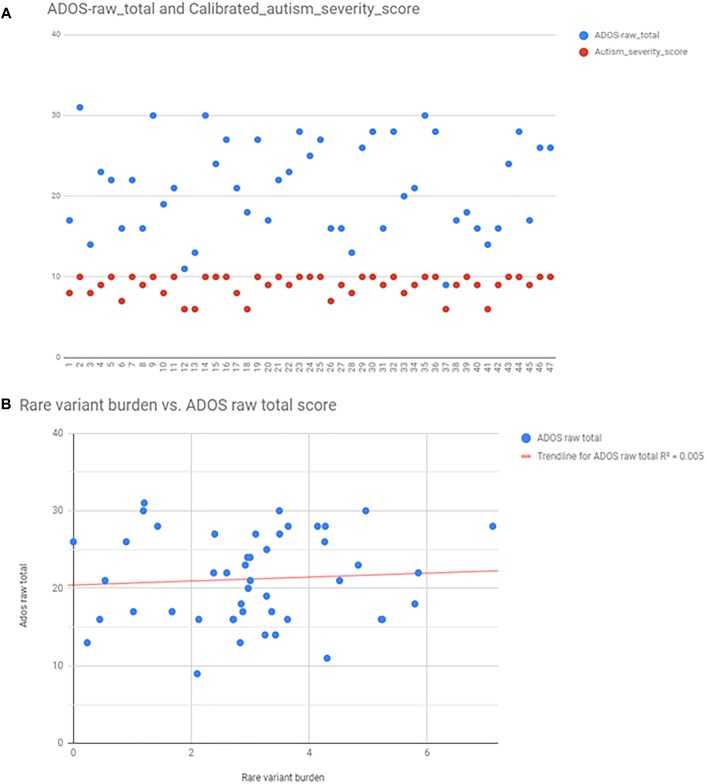
We have diagnosed 13 molecularly proven syndromic autism cases. Strongest indicators of syndromic autism were intellectual disability, epilepsy or other neurological plus symptoms. Rare variant analysis on a cohort level confirmed the association of five genes with autism (, , , , and ). We found no correlation between rare variant burden and number of minor malformation or autism severity. We identified four phenotypic clusters, but no specific gene was enriched in a given cluster.
Our study indicates that NGS panel gene sequencing can be useful, where the clinical picture suggests a clinically defined syndromic autism. In this group, targeted panel sequencing may provide reasonable diagnostic yield. Unselected NGS panel screening in the clinic remains controversial, because of uncertain utility, and difficulties of the variant interpretation. However, the detected rare variants may still significantly influence autism risk and subphenotypes in a polygenic model, but to detect the effects of these variants larger cohorts are needed.
自闭症谱系障碍(ASD)在遗传和表型上具有异质性。先前的遗传学研究表明,常见和罕见的遗传变异均在病因学中起作用。在本研究中,我们旨在分析通过下一代测序(NGS)在匈牙利的一个自闭症队列中检测到的罕见变异。
我们调查了一个未经选择的ASD队列(n = 174)的NGS基因 panel 测序用于检测与ASD相关综合征的产出率。此外,我们在常见疾病 - 罕见变异框架内分析罕见变异,并在基于表型的聚类中进行罕见变异负担分析和基因富集分析。
我们诊断出13例分子学确诊的综合征性自闭症病例。综合征性自闭症的最强指标是智力残疾、癫痫或其他神经学症状加其他症状。在队列水平上的罕见变异分析证实了五个基因与自闭症相关(,,,,和)。我们发现罕见变异负担与轻微畸形数量或自闭症严重程度之间没有相关性。我们确定了四个表型聚类,但在给定聚类中没有特定基因富集。
我们的研究表明,当临床症状提示为临床定义的综合征性自闭症时,NGS基因 panel 测序可能有用。在这组患者中,靶向基因 panel 测序可能提供合理的诊断产出率。由于效用不确定和变异解读困难,临床中未经选择的NGS基因 panel 筛查仍存在争议。然而,检测到的罕见变异在多基因模型中仍可能显著影响自闭症风险和亚表型,但要检测这些变异的影响需要更大的队列。