Department of Otorhinolaryngology.
Department of Radiology, Radboudumc, Nijmegen.
Otol Neurotol. 2019 Aug;40(7):900-910. doi: 10.1097/MAO.0000000000002298.
By discussing the design, findings, strengths, and weaknesses of available studies investigating the influence of angular insertion depth on speech perception, we intend to summarize the current status of evidence; and using evidence based conclusions, possibly contribute to the determination of the optimal cochlear implant (CI) electrode position.
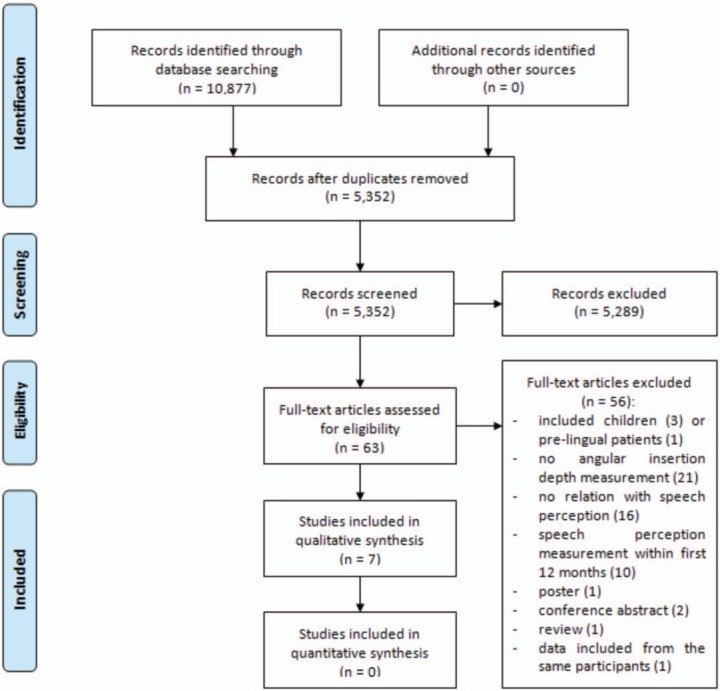
Our search strategy yielded 10,877 papers. PubMed, Ovid EMBASE, Web of Science, and the Cochrane Library were searched up to June 1, 2018. Both keywords and free-text terms, related to patient population, predictive factor, and outcome measurements were used. There were no restrictions in languages or year of publication.
Seven articles were included in this systematic review. Articles eligible for inclusion: (a) investigated cochlear implantation of any CI system in adults with post-lingual onset of deafness and normal cochlear anatomy; (b) investigated the relationship between angular insertion depth and speech perception; (c) measured angular insertion depth on imaging; and (d) measured speech perception at, or beyond 1-year post-activation.
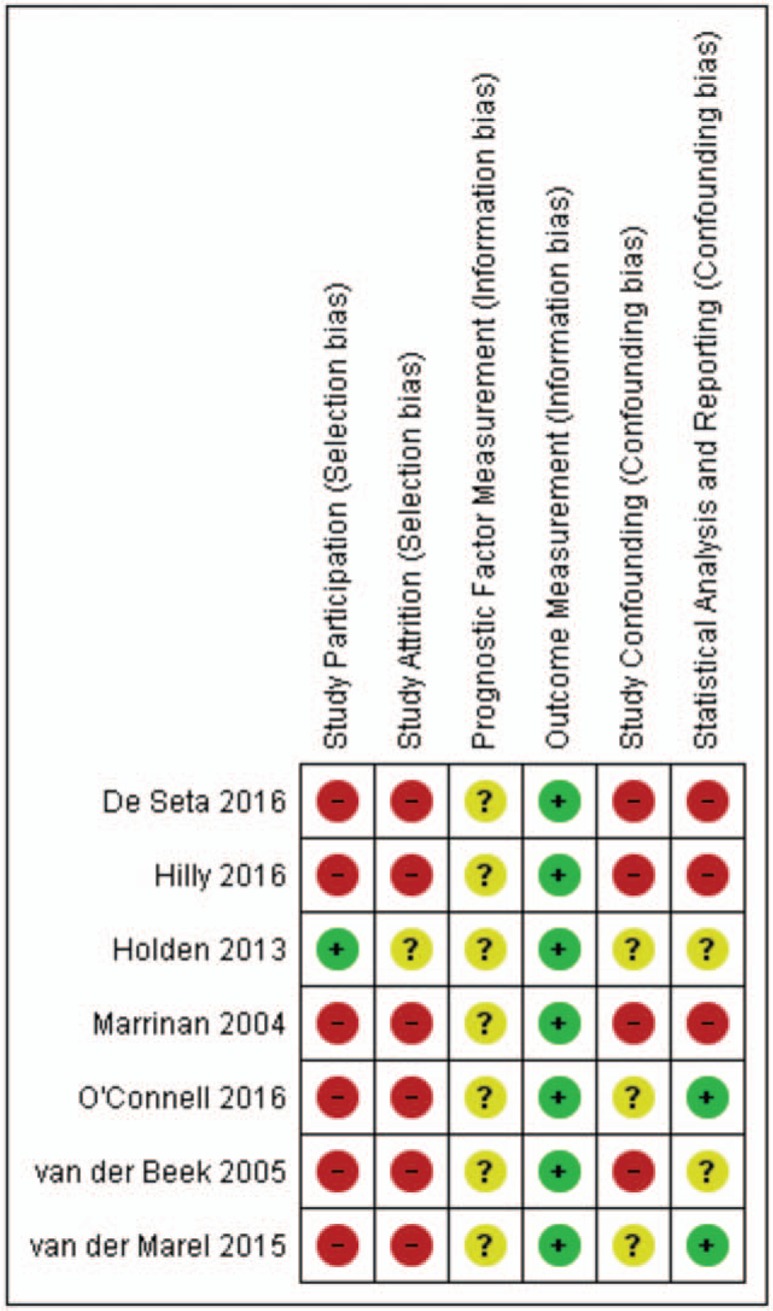
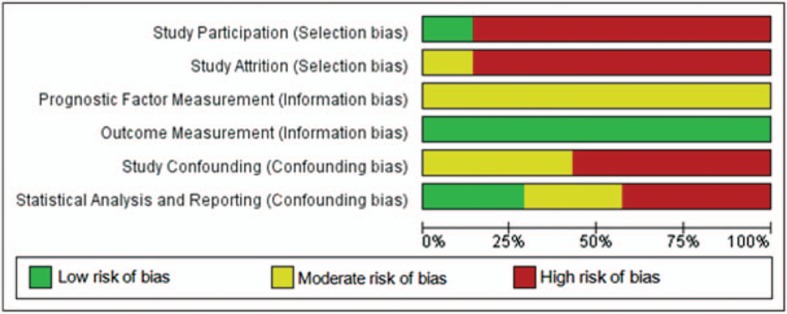
In included studies; quality was judged low-to-moderate and risk of bias, evaluated using a Quality-in-Prognostic-Studies-tool (QUIPS), was high. Included studies were too heterogeneous to perform meta-analyses, therefore, effect estimates of the individual studies are presented. Six out of seven included studies found no effect of angular insertion depth on speech perception.
All included studies are characterized by methodological flaws, and therefore, evidence-based conclusions regarding the influence of angular insertion depth cannot be drawn to date.
通过讨论现有研究中关于角插入深度对语音感知影响的设计、发现、优势和不足,我们旨在总结现有证据的现状;并使用基于证据的结论,可能有助于确定最佳的人工耳蜗(CI)电极位置。
我们的搜索策略产生了 10877 篇论文。截至 2018 年 6 月 1 日,在 PubMed、Ovid EMBASE、Web of Science 和 Cochrane Library 上进行了搜索。使用了与患者人群、预测因素和结果测量相关的关键字和自由文本术语。没有语言或出版年份的限制。
有 7 篇文章被纳入本系统评价。符合纳入标准的文章:(a)调查了任何成人后天聋和正常耳蜗解剖结构的 CI 系统的耳蜗植入;(b)调查了角插入深度与语音感知之间的关系;(c)在影像学上测量角插入深度;(d)在激活后 1 年或更长时间测量语音感知。
在纳入的研究中;使用预后研究质量工具(QUIPS)评估的质量为低到中度,偏倚风险高。纳入的研究差异太大,无法进行荟萃分析,因此,呈现了个别研究的效应估计值。纳入的研究中有 6 项研究发现角插入深度对语音感知没有影响。
所有纳入的研究都存在方法学缺陷,因此,迄今为止,无法得出关于角插入深度影响的循证结论。