College of Animal Science and Technology, Southwest University, Beibei 400716, China.
Institute for Herbivorous Livestock Research, Chongqing Academy of Animal Science, Chongqing 402460, China.
Toxins (Basel). 2019 May 24;11(5):298. doi: 10.3390/toxins11050298.
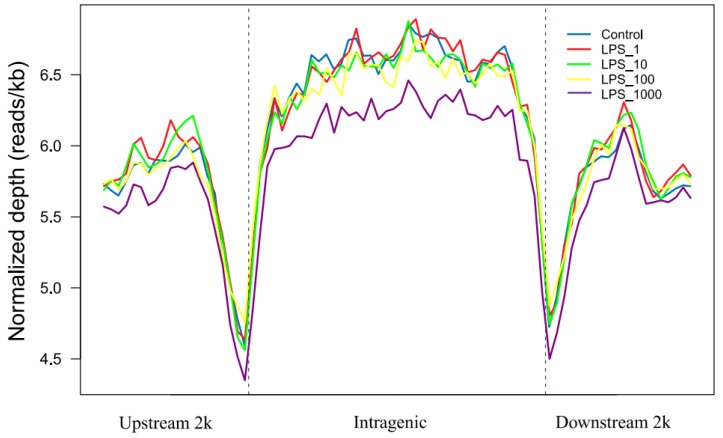
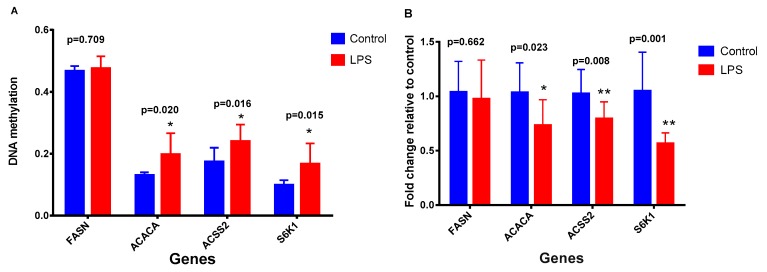
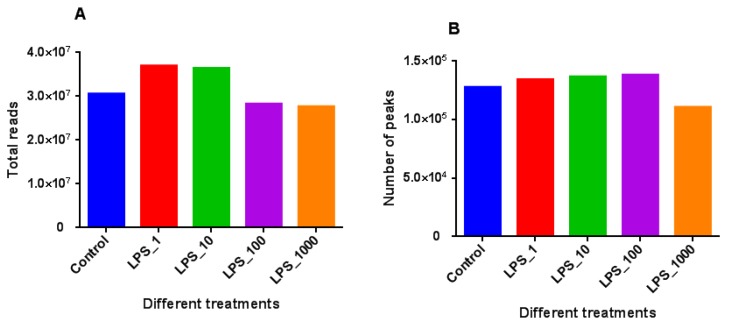
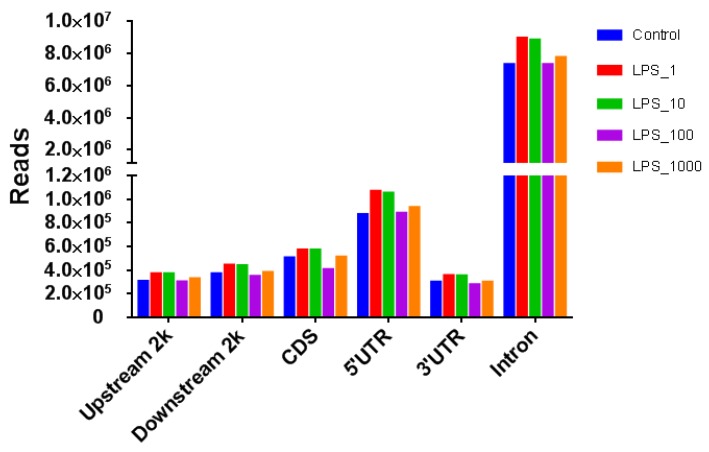
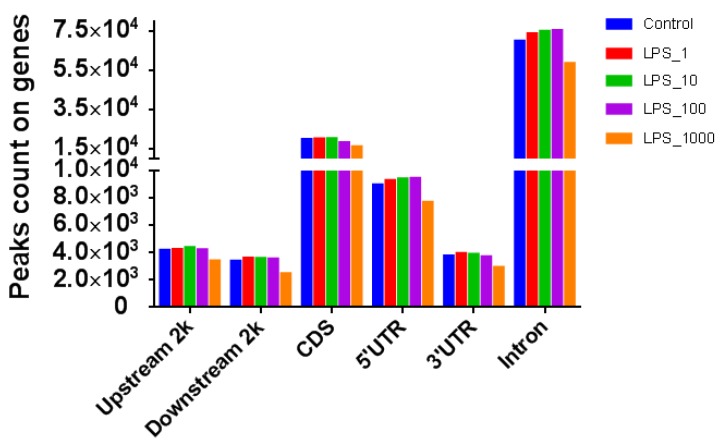
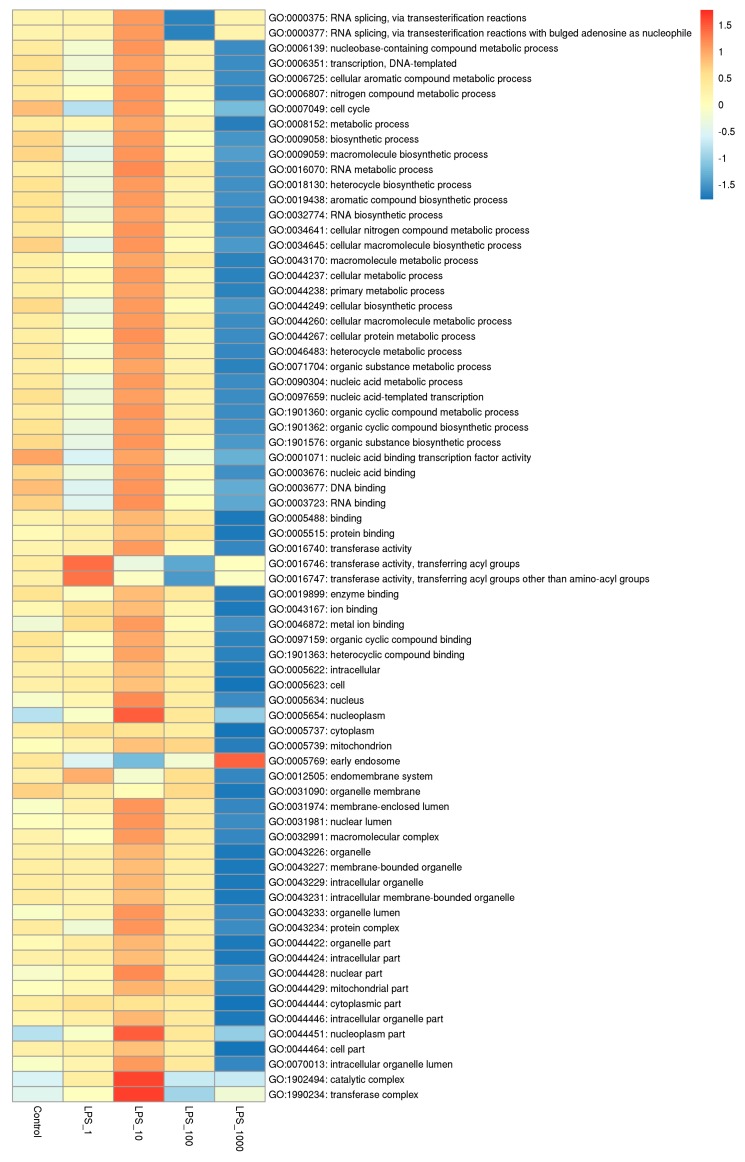
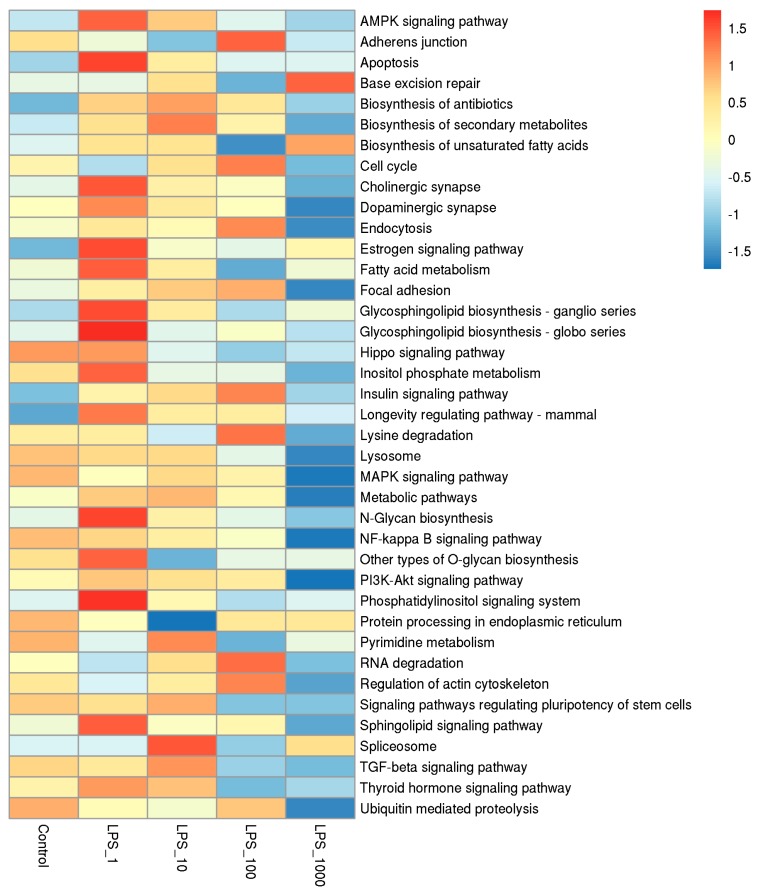
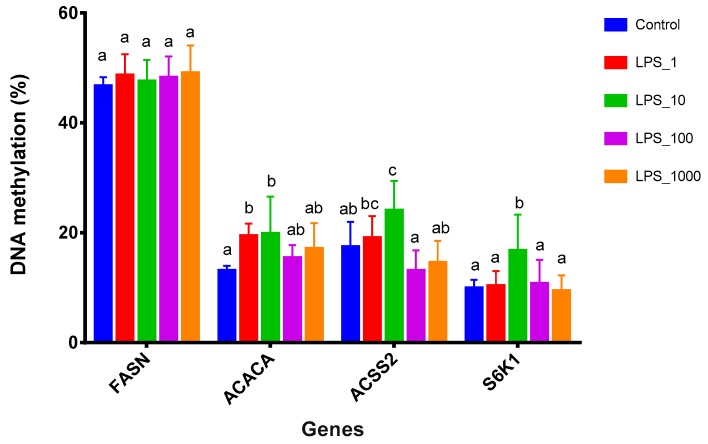
Bacterial lipopolysaccharide (LPS) could result in poor lactation performance in dairy cows. High methylation of DNA is associated with gene repression. However, it is unclear whether LPS could suppress the expression of lactation-related genes by inducing DNA methylation. Therefore, the objective of this study was to investigate the impact of LPS on genome-wide DNA methylation, using methylated DNA immunoprecipitation with high-throughput sequencing (MeDIP-seq) and on the promoter methylation of lactation-related genes using MassArray analysis in bovine mammary epithelial cells. The bovine mammary epithelial cell line MAC-T cells were treated for 48 h with LPS at different doses of 0, 1, 10, 100, and 1000 endotoxin units (EU)/mL (1 EU = 0.1 ng). The results showed that the genomic methylation levels and the number of methylated genes in the genome as well as the promoter methylation levels of milk genes increased when the LPS dose was raised from 0 to 10 EU/mL, but decreased after further increasing the LPS dose. The milk gene mRNA expression levels of the 10 EU/mL LPS treatment were significantly lower than these of untreated cells. The results also showed that the number of hypermethylated genes was greater than that of hypomethylated genes in lipid and amino acid metabolic pathways following 1 and 10 EU/mL LPS treatments as compared with control. By contrast, in the immune response pathway the number of hypomethylated genes increased with increasing LPS doses. The results indicate LPS at lower doses induced hypermethylation of the genome and promoters of lactation-related genes, affecting milk gene mRNA expression. However, LPS at higher doses induced hypomethylation of genes involved in the immune response pathway probably in favor of immune responses.
细菌脂多糖 (LPS) 可导致奶牛泌乳性能下降。DNA 的高甲基化与基因抑制有关。然而,LPS 是否可以通过诱导 DNA 甲基化来抑制泌乳相关基因的表达尚不清楚。因此,本研究旨在使用甲基化 DNA 免疫沉淀结合高通量测序 (MeDIP-seq) 研究 LPS 对奶牛乳腺上皮细胞全基因组 DNA 甲基化的影响,并用 MassArray 分析研究 LPS 对泌乳相关基因启动子甲基化的影响。用不同剂量(0、1、10、100 和 1000 内毒素单位 (EU)/mL (1 EU = 0.1 ng) LPS 处理牛乳腺上皮细胞系 MAC-T 细胞 48 h。结果表明,随着 LPS 剂量从 0 增加到 10 EU/mL,基因组的甲基化水平和基因组中甲基化基因的数量以及乳基因的启动子甲基化水平增加,但进一步增加 LPS 剂量后降低。10 EU/mL LPS 处理的乳基因 mRNA 表达水平明显低于未处理细胞。结果还表明,与对照相比,1 和 10 EU/mL LPS 处理后,脂质和氨基酸代谢途径中高甲基化基因的数量多于低甲基化基因的数量。相比之下,随着 LPS 剂量的增加,免疫反应途径中低甲基化基因的数量增加。结果表明,较低剂量的 LPS 诱导泌乳相关基因的基因组和启动子发生高甲基化,影响乳基因 mRNA 的表达。然而,较高剂量的 LPS 诱导免疫反应途径中基因的低甲基化可能有利于免疫反应。