Marine Microorganism Ecological & Application Lab, Zhejiang Ocean University, Zhejiang, China.
Donghai Science and Technology College, Zhejiang Ocean University, Zhejiang, China.
PLoS One. 2019 Jun 6;14(6):e0217431. doi: 10.1371/journal.pone.0217431. eCollection 2019.
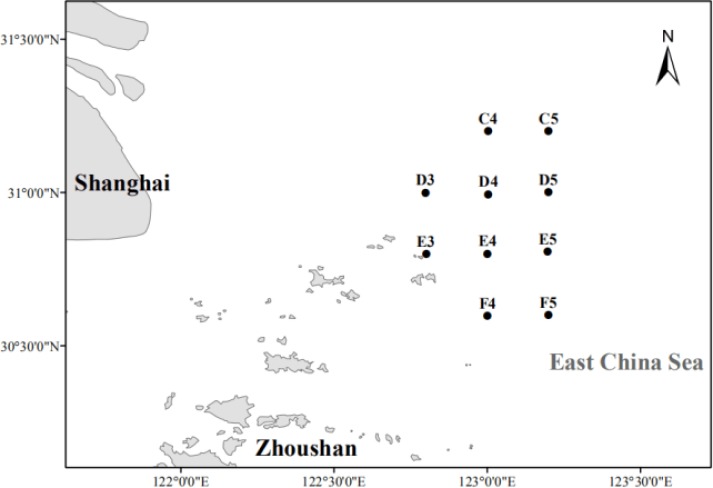
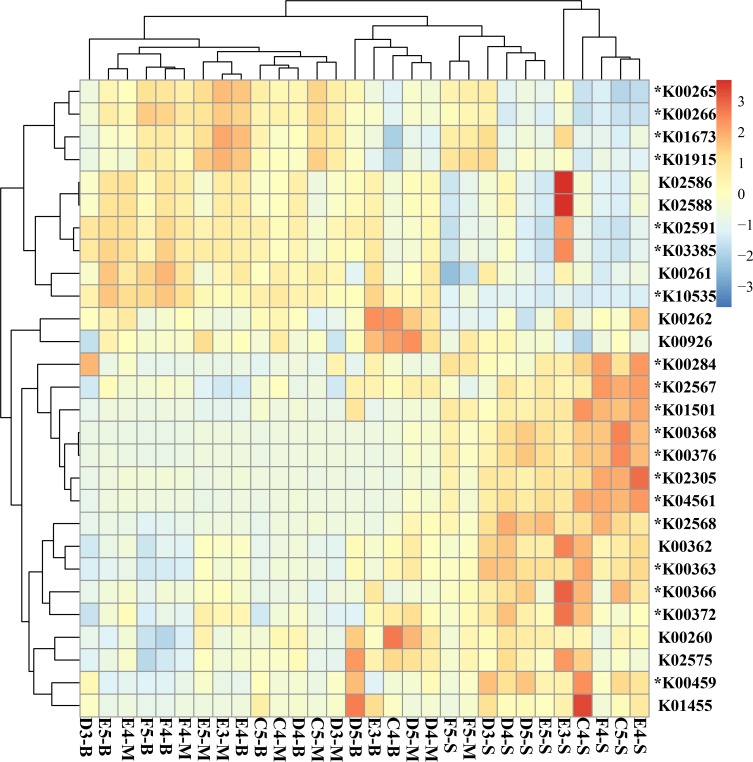
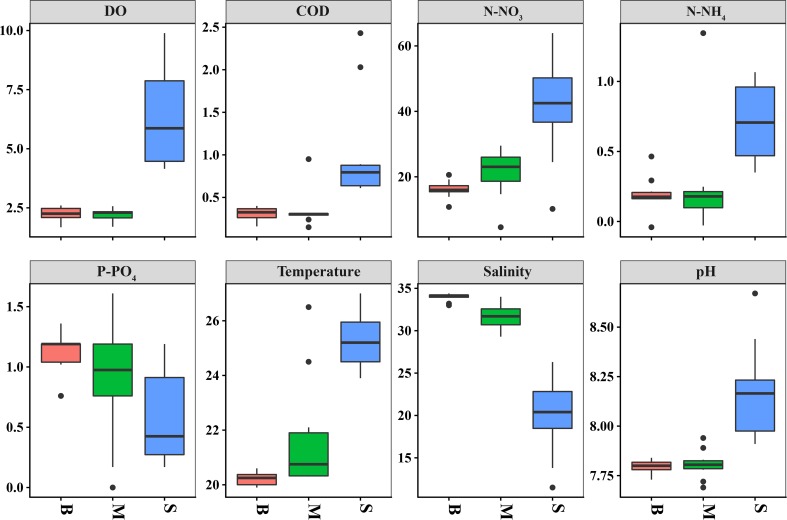
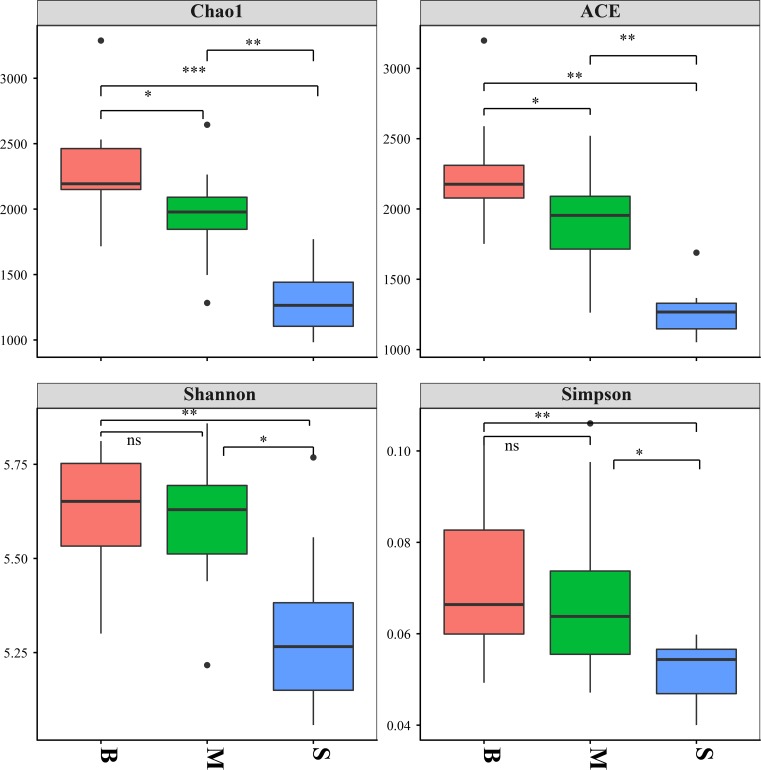
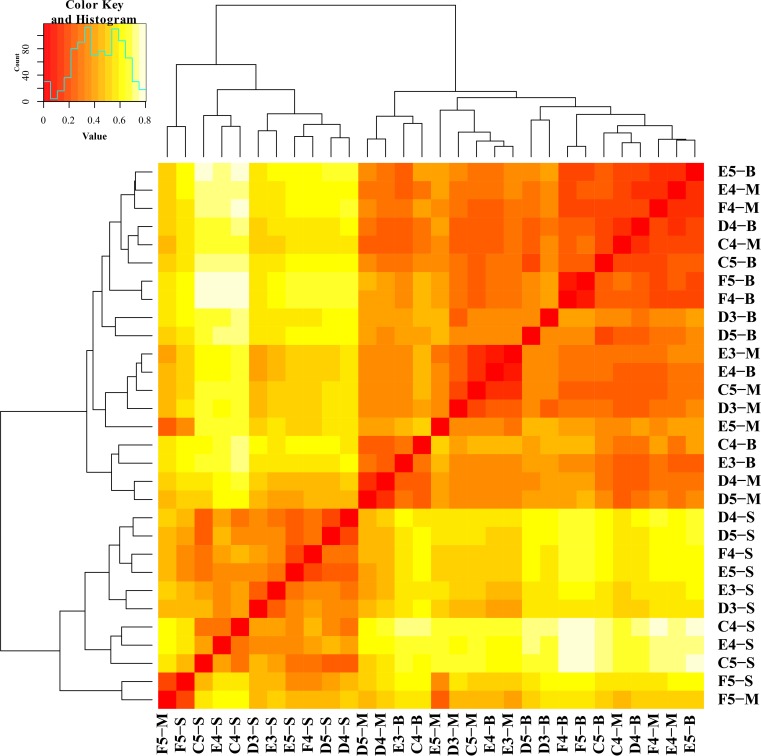
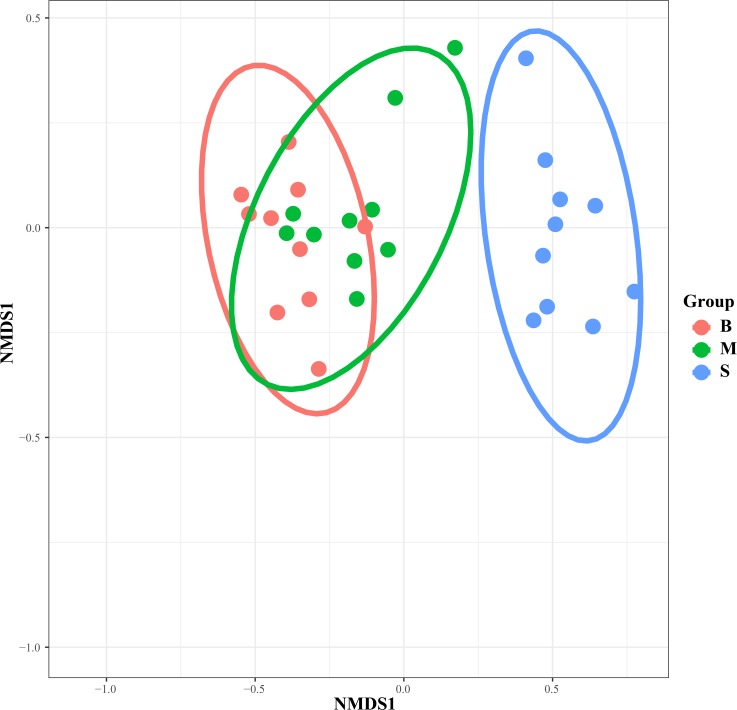
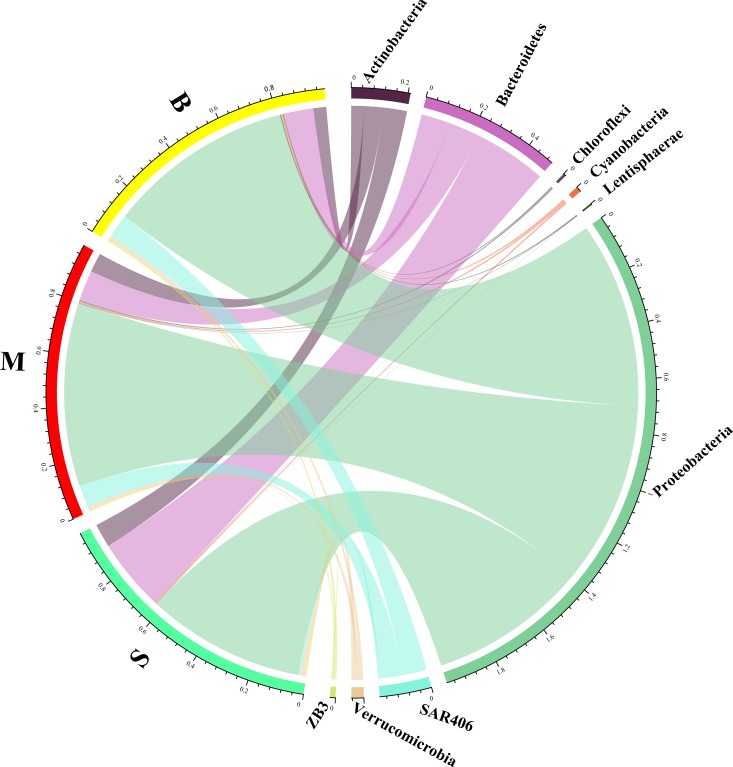
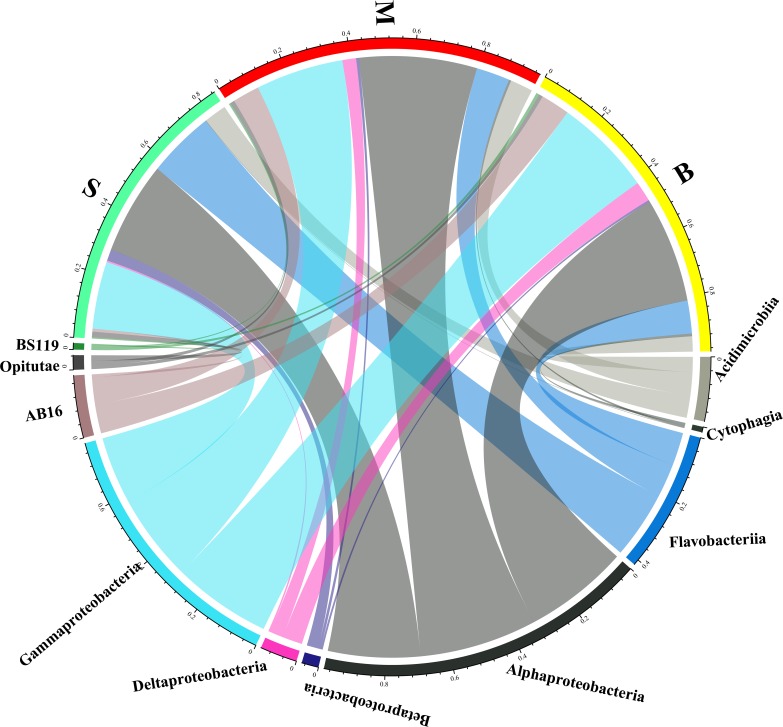
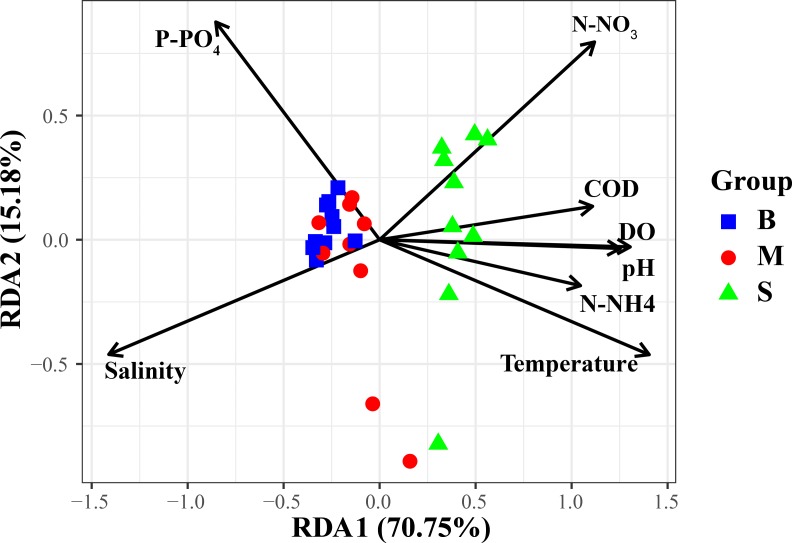
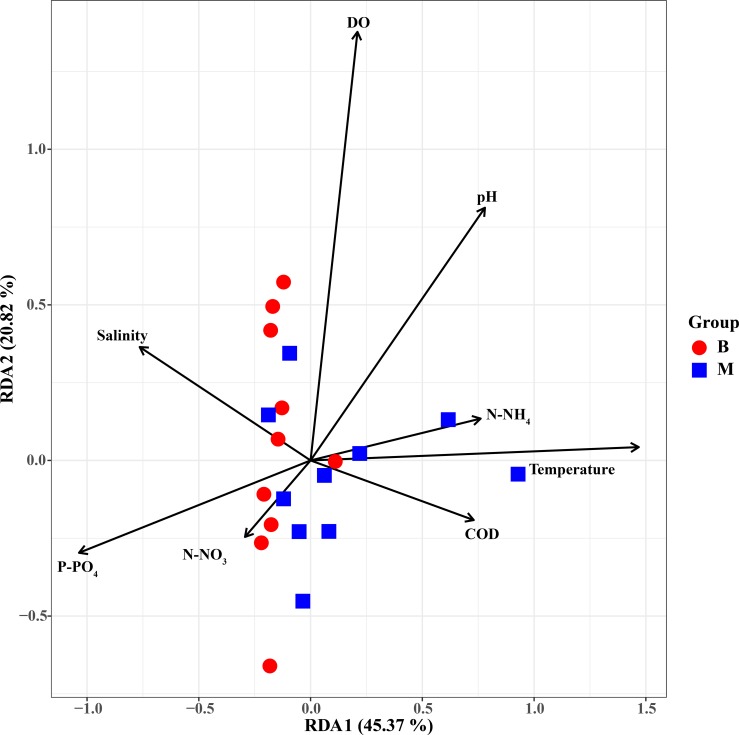
Bacterioplankton play a key role in the global cycling of elements. To characterize the effects of hypoxia on bacterioplankton, bacterial community structure and function were investigated in the Changjiang Estuary. Water samples were collected from three layers (surface, middle, and bottom) at ten sampling sites in the Changjiang Estuary hypoxic and non-hypoxic zones. The community structure was analyzed using high-throughput sequencing of 16S rDNA genes, and the predictive metagenomic approach was used to investigate the functions of the bacterial community. Co-occurrence networks are constructed to investigate the relationship between different bacterioplankton. The results showed that community composition in hypoxic and non-hypoxic zones were markedly different. The diversity and richness of bacterial communities in the bottom layer (hypoxic zone) were remarkably higher than that of the surface layer (non-hypoxic). In the non-hypoxic zone, it was found that Proteobacteria, Bacteroidetes, and Flavobacteriia were the dominant groups while Alphaproteobacteria, SAR406 and Deltaproteobacteria were the dominant groups in the hypoxic zone. From the RDA analysis, it was shown that dissolved oxygen (DO) explained most of the bacterial community variation in the redundancy analysis targeting only hypoxia zones, whereas nutrients and salinity explained most of the variation across all samples in the Changjiang Estuary. To understand the genes involved in nitrogen metabolism, an analysis of the oxidation state of nitrogen was performed. The results showed that the bacterial community in the surface layer (non-hypoxic) had more genes involved in dissimilatory nitrate reduction, assimilatory nitrate reduction, denitrification, and anammox, while that in the middle and bottom layers (hypoxic zone) had more abundant genes associated with nitrogen fixation and nitrification. Co-occurrence networks revealed that microbial assemblages in the middle and bottom layers shared more niche spaces than in the surface layer (non-hypoxic zone). The environmental heterogeneity in the hypoxic and non-hypoxic zones might be important environmental factors that determine the bacterial composition in these two zones.
浮游细菌在元素的全球循环中起着关键作用。为了研究低氧对浮游细菌的影响,在长江口对浮游细菌的群落结构和功能进行了调查。在长江口缺氧区和非缺氧区的十个采样点,从三个水层(表层、中层和底层)采集水样。利用 16S rDNA 基因高通量测序分析群落结构,采用预测宏基因组学方法研究细菌群落的功能。构建共生网络,研究不同浮游细菌之间的关系。结果表明,缺氧区和非缺氧区的群落组成明显不同。底层(缺氧区)的细菌群落多样性和丰富度明显高于表层(非缺氧区)。在非缺氧区,变形菌门、拟杆菌门和黄杆菌门是优势类群,而在缺氧区,α-变形菌门、SAR406 和δ-变形菌门是优势类群。从 RDA 分析可以看出,在针对缺氧区的冗余分析中,溶解氧(DO)解释了细菌群落变化的大部分,而在长江口所有样本的冗余分析中,营养物质和盐度解释了大部分变化。为了了解参与氮代谢的基因,对氮的氧化态进行了分析。结果表明,表层(非缺氧)的细菌群落具有更多参与异化硝酸盐还原、同化硝酸盐还原、反硝化和厌氧氨氧化的基因,而中层和底层(缺氧区)具有更多与固氮和硝化相关的丰富基因。共生网络显示,中层和底层的微生物组合比表层(非缺氧区)共享更多的生态位空间。缺氧区和非缺氧区的环境异质性可能是决定这两个区细菌组成的重要环境因素。