Madan Christopher R
School of Psychology, University of Nottingham, Nottingham, NG7 2RD, UK.
Brain Inform. 2019 Jun 11;6(1):5. doi: 10.1186/s40708-019-0098-1.
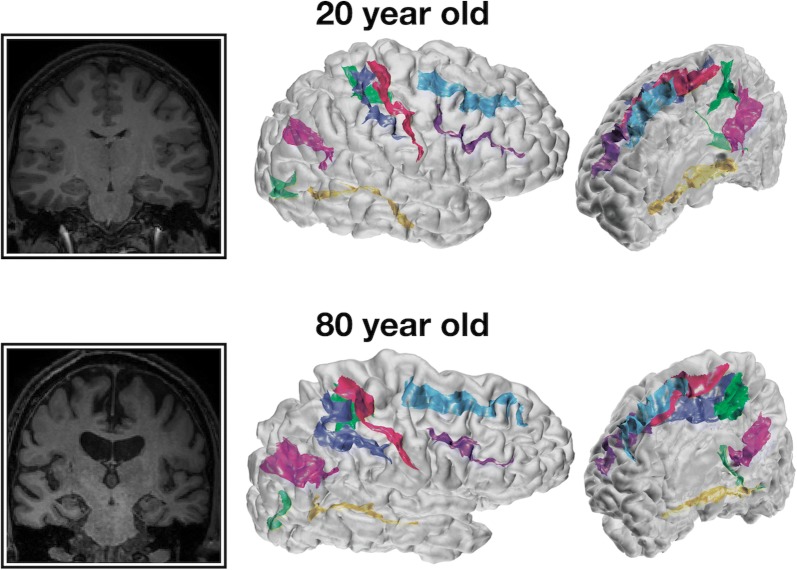
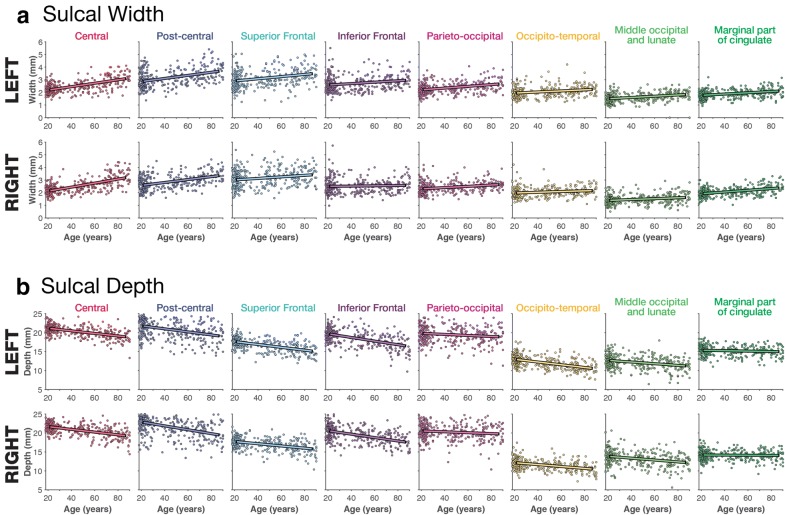
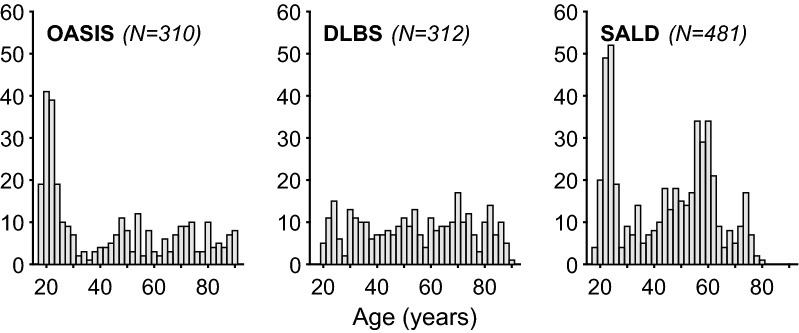
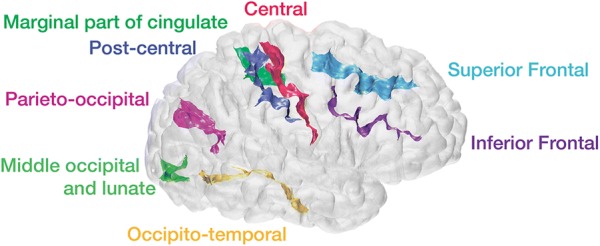
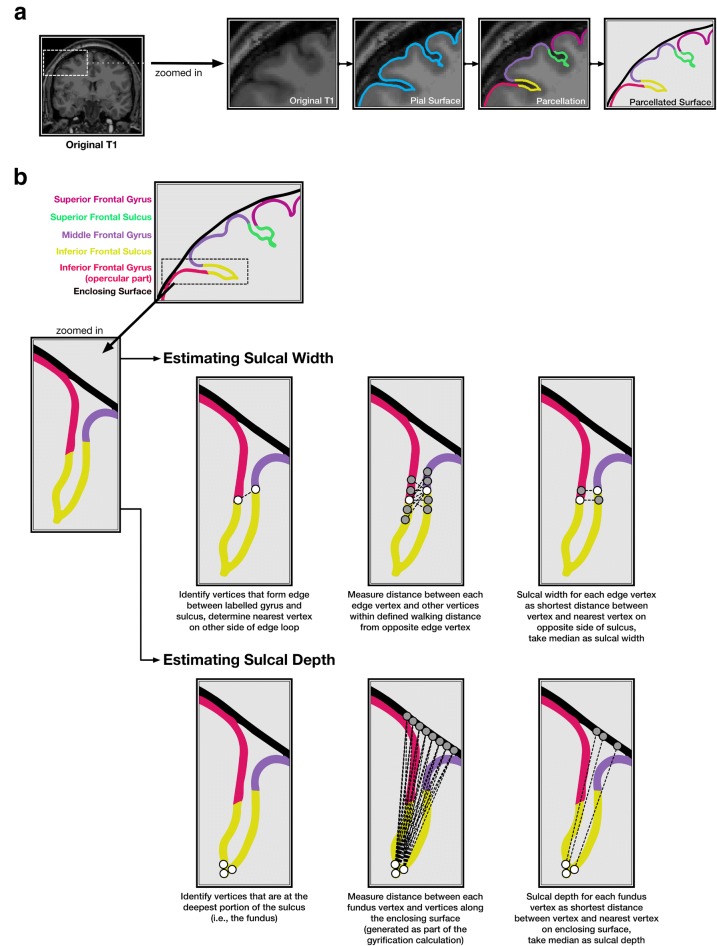
While it is well established that cortical morphology differs in relation to a variety of inter-individual factors, it is often characterized using estimates of volume, thickness, surface area, or gyrification. Here we developed a computational approach for estimating sulcal width and depth that relies on cortical surface reconstructions output by FreeSurfer. While other approaches for estimating sulcal morphology exist, studies often require the use of multiple brain morphology programs that have been shown to differ in their approaches to localize sulcal landmarks, yielding morphological estimates based on inconsistent boundaries. To demonstrate the approach, sulcal morphology was estimated in three large sample of adults across the lifespan, in relation to aging. A fourth sample is additionally used to estimate test-retest reliability of the approach. This toolbox is now made freely available as supplemental to this paper: https://cmadan.github.io/calcSulc/ .
虽然已经明确皮质形态因多种个体间因素而有所不同,但通常使用体积、厚度、表面积或脑回化程度的估计值来对其进行表征。在此,我们开发了一种计算方法来估计脑沟宽度和深度,该方法依赖于FreeSurfer输出的皮质表面重建。虽然存在其他估计脑沟形态的方法,但研究通常需要使用多个脑形态学程序,而这些程序在定位脑沟标志的方法上已被证明存在差异,从而基于不一致的边界得出形态学估计值。为了演示该方法,我们在三个不同年龄段的成人大样本中估计了与衰老相关的脑沟形态。另外还使用了第四个样本估计该方法的重测信度。这个工具箱现在作为本文的补充免费提供:https://cmadan.github.io/calcSulc/ 。