
海洋微生物腐蚀与生物污损的最新研究进展及海洋防腐防污新方法
Latest research progress of marine microbiological corrosion and bio-fouling, and new approaches of marine anti-corrosion and anti-fouling.
作者信息
Li Yangfan, Ning Chengyun
机构信息
School of Materials Science and Engineering, South China University of Technology, China.
出版信息
Bioact Mater. 2019 May 9;4:189-195. doi: 10.1016/j.bioactmat.2019.04.003. eCollection 2019 Dec.
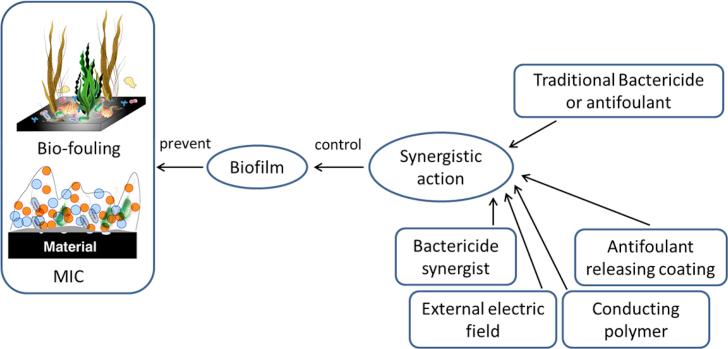
Marine resources and industry have become one of the most important pillars in economic development all over the world. However, corrosion of materials is always the most serious problem to the infrastructure and equipment served in marine environment. Researchers have found that microbiologically influenced corrosion (MIC) and marine bio-fouling are two main mechanisms of marine corrosions due to the complicated marine environment and marine organisms. This article summarized the latest research progress about these two mechanisms and indicated that both MIC and marine bio-fouling are closely related to the biofilms on material surfaces formed by the marine microorganisms and their metabolites. As a result, to prevent the occurrence of MIC and bio-fouling, it is important to control the microorganisms in biofilms or prevent the adhesion and formation of biofilms. The traditional method of using chemical bactericide or antifoulant faces the problems of pollution and microorganism resistance. This article introduced four research approaches about the new tendency of applying new materials and technologies to cooperate with traditional chemicals to achieve better and longer effects with lower environment pollution through synergistic actions. Finally, some future research tendencies were proposed for whole marine anti-corrosion and anti-fouling areas.
海洋资源与产业已成为全球经济发展最重要的支柱之一。然而,材料腐蚀始终是海洋环境中基础设施和设备面临的最严重问题。研究人员发现,由于海洋环境和海洋生物的复杂性,微生物影响的腐蚀(MIC)和海洋生物污损是海洋腐蚀的两种主要机制。本文总结了关于这两种机制的最新研究进展,并指出MIC和海洋生物污损都与海洋微生物及其代谢产物在材料表面形成的生物膜密切相关。因此,为防止MIC和生物污损的发生,控制生物膜中的微生物或防止生物膜的附着和形成至关重要。使用化学杀菌剂或防污剂的传统方法面临污染和微生物抗性问题。本文介绍了四种研究方法,这些方法涉及应用新材料和技术与传统化学品协同作用的新趋势,以通过协同作用实现更好、更持久的效果,同时降低环境污染。最后,针对整个海洋防腐和防污领域提出了一些未来的研究趋势。


 Zotero 插件