Sarkisova Natalya, Smith Ryan, VandenBerg Curtis, Pace J Lee, Goldstein Rachel Y
Children's Orthopaedic Center, Children's Hospital Los Angeles, CA, USA.
University of California Los Angeles, CA, USA.
Glob Pediatr Health. 2019 May 12;6:2333794X19848676. doi: 10.1177/2333794X19848676. eCollection 2019.
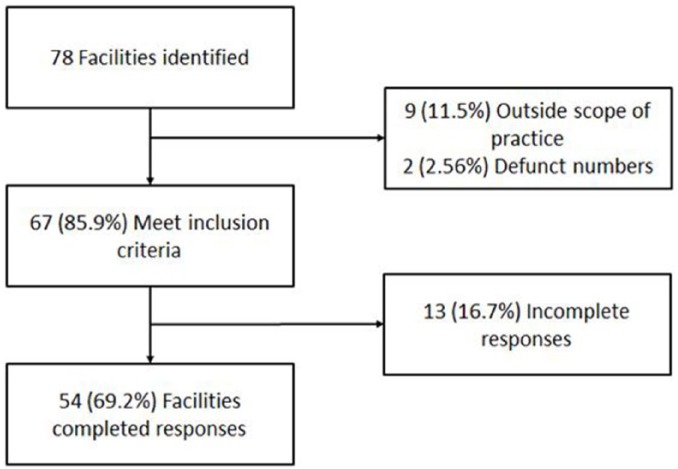
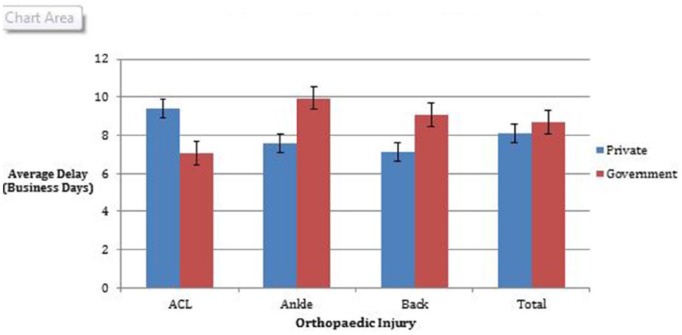
The objective of this study was to evaluate the relationship between insurance status and access to physical therapy (PT). Masked telephone interviews with PT facilities in a major metropolitan area were conducted with researchers posing as parents of children. Each facility was called twice: once with a private insurer and once with a government insurer. Earliest available appointment, if the facility accepted insurance, and amount of time required to return a call were recorded. Fifty-four PT clinics responded. Clinics that accepted private insurance were significantly greater than the proportion that accepted government insurance (85.2% vs 14.8%, < .001). There was no significant difference in time between initial call and first offered appointment, in the 2 insurance conditions (private: 8.09 days, government: 8.67 days, = .33). There were no significant differences in appointment delays between both insurance conditions. Our study found there was a significantly lower rate of children with government-funded insurance that had access to postsurgical rehabilitation.
本研究的目的是评估保险状况与获得物理治疗(PT)之间的关系。研究人员假扮儿童家长,对一个主要大都市地区的物理治疗机构进行了匿名电话访谈。每个机构都被打了两次电话:一次提及私人保险公司,一次提及政府保险公司。记录了如果该机构接受保险,最早可预约的时间,以及回电所需的时间。有54家物理治疗诊所做出了回应。接受私人保险的诊所比例显著高于接受政府保险的比例(85.2%对14.8%,P<0.001)。在两种保险情况下,从首次致电到首次提供预约的时间没有显著差异(私人保险:8.09天,政府保险:8.67天,P = 0.33)。两种保险情况下的预约延迟没有显著差异。我们的研究发现,获得政府资助保险的儿童接受术后康复治疗的比例显著较低。