Lu Jin, Pang Jiushen, Chen Ying, Dong Qi, Sheng Jiahao, Luo Yong, Lu Yao, Lin Bingcheng, Liu Tingjiao
College of Stomatology, Dalian Medical University, Dalian 116044, China.
Faculty of Chemical, Environmental and Biological Science and Technology, Dalian Technology University, Dalian 116044, China.
Micromachines (Basel). 2019 Jun 11;10(6):390. doi: 10.3390/mi10060390.
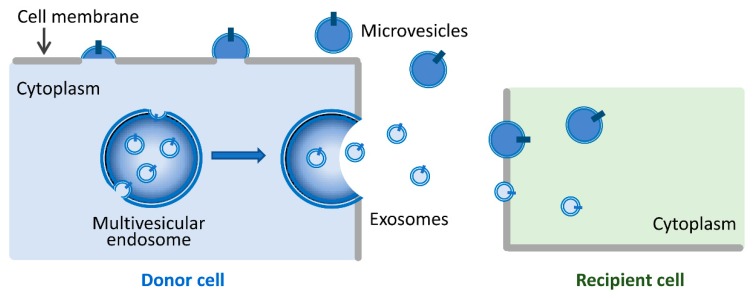
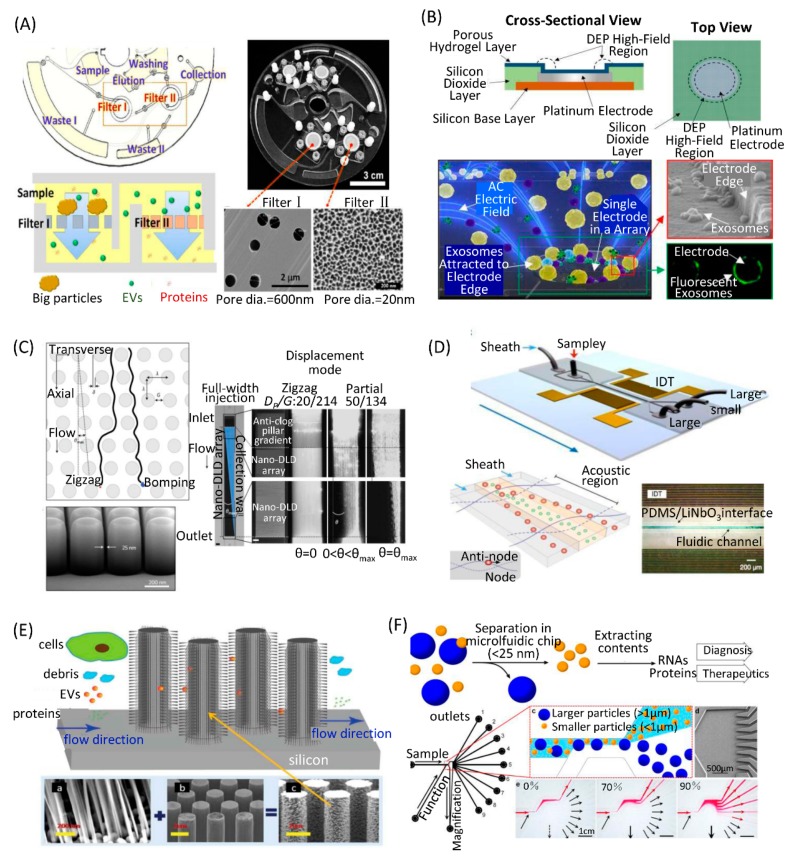
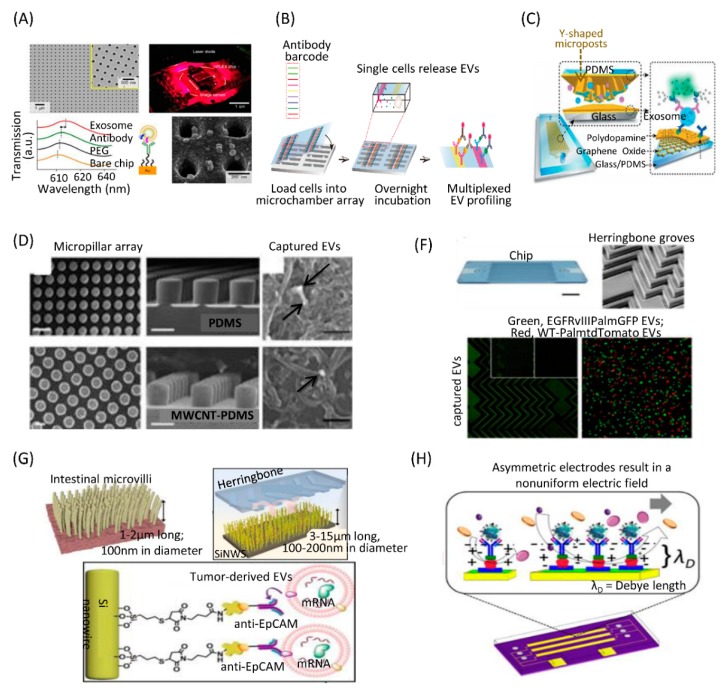
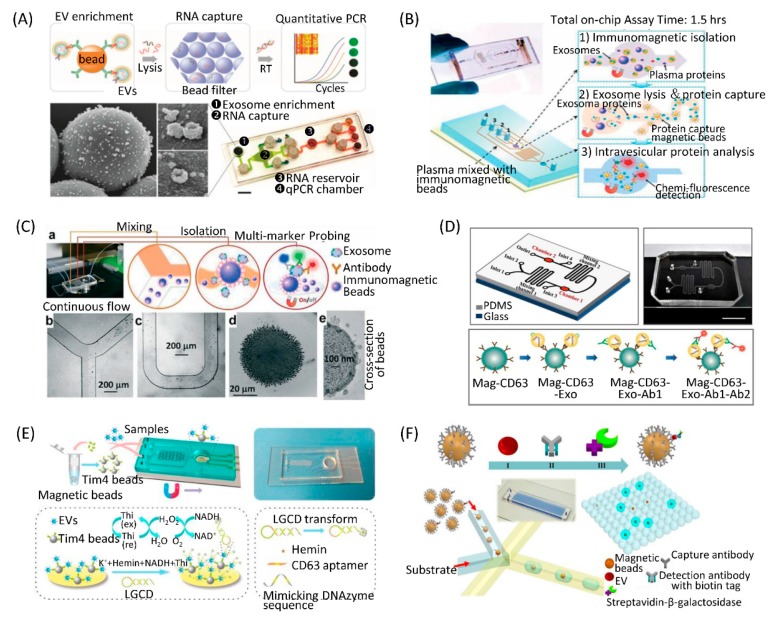
Extracellular vesicles (EVs) are becoming a promising biomarker in liquid biopsy of cancer. Separation EV from cell culture medium or biofluids with high purity and quality remains a technique challenge. EV manipulation techniques based on microfluidics have been developed in the last decade. Microfluidic-based EV separation techniques developed so far can be classified into two categories: surface biomarker-dependent and size-dependent approaches. Microfluidic techniques allow the integration of EV separation and analysis on a single chip. Integrated EV separation and on-chip analysis have shown great potential in cancer diagnosis and monitoring treatment of responses. In this review, we discuss the development of microfluidic chips for EV separation and analysis. We also detail the clinical application of these microfluidic chips in the liquid biopsy of various cancers.
细胞外囊泡(EVs)正成为癌症液体活检中一种有前景的生物标志物。从细胞培养基或生物流体中高纯度、高质量地分离出EVs仍然是一项技术挑战。在过去十年中,基于微流控技术的EVs操控技术得到了发展。目前已开发出的基于微流控的EVs分离技术可分为两类:表面生物标志物依赖型和尺寸依赖型方法。微流控技术能够在单个芯片上实现EVs分离与分析的整合。集成式EVs分离和芯片上分析在癌症诊断及治疗反应监测方面已显示出巨大潜力。在本综述中,我们讨论了用于EVs分离和分析的微流控芯片的发展情况。我们还详细介绍了这些微流控芯片在各种癌症液体活检中的临床应用。