Australian Institute of Tropical Health and Medicine, James Cook University, Cairns, QLD, 4870, Australia.
National Vector Borne Disease Control Programme, Ministry of Health and Medical Services, Honiara, Solomon Islands.
Malar J. 2019 Jun 24;18(1):208. doi: 10.1186/s12936-019-2847-2.
Malaria transmission varies in intensity amongst Solomon Island villages where Anopheles farauti is the only vector. This variation in transmission intensity might be explained by density-dependent processes during An. farauti larval development, as density dependence can impact adult size with associated fitness costs and daily survivorship.
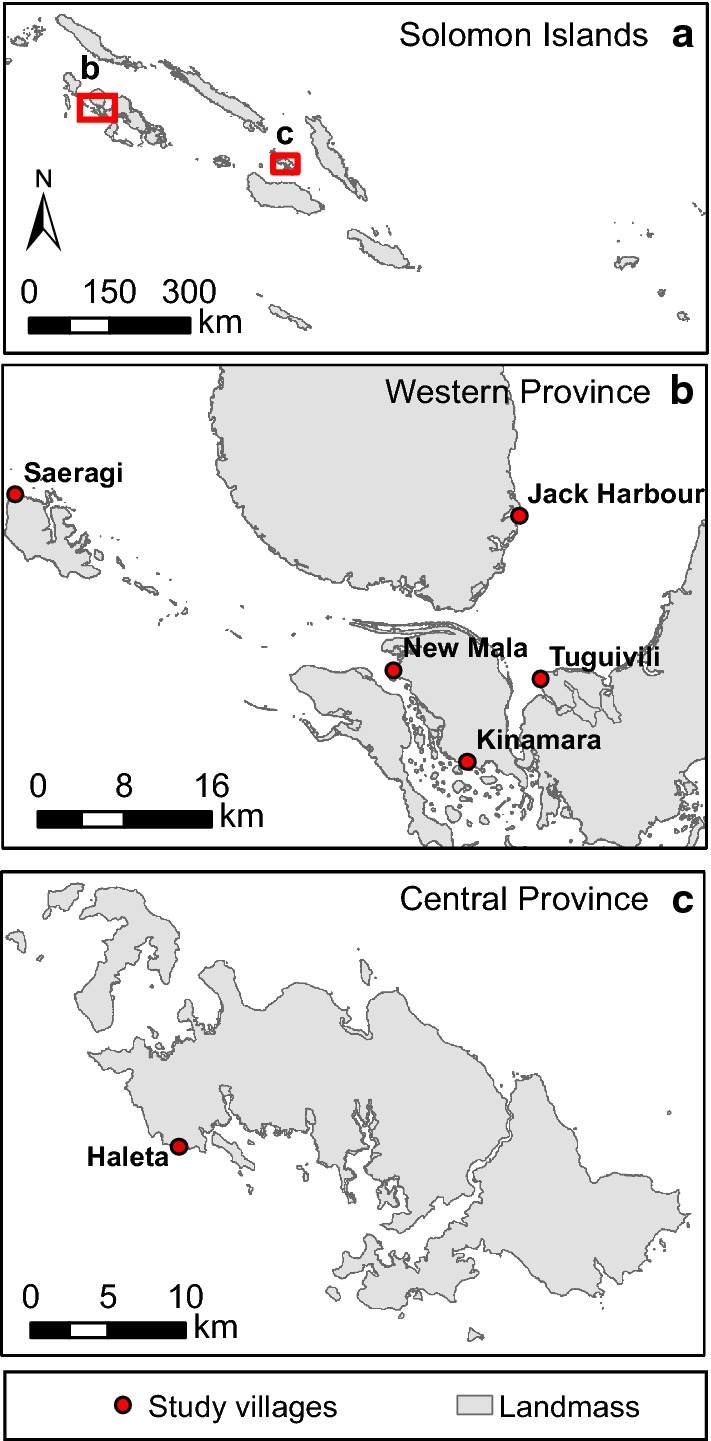
Adult anophelines were sampled from six villages in Western and Central Provinces, Solomon Islands between March 2014 and February 2017. The size of females was estimated by measuring wing lengths, and then analysed for associations with biting densities and rainfall.
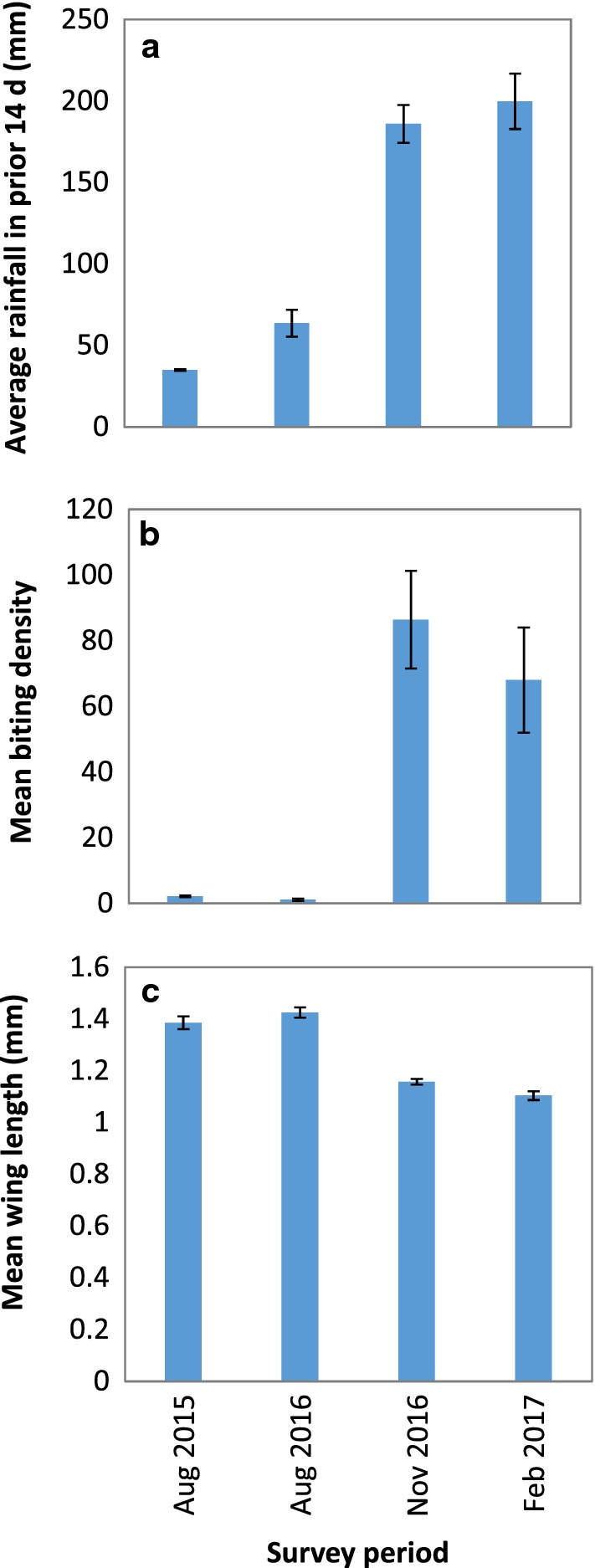
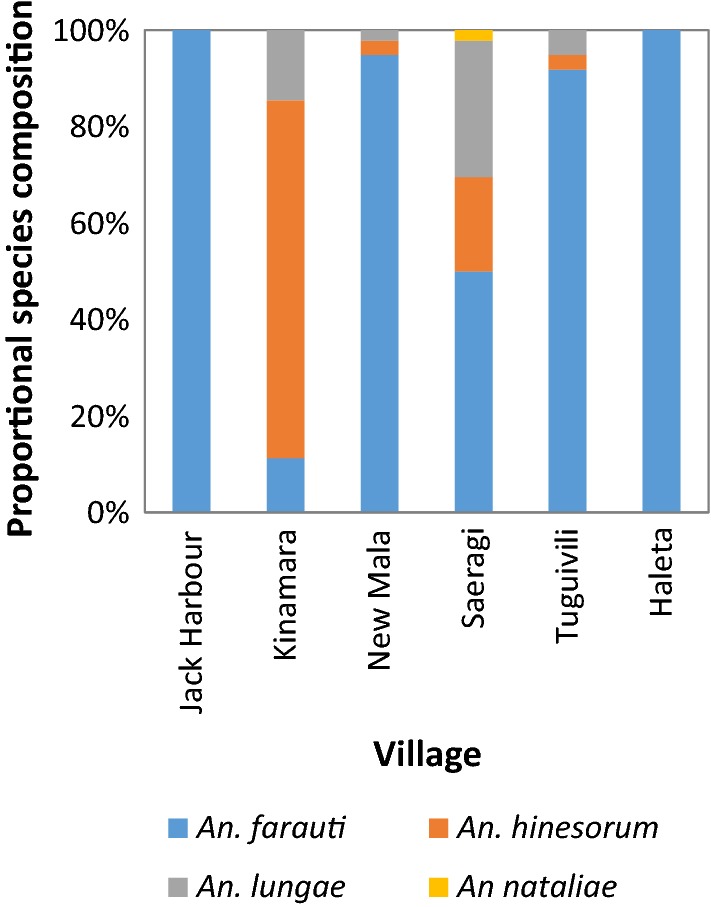
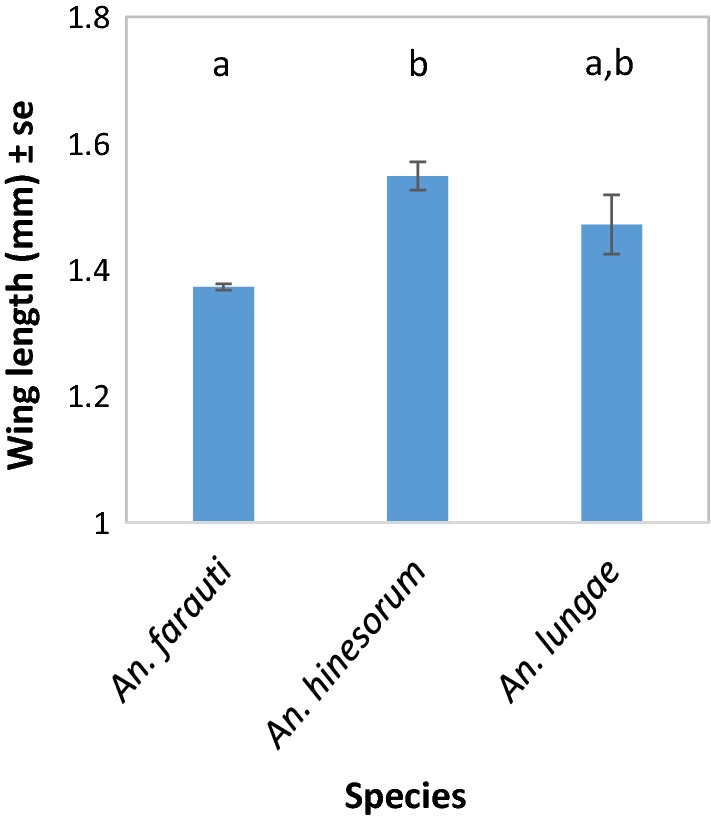
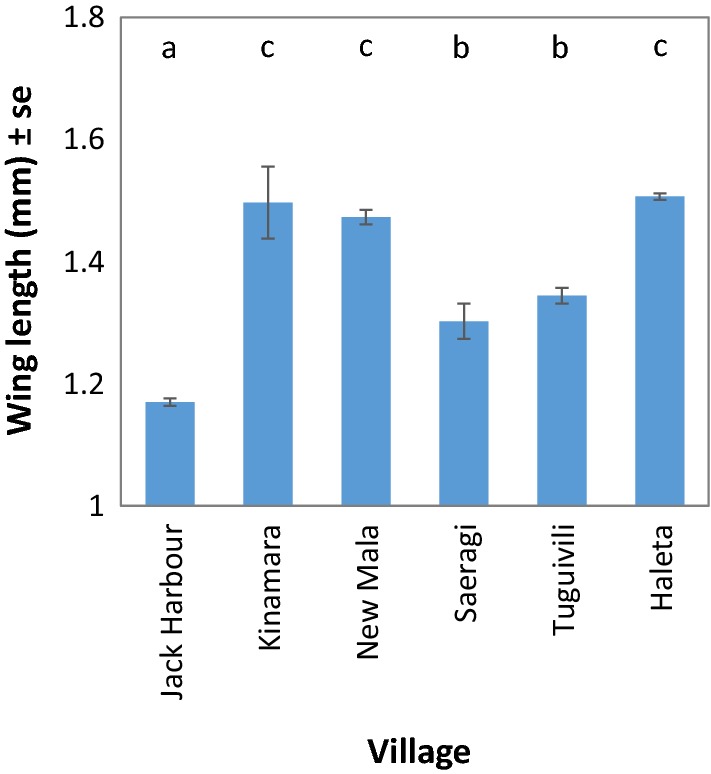
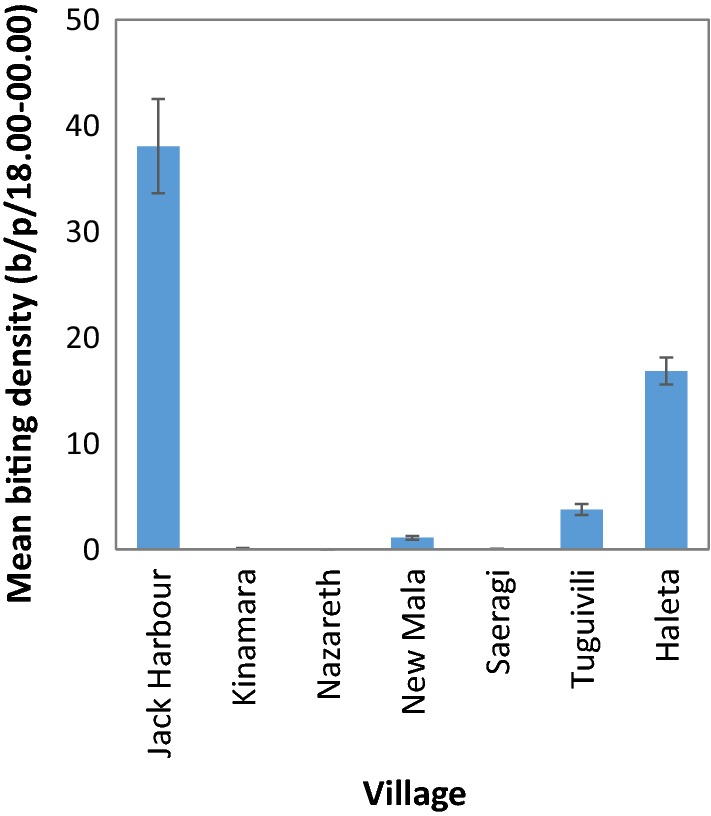
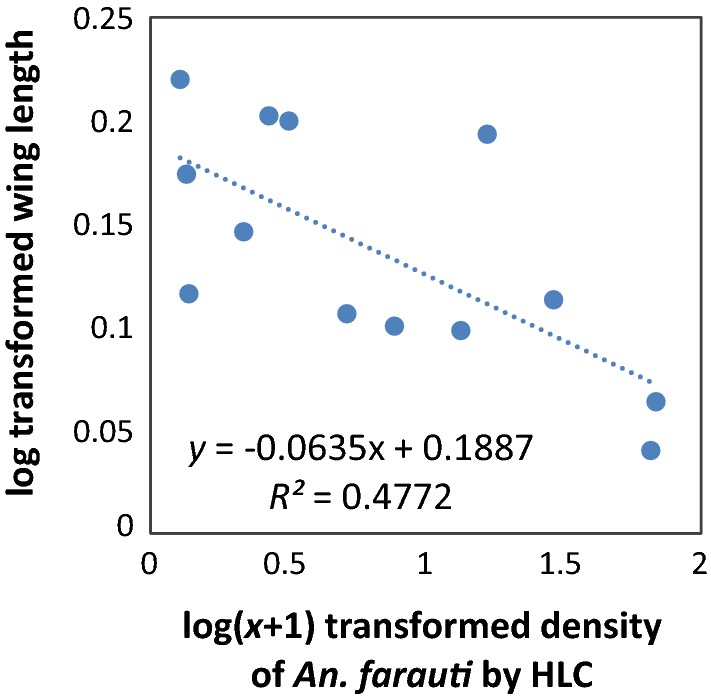
In the Solomon Islands, three anopheline species, An. farauti, Anopheles hinesorum and Anopheles lungae, differed in size. The primary malaria vector, An. farauti, varied significantly in size among villages. Greater rainfall was directly associated with higher densities of An. farauti biting rates, but inversely associated with body size with the smallest mean sized mosquitoes present during the peak transmission period. A measurable association between body size and survivorship was not found.
Density dependent effects are likely impacting the size of adult An. farauti emerging from a range of larval habitats. The data suggest that rainfall increases An. farauti numbers and that these more abundant mosquitoes are significantly smaller in size, but without any reduced survivorship being associated with smaller size. The higher malaria transmission rate in a high malaria focus village appears to be determined more by vector numbers than size or survivorship of the vectors.
在所罗门群岛的村庄中,疟疾传播的强度存在差异,其中只有三带喙库蚊是唯一的传播媒介。这种传播强度的变化可能可以通过三带喙库蚊幼虫发育过程中的密度依赖性过程来解释,因为密度依赖性会影响成虫的大小,从而带来相关的适应代价和日存活率的降低。
2014 年 3 月至 2017 年 2 月,在所罗门群岛的中西省的六个村庄中采集成年按蚊样本。通过测量翅长来估计雌性的大小,然后分析其与叮咬密度和降雨量的关系。
在所罗门群岛,三种按蚊,即三带喙库蚊、辛普森按蚊和雷氏按蚊,大小不同。主要疟疾媒介三带喙库蚊在不同村庄的大小存在显著差异。降雨量越大,三带喙库蚊的叮咬率越高,但与体型呈反比,在传播高峰期,体型最小的蚊子数量最多。未发现体型与存活率之间存在可衡量的关联。
密度依赖效应可能会影响到各种幼虫栖息地中成年三带喙库蚊的大小。数据表明,降雨量增加了三带喙库蚊的数量,这些更为丰富的蚊子体型明显较小,但与体型较小相关的存活率没有降低。在疟疾高发村庄中,更高的疟疾传播率似乎更多地取决于媒介数量,而不是媒介的大小或存活率。