School of Psychology, Cardiff University, Cardiff CF10 3AT, United Kingdom.
Trinity College Institute of Neuroscience, Trinity College Dublin, Dublin 2, Ireland.
J Neurosci. 2019 Aug 21;39(34):6696-6713. doi: 10.1523/JNEUROSCI.0827-19.2019. Epub 2019 Jun 24.
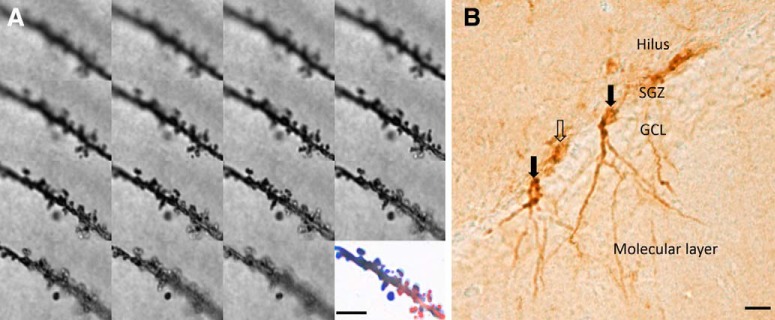
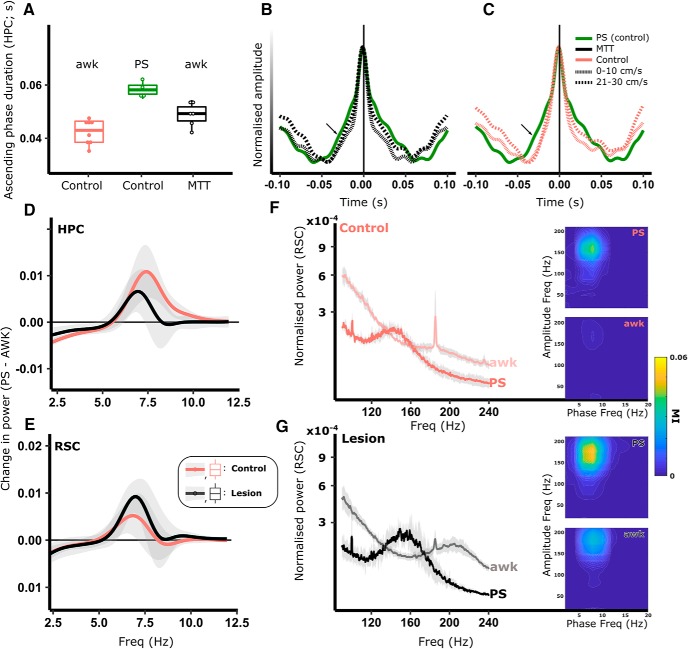
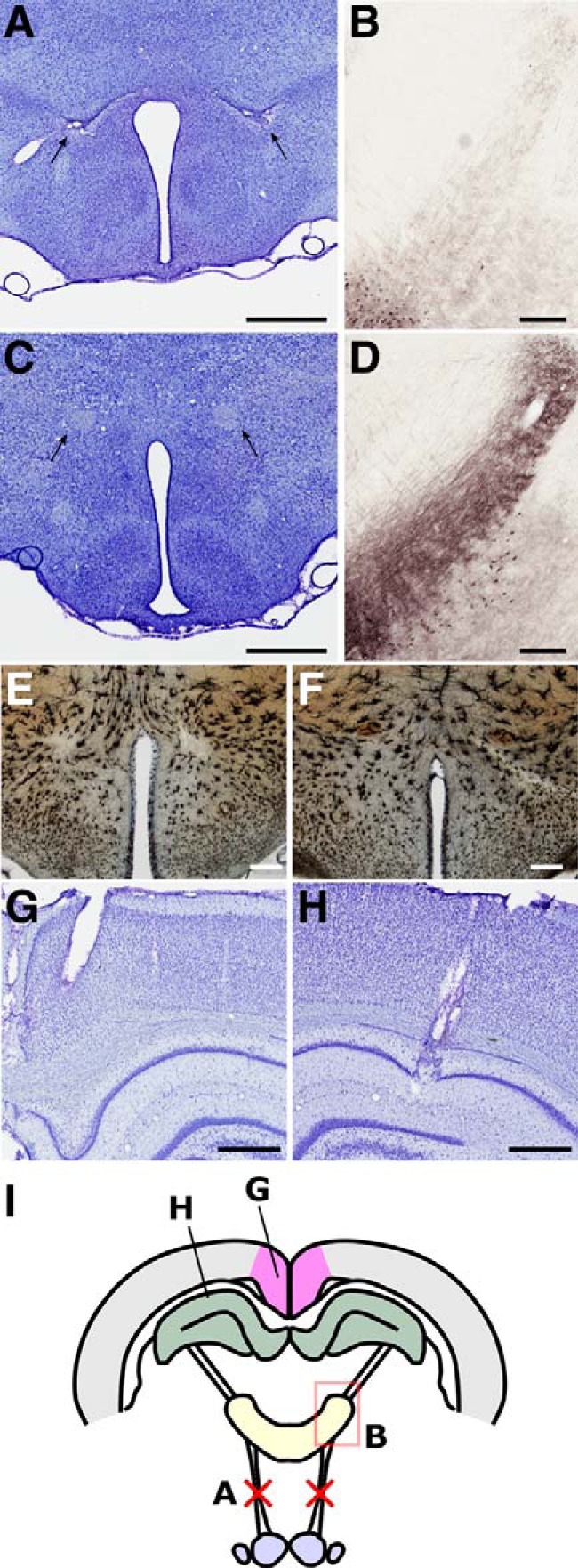
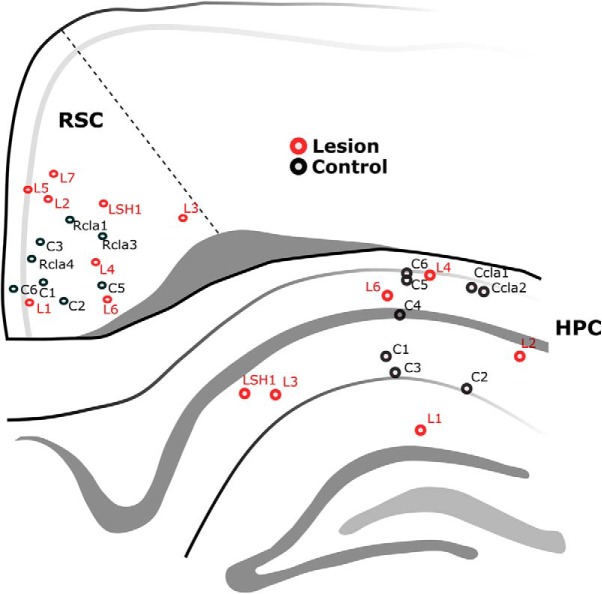
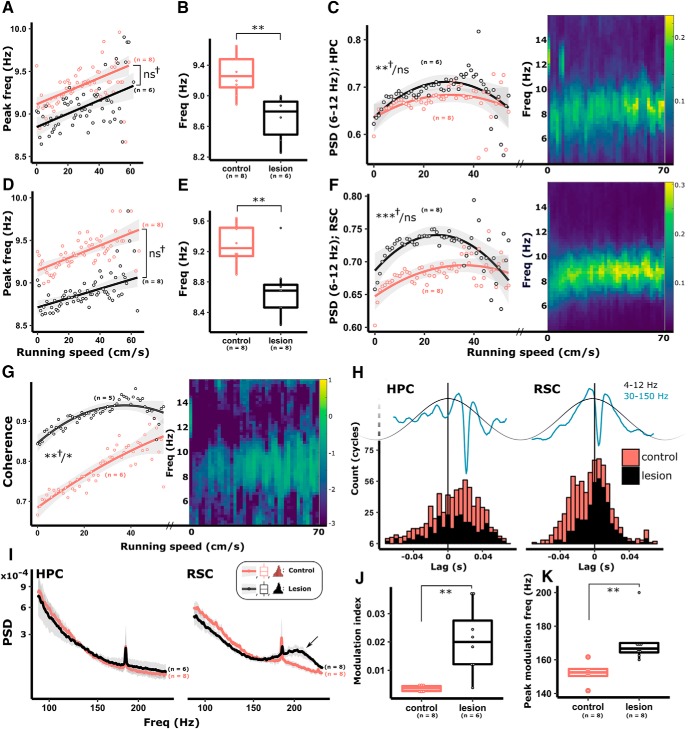
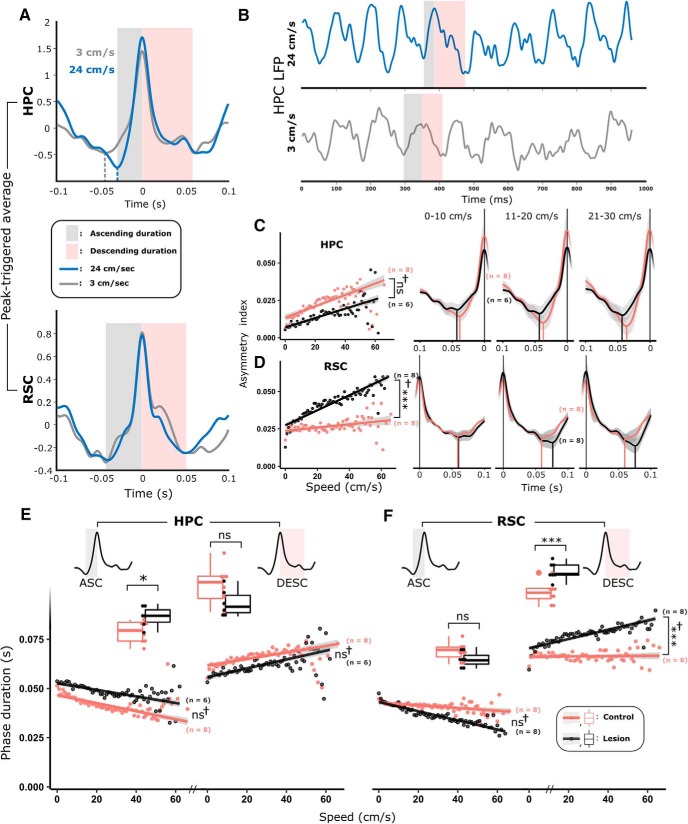
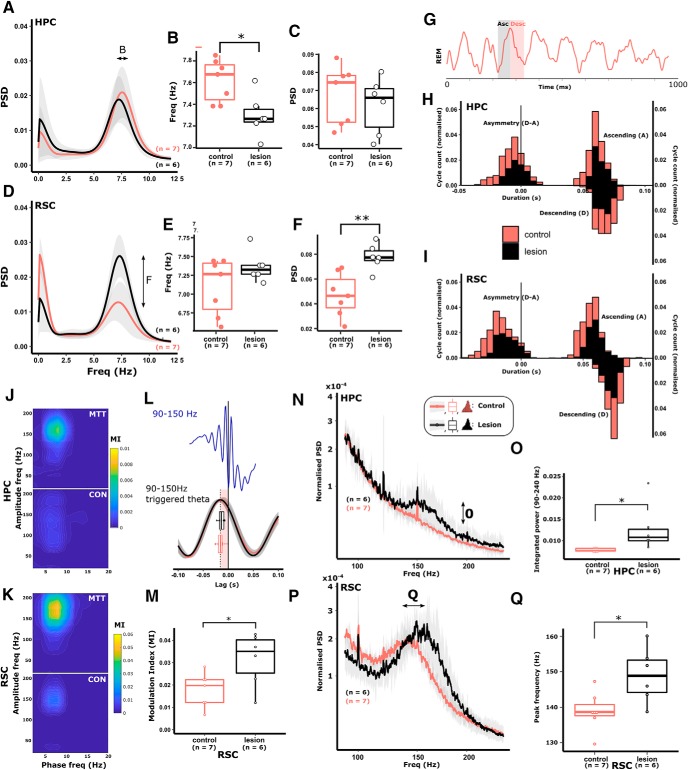
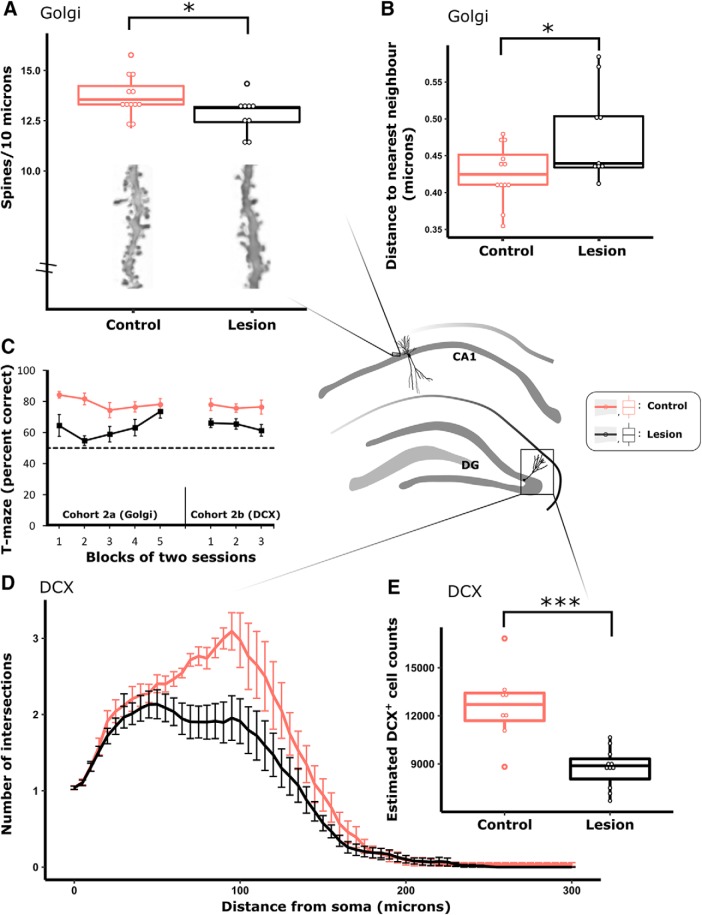
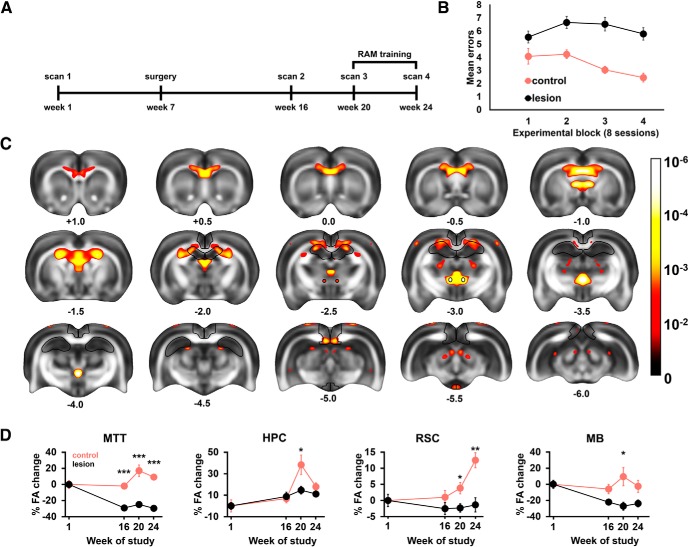
Diencephalic amnesia can be as debilitating as the more commonly known temporal lobe amnesia, yet the precise contribution of diencephalic structures to memory processes remains elusive. Across four cohorts of male rats, we used discrete lesions of the mammillothalamic tract to model aspects of diencephalic amnesia and assessed the impact of these lesions on multiple measures of activity and plasticity within the hippocampus and retrosplenial cortex. Lesions of the mammillothalamic tract had widespread indirect effects on hippocampocortical oscillatory activity within both theta and gamma bands. Both within-region oscillatory activity and cross-regional synchrony were altered. The network changes were state-dependent, displaying different profiles during locomotion and paradoxical sleep. Consistent with the associations between oscillatory activity and plasticity, complementary analyses using several convergent approaches revealed microstructural changes, which appeared to reflect a suppression of learning-induced plasticity in lesioned animals. Together, these combined findings suggest a mechanism by which damage to the medial diencephalon can impact upon learning and memory processes, highlighting an important role for the mammillary bodies in the coordination of hippocampocortical activity. Information flow within the Papez circuit is critical to memory. Damage to ascending mammillothalamic projections has consistently been linked to amnesia in humans and spatial memory deficits in animal models. Here we report on the changes in hippocampocortical oscillatory dynamics that result from chronic lesions of the mammillothalamic tract and demonstrate, for the first time, that the mammillary bodies, independently of the supramammillary region, contribute to frequency modulation of hippocampocortical theta oscillations. Consistent with the associations between oscillatory activity and plasticity, the lesions also result in a suppression of learning-induced plasticity. Together, these data support new functional models whereby mammillary bodies are important for coordinating hippocampocortical activity rather than simply being a relay of hippocampal information as previously assumed.
间脑性遗忘症可能与更为常见的颞叶性遗忘症一样严重,但间脑结构对记忆过程的确切贡献仍然难以捉摸。在四个雄性大鼠队列中,我们使用乳突丘脑束的离散损伤来模拟间脑性遗忘症的各个方面,并评估这些损伤对海马体和后扣带回皮层内多个活动和可塑性测量的影响。乳突丘脑束的损伤对海马体皮质内的θ和γ波段的振荡活动有广泛的间接影响。区域内的振荡活动和跨区域的同步性都发生了改变。这些网络变化是状态依赖性的,在运动和反常睡眠期间显示出不同的模式。与振荡活动和可塑性之间的关联一致,使用几种收敛方法的互补分析显示出微观结构的变化,这些变化似乎反映了学习诱导的可塑性在损伤动物中的抑制。总的来说,这些综合发现表明,内侧间脑的损伤可以影响学习和记忆过程,突出了乳突体在协调海马体皮质活动中的重要作用。信息在帕佩兹回路内的流动对记忆至关重要。上升的乳突丘脑投射的损伤一直与人类的遗忘症和动物模型中的空间记忆缺陷有关。在这里,我们报告了慢性乳突丘脑束损伤导致的海马体皮质振荡动力学变化,并首次证明,乳突体独立于上乳突区域,有助于海马体皮质θ振荡的频率调制。与振荡活动和可塑性之间的关联一致,这些损伤也导致了学习诱导的可塑性的抑制。总的来说,这些数据支持了新的功能模型,即乳突体对于协调海马体皮质活动非常重要,而不仅仅是像以前假设的那样仅仅是海马体信息的中继站。