1 Department of Cardiovascular Medicine Graduate School of Medicine Kyoto University Kyoto Japan.
2 Department of Pharmacology Kansai Medical University Hirakata Japan.
J Am Heart Assoc. 2019 Jul 2;8(13):e012609. doi: 10.1161/JAHA.119.012609. Epub 2019 Jun 27.
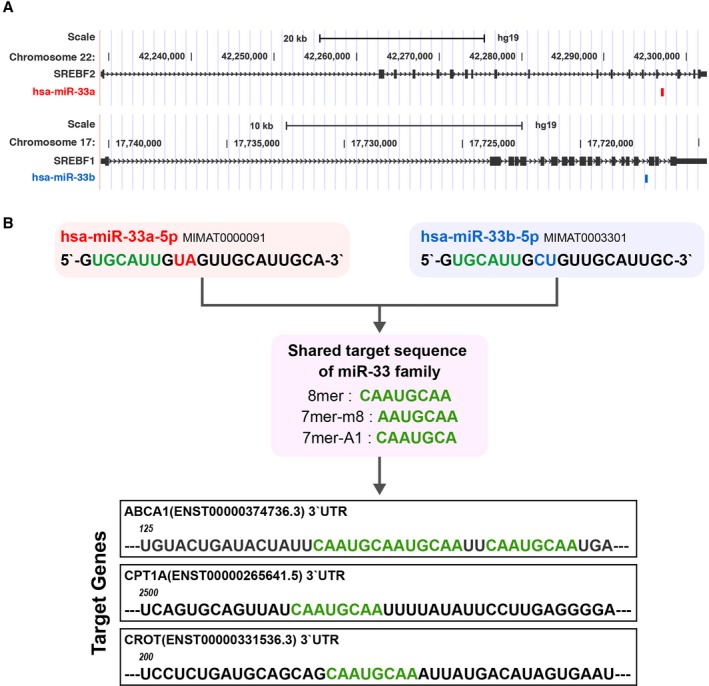
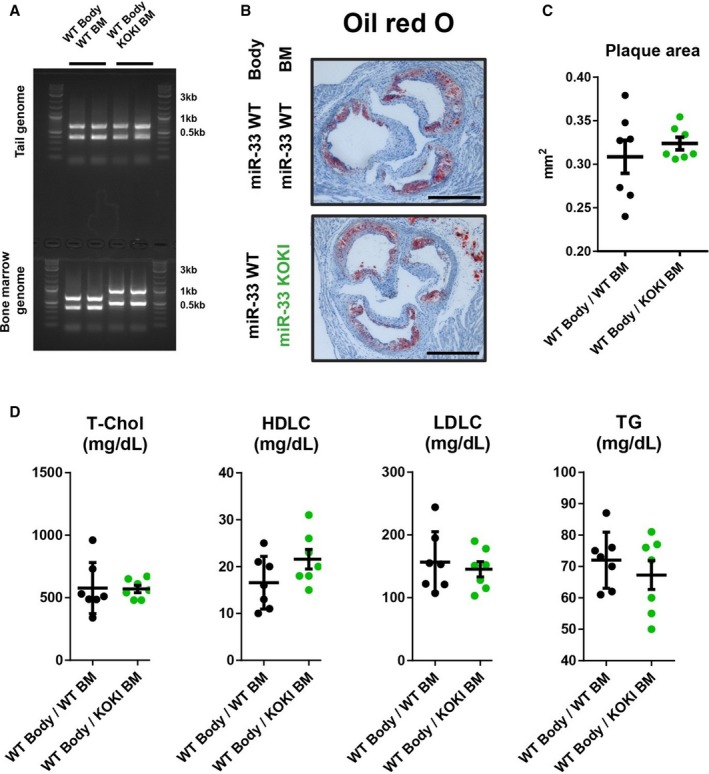
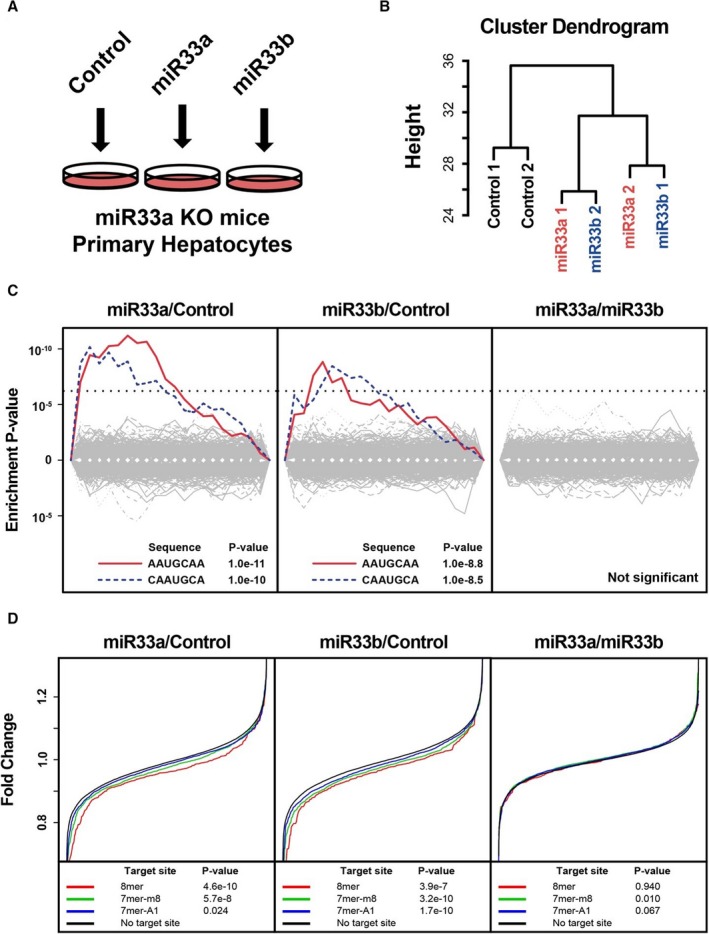
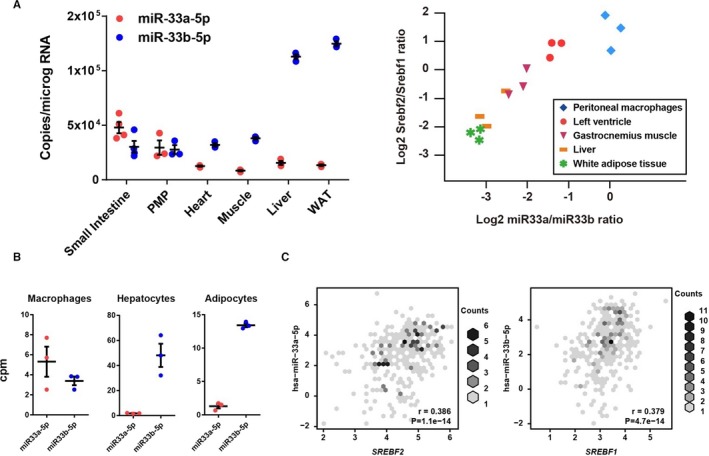
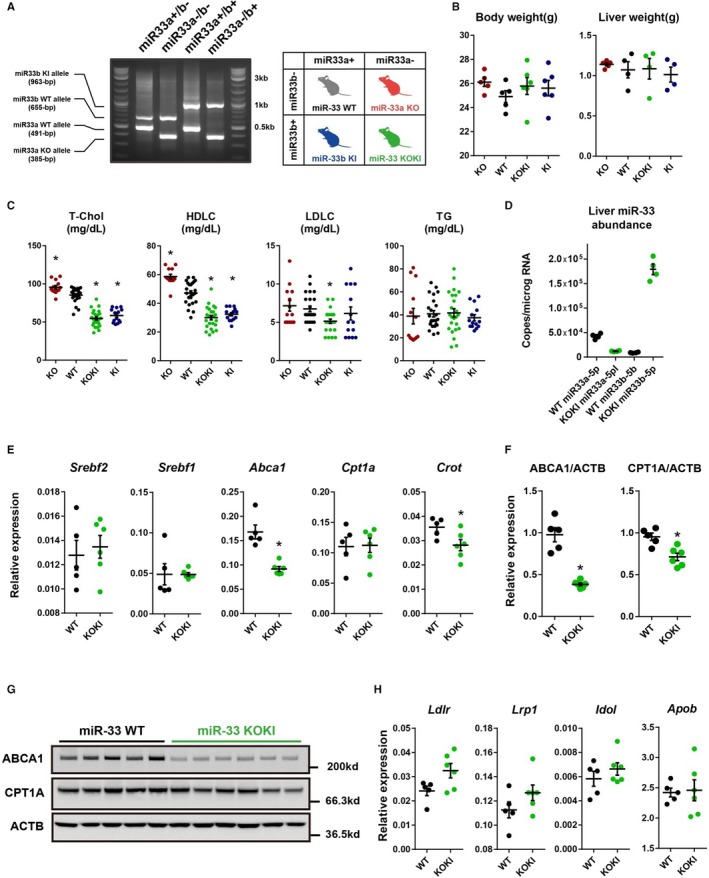
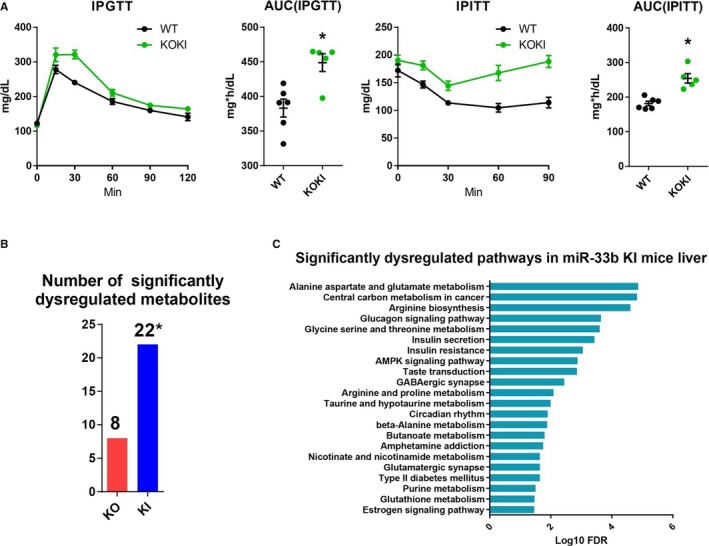
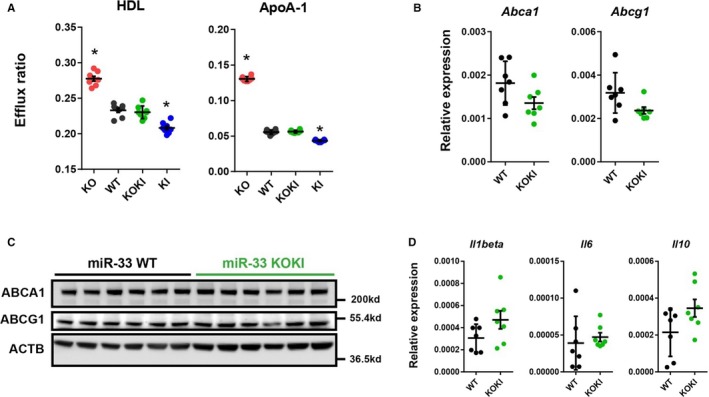
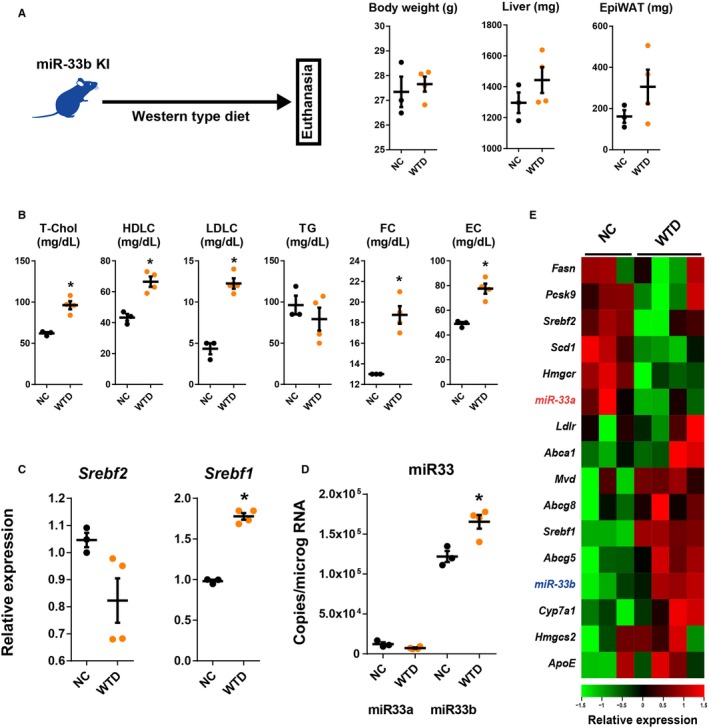
Background Micro RNA (miR)-33 targets cholesterol transporter ATP -binding cassette protein A1 and other antiatherogenic targets and contributes to atherogenic progression. Its inhibition or deletion is known to result in the amelioration of atherosclerosis in mice. However, mice lack the other member of the miR-33 family, miR-33b, which exists in humans and other large mammals. Thus, precise evaluation and comparison of the responsibilities of these 2 miRs during the progression of atherosclerosis has not been reported, although they are essential. Methods and Results In this study, we performed a comprehensive analysis of the difference between the function of miR-33a and miR-33b using genetically modified mice. We generated 4 strains with or without miR-33a and miR-33b. Comparison between mice with only miR-33a (wild-type mice) and mice with only miR-33b (miR-33a/miR-33b) revealed the dominant expression of miR-33b in the liver. To evaluate the whole body atherogenic potency of miR-33a and miR-33b, we developed apolipoprotein E-deficient/miR-33a/miR-33b mice and apolipoprotein E-deficient/miR-33a/miR-33b mice. With a high-fat and high-cholesterol diet, the apolipoprotein E-deficient/miR-33a/miR-33b mice developed increased atherosclerotic plaque versus apolipoprotein E-deficient/miR-33a/miR-33b mice, in line with the predominant expression of miR-33b in the liver and worsened serum cholesterol profile. By contrast, a bone marrow transplantation study showed no significant difference, which was consistent with the relevant expression levels of miR-33a and miR-33b in bone marrow cells. Conclusions The miR-33 family exhibits differences in distribution and regulation and particularly in the progression of atherosclerosis; miR-33b would be more potent than miR-33a.
微小 RNA(miR)-33 靶向胆固醇转运体 ATP 结合盒蛋白 A1 和其他抗动脉粥样硬化靶点,并促进动脉粥样硬化的进展。已知其抑制或缺失会导致小鼠动脉粥样硬化的改善。然而,小鼠缺乏 miR-33 家族的另一个成员 miR-33b,而 miR-33b 存在于人类和其他大型哺乳动物中。因此,尽管它们很重要,但尚未报道 miR-33a 和 miR-33b 在动脉粥样硬化进展过程中的作用的精确评估和比较。
在本研究中,我们使用基因修饰小鼠对 miR-33a 和 miR-33b 功能的差异进行了全面分析。我们生成了 4 种具有或不具有 miR-33a 和 miR-33b 的菌株。比较仅具有 miR-33a(野生型小鼠)的小鼠和仅具有 miR-33b(miR-33a/miR-33b)的小鼠表明 miR-33b 在肝脏中表达占优势。为了评估 miR-33a 和 miR-33b 的全身动脉粥样硬化潜力,我们开发了载脂蛋白 E 缺陷/miR-33a/miR-33b 小鼠和载脂蛋白 E 缺陷/miR-33a/miR-33b 小鼠。用高脂肪和高胆固醇饮食喂养后,载脂蛋白 E 缺陷/miR-33a/miR-33b 小鼠的动脉粥样硬化斑块增加,而载脂蛋白 E 缺陷/miR-33a/miR-33b 小鼠的斑块增加,这与 miR-33b 在肝脏中的主要表达一致,且血清胆固醇谱恶化。相比之下,骨髓移植研究表明没有显著差异,这与骨髓细胞中 miR-33a 和 miR-33b 的相关表达水平一致。
miR-33 家族在分布和调控方面存在差异,特别是在动脉粥样硬化的进展方面;miR-33b 比 miR-33a 更有效。