Department of Chemical and Biomolecular Engineering, Carl R. Woese Institute for Genomic Biology, University of Illinois at Urbana-Champaign, Urbana, Illinois, USA.
Department of Microbiology, Nankai University, Tianjin, China.
mSphere. 2019 Jun 26;4(3):e00345-19. doi: 10.1128/mSphere.00345-19.
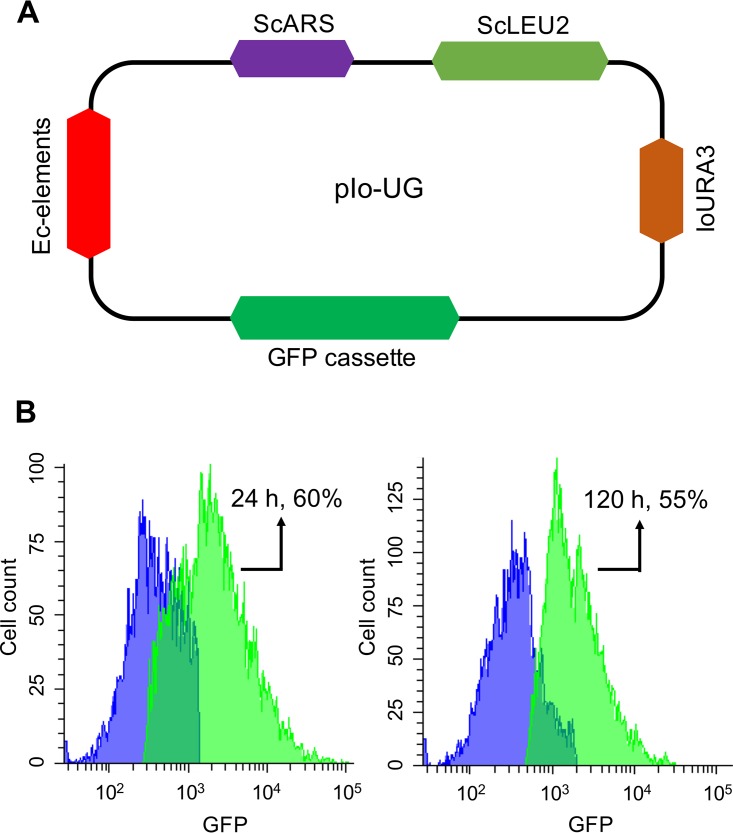
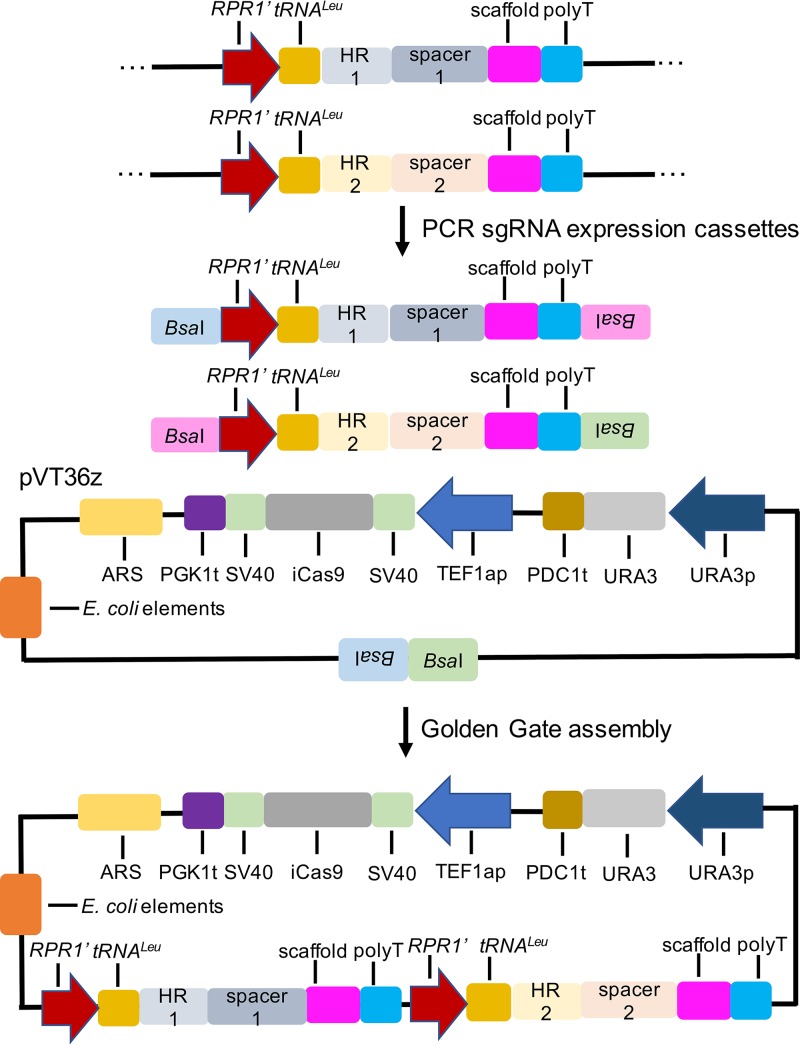
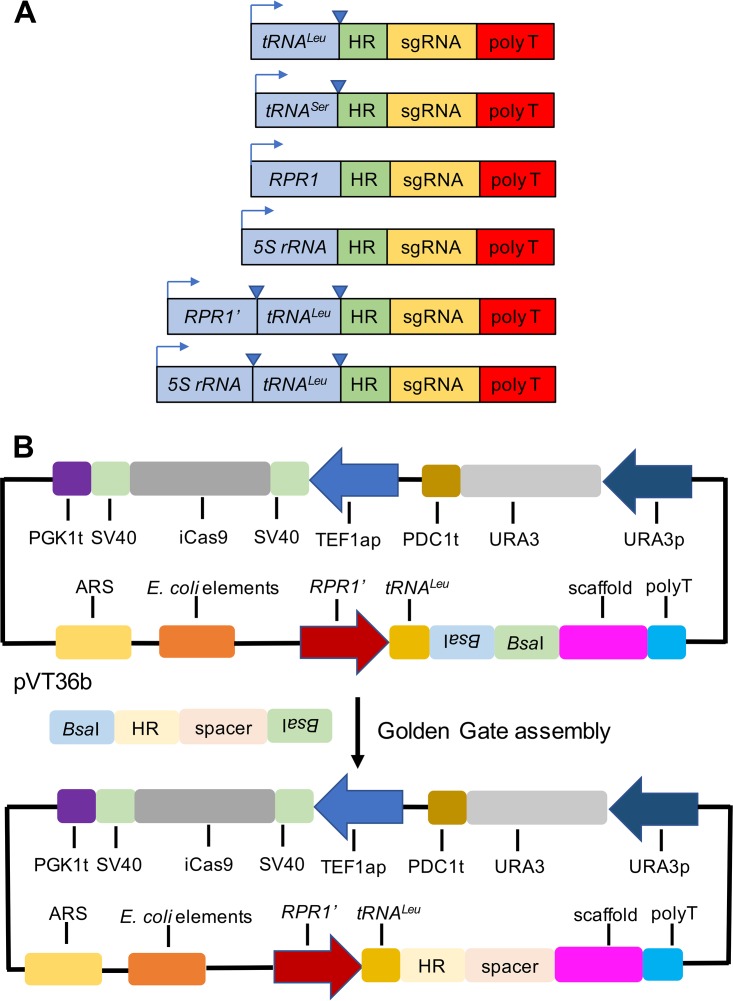
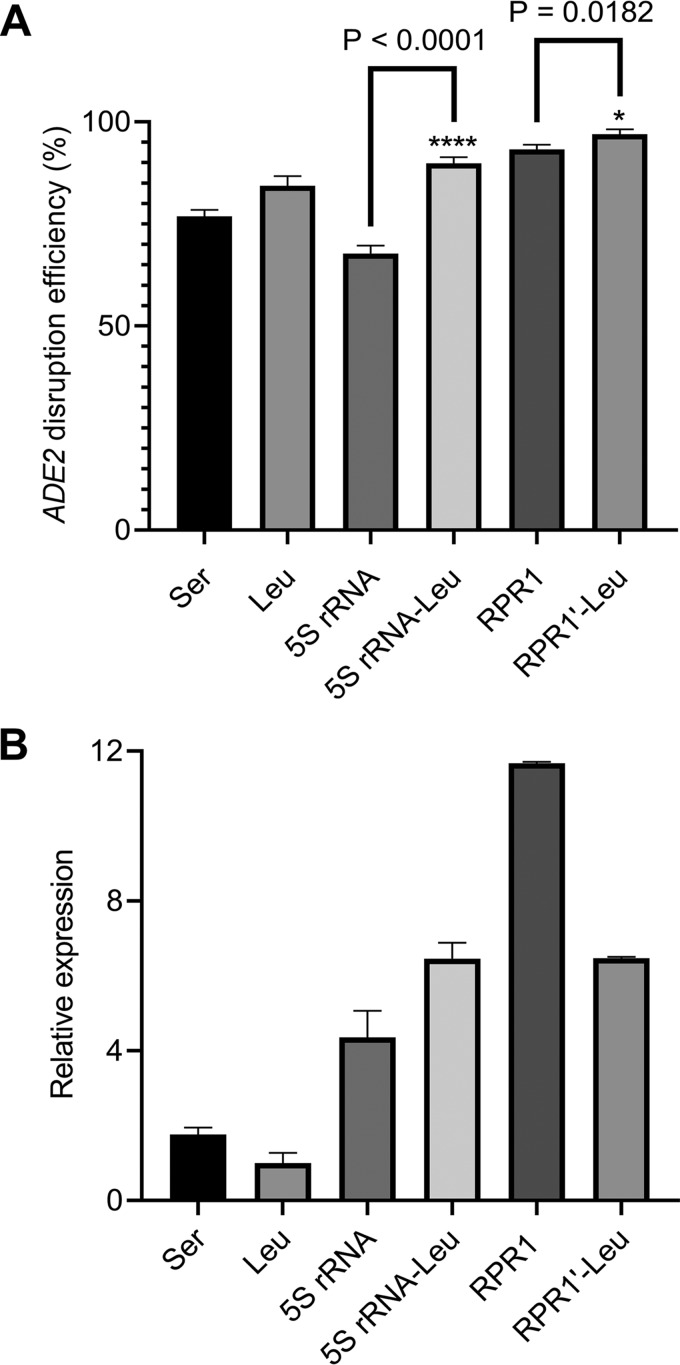
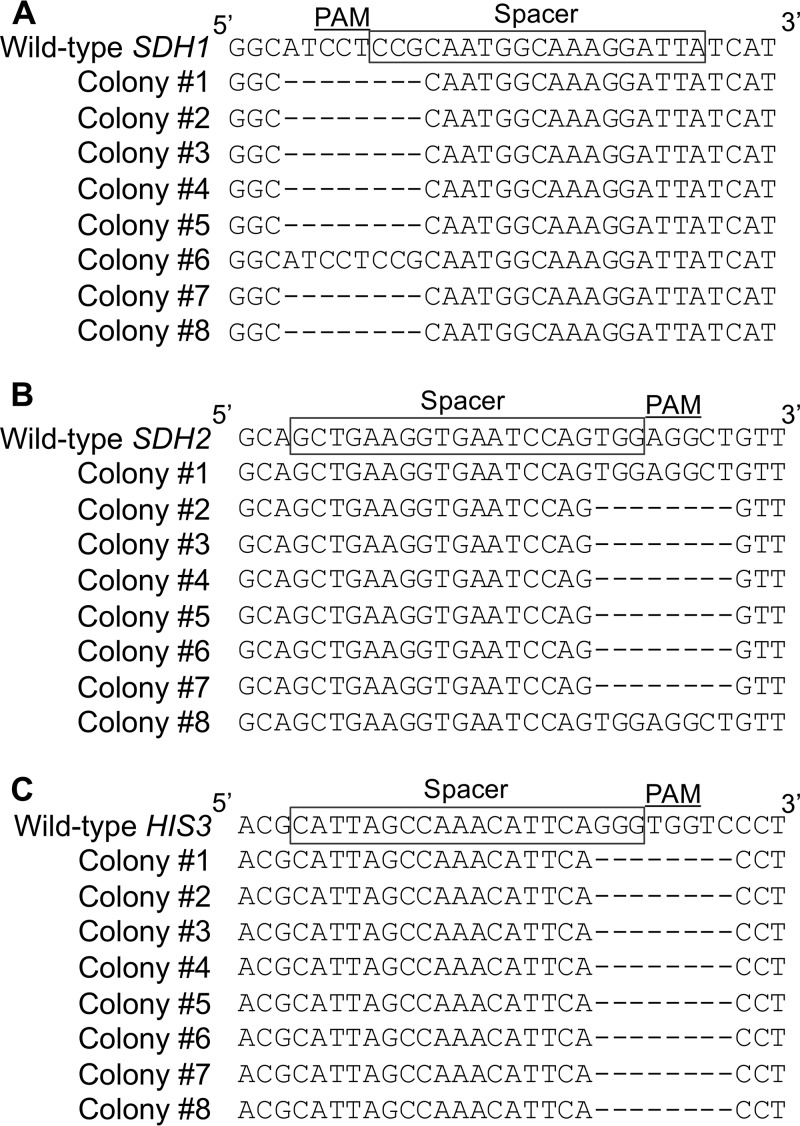
The nonconventional yeast has emerged as a potential platform microorganism for production of organic acids due to its ability to grow robustly under highly acidic conditions. However, lack of efficient genetic tools remains a major bottleneck in metabolic engineering of this organism. Here we report that the autonomously replicating sequence (ARS) from (ScARS) was functional for plasmid replication in , and the resulting episomal plasmid enabled efficient genome editing by the CRISPR/Cas9 system. The optimized CRISPR/Cas9-based system employed a fusion ' promoter for single guide RNA (sgRNA) expression and could attain greater than 97% gene disruption efficiency for various gene targets. Additionally, we demonstrated multiplexed gene deletion with disruption efficiencies of 90% and 47% for double gene and triple gene knockouts, respectively. This genome editing tool can be used for rapid strain development and metabolic engineering of this organism for production of biofuels and chemicals. Microbial production of fuels and chemicals from renewable and readily available biomass is a sustainable and economically attractive alternative to petroleum-based production. Because of its unusual tolerance to highly acidic conditions, is a promising potential candidate for the manufacture of valued organic acids. Nevertheless, reliable and efficient genetic engineering tools in are limited. The results outlined in this paper describe a stable episomal ARS-containing plasmid and the first CRISPR/Cas9-based system for gene disruptions in , paving the way for applying genome engineering and metabolic engineering strategies and tools in this microorganism for production of fuels and chemicals.
非传统酵母由于能够在强酸条件下健壮生长,因此成为生产有机酸的潜在平台微生物。然而,缺乏有效的遗传工具仍然是该生物体代谢工程的主要瓶颈。在这里,我们报告称,来自(ScARS)的自主复制序列(ARS)可在()中用于质粒复制,并且由此产生的附加体质粒使 CRISPR/Cas9 系统能够有效地进行基因组编辑。优化后的基于 CRISPR/Cas9 的系统采用融合 '启动子用于单指导 RNA(sgRNA)表达,并能实现各种基因靶标大于 97%的基因敲除效率。此外,我们还证明了对于双基因和三基因敲除,分别可以达到 90%和 47%的多路基因缺失效率。该基因组编辑工具可用于该生物体的快速菌株开发和代谢工程,以生产生物燃料和化学品。利用可再生和易得的生物质生产燃料和化学品是一种可持续的、具有经济吸引力的石油基生产替代品。由于其对强酸条件的异常耐受,因此是制造有价值有机酸的有前途的潜在候选者。然而,()中可靠和高效的遗传工程工具有限。本文概述的结果描述了一种稳定的含有附加体 ARS 的质粒和第一个用于()中基因敲除的基于 CRISPR/Cas9 的系统,为在该微生物中应用基因组工程和代谢工程策略和工具以生产燃料和化学品铺平了道路。