Division of Cardiology, Department of Internal Medicine, The Jikei University School of Medicine, 3-25-8, Nishi-Shinbashi, Minato-ku, Tokyo, 105-8461, Japan.
Cardiovasc Diabetol. 2019 Jul 1;18(1):85. doi: 10.1186/s12933-019-0889-y.
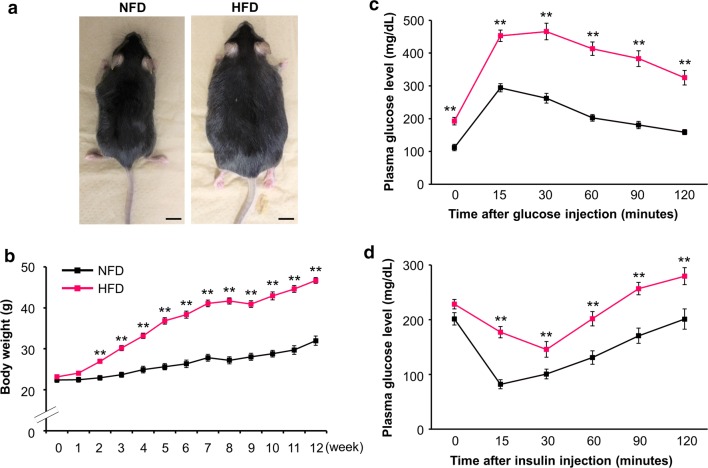
Recent large-scale clinical trials have shown that SGLT2-inhibitors reduce cardiovascular events in diabetic patients. However, the regulation and functional role of cardiac sodium-glucose cotransporter (SGLT1 is the dominant isoform) compared with those of other glucose transporters (insulin-dependent GLUT4 is the major isoform) remain incompletely understood. Given that glucose is an important preferential substrate for myocardial energy metabolism under conditions of ischemia-reperfusion injury (IRI), we hypothesized that SGLT1 contributes to cardioprotection during the acute phase of IRI via enhanced glucose transport, particularly in insulin-resistant phenotypes.
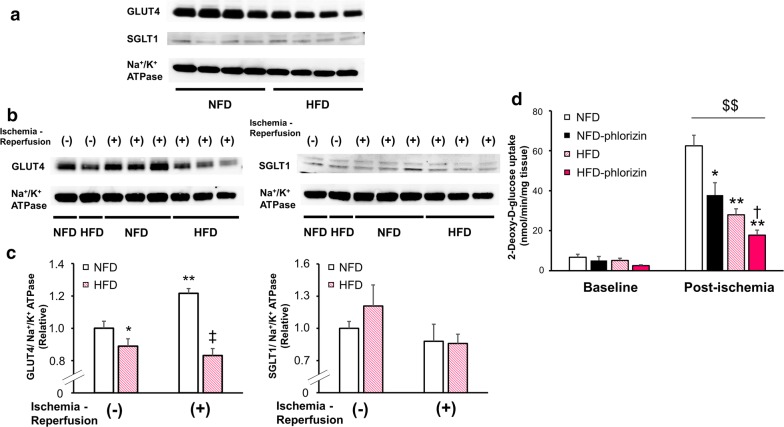
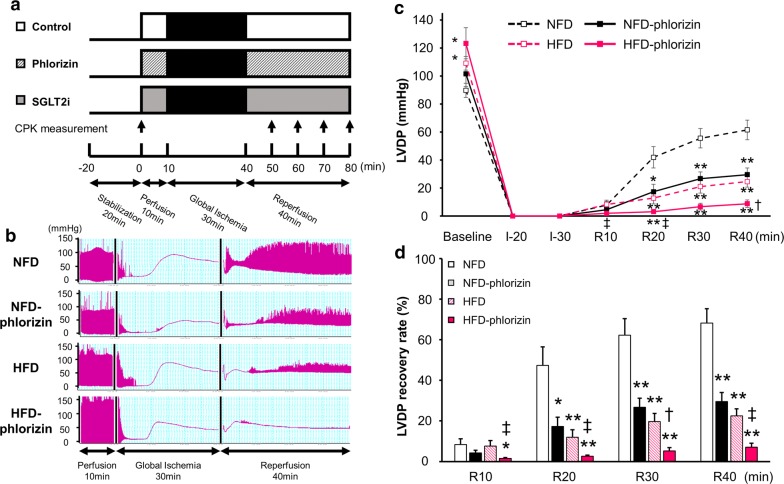
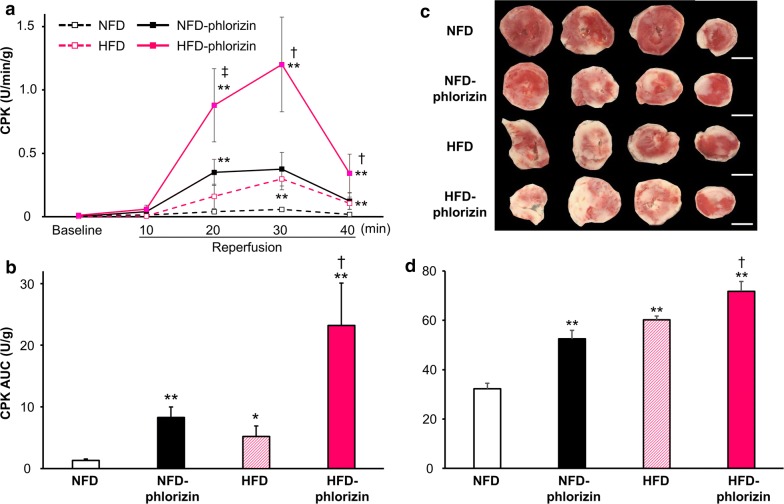
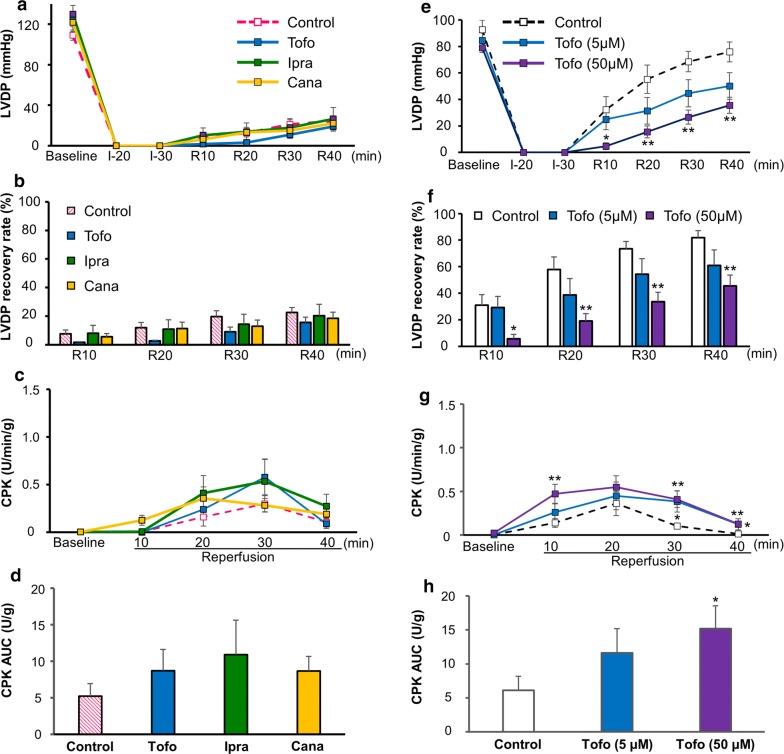
The hearts from mice fed a high-fat diet (HFD) for 12 weeks or a normal-fat diet (NFD) were perfused with either the non-selective SGLT-inhibitor phlorizin or selective SGLT2-inhibitors (tofogliflozin, ipragliflozin, canagliflozin) during IRI using Langendorff model. After ischemia-reperfusion, HFD impaired left ventricular developed pressure (LVDP) recovery compared with the findings in NFD. Although phlorizin-perfusion impaired LVDP recovery in NFD, a further impaired LVDP recovery and a dramatically increased infarct size were observed in HFD with phlorizin-perfusion. Meanwhile, none of the SGLT2-inhibitors significantly affected cardiac function or myocardial injury after ischemia-reperfusion under either diet condition. The plasma membrane expression of GLUT4 was significantly increased after IRI in NFD but was substantially attenuated in HFD, the latter of which was associated with a significant reduction in myocardial glucose uptake. In contrast, SGLT1 expression at the plasma membrane remained constant during IRI, regardless of the diet condition, whereas SGLT2 was not detected in the hearts of any mice. Of note, phlorizin considerably reduced myocardial glucose uptake after IRI, particularly in HFD.
Cardiac SGLT1 but not SGLT2 plays a compensatory protective role during the acute phase of IRI via enhanced glucose uptake, particularly under insulin-resistant conditions, in which IRI-induced GLUT4 upregulation is compromised.
最近的大规模临床试验表明,SGLT2 抑制剂可降低糖尿病患者的心血管事件。然而,与其他葡萄糖转运体(胰岛素依赖性 GLUT4 是主要同工型)相比,心脏钠-葡萄糖协同转运蛋白(SGLT1 是主要同工型)的调节和功能作用仍不完全清楚。鉴于在缺血再灌注损伤(IRI)的情况下葡萄糖是心肌能量代谢的重要优先底物,我们假设 SGLT1 通过增强葡萄糖转运,特别是在胰岛素抵抗表型中,在 IRI 的急性期发挥心脏保护作用。
用高脂肪饮食(HFD)喂养 12 周或正常脂肪饮食(NFD)的小鼠的心脏在 Langendorff 模型中用非选择性 SGLT 抑制剂根皮苷或选择性 SGLT2 抑制剂(托格列净、依帕格列净、卡格列净)进行 IRI 期间进行灌注。缺血再灌注后,HFD 与 NFD 相比,左心室发展压(LVDP)恢复受损。尽管根皮苷灌注在 NFD 中损害了 LVDP 恢复,但在 HFD 与根皮苷灌注中观察到进一步受损的 LVDP 恢复和显著增加的梗死面积。同时,在两种饮食条件下,SGLT2 抑制剂对缺血再灌注后的心脏功能或心肌损伤均无显著影响。在 NFD 中,IRI 后 GLUT4 的质膜表达显著增加,但在 HFD 中则明显减少,后者与心肌葡萄糖摄取显著减少有关。相反,无论饮食条件如何,SGLT1 在质膜上的表达在 IRI 期间保持不变,而在任何小鼠的心脏中均未检测到 SGLT2。值得注意的是,根皮苷在 IRI 后可显著减少心肌葡萄糖摄取,尤其是在 HFD 中。
心脏 SGLT1 而非 SGLT2 通过增强葡萄糖摄取在 IRI 的急性期发挥代偿性保护作用,特别是在胰岛素抵抗的情况下,其中 IRI 诱导的 GLUT4 上调受到损害。