
iCCM 数据质量:评估非洲 5 国 iCCM 报告系统和数据质量的方法。
iCCM data quality: an approach to assessing iCCM reporting systems and data quality in 5 African countries.
机构信息
ICF, Rockville, Maryland, USA.
Save the Children, Washington, D.C., USA.
出版信息
J Glob Health. 2019 Jun;9(1):010805. doi: 10.7189/jogh.09.010805.
BACKGROUND
Ensuring the quality of health service data is critical for data-driven decision-making. Data quality assessments (DQAs) are used to determine if data are of sufficient quality to support their intended use. However, guidance on how to conduct DQAs specifically for community-based interventions, such as integrated community case management (iCCM) programs, is limited. As part of the World Health Organization's (WHO) Rapid Access Expansion (RAcE) Programme, ICF conducted DQAs in a unique effort to characterize the quality of community health worker-generated data and to use DQA findings to strengthen reporting systems and decision-making.
METHODS
We present our experience implementing assessments using standardized DQA tools in the six RAcE project sites in the Democratic Republic of Congo, Malawi, Mozambique, Niger, and Nigeria. We describe the process used to create the RAcE DQA tools, adapt the tools to country contexts, and develop the iCCM DQA Toolkit, which enables countries to carry out regular and rapid DQAs. We provide examples of how we used results to generate recommendations.
RESULTS
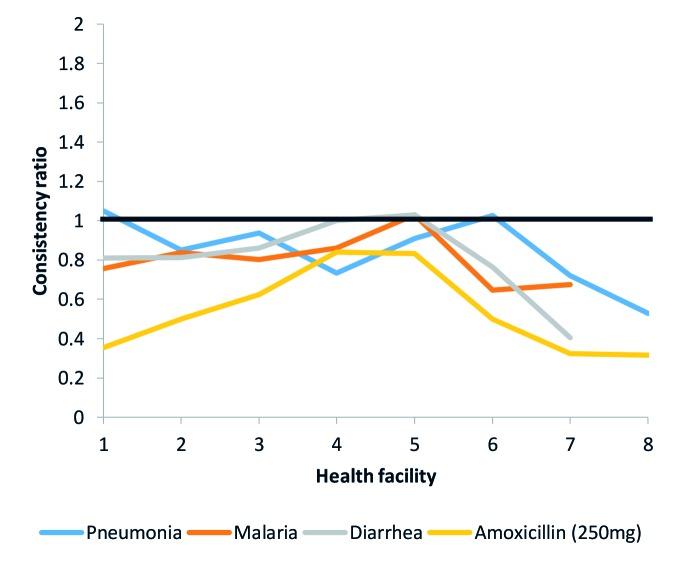
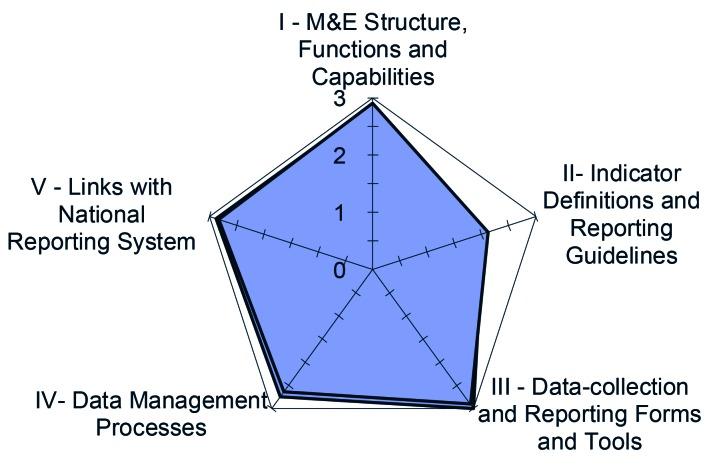
The DQA tools were customized for each RAcE project to assess the iCCM data reporting system, trace iCCM indicators through this system, and to ensure that DQAs were efficient and generated useful recommendations. This experience led to creation of an iCCM DQA Toolkit comprised of simplified versions of RAcE DQA tools and a guidance document. It includes system assessment questions that elicit actionable responses and a simplified data tracing tool focused on one treatment indicator for each iCCM focus illness: diarrhea, malaria, and pneumonia. The toolkit is intended for use at the national or sub-national level for periodic data quality checks.
CONCLUSIONS
The iCCM DQA Toolkit was designed to be easily tailored to different data reporting system structures because iCCM data reporting tools and data flow vary substantially. The toolkit enables countries to identify points in the reporting system where data quality is compromised and areas of the reporting system that require strengthening, so that countries can make informed adjustments that improve data quality, strengthen reporting systems, and inform decision-making.
背景
确保卫生服务数据的质量对于数据驱动的决策至关重要。数据质量评估(DQA)用于确定数据是否具有足够的质量来支持其预期用途。然而,针对社区为基础的干预措施(如综合社区病例管理(iCCM)计划)进行 DQA 的指导有限。作为世界卫生组织(WHO)快速获取扩展(RAcE)计划的一部分,ICF 进行了 DQA,以独特的方式描述社区卫生工作者生成数据的质量,并利用 DQA 结果来加强报告系统和决策。
方法
我们介绍了在刚果民主共和国、马拉维、莫桑比克、尼日尔和尼日利亚的六个 RAcE 项目地点实施使用标准化 DQA 工具进行评估的经验。我们描述了创建 RAcE DQA 工具的过程,适应工具以适应国家背景,并开发 iCCM DQA 工具包,使各国能够进行定期和快速的 DQA。我们提供了如何使用结果生成建议的示例。
结果
DQA 工具针对每个 RAcE 项目进行了定制,以评估 iCCM 数据报告系统,通过该系统跟踪 iCCM 指标,并确保 DQA 既高效又能产生有用的建议。这一经验导致创建了一个 iCCM DQA 工具包,其中包括简化版的 RAcE DQA 工具和一份指导文件。它包括系统评估问题,以引出可采取的措施,以及简化的数据跟踪工具,侧重于每个 iCCM 重点疾病的一个治疗指标:腹泻、疟疾和肺炎。该工具包旨在供国家或国家以下各级定期进行数据质量检查使用。
结论
iCCM DQA 工具包旨在轻松适应不同的数据报告系统结构,因为 iCCM 数据报告工具和数据流程差异很大。该工具包使各国能够确定报告系统中数据质量受到损害的点以及报告系统中需要加强的领域,以便各国能够做出明智的调整,提高数据质量,加强报告系统,并为决策提供信息。


 Zotero 插件