Physiologische Chemie, Biozentrum, University of Würzburg, Germany.
Comprehensive Cancer Center Mainfranken, University Clinic Würzburg, Germany.
Genome Biol Evol. 2019 Aug 1;11(8):2099-2106. doi: 10.1093/gbe/evz139.
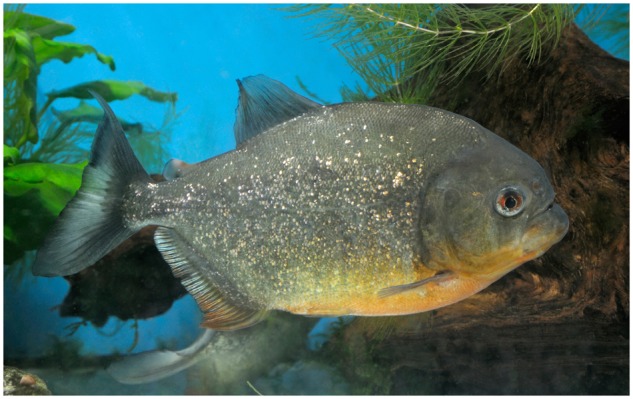
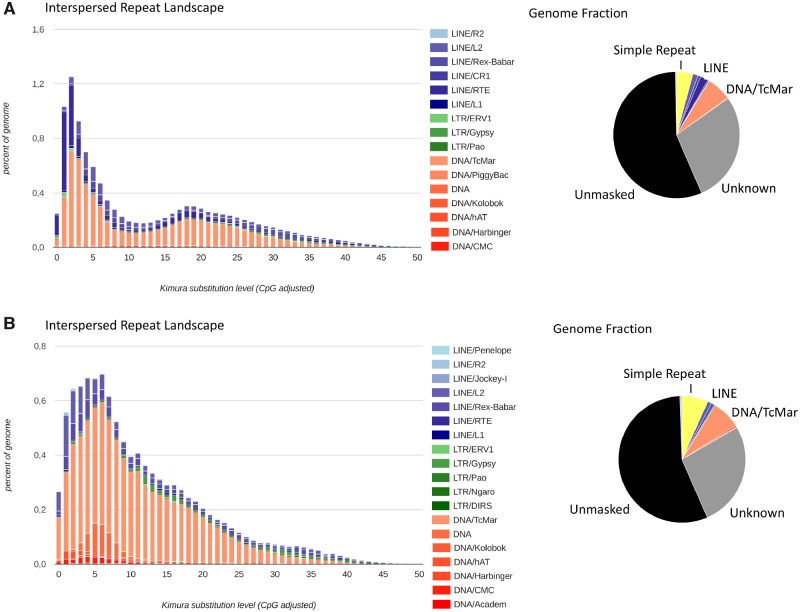
The piranha enjoys notoriety due to its infamous predatory behavior but much is still not understood about its evolutionary origins and the underlying molecular mechanisms for its unusual feeding biology. We sequenced and assembled the red-bellied piranha (Pygocentrus nattereri) genome to aid future phenotypic and genetic investigations. The assembled draft genome is similar to other related fishes in repeat composition and gene count. Our evaluation of genes under positive selection suggests candidates for adaptations of piranhas' feeding behavior in neural functions, behavior, and regulation of energy metabolism. In the fasted brain, we find genes differentially expressed that are involved in lipid metabolism and appetite regulation as well as genes that may control the aggression/boldness behavior of hungry piranhas. Our first analysis of the piranha genome offers new insight and resources for the study of piranha biology and for feeding motivation and starvation in other organisms.
由于食人鱼恶名昭著的掠夺行为,人们对其进化起源和不寻常摄食生物学的潜在分子机制仍知之甚少。我们对红腹食人鱼(Pygocentrus nattereri)的基因组进行了测序和组装,以帮助未来进行表型和遗传研究。组装的草图基因组在重复组成和基因数量上与其他相关鱼类相似。我们对正选择下的基因进行评估,为食人鱼摄食行为的神经功能、行为和能量代谢调节方面的适应性提供了候选基因。在禁食的大脑中,我们发现了涉及脂质代谢和食欲调节的差异表达基因,以及可能控制饥饿食人鱼攻击性/大胆行为的基因。我们对食人鱼基因组的首次分析为食人鱼生物学以及其他生物的摄食动机和饥饿研究提供了新的见解和资源。