Stafford Nathaniel P, Kazan Theodore N, Donovan Colleen M, Hart Erin E, Drugan Robert C, Charntikov Sergios
Department of Psychology, University of New Hampshire, Durham, NH, United States.
Front Behav Neurosci. 2019 Jun 25;13:134. doi: 10.3389/fnbeh.2019.00134. eCollection 2019.
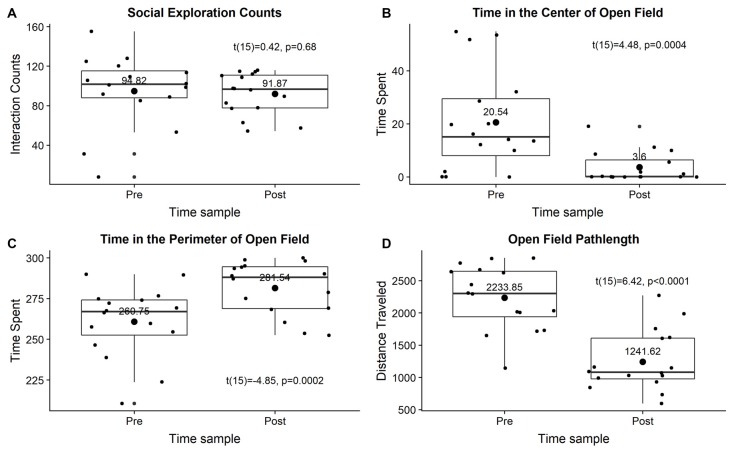
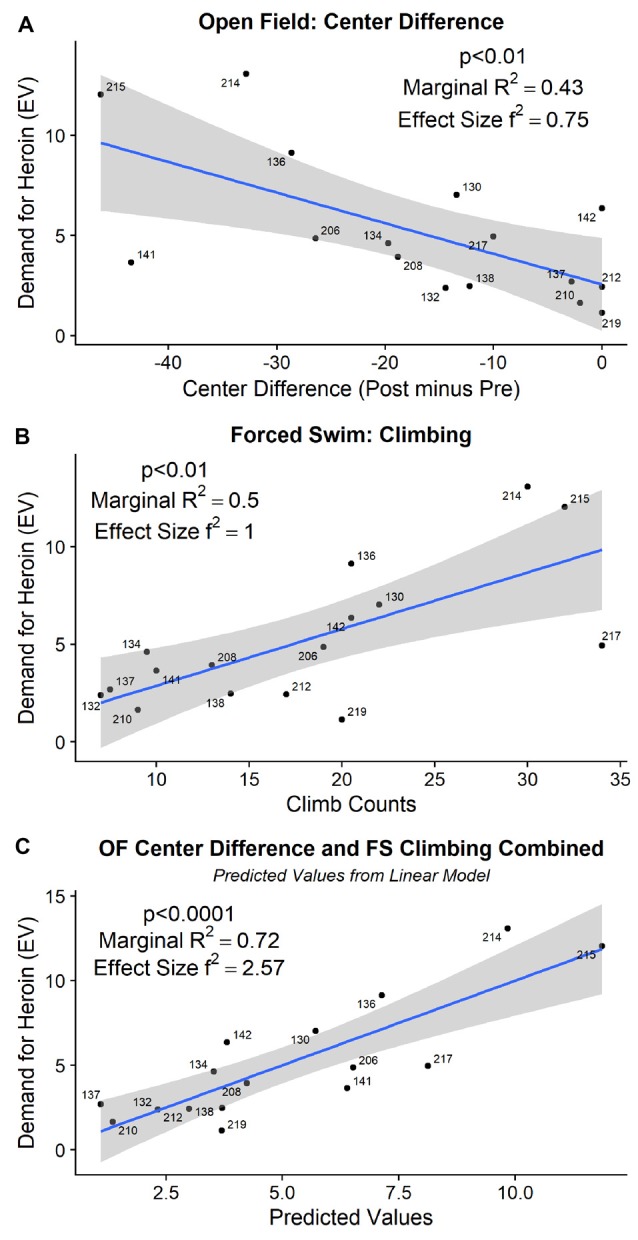
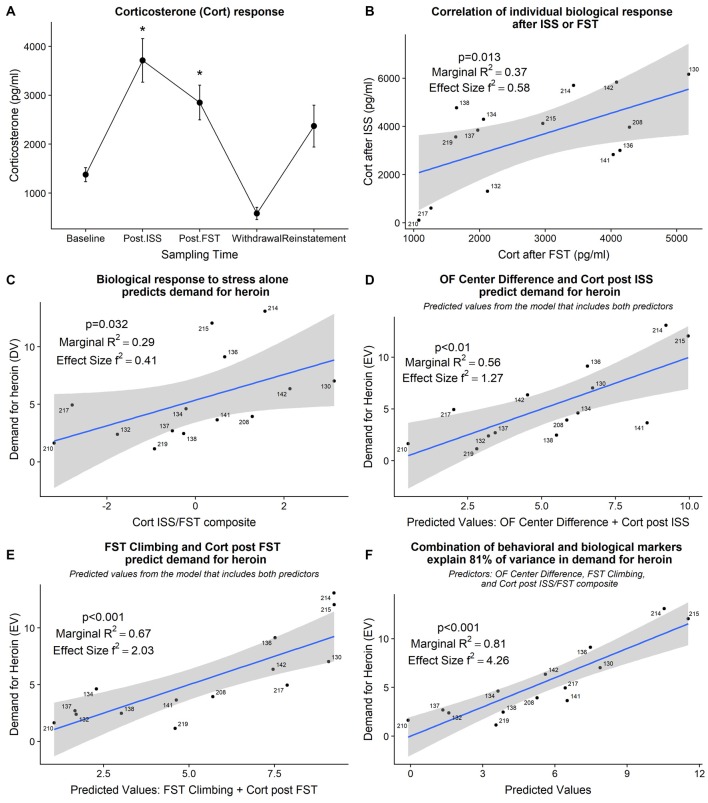
Opioid use is a widespread epidemic, and traumatic stress exposure is a critical risk factor in opioid use and relapse. There is a significant gap in our understanding of how stress contributes to heroin use, and there are limited studies investigating individual differences underlying stress reactivity and subsequent stress-induced heroin self-administration. We hypothesized that greater individual vulnerability to stress would predict higher demand for heroin self-administration in a within-subjects rodent model of stress and heroin use comorbidity. Male rats were exposed to inescapable intermittent swim stress (ISS) and individual biological (corticosterone) or behavioral [open field, social exploration, and forced swim tests (FSTs)] measures were assessed before and after the stress episode. Individual demand for self-administered heroin (0.05 mg/kg/infusion; 12-h sessions) was assessed using a behavioral economics approach followed by extinction and reinstatement tests triggered by stress re-exposure, non-contingent cue presentations, and yohimbine (0, 1.0, or 2.5 mg/kg). We found that behavioral, biological, and a combination of behavioral and biological markers sampled prior to and after the stress episode that occurred weeks before the access to heroin self-administration predicted the magnitude of individual demand for heroin. Non-contingent presentation of cues, that were previously associated with heroin, reinstated heroin seeking in extinction. For the first time, we show that individual biological response to an ecologically relevant stressor in combination with associated behavioral markers can be used to predict subsequent economic demand for heroin.
阿片类药物的使用是一种广泛流行的现象,而创伤性应激暴露是阿片类药物使用及复发的一个关键风险因素。在我们对压力如何导致海洛因使用的理解上存在显著差距,并且研究压力反应性及随后压力诱导的海洛因自我给药背后个体差异的研究有限。我们假设,在压力与海洛因使用共病的啮齿动物体内模型中,个体对压力的易感性越高,预测的海洛因自我给药需求就越高。雄性大鼠暴露于不可逃避的间歇性游泳应激(ISS)中,并在应激事件前后评估个体生物学指标(皮质酮)或行为学指标[旷场试验、社交探索试验和强迫游泳试验(FST)]。使用行为经济学方法评估个体对自我给药海洛因(0.05毫克/千克/输注;12小时疗程)的需求,随后进行由再次暴露于应激、非条件性线索呈现和育亨宾(0、1.0或2.5毫克/千克)引发的消退和恢复试验。我们发现,在获得海洛因自我给药前数周发生的应激事件前后采集的行为学、生物学以及行为学与生物学相结合的标志物,可预测个体对海洛因的需求程度。与海洛因相关的线索的非条件性呈现,使消退中的觅药行为恢复。我们首次表明,个体对生态相关应激源的生物学反应与相关行为标志物相结合,可用于预测随后对海洛因的经济需求。