Notari Lorella, Kirton Roxane, Mills Daniel S
Royal Society for the Prevention of Cruelty to Animals (RSPCA), Horsham RH13 9RS, UK.
School of Life Sciences, University of Lincoln, Lincoln LN6 7TS, UK.
Animals (Basel). 2022 Feb 26;12(5):592. doi: 10.3390/ani12050592.
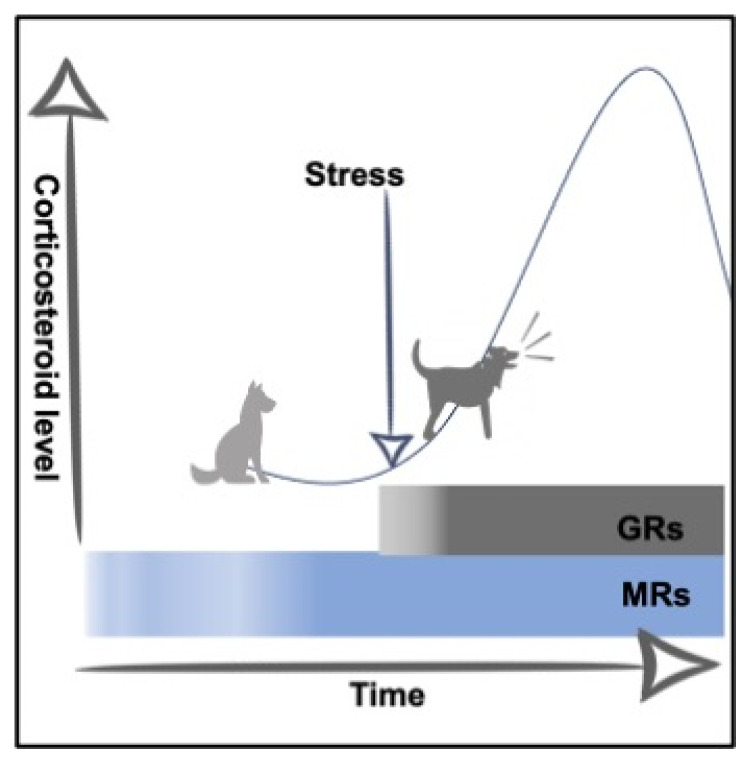
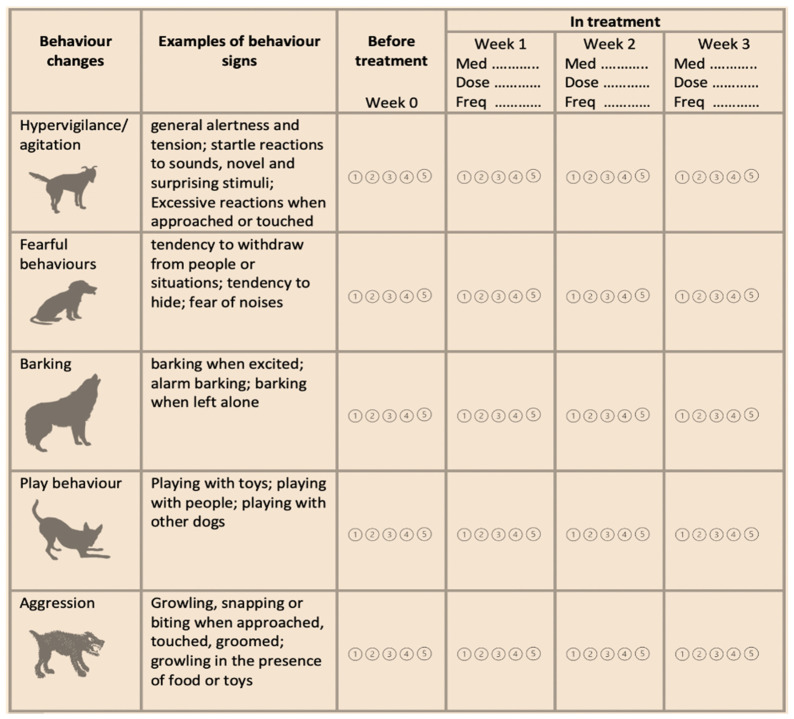
Arousal and distress are often important factors in problematic behaviours, and endogenous corticosteroids are important mediators in the associated stress responses. Exogenous corticosteroid treatments have been reported to change behaviour in human patients and laboratory animals, with similar changes also noted in pet dogs. These behaviours not only potentially adversely impact the welfare of the dogs, but also the quality of life of their owners. Indeed, corticosteroids can bias sensitivity towards aversion in dogs. A decrease in behaviours associated with positive affective states, such as play and exploratory behaviours, together with an increase in aggression and barking have also been described in dogs. According to the available literature, human patients with pre-existing psychiatric disorders are more at risk of developing behavioural side effects due to corticosteroid treatments. It is reasonable to consider that the same may happen in dogs with pre-existing behavioural problems. In this paper, the possible behavioural side effects of exogenous corticosteroids are summarised to help inform and support veterinarians prescribing these drugs.
觉醒和痛苦往往是问题行为的重要因素,内源性皮质类固醇是相关应激反应的重要介质。据报道,外源性皮质类固醇治疗会改变人类患者和实验动物的行为,宠物狗也有类似变化。这些行为不仅可能对狗的福利产生潜在不利影响,还会影响其主人的生活质量。事实上,皮质类固醇会使狗对厌恶的敏感度产生偏差。狗身上还出现了与积极情感状态相关的行为减少,如玩耍和探索行为,同时攻击和吠叫行为增加。根据现有文献,已有精神疾病的人类患者因皮质类固醇治疗出现行为副作用的风险更高。有理由认为,已有行为问题的狗也可能出现同样情况。本文总结了外源性皮质类固醇可能产生的行为副作用,以帮助指导和支持开具这些药物的兽医。