Lawrence D. Longo, MD Center for Perinatal Biology, Department of Basic Sciences, Loma Linda University School of Medicine, Loma Linda, CA, 92350, USA.
Cell Mol Immunol. 2020 Sep;17(9):976-991. doi: 10.1038/s41423-019-0257-6. Epub 2019 Jul 12.
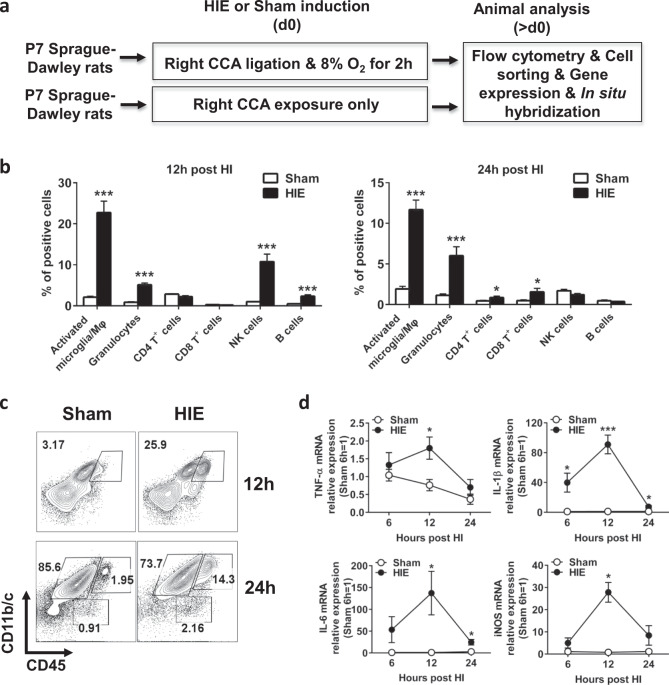
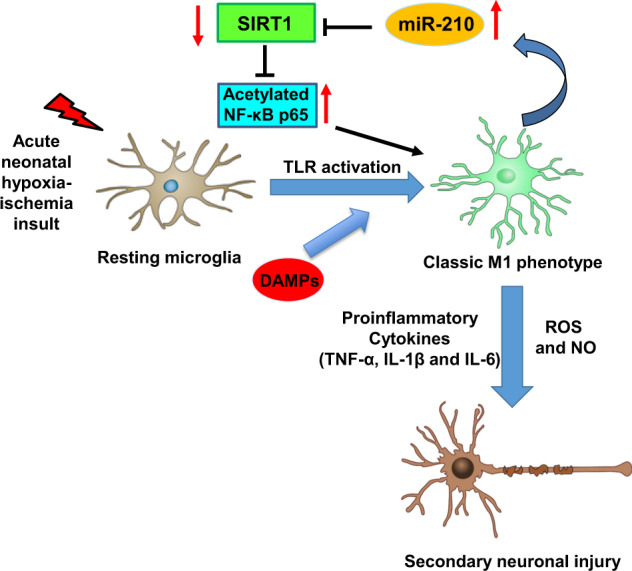
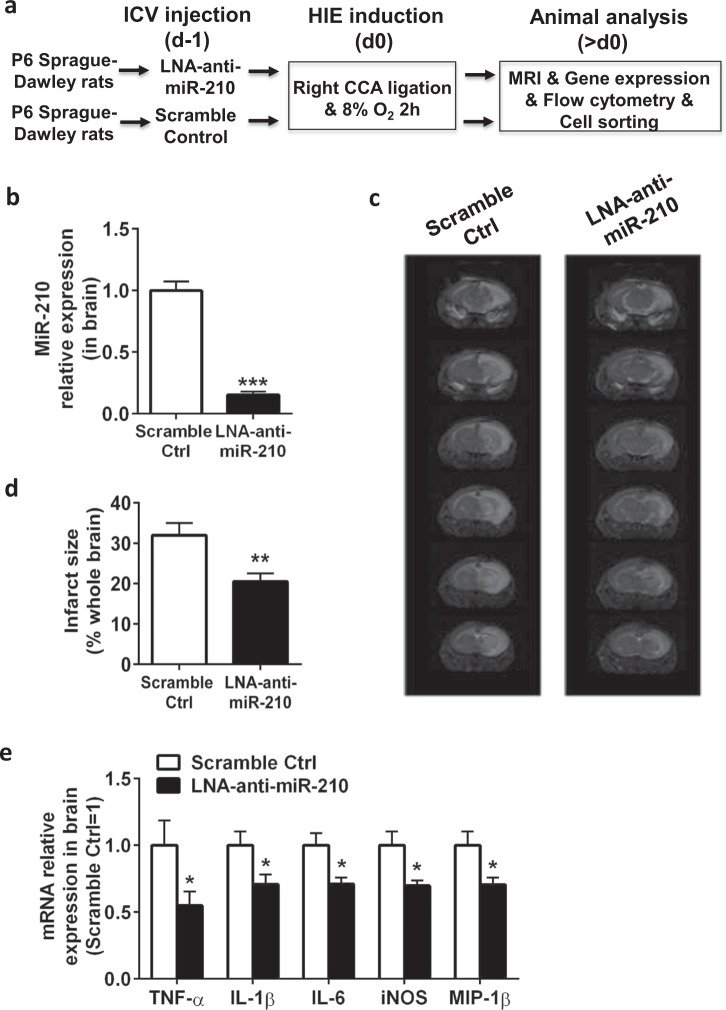
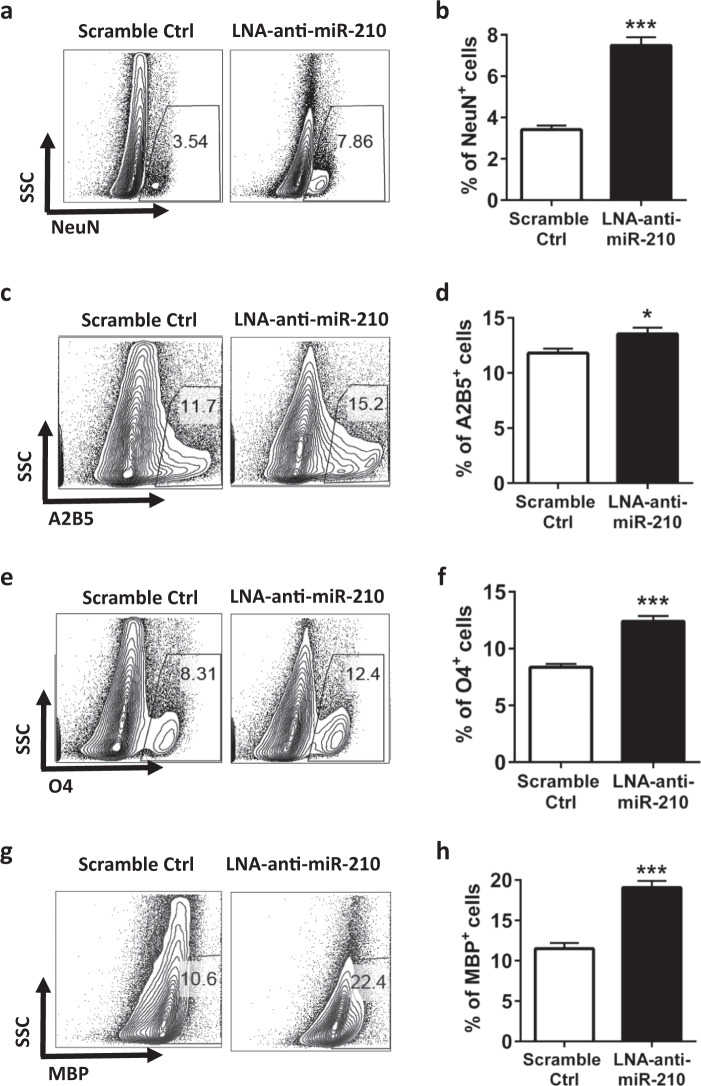
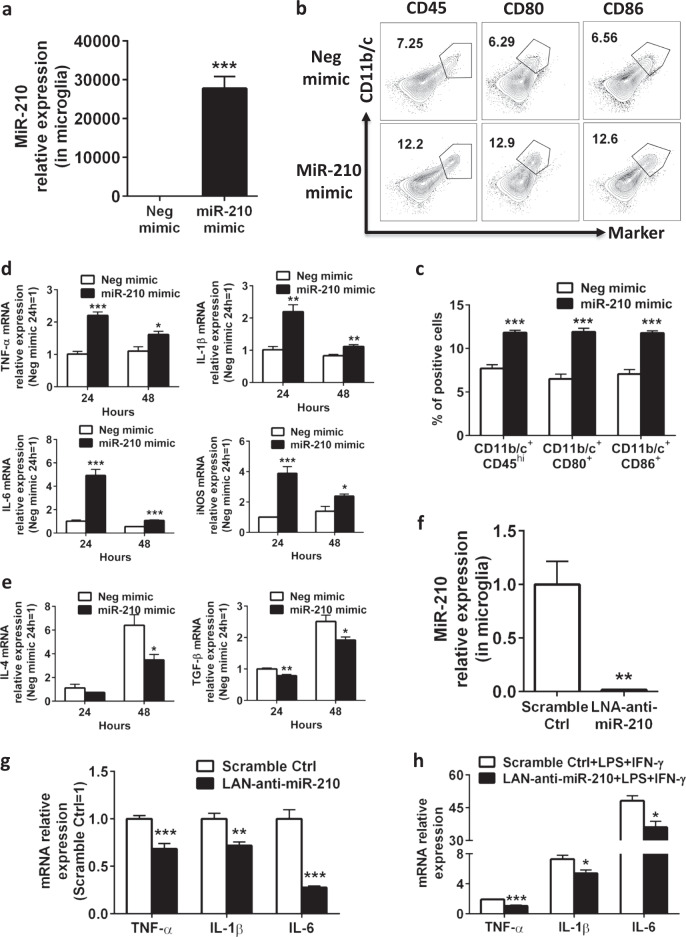
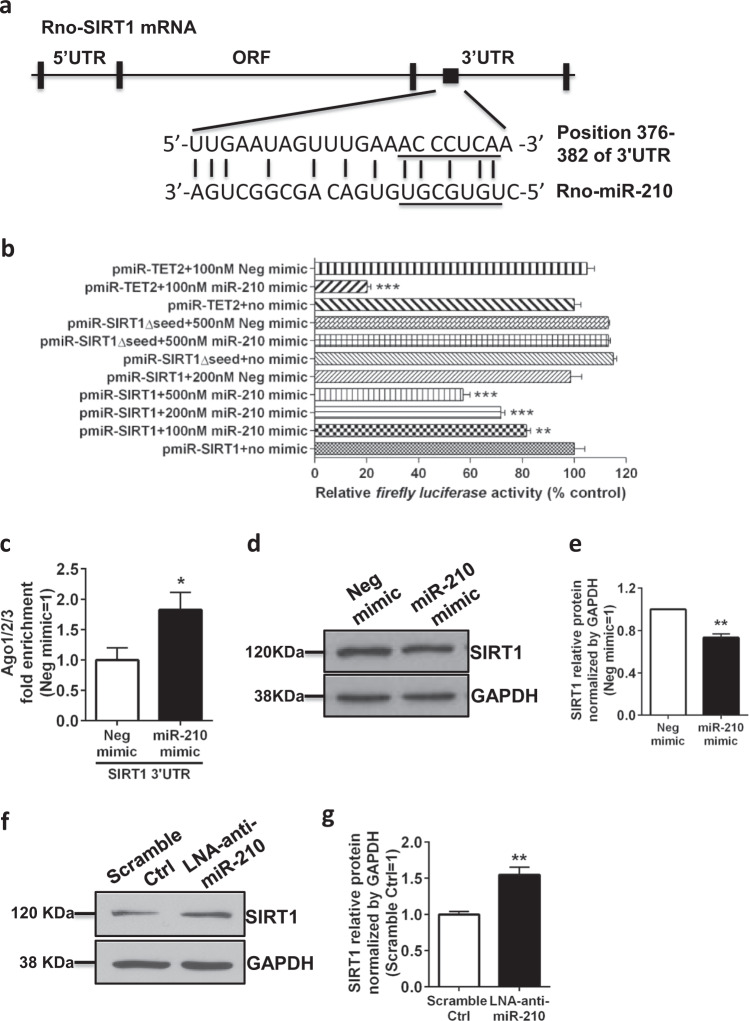
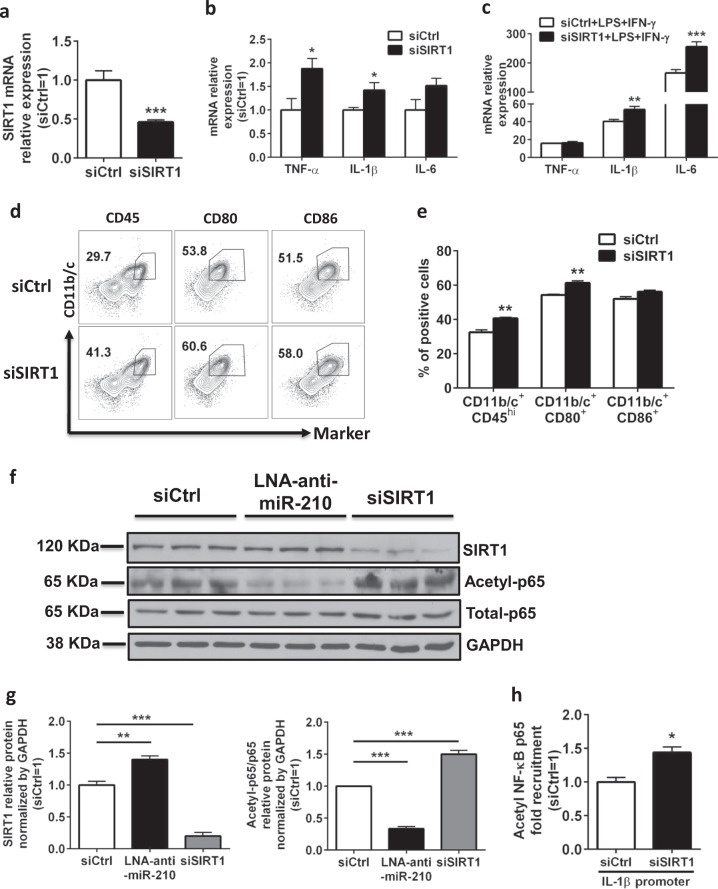
Neuroinflammation is a major contributor to secondary neuronal injury that accounts for a significant proportion of final brain cell loss in neonatal hypoxic-ischemic encephalopathy (HIE). However, the immunological mechanisms that underlie HIE remain unclear. MicroRNA-210 (miR-210) is the master "hypoxamir" and plays a key role in hypoxic-ischemic tissue damage. Herein, we report in an animal model of neonatal rats that HIE significantly upregulated miR-210 expression in microglia in the neonatal brain and strongly induced activated microglia. Intracerebroventricular administration of miR-210 antagomir effectively suppressed microglia-mediated neuroinflammation and significantly reduced brain injury caused by HIE. We demonstrated that miR-210 induced microglial M1 activation partly by targeting SIRT1, thereby reducing the deacetylation of the NF-κB subunit p65 and increasing NF-κB signaling activity. Thus, our study identified miR-210 as a novel regulator of microglial activation in neonatal HIE, highlighting a potential therapeutic target in the treatment of infants with hypoxic-ischemic brain injury.
神经炎症是导致继发性神经元损伤的主要因素,占新生儿缺氧缺血性脑病(HIE)中最终脑细胞丢失的很大一部分。然而,HIE 所涉及的免疫学机制仍不清楚。microRNA-210(miR-210)是主要的“缺氧微RNA”,在缺氧缺血性组织损伤中发挥关键作用。在此,我们在新生大鼠的动物模型中报告称,HIE 显著上调了新生大脑中小胶质细胞中的 miR-210 表达,并强烈诱导了激活的小胶质细胞。脑室内给予 miR-210 拮抗剂可有效抑制小胶质细胞介导的神经炎症,并显著减轻 HIE 引起的脑损伤。我们证明,miR-210 通过靶向 SIRT1 诱导小胶质细胞 M1 活化,从而减少 NF-κB 亚基 p65 的去乙酰化作用,并增加 NF-κB 信号活性。因此,我们的研究确定了 miR-210 是新生儿 HIE 中小胶质细胞活化的新型调节因子,为治疗缺氧缺血性脑损伤的婴儿提供了一个潜在的治疗靶点。