Division of Molecular Oncology, Department of Translational Research, Centro di Riferimento Oncologico di Aviano (CRO) IRCCS, Italy.
Division of Molecular Oncology, Department of Translational Research, Centro di Riferimento Oncologico di Aviano (CRO) IRCCS, Italy; Department of Life and Reproduction Sciences, University of Verona, Verona, Italy.
EBioMedicine. 2019 Aug;46:79-93. doi: 10.1016/j.ebiom.2019.06.044. Epub 2019 Jul 11.
Metastatic colorectal cancer (CRC) remains a deadly disease. Identifying locally advanced CRC patients with high risk of developing metastasis and improving outcome of metastatic CRC patients require discovering master regulators of metastasis. In this context, the non-coding part of the human genome is still largely unexplored.
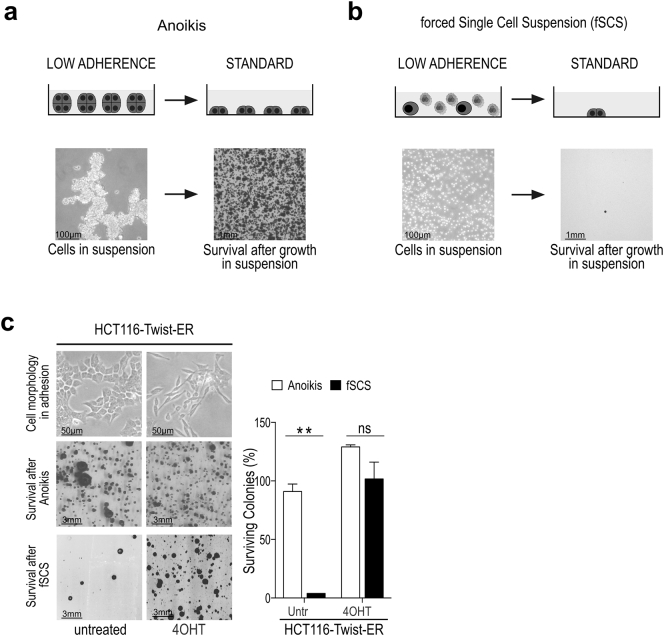
To interrogate the non-coding part of the human genome and disclose regulators of CRC metastasis, we combined a transposon-based forward genetic screen with a novel in vitro assay, which forces cells to grow deprived of cell-substrate and cell-cell contacts (i.e. forced single cell suspension assay - fSCS).
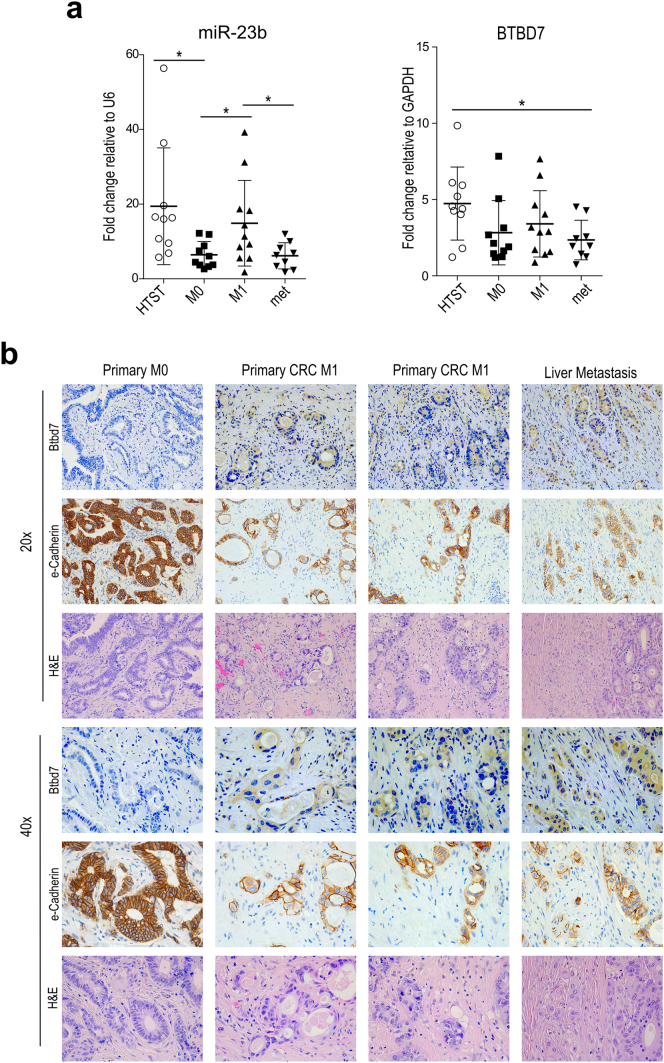
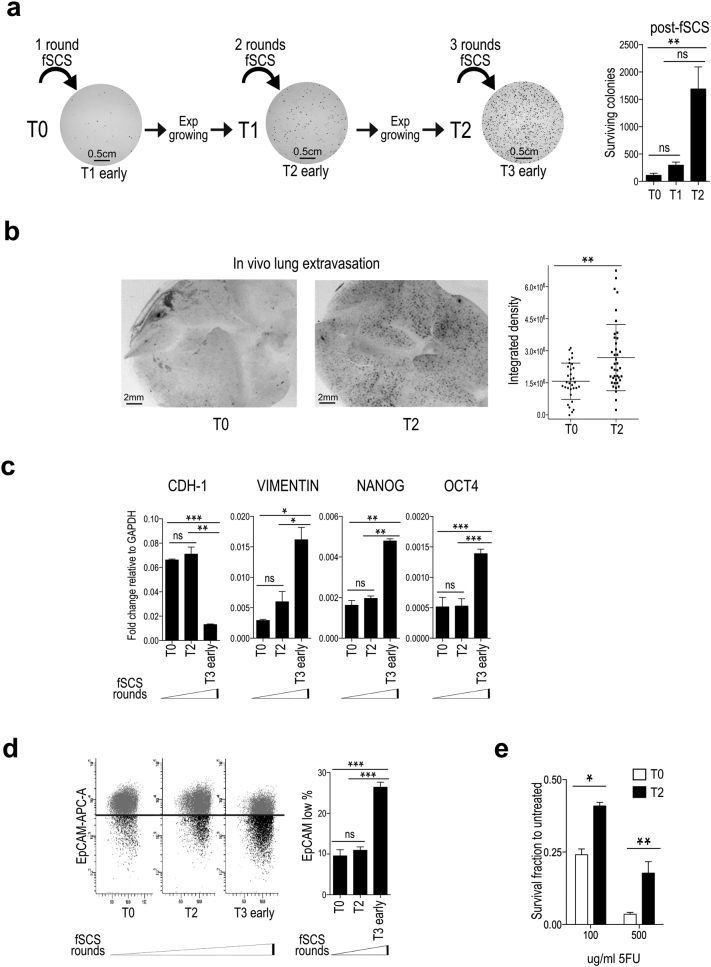
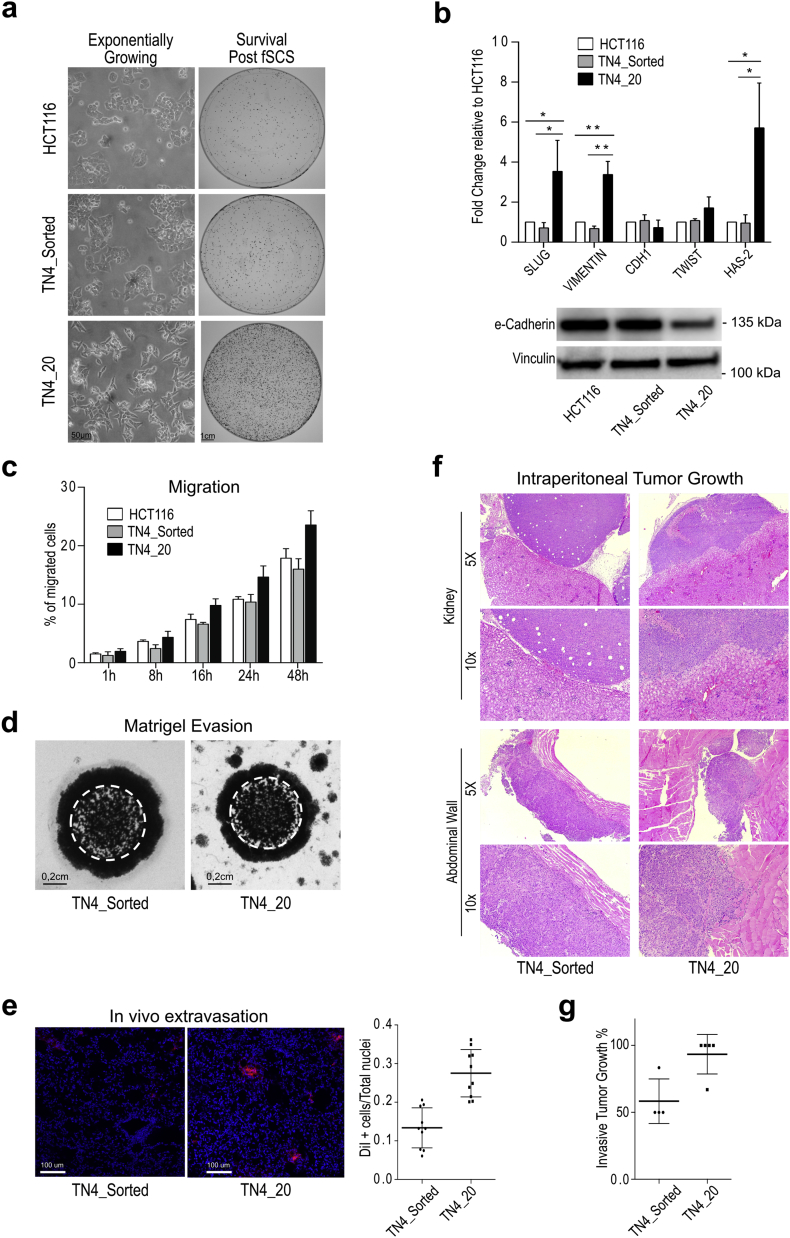
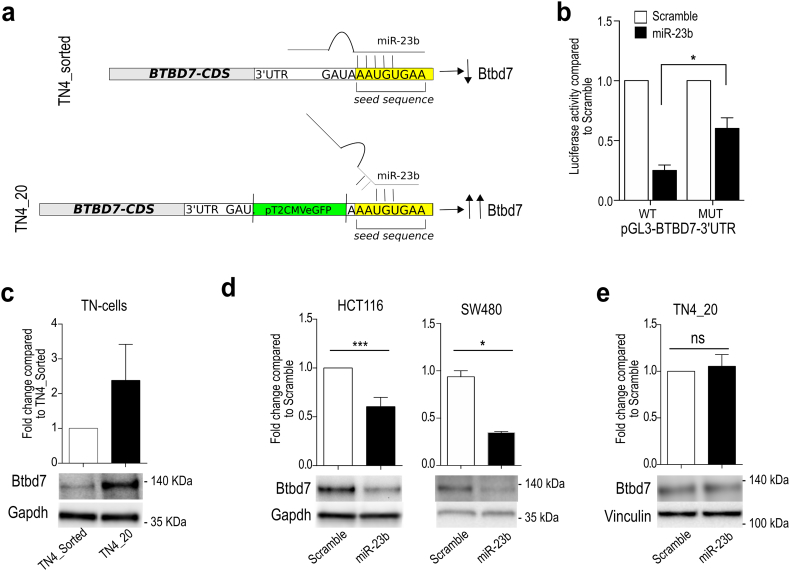
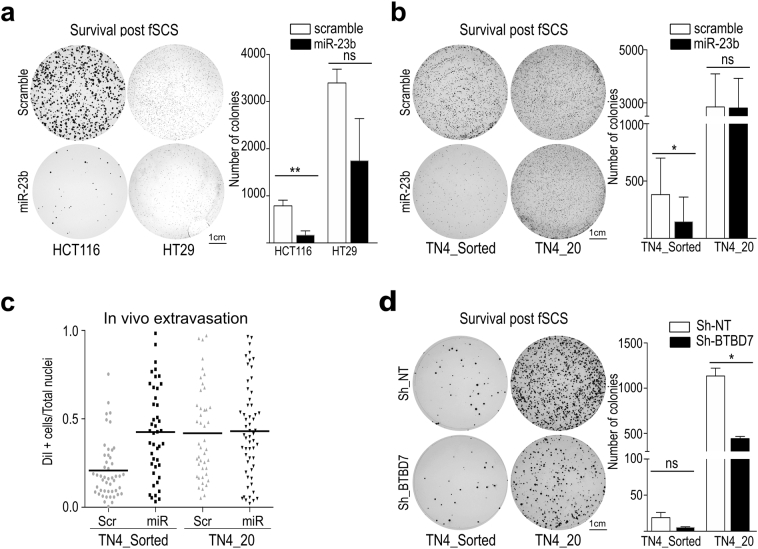
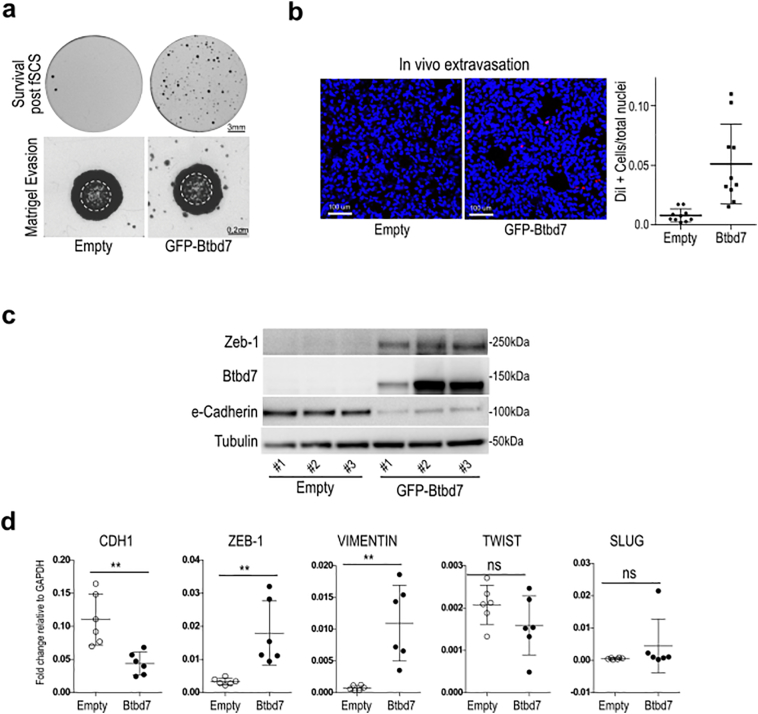
We proved that fSCS selects CRC cells with mesenchymal and pro-metastatic traits. Moreover, we found that the transposon insertions conferred CRC cells resistance to fSCS and thus metastatic advantage. Among the retrieved transposon insertions, we demonstrated that the one located in the 3'UTR of BTBD7 disrupts miR-23b::BTBD7 interaction and contributes to pro-metastatic traits. In addition, miR-23b and BTBD7 correlate with CRC metastasis both in preclinical experiments and in clinical samples.
fSCS is a simple and scalable in vitro assay to investigate pro-metastatic traits and transposon-based genetic screens can interrogate the non-coding part of the human genome (e.g. miRNA::target interactions). Finally, both Btbd7 and miR-23b represent promising prognostic biomarkers and therapeutic targets in CRC. FUND: This work was supported by Marie Curie Actions (CIG n. 303877) and Friuli Venezia Giulia region (Grant Agreement n°245574), Italian Association for Cancer Research (AIRC, MFAG n°13589), Italian Ministry of Health (GR-2010-2319387 and PE-2016-02361040) and 5x1000 to CRO Aviano.
转移性结直肠癌(CRC)仍然是一种致命的疾病。确定局部晚期 CRC 患者发生转移的高风险,并改善转移性 CRC 患者的预后,需要发现转移的主要调控因子。在这种情况下,人类基因组的非编码部分仍在很大程度上未被探索。
为了研究人类基因组的非编码部分并揭示 CRC 转移的调控因子,我们将基于转座子的正向遗传筛选与一种新的体外测定法相结合,该方法迫使细胞在缺乏细胞-基质和细胞-细胞接触的情况下生长(即强制单细胞悬浮测定法-fSCS)。
我们证明了 fSCS 选择具有间质和促转移特性的 CRC 细胞。此外,我们发现转座子插入赋予了 CRC 细胞对 fSCS 的抗性,从而获得了转移优势。在所检索到的转座子插入中,我们证明了位于 BTBD7 的 3'UTR 中的插入破坏了 miR-23b::BTBD7 相互作用,并促进了促转移特性。此外,miR-23b 和 BTBD7 在临床前实验和临床样本中均与 CRC 转移相关。
fSCS 是一种简单且可扩展的体外测定法,可用于研究促转移特性,基于转座子的遗传筛选可以研究人类基因组的非编码部分(例如 miRNA::target 相互作用)。最后,BTBD7 和 miR-23b 均代表 CRC 中有前途的预后生物标志物和治疗靶标。
这项工作得到了居里行动(CIG n. 303877)和弗留利-威尼斯朱利亚地区(Grant Agreement n°245574)、意大利癌症研究协会(AIRC,MFAG n°13589)、意大利卫生部(GR-2010-2319387 和 PE-2016-02361040)和 5x1000 对 CRO 阿维亚诺的资助。