Michishita Masaki, Saito Namika, Nozawa Satoshi, Furumoto Rina, Nakagawa Takayuki, Sato Touko, Ochiai Kazuhiko, Azakami Daigo, Katayama Kinya, Nakahira Rei, Tazaki Hiroyuki, Machida Yukino, Ishiwata Toshiyuki
Department of Veterinary Pathology, School of Veterinary Medicine, Nippon Veterinary and Life Science University, 1-7-1 Kyonan-cho, Musashino, Tokyo 180-8602, Japan.
Department of Biomolecular Chemistry, School of Veterinary Medicine, Nippon Veterinary and Life Science University, 1-7-1 Kyonan-cho, Musashino, Tokyo 180-8602, Japan.
J Vet Med Sci. 2019 Sep 3;81(9):1238-1248. doi: 10.1292/jvms.19-0194. Epub 2019 Jul 15.
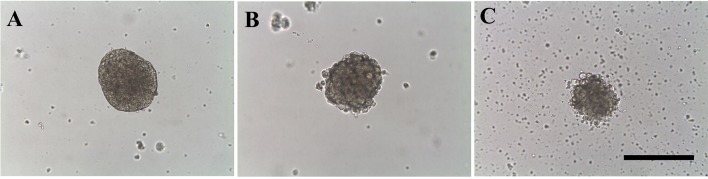
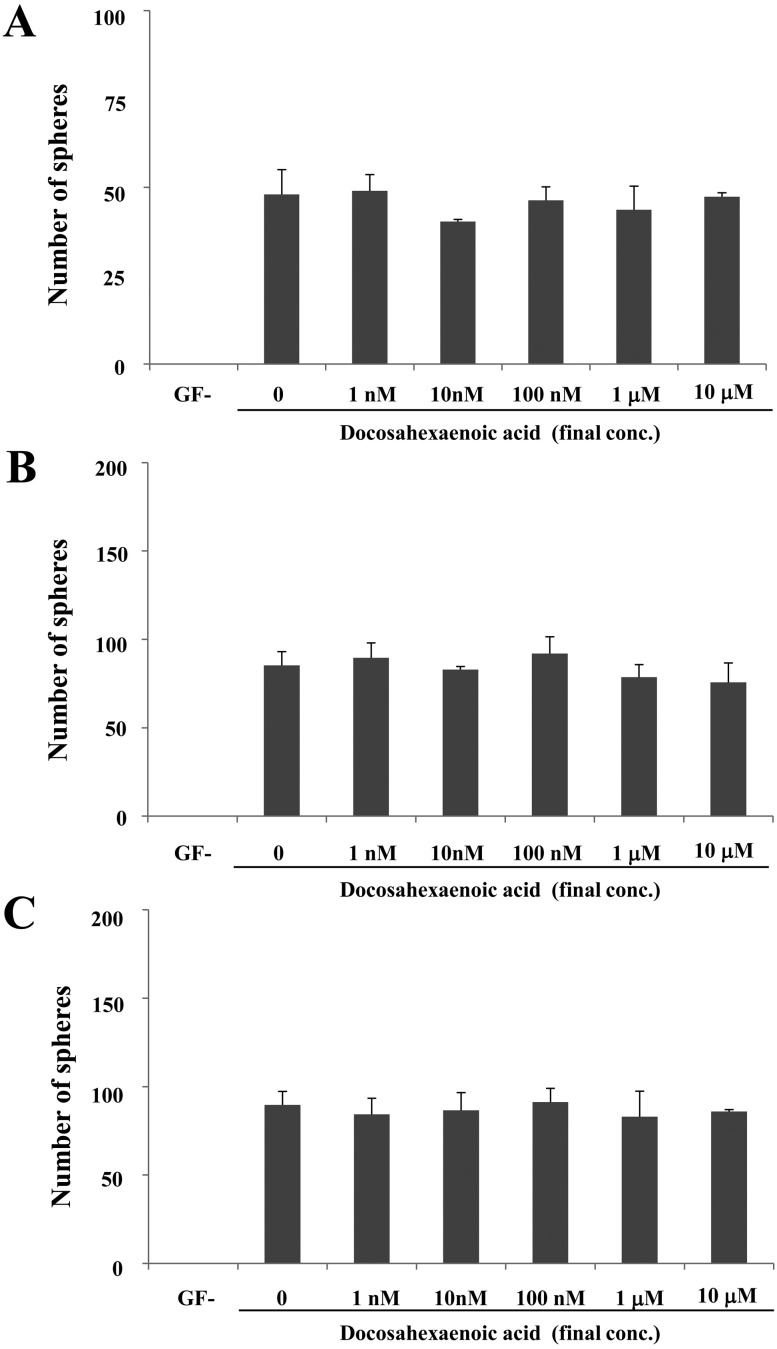
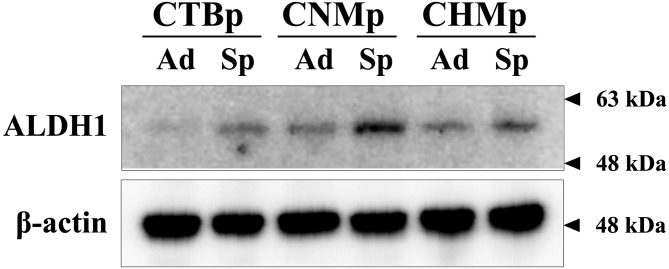
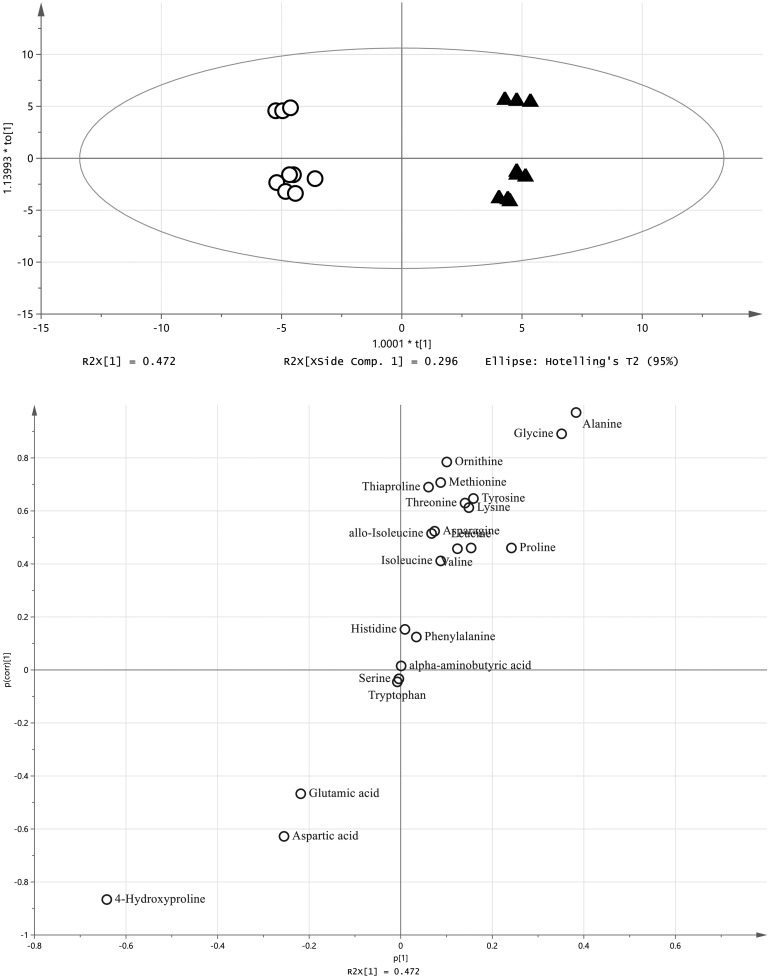
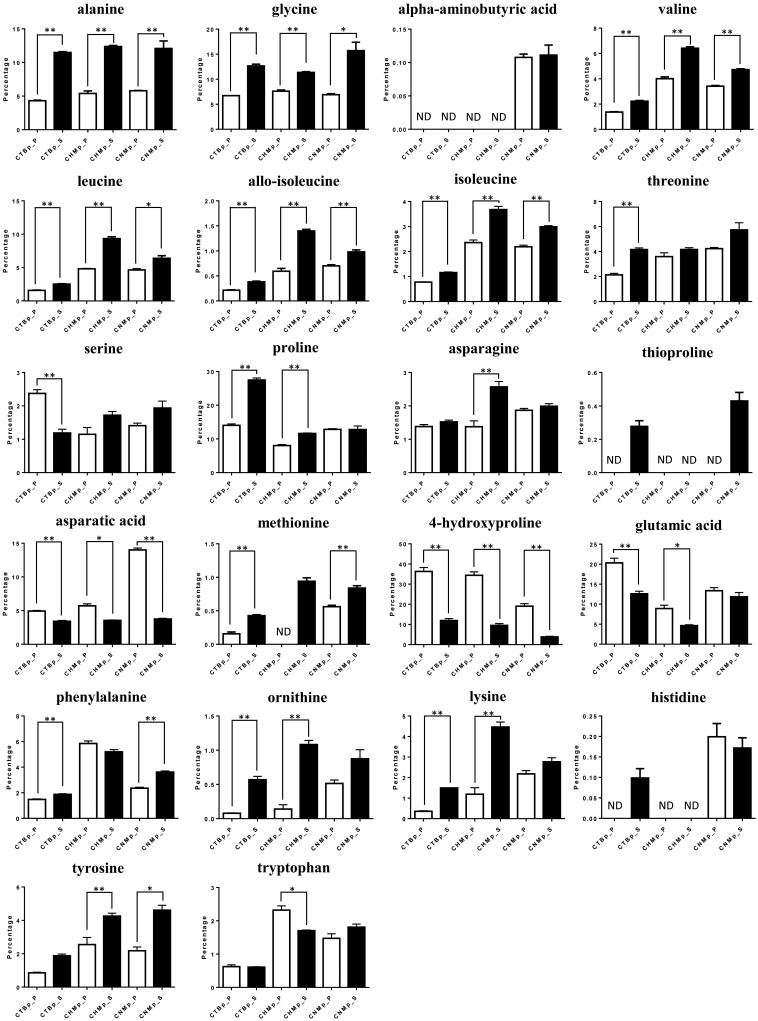
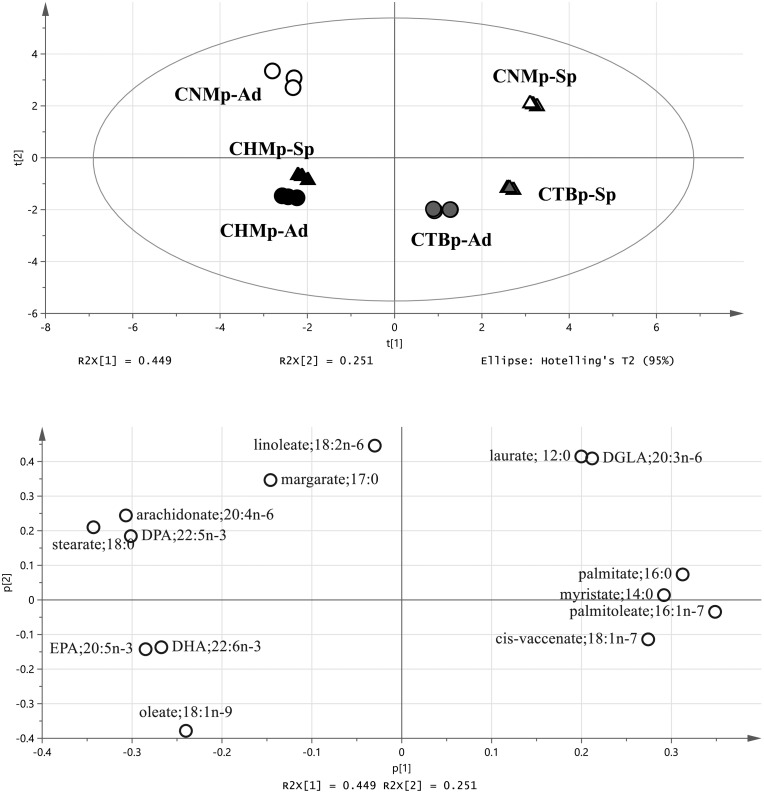
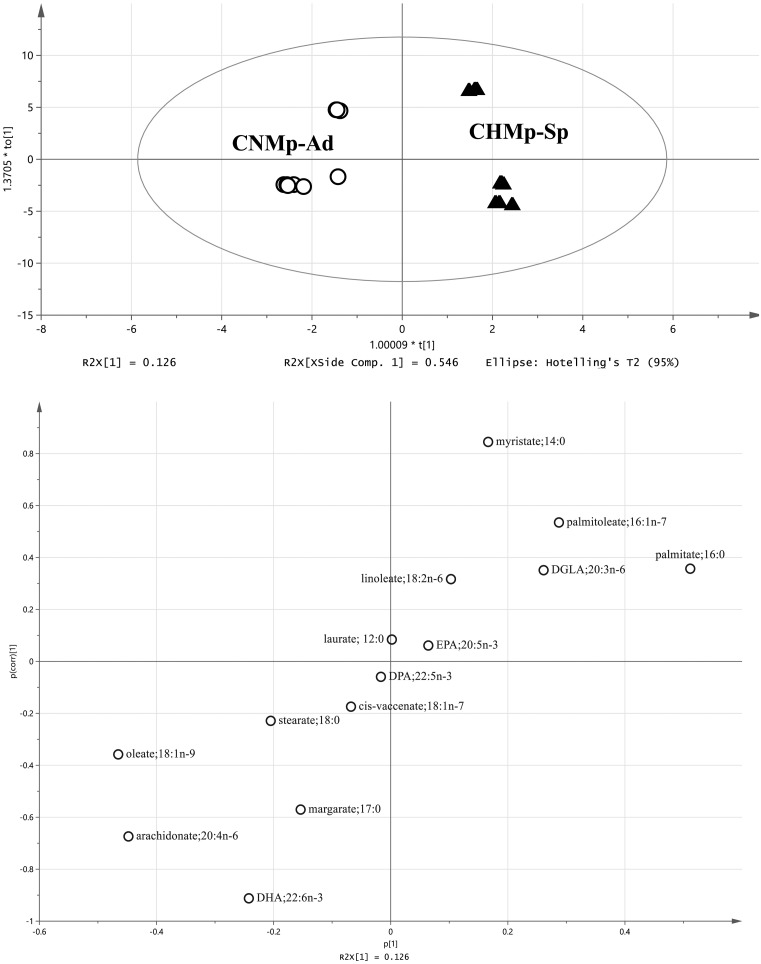
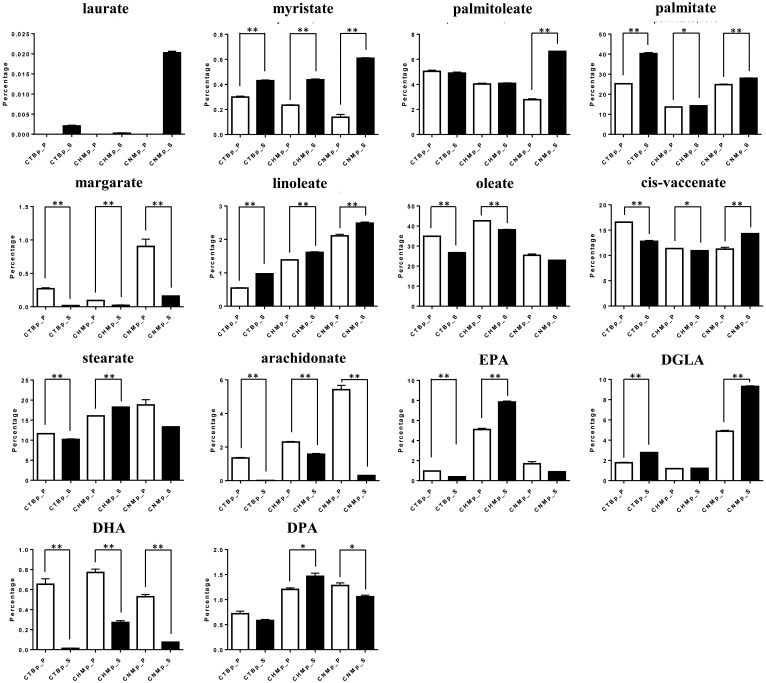
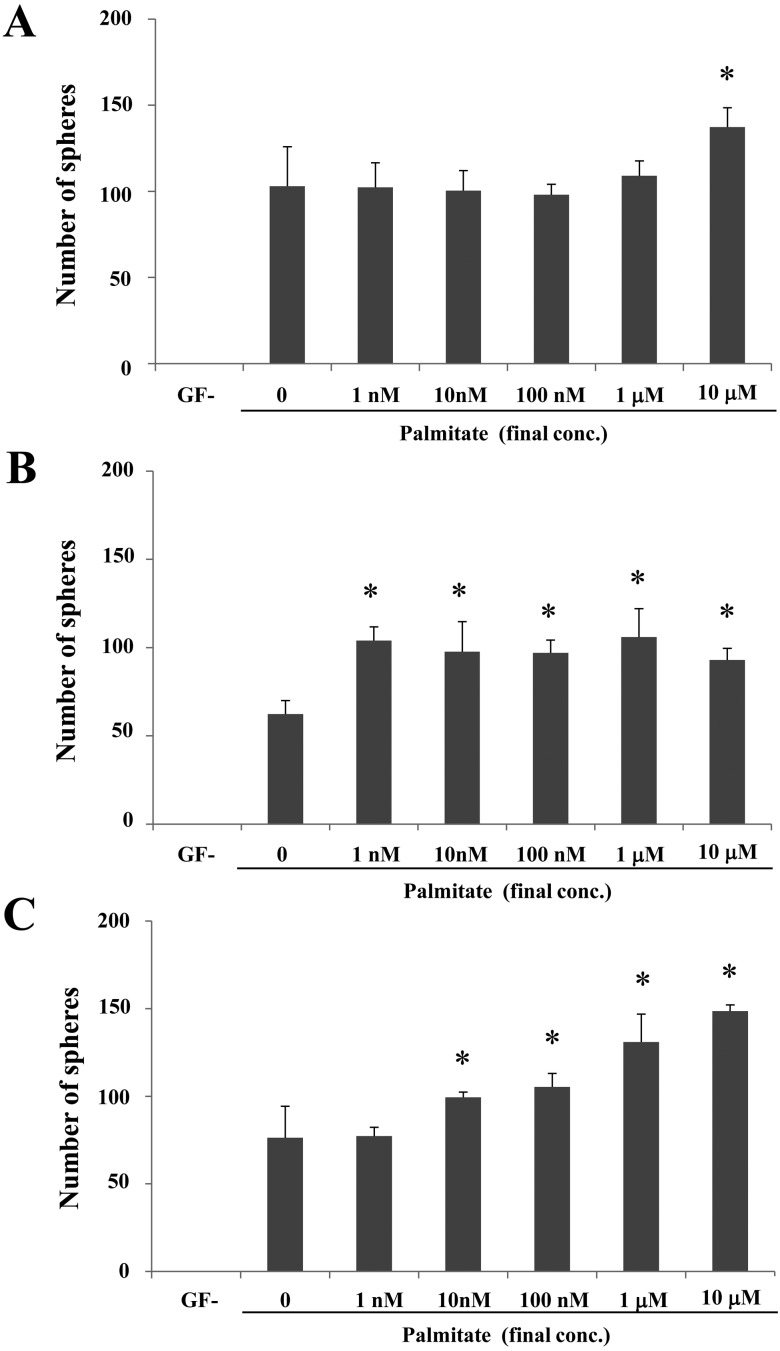
Cancer consists of heterogeneous cells that contain a small population of cells that possess stem cell properties; these cells, referred to as cancer stem cells (CSCs) or tumor-initiating cells, are involved in tumor progression and metastasis. Using a sphere-forming assay, canine mammary CSCs were found to be similar to human breast CSCs. Metabolic reprogramming has been recognized as a hallmark of various cancers. However, the significance of cellular metabolism in CSCs remains unclear. The aim of this study was to define the metabolic characteristics of CSCs derived from canine mammary tumors and gain an understanding of the maintenance of stemness. We identified metabolite profiles of canine mammary adenocarcinoma cell lines using gas chromatography-mass spectrometry. Metabolites were extracted from both adherent and sphere-forming cells derived from three cell lines. Sphere-forming cells were separated from adherent cells using an orthogonal, partial least-squares discriminant analysis. Sphere-forming cells were found to contain high levels of the amino acids alanine, glycine and proline compared with adherent cells. They also had high levels of palmitoleate, palmitate and dihomo-gamma-linolenic acid compared with adherent cells. In a sphere-forming assay, palmitate increased the number of spheres for all cell lines. These results indicate that the sphere-forming cells derived from canine mammary adenocarcinoma cell lines have specific metabolic profiles that may be useful for the development of CSC-specific therapies targeting metabolic pathways and potential stemness biomarkers; these results also clarify the maintenance of stemness in canine mammary CSCs.
癌症由异质性细胞组成,其中包含一小部分具有干细胞特性的细胞;这些细胞被称为癌症干细胞(CSCs)或肿瘤起始细胞,参与肿瘤进展和转移。通过球体形成试验发现,犬乳腺CSCs与人类乳腺CSCs相似。代谢重编程已被认为是各种癌症的一个标志。然而,细胞代谢在CSCs中的意义仍不清楚。本研究的目的是确定源自犬乳腺肿瘤的CSCs的代谢特征,并了解干性的维持机制。我们使用气相色谱 - 质谱法鉴定了犬乳腺腺癌细胞系的代谢物谱。从三个细胞系的贴壁细胞和球体形成细胞中提取代谢物。使用正交偏最小二乘法判别分析将球体形成细胞与贴壁细胞分离。与贴壁细胞相比,发现球体形成细胞含有高水平的氨基酸丙氨酸、甘氨酸和脯氨酸。与贴壁细胞相比,它们还含有高水平的棕榈油酸酯、棕榈酸和二高 - γ - 亚麻酸。在球体形成试验中,棕榈酸增加了所有细胞系的球体数量。这些结果表明,源自犬乳腺腺癌细胞系的球体形成细胞具有特定的代谢谱,这可能有助于开发针对代谢途径和潜在干性生物标志物的CSC特异性疗法;这些结果还阐明了犬乳腺CSCs中干性的维持机制。