Ding Zhe, Ma Mingbiao, Tao Lvyan, Peng Yun, Han Yuanyuan, Sun Luyun, Dai Xiting, Ji Zhenhua, Bai Ruolan, Jian Miaomiao, Chen Taigui, Luo Lisha, Wang Feng, Bi Yunfeng, Liu Aihua, Bao Fukai
Yunnan Province Key Laboratory for Tropical Infectious Diseases in Universities, Kunming Medical University, Kunming, China.
Department of Microbiology and Immunology, Kunming Medical University, Kunming, China.
Front Neurosci. 2019 Jun 28;13:651. doi: 10.3389/fnins.2019.00651. eCollection 2019.
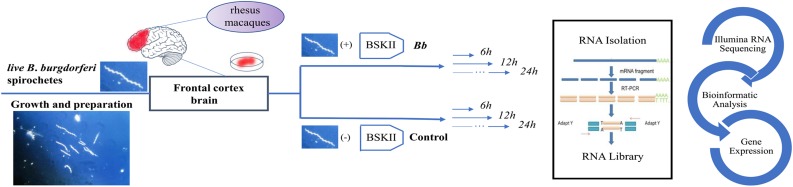
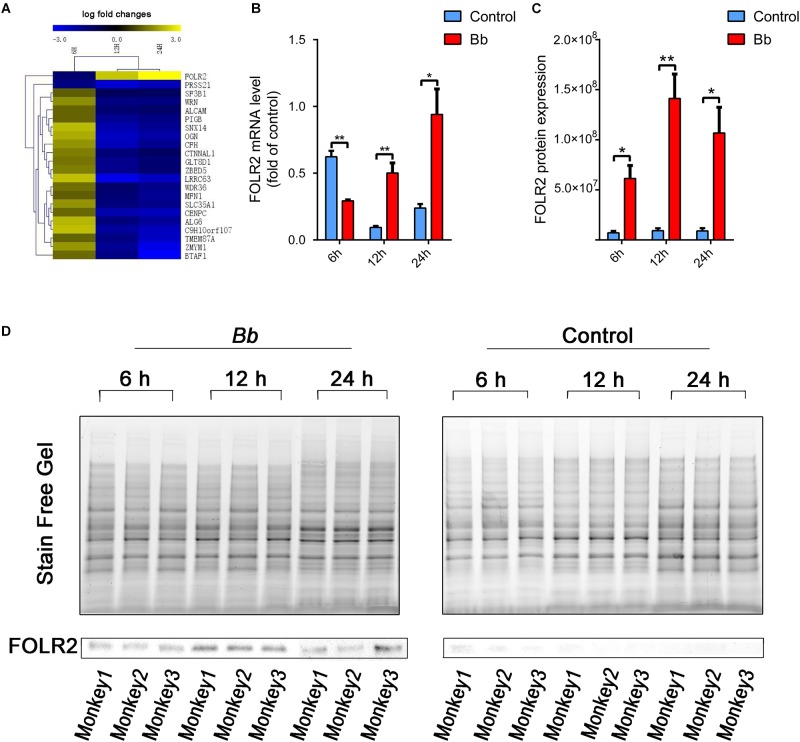
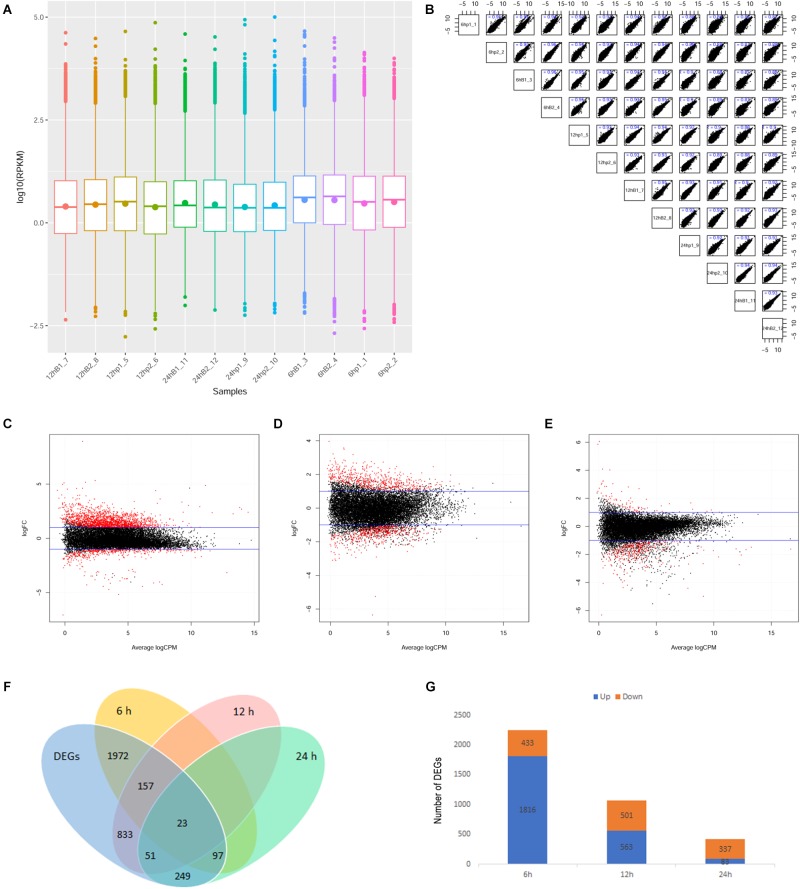
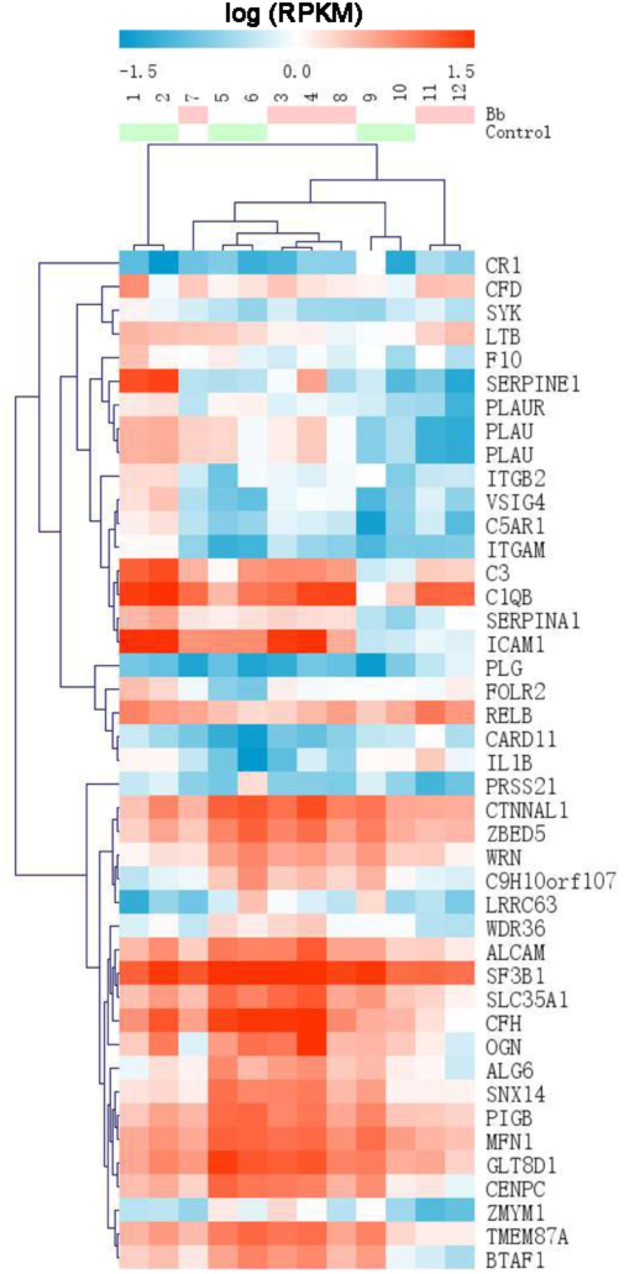
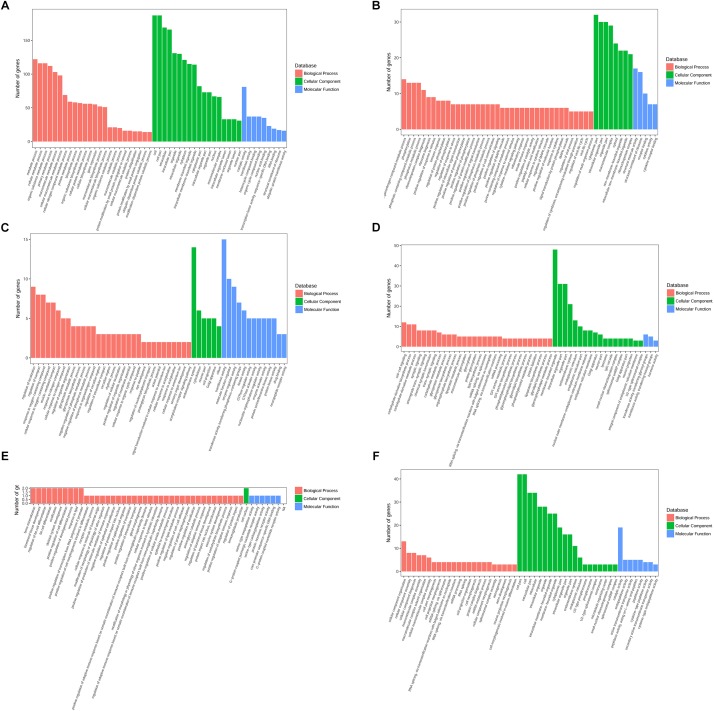
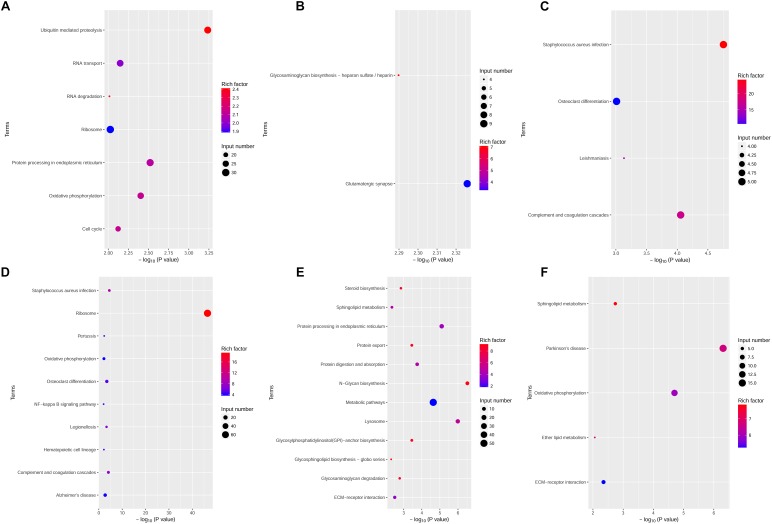
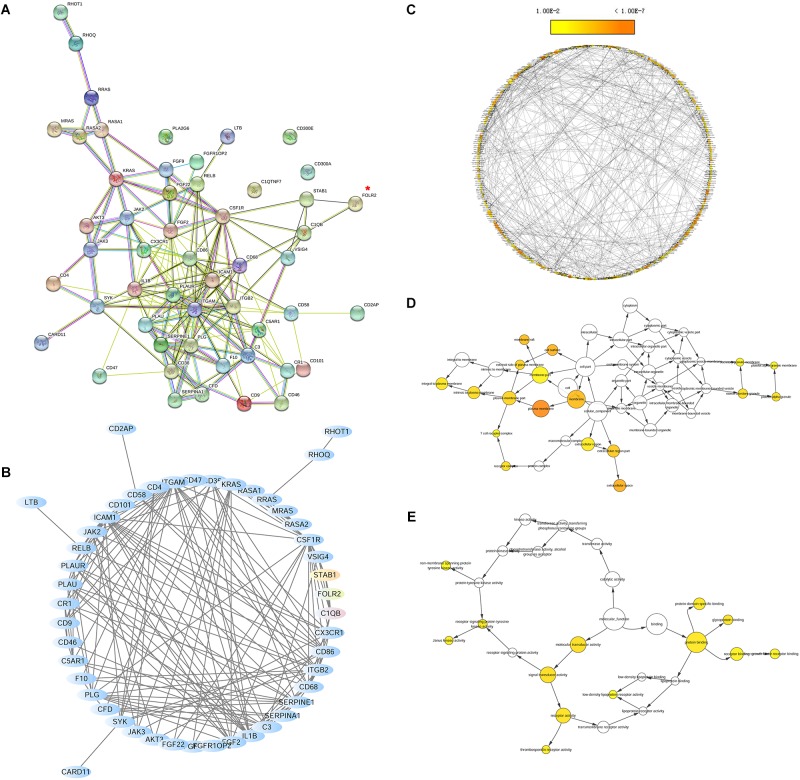
Lyme neuroborreliosis (LNB) is the most dangerous manifestation of Lyme disease caused by the spirochete which can reach the central nervous system most commonly presenting with lymphocytic meningitis; however, the molecular basis for neuroborreliosis is still poorly understood. We incubated explants from the frontal cortex of three rhesus brains with medium alone or medium with added live for 6, 12, and 24 h and isolated RNA from each group was used for RNA sequencing with further bioinformatic analysis. Transcriptomic differences between the model of live with rhesus frontal cortex tissue explants and the controls during the progression of the infection were identified. A total of 2249, 1064, and 420 genes were significantly altered, of which 80.7, 52.9, and 19.8% were upregulated and 19.3, 47.1, 80.2% were downregulated at 6, 12, and 24 h, respectively. Gene ontology and KEGG pathway analyses revealed various pathways related to immune and inflammatory responses during the spirochete infection were enriched which is suggested to have a causal role in the pathogenesis of neurological Lyme disease. Moreover, we propose that the overexpressed FOLR2 which was demonstrated by the real-time PCR and western blotting could play a key role in neuroinflammation of the neuroborreliosis based on PPI analysis for the first time. To our knowledge, this is the first study to provide comprehensive information regarding the transcriptomic signatures that occur in the frontal cortex of the brain upon exposure to , and suggest that FOLR2 is a promising target that is associated with neuroinflammation and may represent a new diagnostic or therapeutic marker in LNB.
莱姆神经疏螺旋体病(LNB)是由螺旋体引起的莱姆病最危险的表现形式,该螺旋体可累及中枢神经系统,最常见的表现为淋巴细胞性脑膜炎;然而,神经疏螺旋体病的分子基础仍知之甚少。我们将来自三只恒河猴大脑额叶皮质的外植体分别与单独的培养基或添加了活[螺旋体名称未给出]的培养基一起孵育6、12和24小时,从每组中分离RNA用于RNA测序及进一步的生物信息学分析。确定了在感染过程中恒河猴额叶皮质组织外植体与活[螺旋体名称未给出]模型和对照之间的转录组差异。共有2249、1064和420个基因发生了显著改变,其中在6、12和24小时时分别有80.7%、52.9%和19.8%的基因上调,19.3%、47.1%和80.2%的基因下调。基因本体论和KEGG通路分析显示,螺旋体感染期间与免疫和炎症反应相关的各种通路被富集,这表明其在神经莱姆病的发病机制中具有因果作用。此外,基于蛋白质-蛋白质相互作用分析,我们首次提出实时PCR和蛋白质印迹法证实的过表达的FOLR2可能在神经疏螺旋体病的神经炎症中起关键作用。据我们所知,这是第一项提供关于大脑额叶皮质暴露于[螺旋体名称未给出]后发生的转录组特征全面信息的研究,并表明FOLR2是一个与神经炎症相关的有前景的靶点,可能代表莱姆神经疏螺旋体病的一种新的诊断或治疗标志物。