Feng Ding-Yun, Zhou Yu-Qi, Zou Xiao-Ling, Zhou Mi, Yang Hai-Ling, Chen Xiao-Xia, Zhang Tian-Tuo
Department of Respiratory and Critical Care Medicine, Third Affiliated Hospital of Sun Yat-Sen University, Institute of Respiratory Diseases of Sun Yat-Sen University, Guangzhou, China.
Department of Surgery Intensive Care Unit, Third Affiliated Hospital of Sun Yat-Sen University, Guangzhou, China.
Can J Infect Dis Med Microbiol. 2019 Jun 16;2019:1547405. doi: 10.1155/2019/1547405. eCollection 2019.
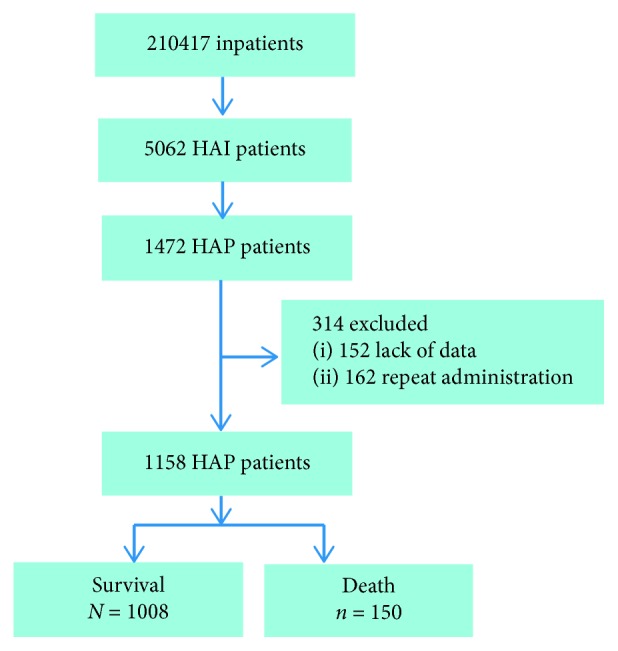
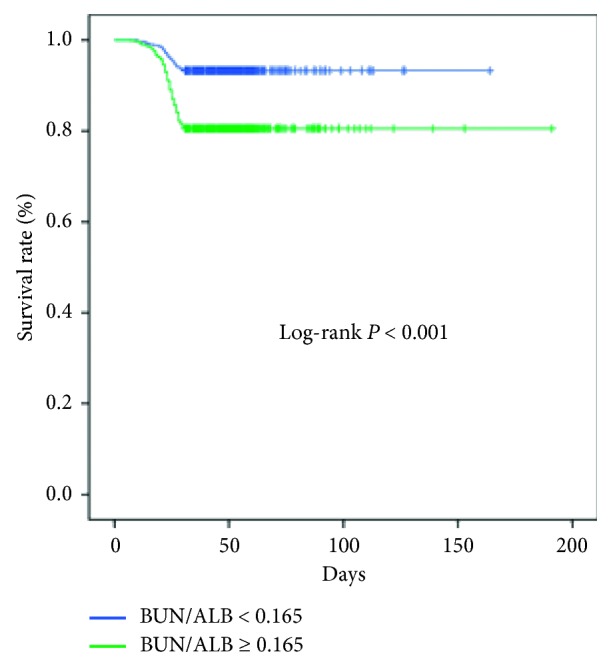
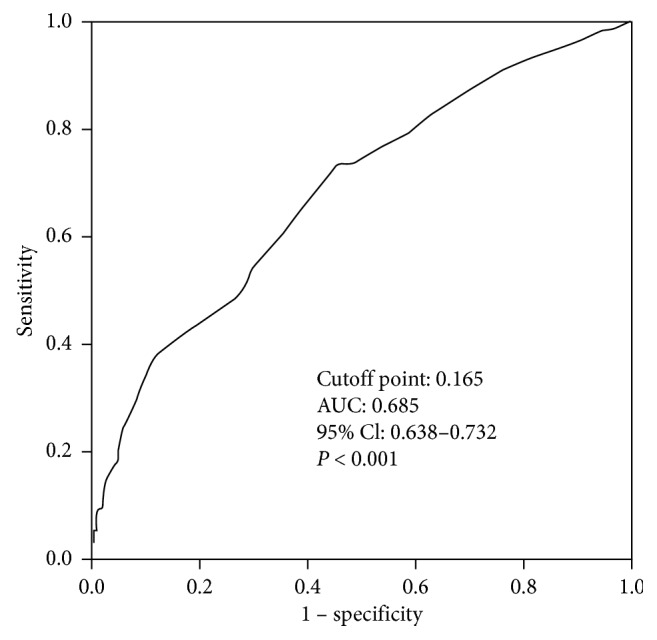
This study aimed to evaluate the factors that affect 30-day mortality of patients with HAP. The data used in this study were collected from all HAP occurred in our hospital between January 2014 and December 2017. A total of 1158 cases were included. 150 (13.0%) of whom died within 30 days. This reported mortality identified by the univariate Cox regression analysis is found to have been affected by the following factors: age greater than 70 years, presence of diabetes mellitus and chronic obstructive pulmonary disease, gastric tube intubation, administration of proton-pump inhibitor, blood albumin level less than 30 g/l, elevated neutrophil-to-lymphocyte ratio, antibiotics therapy in the preceding 90 days, intensive care unit (ICU) admission, blood lymphocyte count less than 0.8 × 10/L, elevated blood urea nitrogen/albumin (BUN/ALB) level, and presence of multidrug-resistant (MDR) pathogens. In the second multivariate analysis, administration of proton-pump inhibitor, administration of antibiotics in the preceding 90 days, ICU admission, blood lymphocyte count less than 0.8 × 10/L, elevated BUN/ALB level, and presence of MDR pathogens were still associated with 30-day mortality. The area under the receiver operating characteristic curves in the BUN/ALB predicting 30-day mortality due to HAP was 0.685. A high BUN/ALB was significantly associated with a worse survival than a low BUN/ALB ( < 0.001). Therefore, an elevated BUN/ALB level is a risk factor for mortality on patients with HAP.
本研究旨在评估影响医院获得性肺炎(HAP)患者30天死亡率的因素。本研究中使用的数据收集自2014年1月至2017年12月在我院发生的所有HAP病例。共纳入1158例病例。其中150例(13.0%)在30天内死亡。单因素Cox回归分析确定的该报告死亡率受以下因素影响:年龄大于70岁、患有糖尿病和慢性阻塞性肺疾病、胃管插管、使用质子泵抑制剂、血白蛋白水平低于30g/l、中性粒细胞与淋巴细胞比值升高、前90天内使用抗生素治疗、入住重症监护病房(ICU)、血淋巴细胞计数低于0.8×10⁹/L、血尿素氮/白蛋白(BUN/ALB)水平升高以及存在多重耐药(MDR)病原体。在第二次多因素分析中,使用质子泵抑制剂、前90天内使用抗生素、入住ICU、血淋巴细胞计数低于0.8×10⁹/L、BUN/ALB水平升高以及存在MDR病原体仍与30天死亡率相关。BUN/ALB预测HAP所致30天死亡率的受试者工作特征曲线下面积为0.685。高BUN/ALB与低BUN/ALB相比,生存情况明显更差(P<0.001)。因此,BUN/ALB水平升高是HAP患者死亡的一个危险因素。