Itai A, Kato Y, Tomioka N, Iitaka Y, Endo Y, Hasegawa M, Shudo K, Fujiki H, Sakai S
Faculty of Pharmaceutical Sciences, University of Tokyo, Japan.
Proc Natl Acad Sci U S A. 1988 Jun;85(11):3688-92. doi: 10.1073/pnas.85.11.3688.
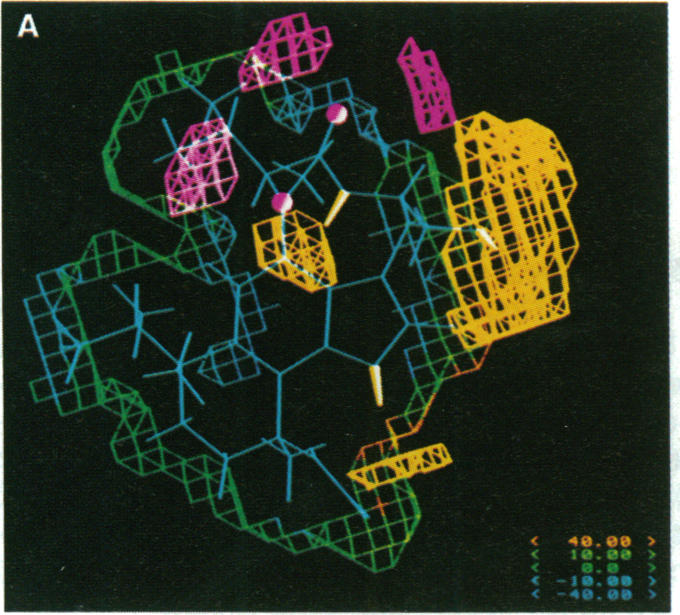
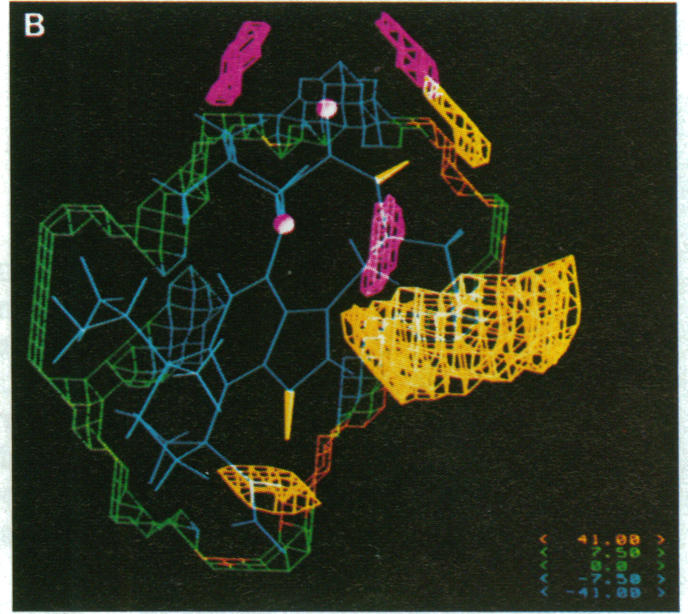
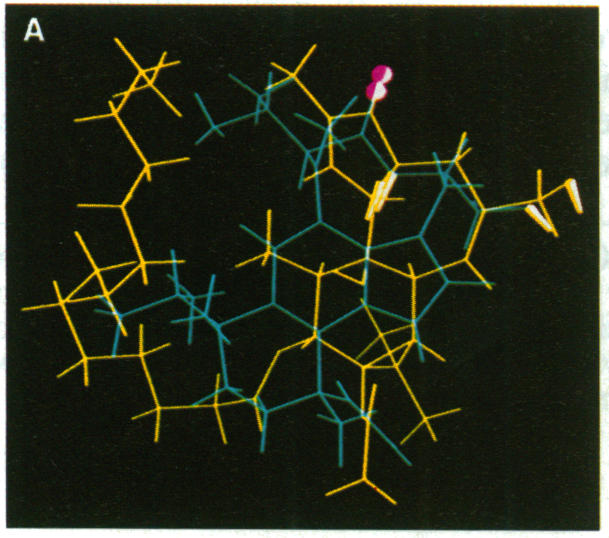
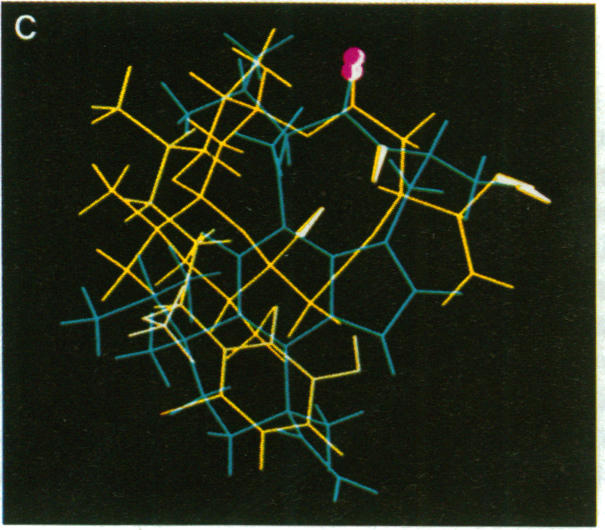
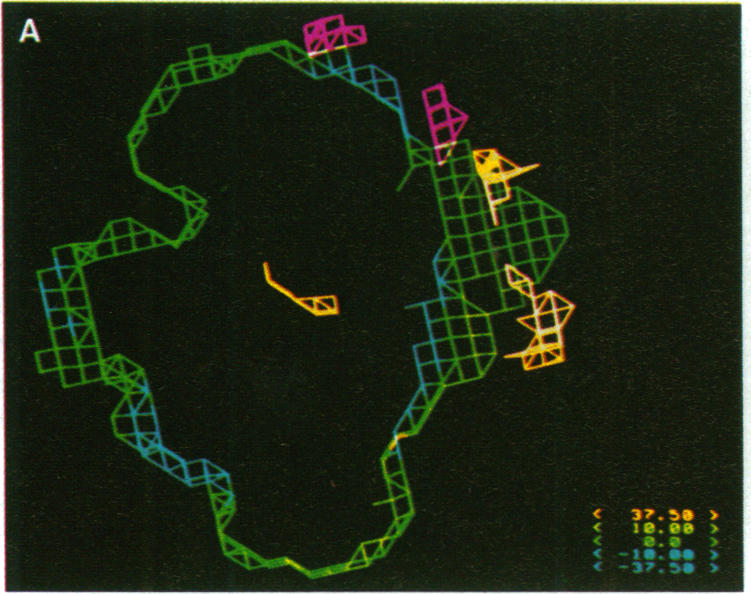
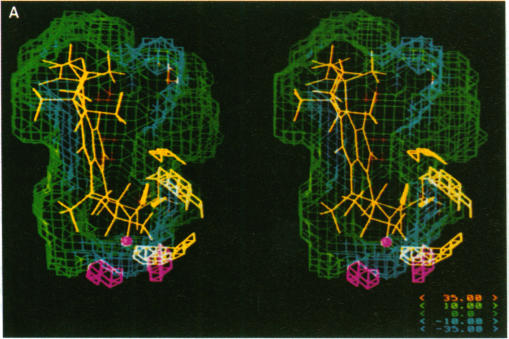
Four 12-O-tetradecanoyl-13-O-acetylphorbol-type tumor promoters--teleocidin, phorbol ester, aplysiatoxin, and ingenol ester--are superposed in an attempt to understand their common biological activity on the assumption that they may bind to the same receptor site. A method using three-dimensional computer graphics was applied for superposing molecules and receptor mapping. The main feature of the method is that molecules are superposed in terms of spatial arrangement of physical and chemical properties but not in terms of the atomic positions as in conventional methods. This led to successful extraction of common structural features required for potent tumor-promoting activity: two hydrogen donors, a hydrogen acceptor, and a large lipophilic group. Their mutual spatial arrangements are most important for biological activity.
四种12 - O - 十四烷酰 - 13 - O - 乙酰佛波醇型肿瘤促进剂——杀鱼藤素、佛波酯、海兔毒素和大戟醇酯——被叠加在一起,试图在它们可能结合到相同受体位点的假设下理解它们共同的生物活性。一种使用三维计算机图形学的方法被应用于分子叠加和受体图谱绘制。该方法的主要特点是分子根据物理和化学性质的空间排列进行叠加,而不像传统方法那样根据原子位置进行叠加。这导致成功提取出强效肿瘤促进活性所需的共同结构特征:两个氢供体、一个氢受体和一个大的亲脂基团。它们相互的空间排列对生物活性最为重要。