Institut Systématique Evolution Biodiversité (ISYEB), Muséum National d'Histoire Naturelle, CNRS, Sorbonne Université, EPHE, 57 Rue Cuvier, CP 50, 75005, Paris, France.
Equipe Communications Acoustiques, UMR 9197, Neuro-PSI-CNRS, Université Paris-Sud, Bat.446, 91405, Orsay, France.
BMC Ecol. 2019 Jul 19;19(1):28. doi: 10.1186/s12898-019-0243-y.
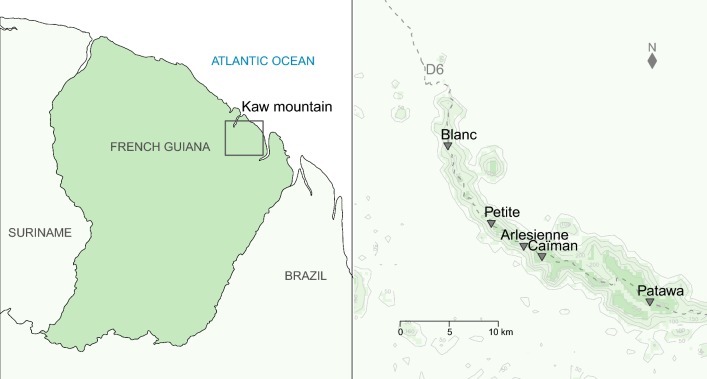
Anurans largely rely on acoustic communication for sexual selection and reproduction. While multiple studies have focused on the calling activity patterns of prolonged breeding assemblages, species that concentrate their reproduction in short-time windows, explosive breeders, are still largely unknown, probably because of their ephemeral nature. In tropical regions, multiple species of explosive breeders may simultaneously aggregate leading to massive, mixed and dynamic choruses. To understand the environmental triggers, the phenology and composition of these choruses, we collected acoustic and environmental data at five ponds in French Guiana during a rainy season, assessing acoustic communities before and during explosive breeding events.
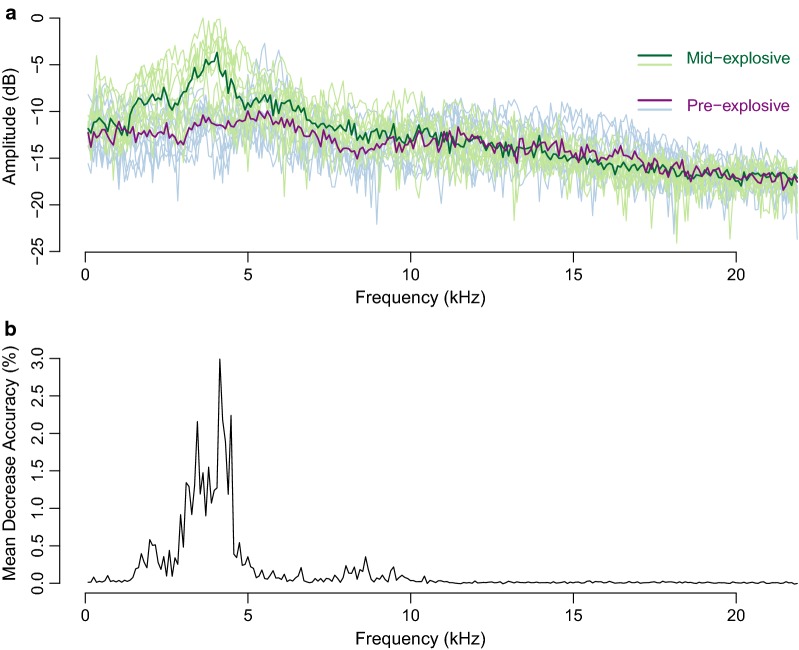
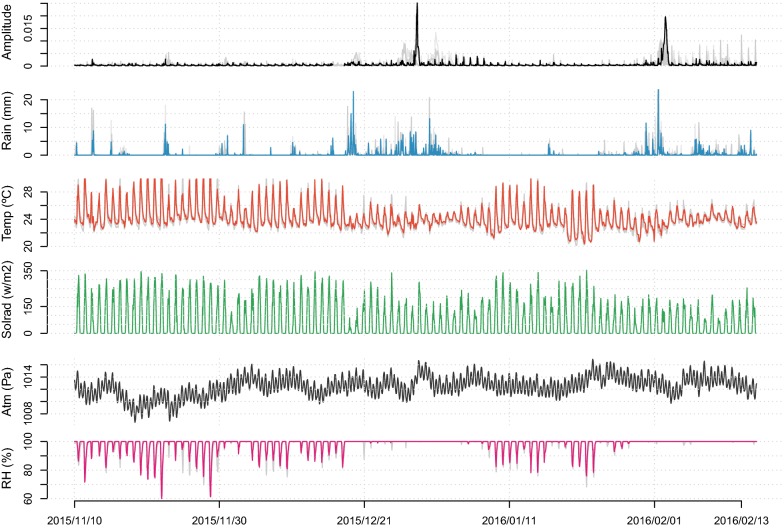
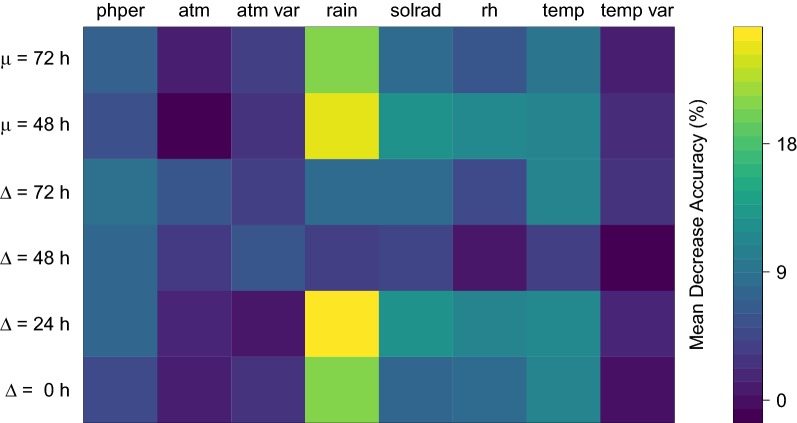
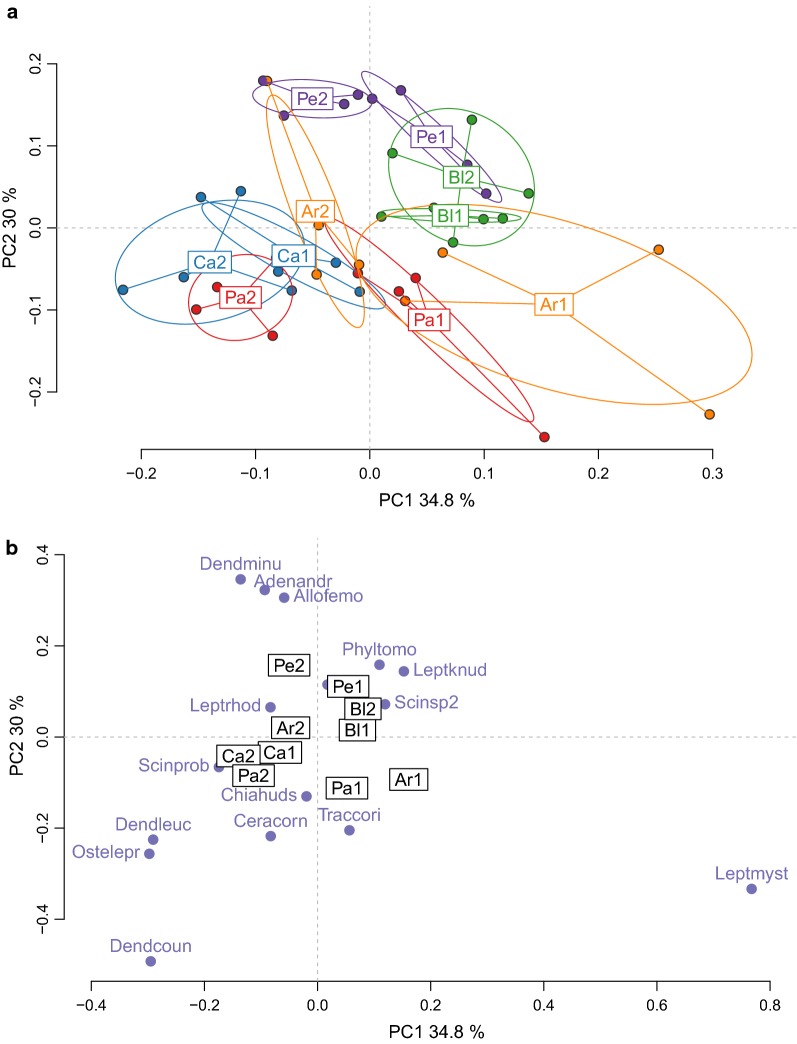
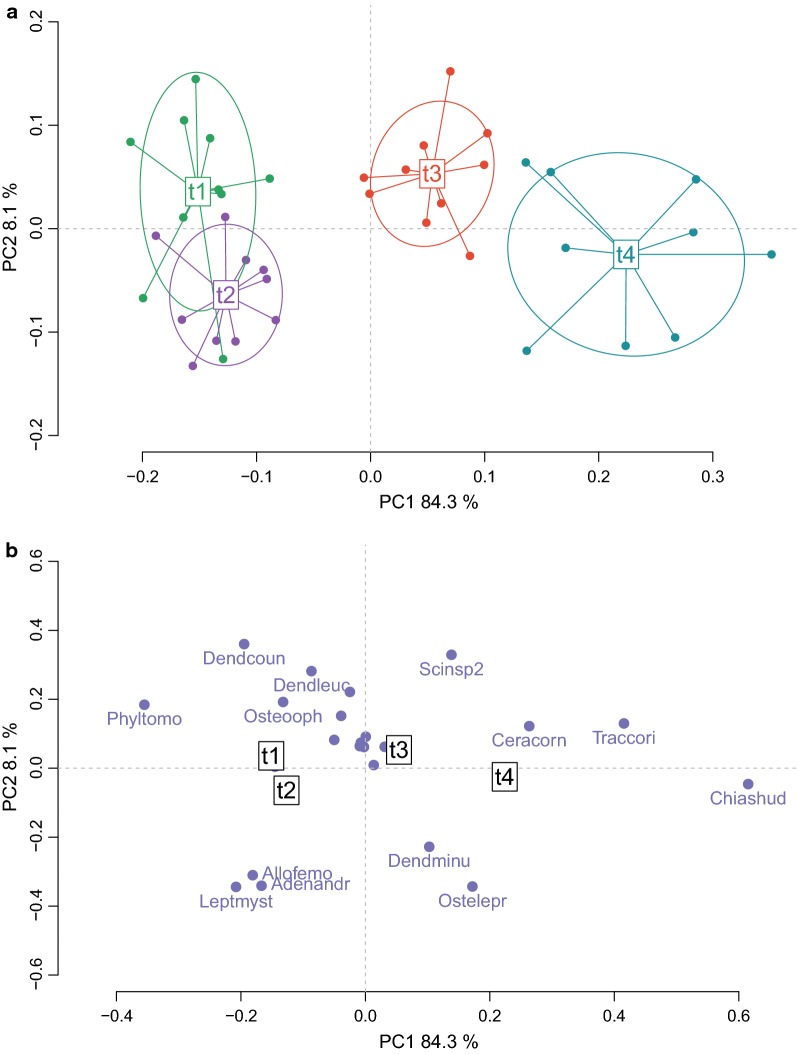
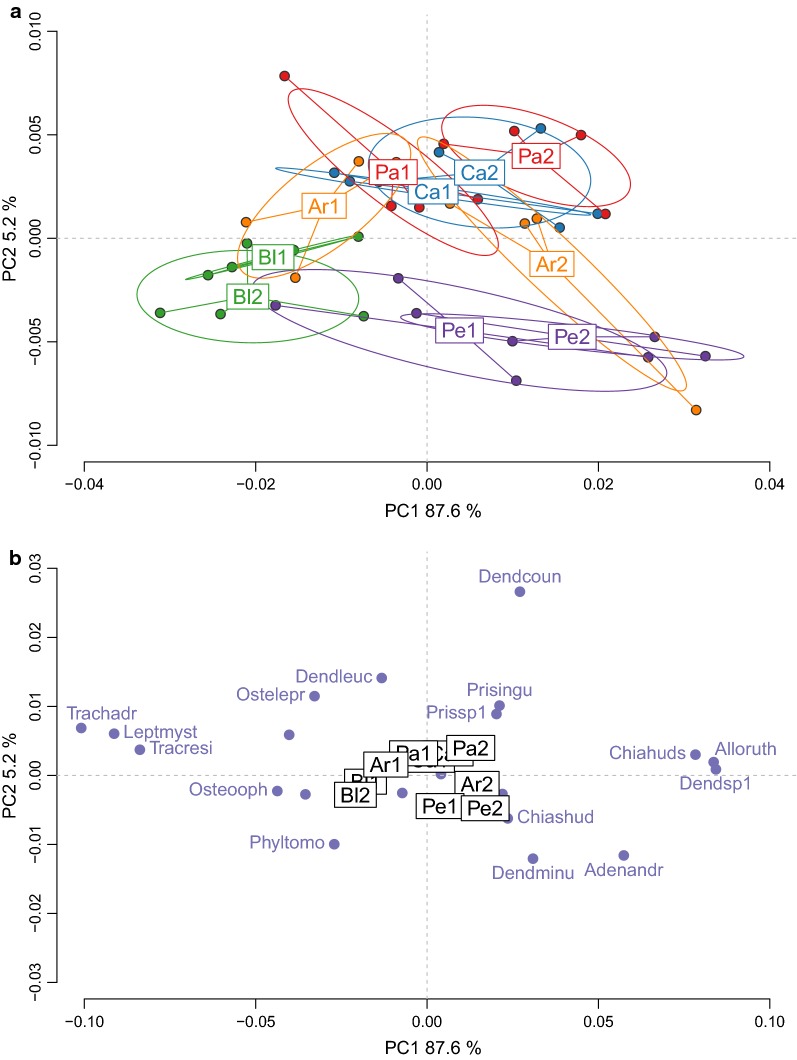
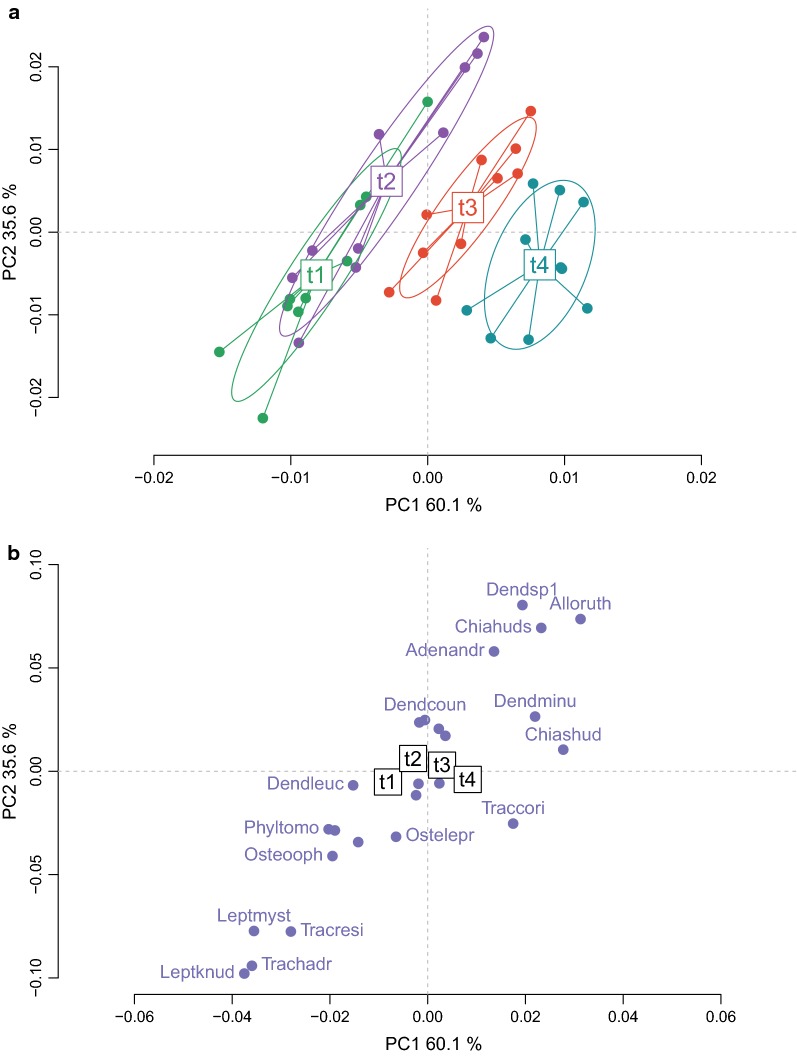
We detected in each pond two explosive breeding events, lasting between 24 and 70 h. The rainfall during the previous 48 h was the most important factor predicting the emergence of these events. During explosive breeding events, we identified a temporal factor that clearly distinguished pre- and mid-explosive communities. A common pool of explosive breeders co-occurred in most of the events, namely Chiasmocleis shudikarensis, Trachycephalus coriaceus and Ceratophrys cornuta. Nevertheless, the species composition was remarkably variable between ponds and for each pond between the first and the second events. The acoustic structure of explosive breeding communities had outlying levels of amplitude and unexpected low acoustic diversity, significantly lower than the communities preceding explosive breeding events.
Explosive breeding communities were tightly linked with specific rainfall patterns. With climate change increasing rainfall variability in tropical regions, such communities may experience significant shifts in their timing, distribution and composition. In structurally similar habitats, located in the same region without obvious barriers, our results highlight the variation in composition across explosive breeding events. The characteristic acoustic structure of explosive breeding events stands out from the circadian acoustic environment being easily detected at long distance, probably reflecting behavioural singularities and conveying heterospecific information announcing the availability of short-lived breeding sites. Our data provides a baseline against which future changes, possibly linked to climate change, can be measured, contributing to a better understanding on the causes, patterns and consequences of these unique assemblages.
蛙类主要依靠声学通讯进行性选择和繁殖。虽然多项研究已经集中在长时间繁殖群体的鸣叫活动模式上,但对于那些将繁殖集中在短时间窗口内的物种,即爆发式繁殖者,仍然知之甚少,这可能是因为它们具有短暂的性质。在热带地区,可能有多个爆发式繁殖者物种同时聚集,导致大规模、混合和动态的合唱。为了了解这些合唱的环境触发因素、物候和组成,我们在法属圭亚那的五个池塘收集了声学和环境数据,在雨季前和爆发式繁殖事件期间评估了声学群落。
我们在每个池塘都检测到了两次爆发式繁殖事件,持续时间从 24 小时到 70 小时不等。在过去 48 小时内的降雨量是预测这些事件发生的最重要因素。在爆发式繁殖事件期间,我们发现了一个时间因素,可以清楚地区分繁殖前和中期的群落。大多数事件中都出现了一个共同的爆发式繁殖者库,包括 Chiasmocleis shudikarensis、Trachycephalus coriaceus 和 Ceratophrys cornuta。然而,物种组成在池塘之间和每个池塘的第一次和第二次事件之间都有显著的差异。爆发式繁殖社区的声学结构具有异常高的振幅和意外低的声学多样性,明显低于爆发式繁殖事件之前的社区。
爆发式繁殖社区与特定的降雨模式紧密相关。随着气候变化增加了热带地区的降雨变化,这些社区可能会在其时间、分布和组成方面经历重大变化。在结构相似的栖息地中,位于同一地区且没有明显障碍,我们的结果突出了跨爆发式繁殖事件的组成变化。爆发式繁殖事件的特征声学结构与昼夜声学环境明显不同,在长距离内很容易被检测到,可能反映了行为的特殊性,并传递了关于短暂繁殖地点可用性的异质信息。我们的数据提供了一个基准,未来的变化,可能与气候变化有关,可以在此基础上进行衡量,有助于更好地了解这些独特集合的原因、模式和后果。