Bioengineering, Stanford University, Stanford, CA, 94305, USA.
BioX Institute, Stanford University, Stanford, CA, 94305, USA.
Nat Commun. 2019 Jul 19;10(1):3221. doi: 10.1038/s41467-019-11118-8.
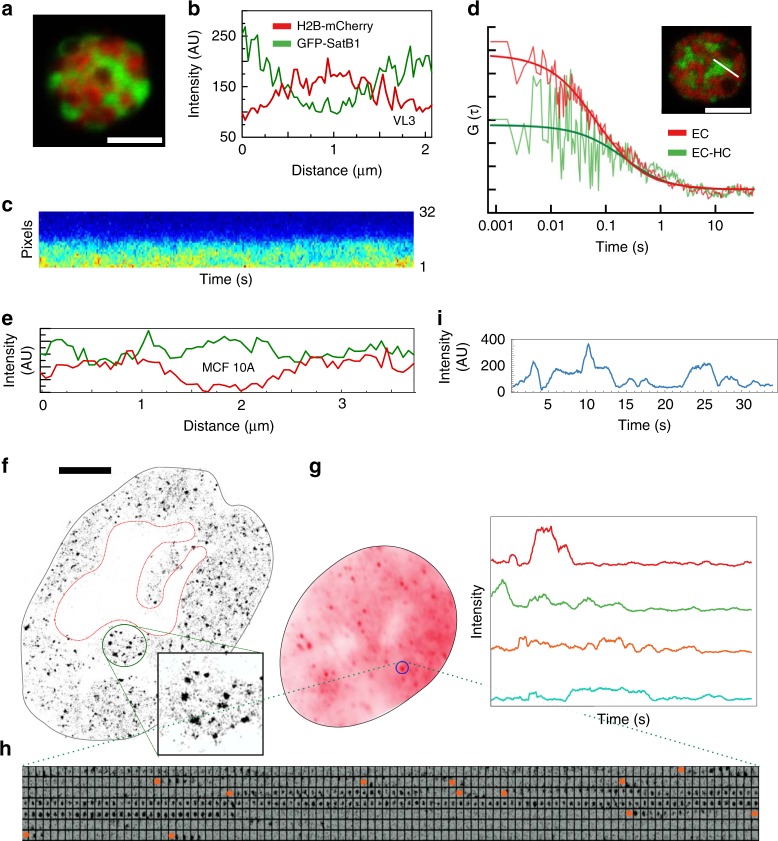
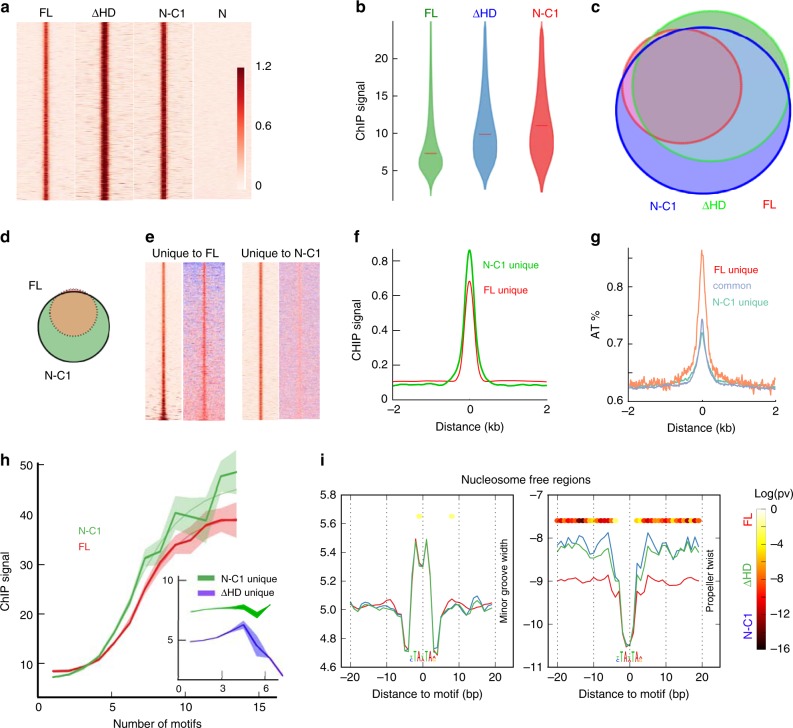
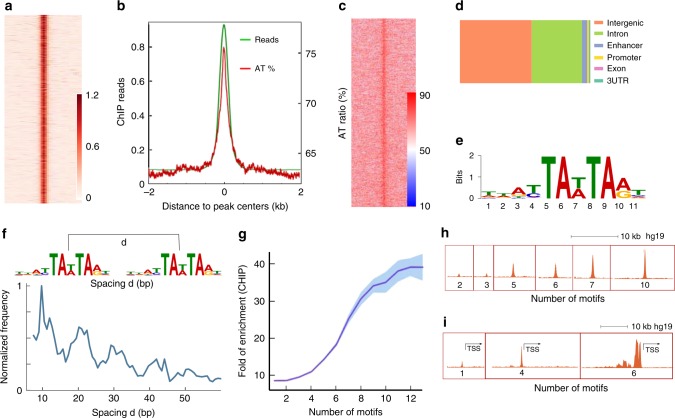
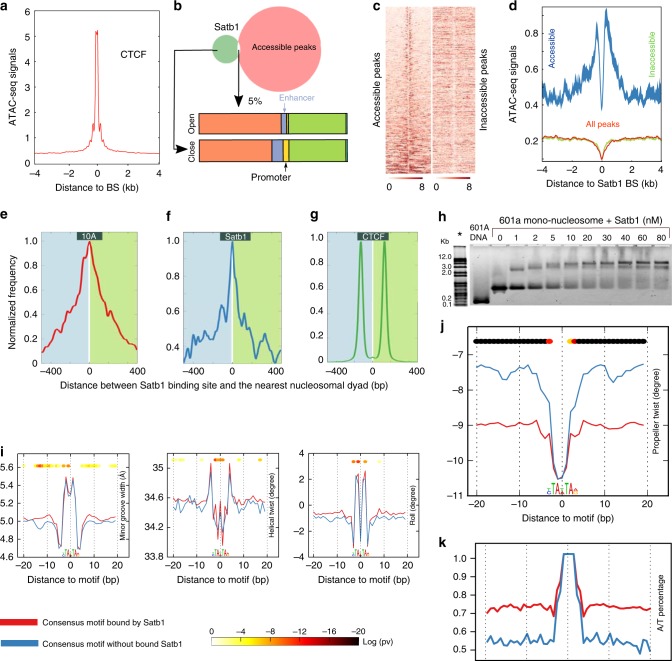
The Satb1 genome organizer regulates multiple cellular and developmental processes. It is not yet clear how Satb1 selects different sets of targets throughout the genome. Here we have used live-cell single molecule imaging and deep sequencing to assess determinants of Satb1 binding-site selectivity. We have found that Satb1 preferentially targets nucleosome-dense regions and can directly bind consensus motifs within nucleosomes. Some genomic regions harbor multiple, regularly spaced Satb1 binding motifs (typical separation ~1 turn of the DNA helix) characterized by highly cooperative binding. The Satb1 homeodomain is dispensable for high affinity binding but is essential for specificity. Finally, we find that Satb1-DNA interactions are mechanosensitive. Increasing negative torsional stress in DNA enhances Satb1 binding and Satb1 stabilizes base unpairing regions against melting by molecular machines. The ability of Satb1 to control diverse biological programs may reflect its ability to combinatorially use multiple site selection criteria.
Satb1 基因组组织者调节多种细胞和发育过程。目前尚不清楚 Satb1 如何在整个基因组中选择不同的靶标。在这里,我们使用活细胞单分子成像和深度测序来评估 Satb1 结合位点选择性的决定因素。我们发现 Satb1 优先靶向核小体密集区域,并且可以直接结合核小体中的共识基序。一些基因组区域含有多个规则间隔的 Satb1 结合基序(典型分离~1 个 DNA 螺旋的转数),其特征是高度协同结合。Satb1 同源域对于高亲和力结合不是必需的,但对于特异性是必需的。最后,我们发现 Satb1-DNA 相互作用是机械敏感的。增加 DNA 的负扭转应力会增强 Satb1 的结合,并且 Satb1 通过分子机器稳定碱基未配对区域免受熔化。Satb1 控制多种生物程序的能力可能反映了其组合使用多种位点选择标准的能力。