Matsukura Tomomi, Inaba Chisako, Weygant Esther A, Kitamura Daiki, Janknecht Ralf, Matsumoto Hiroyuki, Hyink Deborah P, Kashiwada Shosaku, Obara Tomoko
Department of Cell Biology, University of Oklahoma Health Sciences Center, Oklahoma City, Oklahoma.
Department of Life Sciences, Toyo University, Gunma, Japan.
Physiol Rep. 2019 Jul;7(14):e14172. doi: 10.14814/phy2.14172.
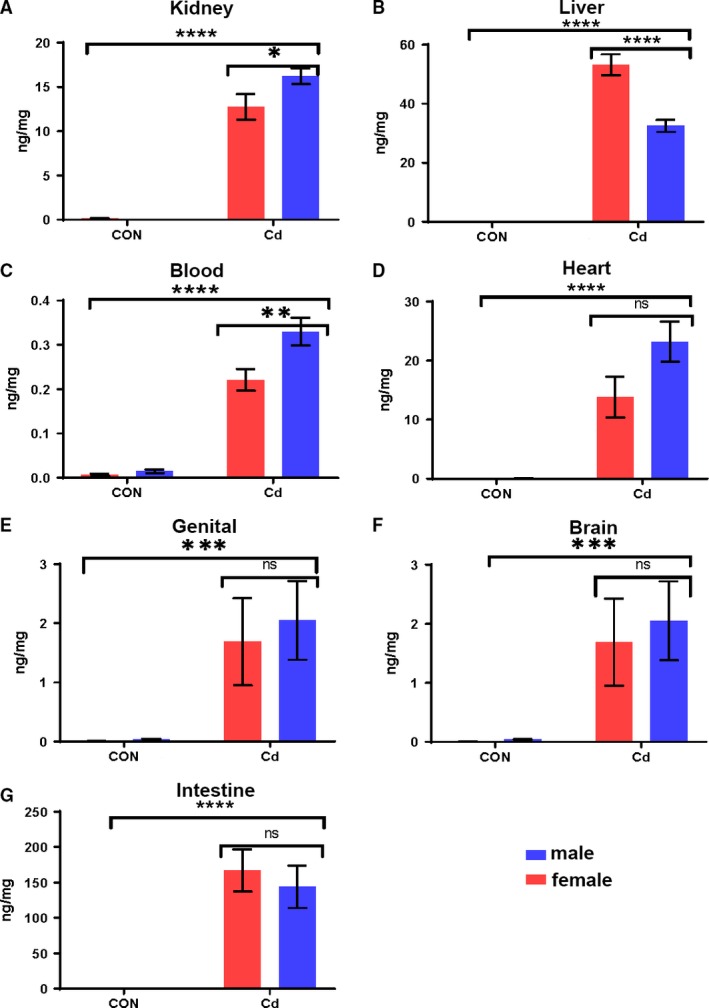
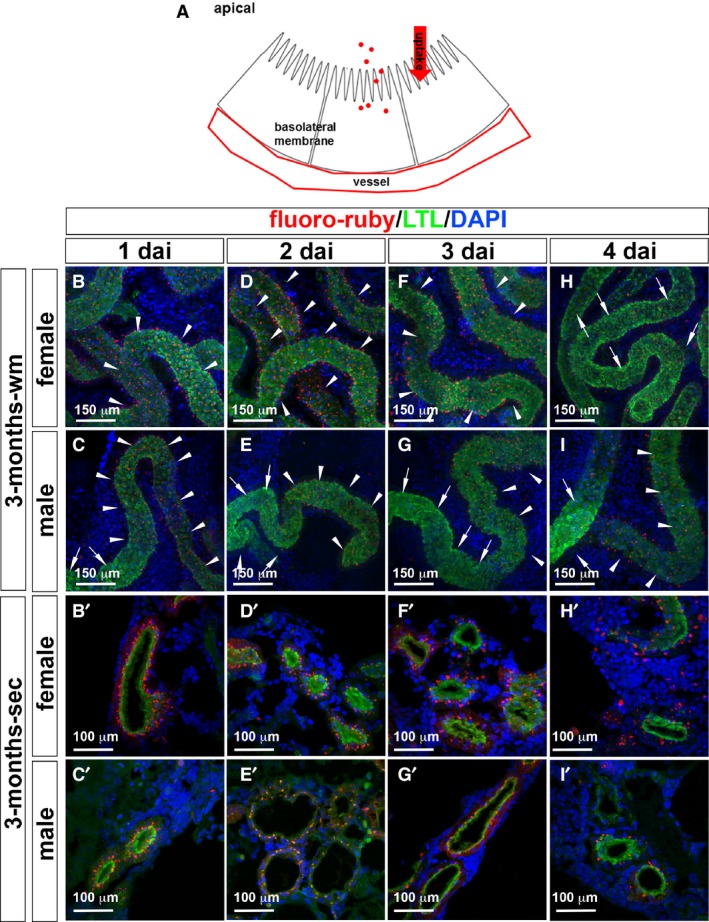
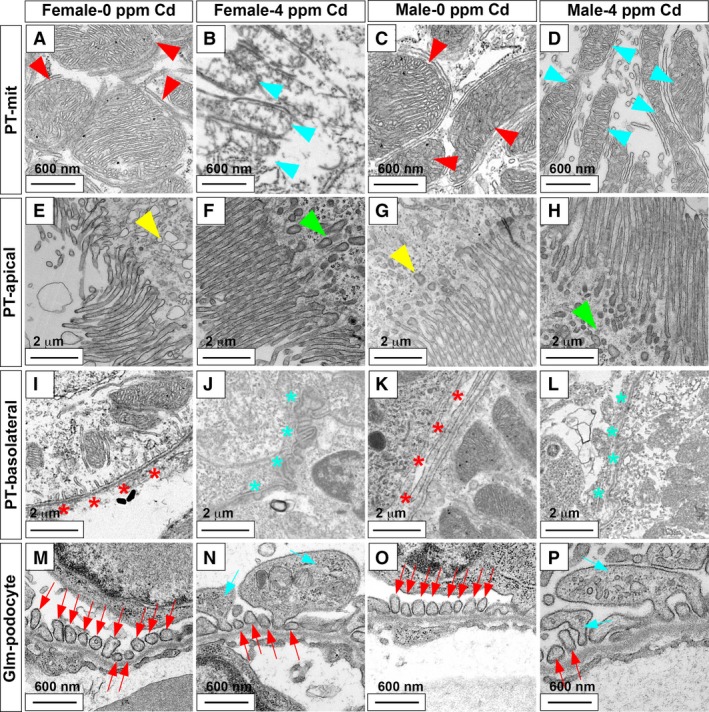
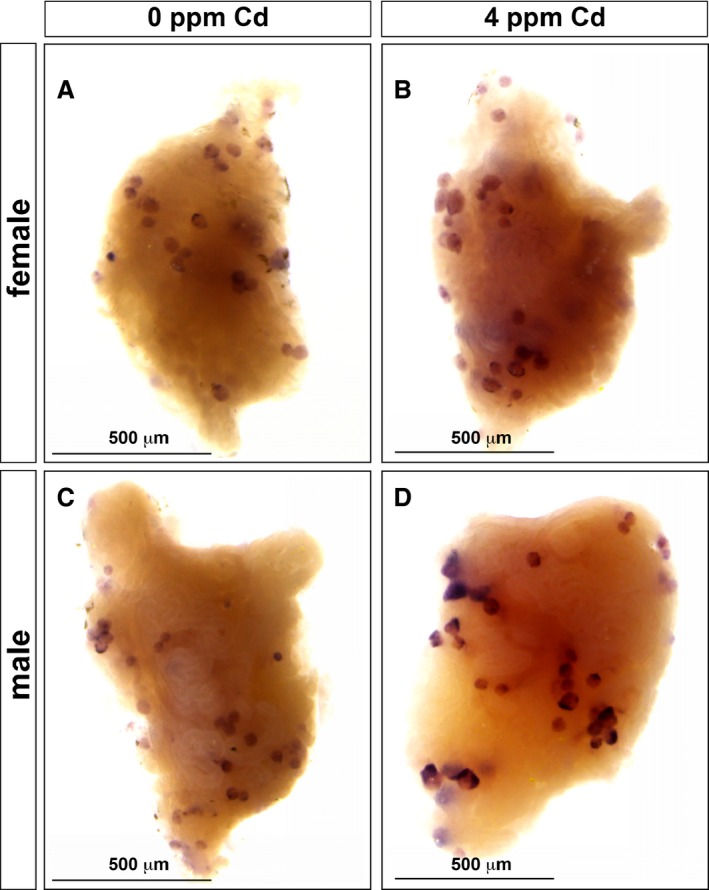
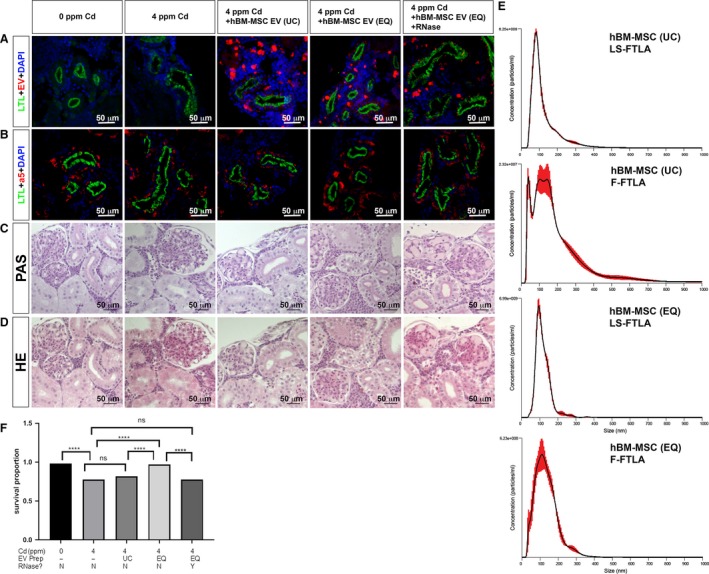
Treatment modalities for kidney disease caused by long-term exposure to heavy metals, such as cadmium (Cd), are limited. Often, chronic, long-term environmental exposure to heavy metal is not recognized in the early stages; therefore, chelation therapy is not an effective option. Extracellular vesicles (EVs) derived from stem cells have been demonstrated to reduce disease pathology in both acute and chronic kidney disease models. To test the ability of EVs derived from human bone marrow mesenchymal stem cells (hBM-MSCs) to treat Cd damage, we generated a Cd-exposed medaka model. This model develops heavy metal-induced cell damage in various organs and tissues, and shows decreased overall survival. Intravenous injection of highly purified EVs from hBM-MSCs repaired the damage to apical and basolateral membranes and mitochondria of kidney proximal tubules, glomerular podocytes, bone deformation, and improved survival. Our system also serves as a model with which to study age- and sex-dependent cell injuries of organs caused by various agents and diseases. The beneficial effects of EVs on the tissue repair process, as shown in our novel Cd-exposed medaka model, may open new broad avenues for interventional strategies.
长期接触重金属(如镉)所致肾病的治疗方式有限。通常,长期慢性环境重金属暴露在早期未被识别;因此,螯合疗法并非有效选择。已证明源自干细胞的细胞外囊泡(EVs)可减轻急性和慢性肾病模型中的疾病病理。为测试源自人骨髓间充质干细胞(hBM-MSCs)的EVs治疗镉损伤的能力,我们构建了镉暴露的青鳉模型。该模型在各种器官和组织中发生重金属诱导的细胞损伤,并显示总体存活率降低。静脉注射来自hBM-MSCs的高度纯化的EVs可修复肾近端小管顶端和基底外侧膜及线粒体、肾小球足细胞的损伤、骨骼变形,并提高存活率。我们的系统还可作为一个模型,用于研究由各种因素和疾病引起的器官年龄和性别依赖性细胞损伤。如我们新型镉暴露青鳉模型所示,EVs对组织修复过程的有益作用可能为干预策略开辟新的广阔途径。