Department of Nutrition and Food Science, School of Public Health, Tianjin Medical University, Tianjin, China.
Tianjin Key Laboratory of Environment, Nutrition and Public Health, Tianjin, China.
Cell Death Dis. 2019 Jul 22;10(8):561. doi: 10.1038/s41419-019-1798-4.
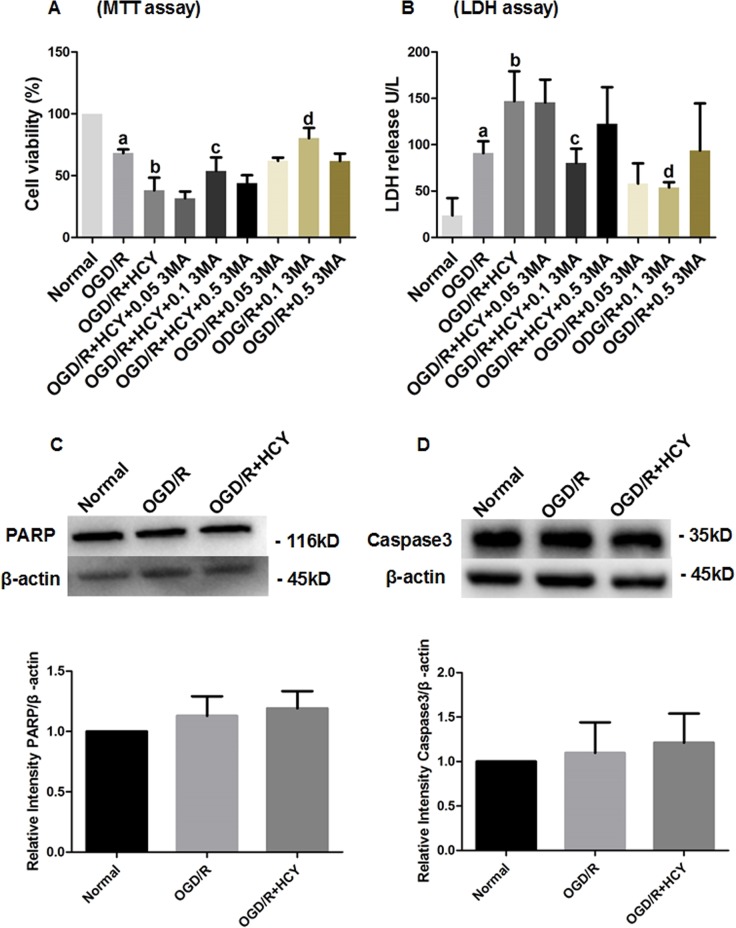
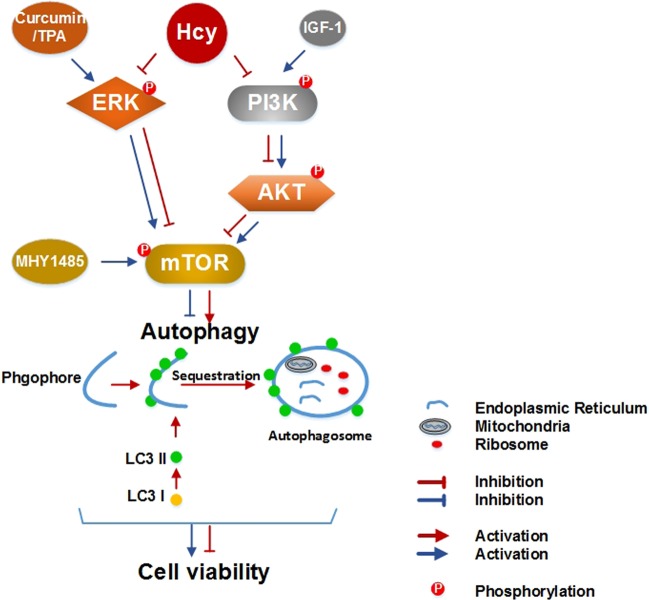
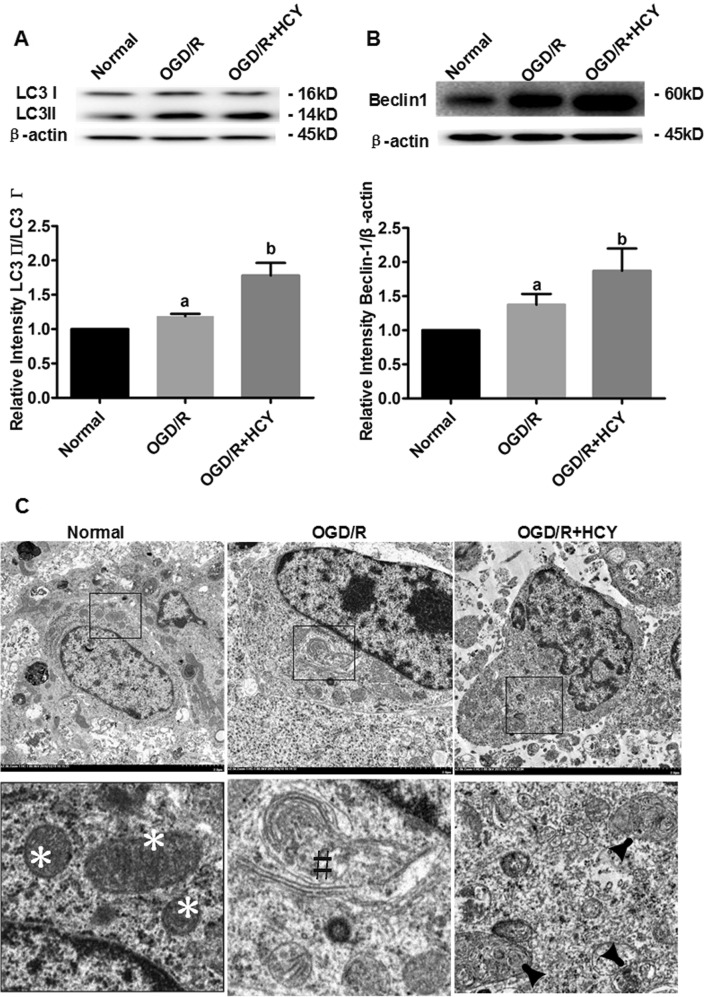
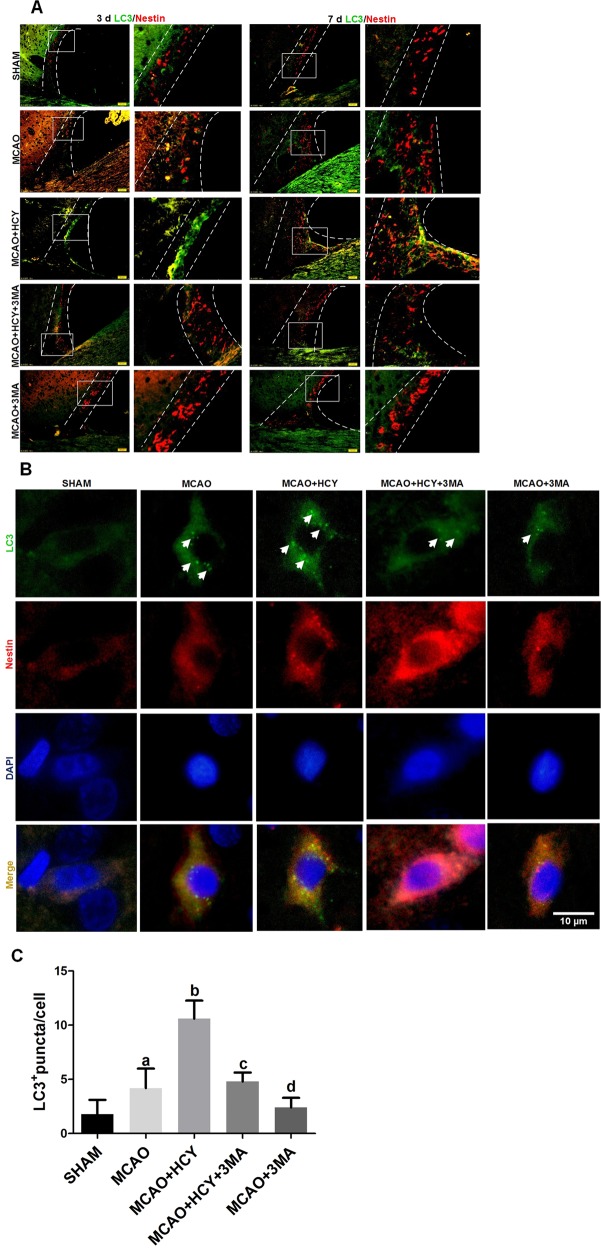
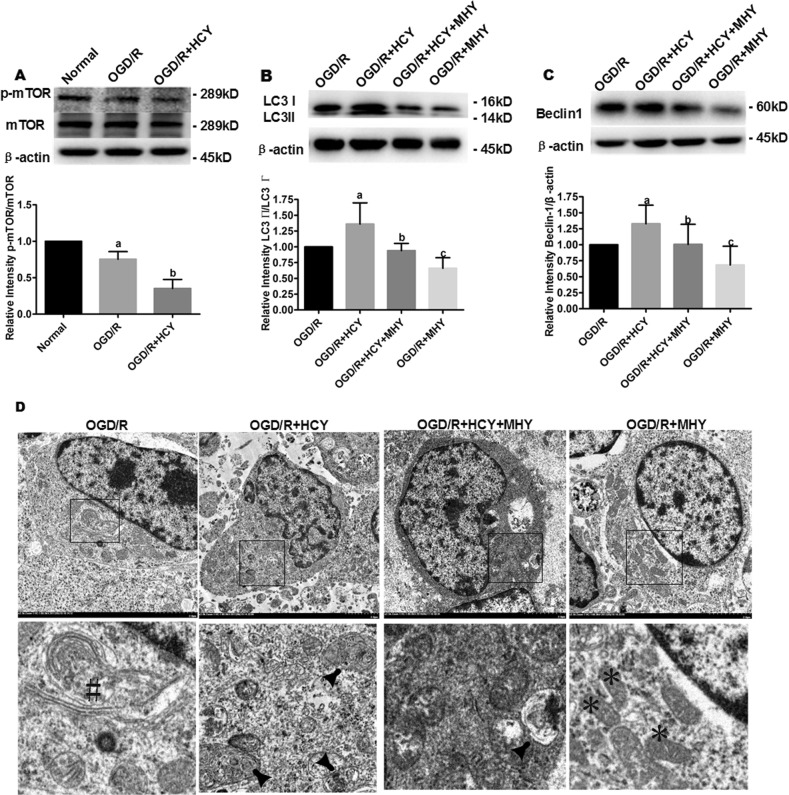
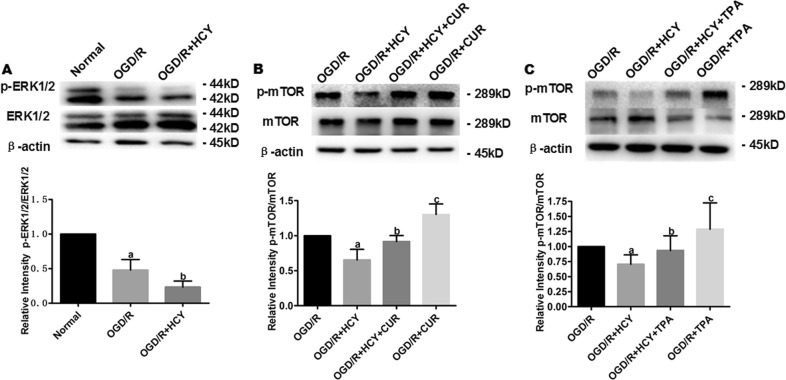
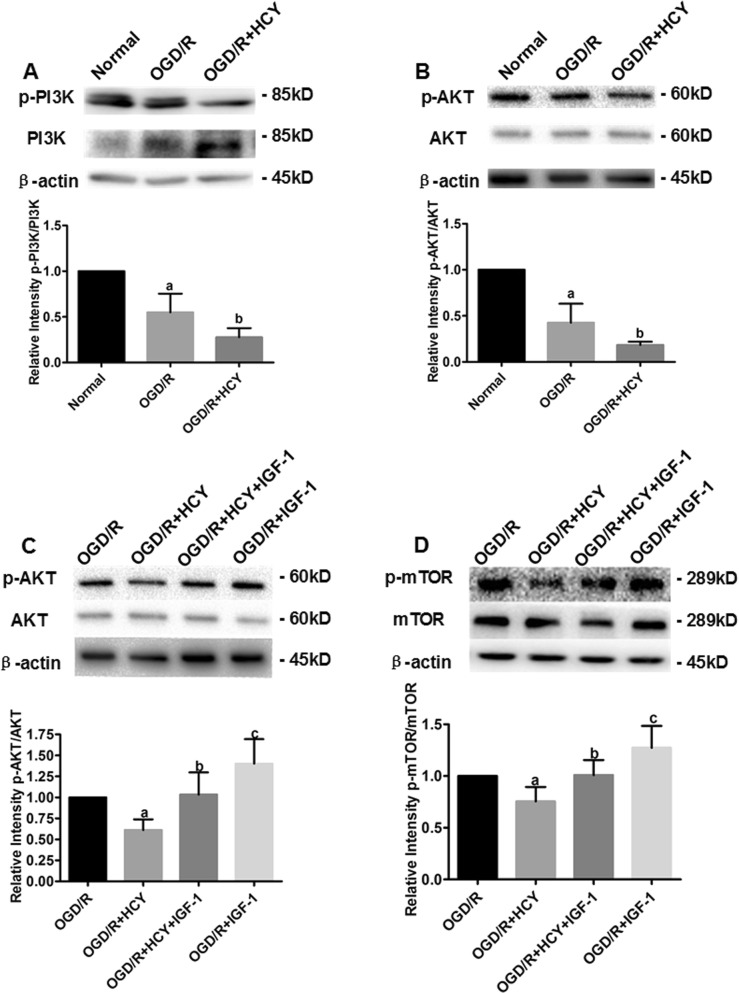
The elevated level of the amino acid metabolite homocysteine (Hcy) is known as a risk factor for ischemic stroke. The molecular mechanisms responsible for neurotoxicity of Hcy remain largely unknown in ischemic brains. The previous studies have shown that Hcy decreases the proliferation and viability of neural stem cells (NSCs) in vivo and in vitro. Autophagy is required for the maintenance of NSCs homeostasis. In the current study, we hypothesized that the toxic effect of Hcy on NSCs may involve the changes in autophagy level following cerebral ischemia/reperfusion injury. The results showed that Hcy reduced cell viability, increased LDH release, and induced nonapoptotic cell death in primary NSCs exposed to oxygen-glucose deprivation)/reoxygenation (OGD/R). Treatment with autophagy inhibitor 3-methyladenine (3MA) partly reversed the decrease in the viability and prevented LDH release triggered by Hcy combined with OGD/R. Increased punctate LC3 dots co-localizing with Nestin-stained NSCs were also observed in the subventricular zone of Hcy-treated MCAO animals, which were partially blocked by 3MA. In vitro studies further revealed that Hcy induced the formation of autophagosomes, markedly increased the expression of the autophagic markers and decreased p-ERK, p-PI3K, p-AKT, and p-mTOR levels. In addition, MHY1485, an activator of mTOR, reduced Hcy-induced increase in LC3 and Beclin 1 protein levels, meanwhile ERK and PI3K activators (TPA, curcumin for ERK and IGF-1 for PI3K, respectively) enhanced Hcy-triggered mTOR inhibition in OGD/R NSCs. Our findings suggest that Hcy may cause excessive autophagy by downregulation of both PI3K-AKT- and ERK- dependent mTOR signaling, thereby facilitates the toxicity of Hcy on NSCs in ischemic brains.
血液氨基酸代谢物同型半胱氨酸(Hcy)水平升高被认为是缺血性中风的一个危险因素。在缺血性大脑中,导致 Hcy 神经毒性的分子机制在很大程度上尚不清楚。先前的研究表明,Hcy 降低体内和体外神经干细胞(NSC)的增殖和活力。自噬对于 NSCs 的稳态维持是必需的。在本研究中,我们假设 Hcy 对 NSCs 的毒性作用可能涉及脑缺血/再灌注损伤后自噬水平的变化。结果表明,Hcy 降低了原代 NSCs 在氧葡萄糖剥夺/复氧(OGD/R)暴露下的细胞活力,增加了 LDH 的释放,并诱导了非凋亡性细胞死亡。自噬抑制剂 3-甲基腺嘌呤(3MA)的处理部分逆转了 Hcy 与 OGD/R 联合引起的活力下降,并防止了 LDH 的释放。在 Hcy 处理的 MCAO 动物的侧脑室下区也观察到与 Nestin 染色的 NSCs 共定位的点状 LC3 斑点增加,这些斑点被 3MA 部分阻断。体外研究进一步表明,Hcy 诱导自噬体的形成,显著增加自噬标志物的表达,并降低 p-ERK、p-PI3K、p-AKT 和 p-mTOR 水平。此外,mTOR 的激活剂 MHY1485 降低了 Hcy 诱导的 LC3 和 Beclin 1 蛋白水平的增加,同时 ERK 和 PI3K 激活剂(TPA、分别用于 ERK 的姜黄素和用于 PI3K 的 IGF-1)增强了 OGD/R NSCs 中 Hcy 触发的 mTOR 抑制作用。我们的研究结果表明,Hcy 可能通过下调 PI3K-AKT-和 ERK-依赖性 mTOR 信号通路导致自噬过度,从而促进缺血性大脑中 Hcy 对 NSCs 的毒性。